
7308 East Virginia Avenue, Scottsdale, AZ 85257
For more information about senior living options: (866) 208-4318
Overall Review of SV Assisted Living Home 2
Pros
 The father spent the last eight months at Senior Valley Assisted Living II, and it gave his family peace of mind knowing he was well cared for.
- Denisa and Sergiu were fantastic carers, and the on-site caretakers were fantastic as well.
- The father always had fresh meals, one-on-one attention, and people who truly cared about his physical, emotional, and spiritual well-being.
- The staff provided care even when his family could not be there.
- The father regularly praised Denisa and the care he received at the end of his life.
- Senior Valley is a really special place, and the family is thankful for the top-notch care given to the father.
- The sister has been in this assisted living for over two years and receives very good care, good food, and a very clean environment.
- The reviewer would recommend this place for anyone.
Review
SV Assisted Living Home 2 in Scottsdale is best suited for families seeking an intimate, high-touch care setting where a loved one benefits from constant companionship and highly personalized attention, with a strong emphasis on physical, emotional, and spiritual well-being. The two detailed reviews portray a small, on-site caregiving team delivering one-on-one engagement, consistently fresh meals, and a level of attentiveness that translates into real peace of mind for families during tough transitions. Residents appear to receive steady daily oversight from caregivers who live on site, creating a home-like rhythm, not a distant facility routine. This environment clearly serves seniors who value familiar faces, predictable routines, and a focus on holistic welfare alongside daily comfort.
Those considering alternatives should note that this setting may not be the right fit for residents with heavy medical needs requiring 24/7 nursing oversight, complex wound care, or robust, specialized programming such as memory care. The reviews do not describe on-site medical teams with advanced rehabilitation services or dementia-specific communities. Families dealing with frequent hospitalizations, high-level medical interventions, or a desire for highly structured therapeutic schedules may find larger or medically specialized communities more aligned with those requirements. In short, the strongest fit is a resident who thrives on intimate interaction, continuous presence, and a family-friendly atmosphere, rather than one demanding expansive clinical resources.
On the strength side, the standout pros center on people and daily life. Denisa and Sergiu are highlighted as exceptional caregivers, complemented by other on-site staff who create a dependable support network around the resident. The cadence of care, one-on-one attention, ongoing physical and emotional support, and attention to spiritual needs, emerges as the core value proposition. The combination of fresh meals and a clean, well-maintained environment reinforces a sense of daily normalcy and dignity. In practice, these elements reduce anxiety for families who cannot be present around the clock and foster trust that the loved one is being treated with genuine warmth and respect.
Another clear win is continuity and personalization. The accounts emphasize many months and years of care, including a sister who has been there for over two years and a father who benefited from steady, compassionate caregiving in the final months of life. That consistency, caregivers who know the resident’s routines, preferences, and evolving needs, translates into fewer disruptive transitions and a more stable emotional climate. For families, this translates into confidence that the setting will respond with attentiveness and familiarity, especially during critical moments when reassurance matters most.
Because the reviews do not flag explicit drawbacks, potential residents should still scrutinize a few practical realities before deciding. The small, home-like model likely means fewer formal programming and activity options than larger communities, and the depth of medical oversight is unlikely to match that found in facilities designed for higher-acuity care. Prospects should verify staffing ratios during various shifts, availability of on-call medical oversight, transportation for appointments, and the capacity to customize care plans as needs shift. Understanding these factors helps ensure that the strong caregiving culture can scale appropriately to each resident’s changing requirements.
In the end, SV Assisted Living Home 2 presents as a compelling match for families prioritizing intimate, empathetic care delivered by a consistent on-site team in a clean, comfortable setting. The strongest justification lies in the proven ability to deliver holistic well-being through personalized attention, nourishing meals, and a serene daily rhythm. This community is especially well-suited for end-of-life care or long-term residence where the resident thrives on human connection and routine more than on formal medical programs. For families facing significant medical complexity, memory-care demands, or the need for robust clinical services, alternatives with broader medical resources should be considered to avoid gaps in care.
 10 resident community capacity
 Assisted Living
 Cable or satellite TV
 Dining room
 Fully furnished
 Garden
 Housekeeping services
 Move-in coordination
 Outdoor space
 Telephone
 Wi-Fi/high-speed internet available
 Phoenix Sky Harbor International (6 miles away)
 24-hour supervision
 Activities of daily living assistance
 Assistance with bathing
 Assistance with dressing
 Assistance with transfers
 Diabetes diet
 Meal preparation and service
 Medication management
 Special dietary restrictions
 Transportation arrangement (medical)
 Transportation to doctors appointments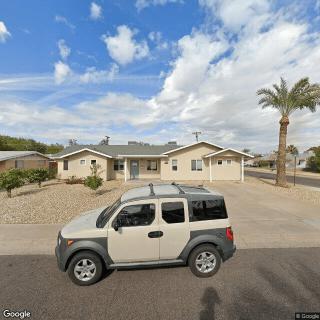

 When to Transition from Assisted Living to Memory Care: Key Indicators, Steps, and Finding the Right Community
 Assisted Living and Memory Care: Understanding Their Core Differences
 Beyond the Bingo Hall: 50+ Enriching Activities for Seniors in Assisted Living