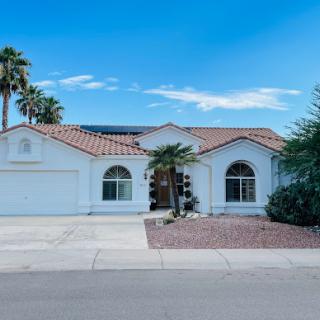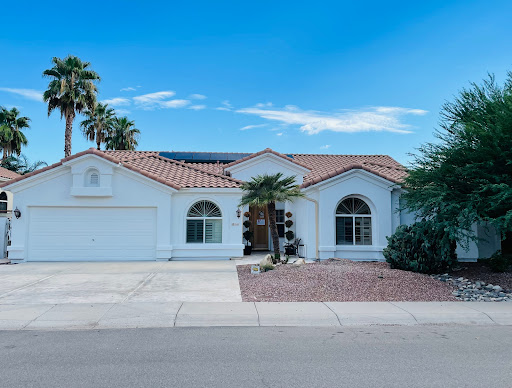
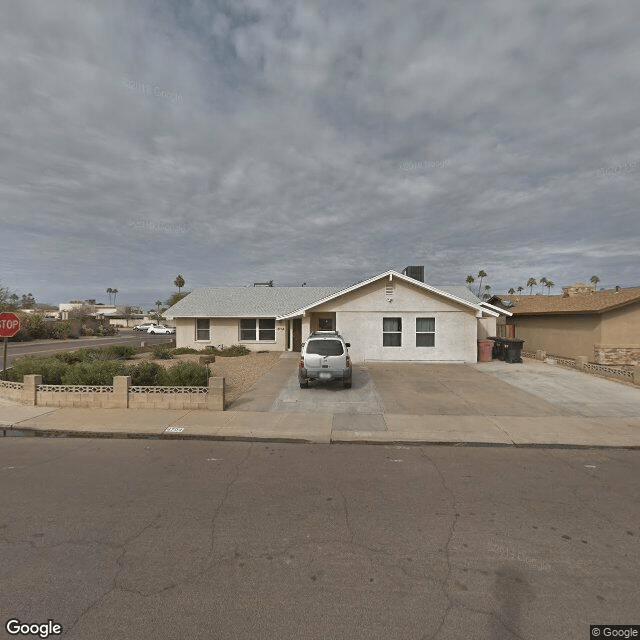
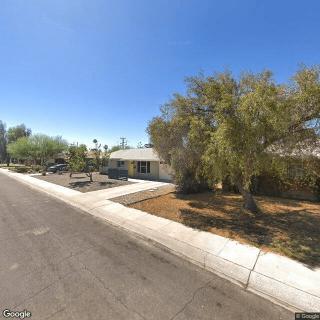
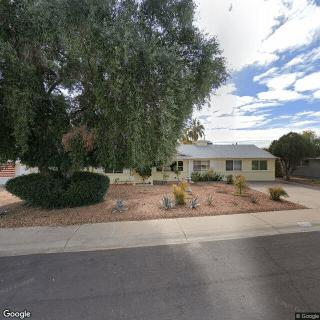
8704 East Amelia Avenue, Scottsdale, AZ 85251
For more information about senior living options: (866) 208-4318
Serene Valley Assisted Living Home Costs & Pricing
Serene Valley Assisted Living Home offers competitive pricing in comparison to both Maricopa County and the state of Arizona as a whole. For residents seeking semi-private accommodations, the monthly fee is $2,200, which is notably lower than the county average of $2,801 and the state average of $2,820. Those opting for private rooms can expect to pay $3,000 per month at Serene Valley, again below the county's average of $3,318 and Arizona's average of $3,345. Additionally, studio apartments are available for $3,800 monthly; while this is slightly above the state average of $3,829, it remains competitive with the county's higher average cost of $3,960. Overall, Serene Valley provides a cost-effective option for families seeking quality assisted living care in a supportive community setting.
| Floor plans | Serene Valley Assisted Living Home | Maricopa County | Arizona |
|---|---|---|---|
| Semi-Private | $2,200 | $2,801 | $2,820 |
| Private | $3,000 | $3,318 | $3,345 |
| Studio | $3,800 | $3,960 | $3,829 |
Memory care communities with a similar price nearby
-
from +$300 / mo

La Bella Vita ALH
$2,500 to $7,000 / month14.6 miles away -
from +$200 / mo
Golden Touch One Adult Care Home
$2,400 to $5,800 / month10.6 miles away -
from -$200 / mo
Santo Nino Villas 2
$2,000 to $2,300 / month14.6 miles away -
from -$200 / mo
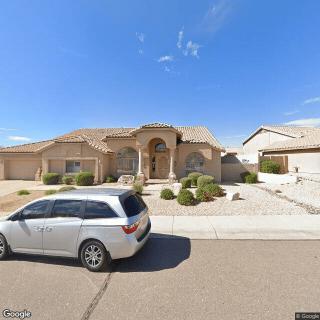
Tatum Ranch Assisted Living
$2,000 to $3,000 / month18.8 miles away -
from -$200 / mo
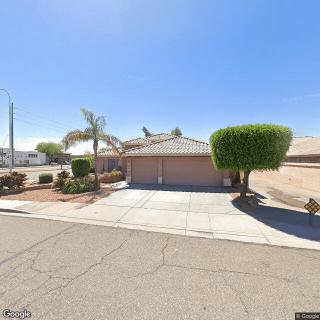
Angel's Adult Group Home
$2,000 to $3,000 / month14.0 miles away
Overall Review of Serene Valley Assisted Living Home
Pros
 The facility is clean, well maintained, and inviting.
- The staff are warm, compassionate, and patient with residents.
- Sergiu and Denisa are highly regarded for being awesome to work with.
- The care provided is excellent, with the staff described as genuinely caring people.
- The team feels like an extended family, offering support and positivity.
- End-of-life care is delivered with empathy, dignity, and selfless dedication.
- Families can visit easily and feel welcome and supported.
- Meals are prepared on-site with fresh ingredients, including homemade soups.
- The environment feels safe, comfortable, and conducive to residents’ well-being.
Cons
 The resident complains about the food.
- They contrasted this facility with other Alzheimer's facilities, which looked and smelled like warehouses for the dying.
Review
Serene Valley Assisted Living Home in Scottsdale is best suited for families seeking a highly personalized, intimate care environment where a small, close-knit team can tend to each resident like a family member. The 10-person home model supports seniors who benefit from predictable routines, hands-on supervision, and strong daily contact with caregivers. It shines for individuals who may need memory-care support, end-of-life care, or post-stroke recovery, where consistent staff attention and a warm, homelike atmosphere can matter as much as medical oversight. Families valuing accessibility, open communication, and a sense that their loved one is known and respected will find this community a rare fit.
Those who should consider alternatives are those who require a larger scale operation with extensive activity programming, formal memory-care specialization, or around-the-clock clinical staffing. If a resident needs a broad calendar of social events, diversified therapies, or more robust on-site nursing and medical services, a bigger community with dedicated memory-care wings or skilled-nursing capabilities may serve them better. Similarly, families seeking highly structured rehabilitation programs or extensive on-site specialty care should assess options beyond a small, home-style setting to ensure all medical and recreational needs are met.
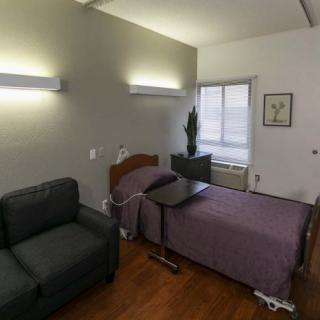
The strongest positives here are the caregivers and the home’s culture. Staff members are repeatedly described as warm, patient, and deeply devoted to residents’ wellbeing, with caretaking extending into meaningful daily acts, baths, dressing, feeding when necessary, and gentle, personal interaction that can lift mood and dignity. The owners, Sergiu and Denisa, are highlighted as accessible leaders who respond quickly to concerns and cultivate a sense of trust. The environment reinforces these strengths: a clean, inviting space with good lighting, reliable temperature control, and a layout that supports easy family visits, indeed, unannounced drop-ins feel welcome. The small size also enables staff to tailor activities and responsibilities to individual capabilities, including tasks residents can perform to stay engaged.
A key strength is the way care is integrated with family life, not isolated from it. Families report ongoing communication about changes in condition, proactive care planning, and empathetic support during difficult times. End-of-life care is described as compassionate and hands-on, with staff who grieve alongside families and treat residents with genuine respect. Residents with cognitive challenges or physical limitations benefit from staff who remain engaged rather than rushing through routines. The ability to adapt daily life, household duties that keep residents active, meals prepared in-house with fresh ingredients, and even the option to bring a beloved pet for comfort, further offsets any potential drawbacks of a smaller operation.
The few concerns that arise in reviews tend to revolve around expectations for broader programming or more formal medical infrastructure. Yet these are consistently outweighed by the demonstrated benefits: a tightly knit staff-resident relationship, ready accessibility for family inquiries, and a home environment that emphasizes dignity, safety, and personal attention. The presence of doctors visiting on-site and the ease with which families can check in provide practical safeguards that mitigate the absence of a larger clinical team. In short, the trade-offs favor a home-like, relationship-driven model when the priority is individualized care, not institutional scale.
For families weighing options, Serene Valley presents a compelling case as a first choice when the priority is intimate, compassionate care with transparent, continuous family involvement. Those who want their loved one to stay engaged in daily life, be treated with warmth, and have illness or end-of-life care managed with sensitivity should place this community at the top of the short list. Prospective residents should plan a visit, discuss how care plans would apply to specific medical needs, and confirm how daily activities would be tailored to their loved one’s capabilities. If a smaller, family-oriented setting with deeply devoted caregivers aligns with the senior’s needs, Serene Valley deserves serious consideration.
 10 resident community capacity
 Assisted Living
 Board and Care Home
 Memory Care
 Respite Care
 Activities on-site
 Air-conditioning
 Cable or satellite TV
 Dining room
 Full kitchen
 Fully furnished
 Garden
 Ground floor units
 Handicap accessible
 Housekeeping services
 Move-in coordination
 Outdoor space
 Private
 Telephone
 Wheelchair accessible showers
 Wi-Fi/high-speed internet available
 Phoenix Sky Harbor International (8 miles away)
 24-hour supervision
 Assistance with bathing
 Assistance with dressing
 Assistance with transfers
 Diabetes diet
 Diabetic care
 High acuity care
 Incontinence care
 Meal preparation and service
 Medication management
 Special dietary restrictions
 Transportation arrangement (medical)
 Transportation to doctors appointments
 BBQs or picnics
 Birthday parties
 Cards / pinochle club
 Current events club
 Karaoke
 Live dance or theater performances
 Live musical performances
 Resident band or musicians
 Stretching classes
 Walking club


 Engaging Memory Care Activities That Enhance Quality of Life
 When to Transition from Assisted Living to Memory Care: Key Indicators, Steps, and Finding the Right Community
 Understanding the Distinctions: Assisted Living and Memory Care Explained