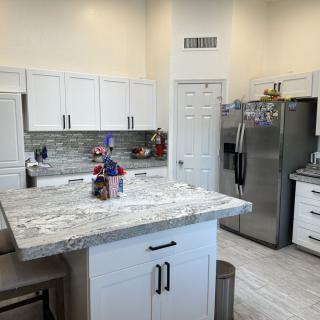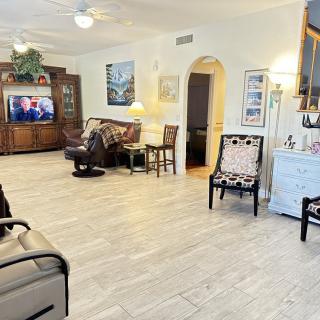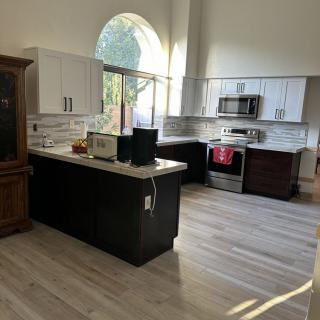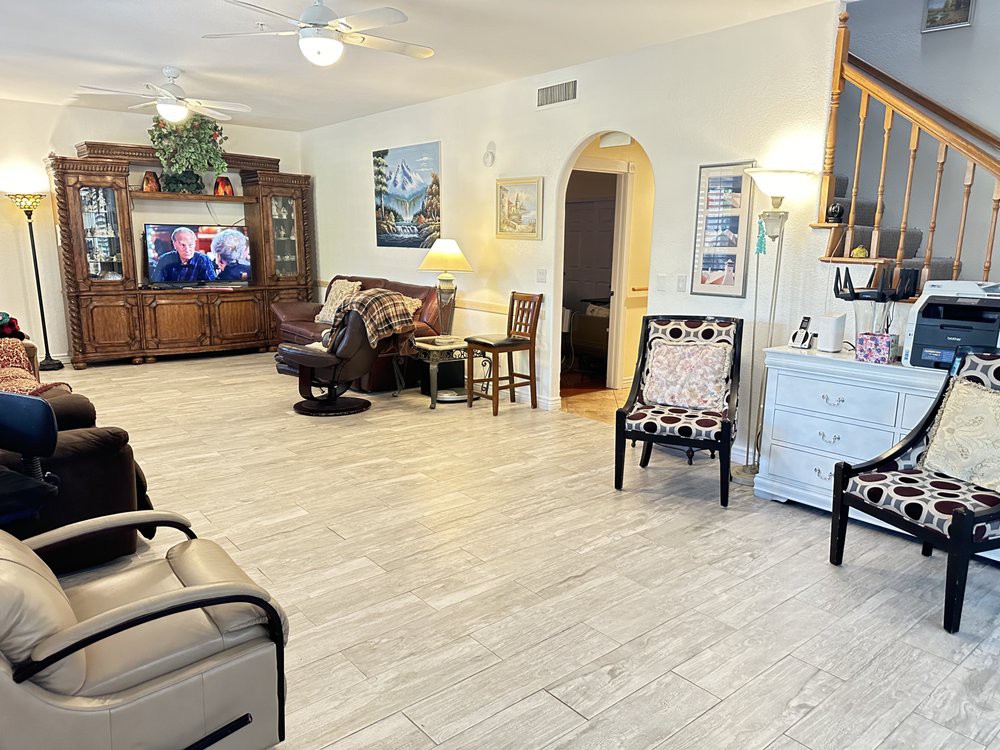
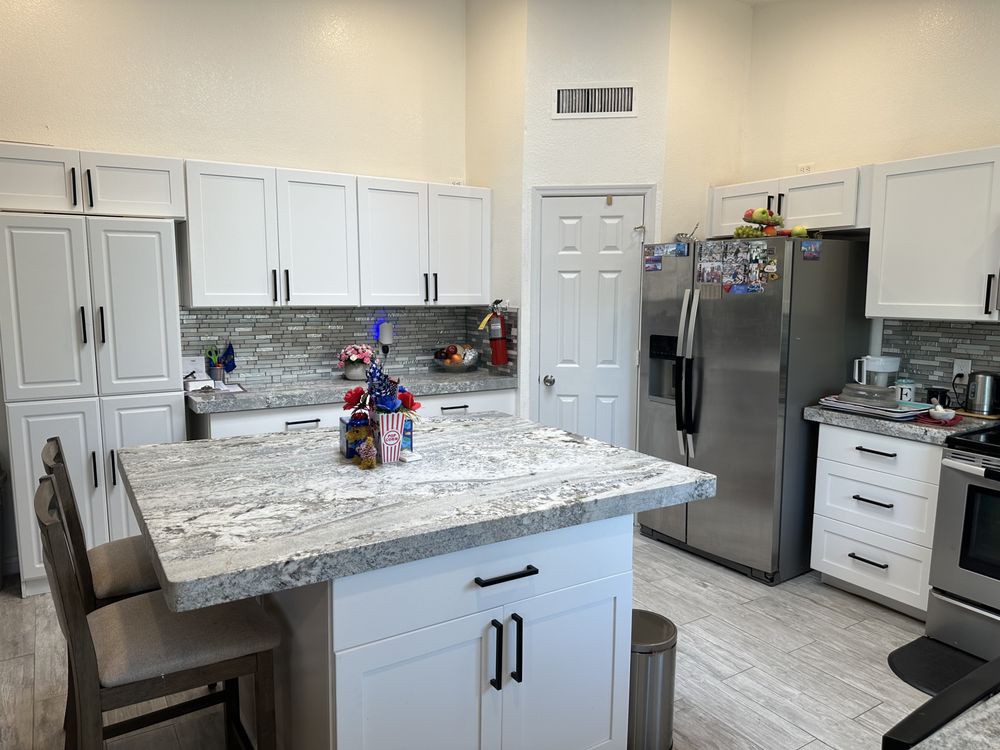
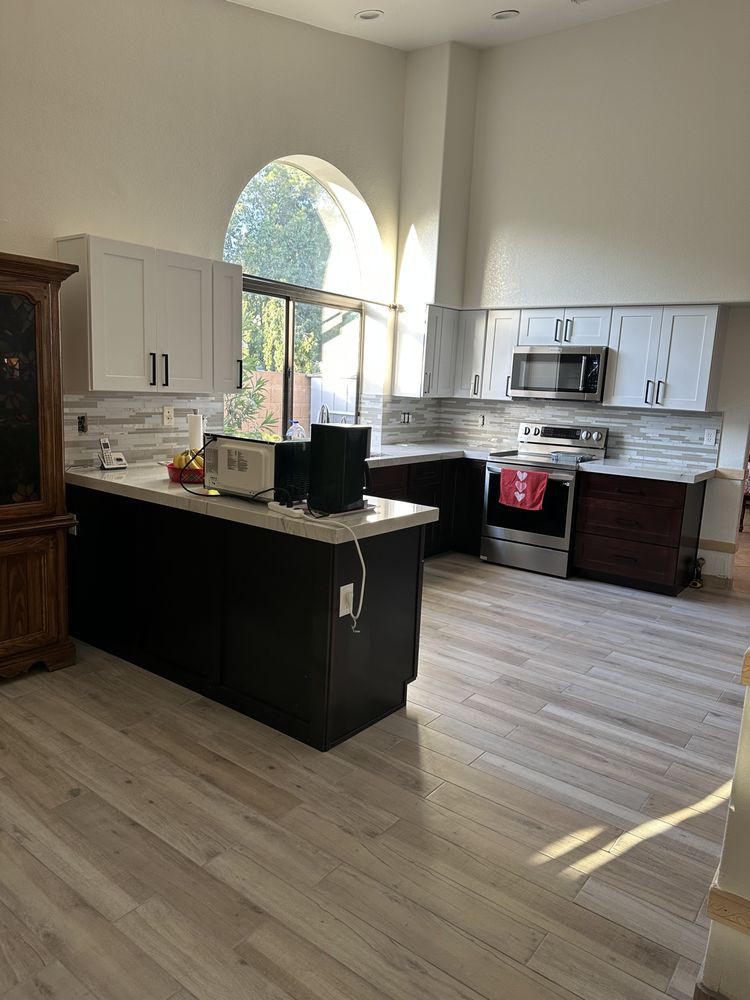
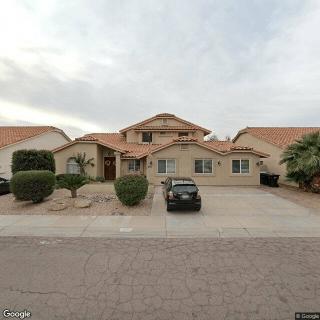
16212 North 55Th Place, Scottsdale, AZ 85254
For more information about senior living options: (866) 208-4318
Overall Review of Active Care Homes
Pros
 Active Care Homes' owners, George and Crina Gavrila, and their staff truly care about the well-being of those in their care.
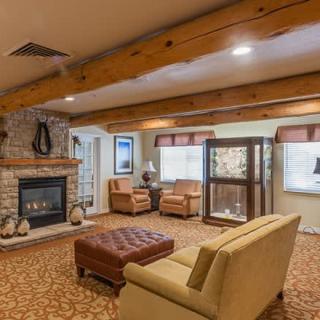
- The three homes offer a warm, inviting, home-like setting rather than a cold, impersonal environment.
- They stand apart from facilities that treat elder care as a money-making endeavor.
- The caregivers interact with residents on a personal level, earning the trust of visiting families.
- Active Care Homes provide relief and comfort to families by ensuring their loved ones are well cared for.
- The care provided is long-term and consistent, supporting residents for years.
Cons
 Other care facilities are described as nothing more than money-making endeavors.
- Other multi-bed facilities are portrayed as cold, impersonal, and antiseptic.
- The staff at those facilities are said to be often underqualified, overworked, and short on patience.
- It is presented as an unfortunate reality that immediate family cannot provide the level of monitoring and advanced care their loved ones require.
Review
Active Care Homes of Scottsdale is best suited for families seeking a small, intimately run care setting where added levels of support come with a warm, home-like atmosphere. The three single-family homes converted to care facilities create a personal, less institutional feel, which many families find essential when a loved one requires more supervision and assistance but still values daily familiarity. The owners, George and Crina Gavrila, are repeatedly described as genuinely invested in residents’ well-being, and their presence often translates into staff who know residents by name, routines, preferences, and milestones. This combination, local leadership, familial tone, and visible caregiver engagement, delivers a level of reassurance that can be hard to find in larger, more impersonal operations.
For families prioritizing scale, formal medical on-site resources, or broad, systematic programming, alternatives may be worth serious consideration. Larger, multi-bed facilities typically offer more extensive on-site medical staffing, a wider array of activities, and greater capacity to absorb high-acuity needs. Those requirements also tend to come with a more institutional feel and more standardized workflows. If the goal is a setting with hospital-grade equipment, frequent specialist access, or a full roster of planned engagement for every day, a bigger community could be a better match than a small home-based model like Active Care Homes.
The strongest positives, authentic care, a warm home atmosphere, and strong caregiver continuity, do a powerful job of offsetting the potential drawbacks of a smaller operation. Families repeatedly note that the owners’ hands-on approach anchors the care, with caregivers who demonstrate patience and personal attention. The long tenure of the mother in one family’s account (nearly four years) illustrates stability and trust, two critical factors when seeking ongoing supervision and comfort as a loved one’s needs evolve. In practice, this translates to less impersonality, more deliberate communication, and a sense of communal accountability that is hard to replicate in larger facilities.
Where the small size could pose challenges, those trade-offs are manageable for the right resident. The limited footprint of three homes implies tighter capacity and fewer on-site amenities than bigger communities. For some families, this may mean fewer activity options or a slower ramp for services if a resident’s care needs rise beyond what the home team can safely manage. Yet the testimonials imply that the residents’ daily rhythms, home-cooked-like meals, familiar surroundings, and the predictable cadence of attentive caregivers, often compensate by preserving dignity, autonomy, and relationship-driven care. The key is aligning expectations: the environment excels at intimate, personalized care rather than sweeping, facility-wide programming.
A practical decision framework emerges from these strengths and constraints. Active Care Homes is a compelling choice when the priority is peace of mind that stems from genuine caregiver investment and a setting that feels like home rather than a hospital. It is particularly well-suited for individuals who benefit from routine, predictable staffing, and meaningful interactions with staff who know their story. If independence needs are high, or if medical acuity demands require a more robust, institution-like infrastructure, alternatives with larger staff rosters and broader medical capabilities should be explored. Overall, the fit leans toward families who value trust, continuity, and a nurturing, small-community atmosphere over sheer scale.
Prospective families should approach with a focused visit. A tour provides the clearest read on caregiver interactions, residents’ comfort, and the degree to which owners are visibly involved in daily operations. In conversations with George and Crina, inquire about staffing ratios, how care plans are developed and updated, memory-care capabilities, and what happens if a resident’s needs escalate. Observe how caregivers communicate with residents and families, and assess whether the home’s pace and routines align with the loved one’s preferences. Taken together, these steps will reveal whether the intimate, relationship-driven model at Active Care Homes aligns with the specific care trajectory required.
 10 resident community capacity
 Assisted Living
 Board and Care Home
 Respite Care
 Cable or satellite TV
 Dining room
 Fully furnished
 Garden
 Housekeeping services
 Move-in coordination
 Outdoor space
 Telephone
 Wi-Fi/high-speed internet available
 Phoenix Sky Harbor International (14 miles away)
 24-hour supervision
 Activities of daily living assistance
 Assistance with bathing
 Assistance with dressing
 Assistance with transfers
 Diabetes diet
 Meal preparation and service
 Medication management
 Special dietary restrictions
 Transportation arrangement (medical)
 Transportation to doctors appointments


 Assisted Living Support for Veterans: A Complete and Detailed Overview
 Exploring the Contrasts Between Assisted Living and Skilled Nursing
 8 Key Indicators That Suggest It May Be Time to Transition from Assisted Living to Skilled Nursing Care