
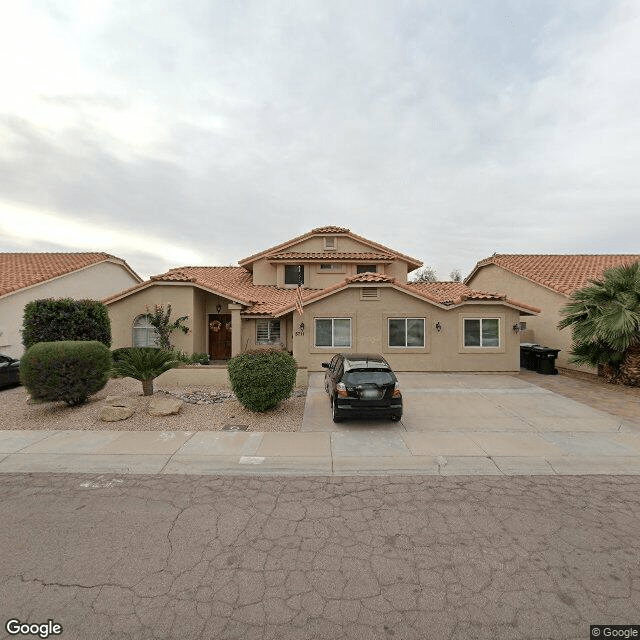
5711 E. Aire Libre Ave., Scottsdale, AZ 85254
To contact a resident: (480) 236-5646
For more information about senior living options: (866) 208-4318
Active Care Home II of Scottsdale Costs & Pricing
Active Care Home II of Scottsdale offers competitive pricing for its services compared to both Maricopa County and the broader Arizona state averages. For semi-private rooms, residents can expect to pay $2,500 per month, which is significantly lower than the county average of $2,801 and the state average of $2,820. Similarly, for those seeking more privacy, the private room rate at Active Care Home II stands at $3,000 per month, again offering savings against Maricopa County's average of $3,318 and Arizona's average of $3,345. This pricing positions Active Care Home II as an attractive option for families seeking quality care in a supportive environment while maintaining affordability within the local market.
| Floor plans | Active Care Home II of Scottsdale | Maricopa County | Arizona |
|---|---|---|---|
| Semi-Private | $2,500 | $2,801 | $2,820 |
| Private | $3,000 | $3,318 | $3,345 |
Senior living communities with a similar price nearby
-
from +$300 / mo

Pinnacle Peak Assisted Living
$2,800 to $3,100 / month5.0 miles away -
from +$125 / mo

The Eldercare Home Of Tempe
$2,625 to $3,412 / month18.2 miles away -
from +$450 / mo
Endeavor AL I
$2,950 to $4,200 / month1.4 miles away -
About the same
La Bella Vita ALH
$2,500 to $7,000 / month23.5 miles away -
from +$400 / mo
Royal Paradise Care
$2,900 to $3,800 / month22.6 miles away
Overall Review of Active Care Home II of Scottsdale
Pros
 The home is a great place for her mom.
- Carol and her husband are wonderful caregivers.
- Their kindness and support for her mom are greatly appreciated.
- Carrina, the owner, is sweet and understanding.
- Carrina made the transition for her mom very smooth and explained how it works.
- She welcomes everyone in and is thoughtful, gracious, and understanding.
- The place comes highly recommended for loved ones.
Review
Active Care Home II of Scottsdale is best suited for seniors who want a small, home-like setting with deeply personal attention from a tight-knit care team. The community reads as a family-run operation where the owner and long-time caregivers are highly involved in daily life, not merely supervising from a distance. Families pursuing a smooth, low-stress transition will find value in the clear, compassionate approach to onboarding and ongoing support. For residents who thrive on warm relationships, predictable routines, and a welcoming, almost concierge-level tone in care, this is a strong match. The emphasis on kindness and accessibility translates into meaningful days where residents are treated as individuals, not merely as tasks to complete.
Those evaluating options should consider alternatives if the situation calls for more clinical scale or specialized programming. A small, intimate home like this may not satisfy families whose loved ones require frequent nursing oversight, complex medication management, or a wide array of on-site therapies. In such cases, larger communities with dedicated clinical staff and broader service menus can offer the level of medical oversight some residents need. For families budgeting for future needs, it’s prudent to compare how a potential transition to more intensive care would be handled in a bigger setting versus the anticipated trajectory here.
The strongest selling points are the demonstrable strengths of the caregiving team and the admission process. Caregivers such as Carol and her husband are praised for their kindness and steady support, while Carrina, the owner, appears both sweet and understanding, with a talent for explaining how things work and easing the transition. These human factors create real trust and reduce the uncertainty that often accompanies moving a loved one into care. The ability to welcome families openly and to articulate daily operations helps residents settle in with a sense of security, which, in practice, often leads to calmer days and more cooperative routines.
This blend of compassionate staff and transparent operations effectively offsets the potential downsides of a smaller operation. When staffing is intimate and communication is clear, residents benefit from consistent, attentive oversight and faster responsiveness to concerns. The reviewer’s emphasis on a warm, gracious atmosphere signals a culture where residents are seen and cared for as people, not as numbers. While the text does not reveal notable drawbacks, prospective families should acknowledge the natural caveat: if needs evolve toward higher-acuity medical care, the speed and breadth of specialized resources may diverge from what larger facilities can offer.
Practical observation during a visit should center on staff-resident interactions, the ease of getting questions answered, and the overall cadence of daily life. Prospective families should inquire about caregiver-to-resident ratios at different times of day, how shifts are covered, and how the team coordinates medical concerns when they arise. Request a transparent walk-through of the daily schedule, meal planning, and safety routines to confirm that the calm, welcoming vibe described in the feedback remains consistent over time. Watching how staff articulate routines and how residents respond provides meaningful insight into future quality of life.
Bottom line: Active Care Home II of Scottsdale presents a compelling option for families seeking an intimate, person-centered home where staff become trusted advocates. It is less suited for those who require intensive clinical oversight, comprehensive medical programming, or specialized memory-care services on site. The decisive factor is fit: for a resident who values personal connections, straightforward transitions, and a consistently warm, attentive caregiving team, this community delivers. The strong interpersonal dynamics and clear communication model tend to drive daily happiness and safety, even as families weigh the trade-offs of scale. To move forward confidently, arrange a tour, request candid references, and probe how care plans would adapt if health needs change over time.
 Board and Care Home
 Private
 Respite or short term stays offered
 Phoenix Sky Harbor International (14 miles away)


 Ten Vital Duties of a Senior Caregiver: A Comprehensive Guide
 9 Stimulating Memory Activities for Seniors: Puzzles, Cards, and Much More
 Managing Nursing Home Expenses After Medicare Coverage Ends