
5248 East Marconi Avenue, Scottsdale, AZ 85254
For more information about senior living options: (866) 208-4318
Overall Review of Silver Bells Adult Care Home
Pros
 The care home is described as the best place for his father to stay, surrounded by amazing, loving, and kind people.
- The staff provide the best care and are the best people to take care of him, eliciting immense gratitude.
- The home is the best place for a loved one to stay, offering loving and compassionate end-of-life care.
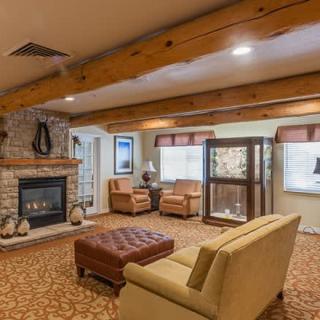
- Lucy runs the home with love and compassion; the home is spotless, odor-free, and feels like a true home.
- Lucy makes homemade soups and fresh baked desserts; residents are treated with dignity and respect, with their own bedrooms.
- The father-in-law is very pleased with the treatment his mother-in-law is receiving; the home feels warm and welcoming to visitors.
- Lucy is described as an angel on earth.
Review
Silver Bells Adult Care Home in Scottsdale is best suited for families seeking an intimate, home-like setting where daily care is highly personalized. It serves seniors who thrive with close, consistent caregiver relationships, a peaceful environment, and comfort-focused support rather than a large, institutional atmosphere. The model fits well for end-of-life or recovery timeframes, where dignity, regular routines, and a sense of being truly cared for matter most. Those needing robust medical supervision, dementia-specific programming, or extensive transportation and structured activities should consider alternatives. Larger assisted living communities, memory-care campuses, or facilities with on-site physicians and 24/7 nursing oversight typically address higher-acuity needs more effectively.
At the heart of Silver Bells is a caregiving team that families repeatedly describe as loving, patient, and respectful, with Lucy guiding operations. The environment is consistently clean and free of odor, reinforcing the home-like character. Residents experience daily routines that emphasize personal attention: clothes changed, light grooming, and meals shared in a warm, attentive setting. The combination of approachable staff and predictable rhythms helps residents feel secure and dignified, which in turn reduces family anxiety about ongoing care and the transitions that come with aging and illness.
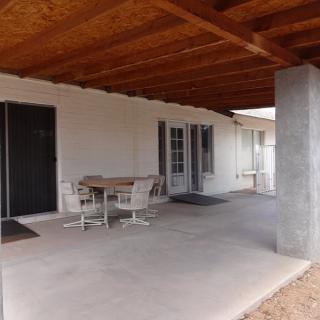
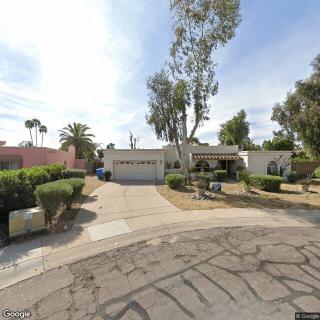
Visitors and families note the small scale and the sense of being in a true home. A ranch-style layout, homemade soups, and fresh-baked desserts contribute to nourishment and comfort that go beyond basic meals. Having a limited number of residents often means each person receives more one-on-one time, private bedrooms, and a quieter environment that supports memory and mood. The emphasis on dignity, respect, and personal autonomy is evident in everyday interactions, making it a compelling option for those seeking emotional reassurance during end-of-life care or steady aging in place.
Yet the intimate model does bring trade-offs. Capacity is inherently constrained, which can affect admissions timing and the ability to escalate care if medical needs intensify. Relying heavily on Lucy and a small staff creates a potential risk if staffing gaps or leadership changes occur. The care offerings appear focused on daily living and comfort rather than formal medical oversight, and there is no explicit dementia-program framework described. For residents requiring regular nursing interventions, wound care, IV therapies, or complex medication management on-site, alternatives with more comprehensive clinical support may be necessary.
These strengths offset the drawbacks for the right resident. The depth of personal attention, consistent routines, and a warm home atmosphere often translate into fewer behavioral or emotional stressors, smoother transitions, and greater perceived safety. The sense that caregivers know residents well enables quicker detection of subtle health changes and tailored care adjustments. In a setting where meals, grooming, and companionship are prioritized, families gain peace of mind that their loved one is not simply cared for but genuinely valued as a person. When medical complexity remains moderate and the priority is comfort and dignity, this model can outperform larger, more clinical options.
Overall, this community is a strong pick for families prioritizing intimacy, steady companionship, and dignified end-of-life or ongoing comfort care in a home-like setting. It is especially well suited for residents who benefit from individualized attention and the emotional security of familiar routines. Those requiring rigorous clinical oversight, dementia-specific programming, or a broader activity calendar should explore alternatives. Prospective families should visit to meet Lucy, tour the home, and observe daily care dynamics. Ask about caregiver-to-resident ratios, on-site medical capabilities, how care plans are coordinated with external providers, pricing inclusions, and the process for onboarding a new resident to ensure a precise match.
 10 resident community capacity
 Assisted Living
 Board and Care Home
 Cable or satellite TV
 Dining room
 Fully furnished
 Garden
 Housekeeping services
 Move-in coordination
 Outdoor space
 Telephone
 Wi-Fi/high-speed internet available
 Phoenix Sky Harbor International (14 miles away)
 24-hour supervision
 Activities of daily living assistance
 Assistance with bathing
 Assistance with dressing
 Assistance with transfers
 Diabetes diet
 Meal preparation and service
 Medication management
 Special dietary restrictions
 Transportation arrangement (medical)
 Transportation to doctors appointments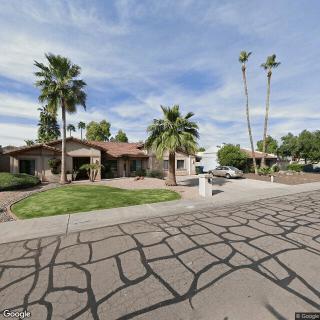




 Medicare Coverage for Assisted Living: An In-Depth Exploration
 Choosing the Right Senior Care: A Detailed Exploration of Assisted Living and Nursing Homes
 Understanding the True Cost of Assisted Living in 2025: A Comprehensive Guide