
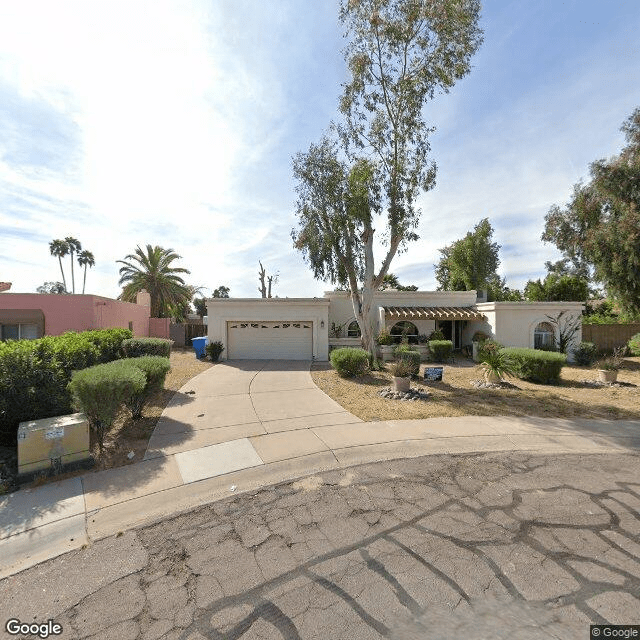
15640 N. 54th Way, Scottsdale, AZ 85254
To contact a resident: (602) 410-2191
For more information about senior living options: (866) 208-4318
Gentle Hearts Care Home LLC Costs & Pricing
Gentle Hearts Care Home LLC offers competitive pricing in the context of Maricopa County and statewide averages for assisted living. For a semi-private room, Gentle Hearts is priced at $4,000 per month, notably higher than both the county average of $2,801 and the state average of $2,820. Similarly, for a private room, Gentle Hearts charges $4,500 per month, which exceeds the county's rate of $3,318 and the state's average of $3,345. While these costs are above regional norms, they may reflect specialized services or amenities that enhance the quality of care provided.
| Floor plans | Gentle Hearts Care Home LLC | Maricopa County | Arizona |
|---|---|---|---|
| Semi-Private | $4,000 | $2,801 | $2,820 |
| Private | $4,500 | $3,318 | $3,345 |
Senior living communities with a similar price nearby
-
from -$350 / mo

SeniorBridge - Scottsdale, AZ
$3,650 / month4.7 miles away -
from -$300 / mo
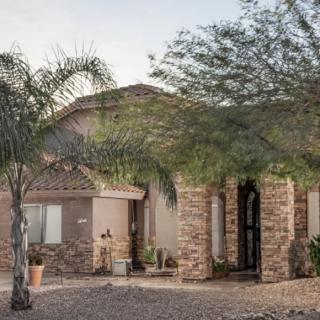
Endeavor AL III
$3,700 to $4,000 / month1.4 miles away -
from -$500 / mo

Endeavor AL II
$3,500 to $4,000 / month1.0 miles away -
About the same
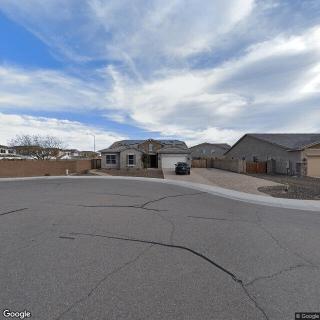
AZ Life Assisted Living Home II
$4,000 / month16.4 miles away -
from -$500 / mo

Legends Senior Living 2
$3,500 / month13.9 miles away
Overall Review of Gentle Hearts Care Home LLC
Pros
 The staff at Jade Royal are pretty good.
Cons
 They would not recommend Jade Royal to anyone seeking a care home.
- Jade Royal's staff are pretty good, but the owners are not so much.
- There are no activities.
- They refused to refund money as stated in the contract.
Review
Gentle Hearts Care Home LLC in Scottsdale is best suited for seniors who need steady, hands-on daily care in a small, home-like setting and who are not counting on a lively social calendar. It serves families that value reliable caregiver presence, predictable routines, and a calm, low-traffic environment where essential tasks, med management, meals, personal assistance, and safety supervision, are the focus. For residents who crave structured programming, frequent social opportunities, and a robust activity calendar, this community will fall short. In short, it prioritizes careful, quiet caregiving over enrichment and engagement.
Those considering alternatives should note that this option will frustrate families who place a premium on activity-based living and transparent financial practices. If meaningful social programming, proactive ownership accountability, or straightforward refund policies are important, it is wise to look elsewhere. The two reviews available skew negative toward leadership and policy matters, suggesting that the business side of care, contracts, refunds, and responsiveness from owners, may not meet expectations. For seniors whose happiness hinges on regular, engaging activities and clear, reliable terms, this is likely not the right fit.
On the upside, the caregiving staff is described as “pretty good,” a meaningful qualification in a setting where daily routine and safety matter most. Caregivers appear capable of delivering essential assistance without constant supervision, and their steady presence can promote a sense of security. In a home-care atmosphere, that steadiness reduces the risk of neglect and supports consistent care planning. When the resident’s needs are mainly basic, with an emphasis on dignity, respect, and reliable help with activities of daily living, the staff competence becomes a core strength that keeps the day-to-day experience from feeling neglected.
Yet the main drawbacks are substantial and hard to offset. The owners are described as not being “so much” in ways that erode trust and confidence, particularly around contract terms and refunds. A policy of refusing refunds, if accurately reflected, directly undermines the financial assurances families rely on when selecting care. The absence of structured activities and programming compounds the problem, leaving residents at risk of boredom, isolation, and missed cognitive stimulation. When the operational center of gravity is ownership behavior and program availability, basic caregiving stability alone cannot compensate for the long-term quality-of-life gap created by these gaps.
The positives and negatives here exist in a clear tension: competent caregivers meet daily needs, but the overall experience is undermined by limited social opportunities and questionable financial accountability. For families weighing the decision, the calculation should prioritize long-range quality of life. If enrichment, community engagement, and predictable contract terms matter deeply, the scales tip toward alternatives. If the resident’s best days are anchored in steady assistance and a quiet, familiar routine, with the willingness to forgo ongoing activities, this community can still deliver reliable daily care. The recommendation is pragmatic: proceed only with explicit assurances and a written plan that addresses activity availability and refund policies before committing, and remain prepared to explore other Scottsdale options if those assurances feel uncertain.
 Board and Care Home
 Activities off-site
 Beautician on-site
 Private
 Respite or short term stays offered
 Wheelchair accessible showers
 Phoenix Sky Harbor International (14 miles away)
 Diabetic care
 High acuity care
 Incontinence care
 Medication management




 Recognizing the Journey: Understanding and Navigating Anticipatory Grief
 Encouraging Participation in Adult Day Care: A Guide to Supporting a Hesitant Parent
 Comprehensive Exploration of Living Wills and Other Advance Directives