Residents and families repeatedly describe staff who are kind and quick to help.
Across many reviews, residents and visitors say the staff goes out of their way to be welcoming, polite, and attentive. Multiple reviewers mention specific front desk, activities, maintenance, and caregiving team members by name, describing help with transitions, day-to-day needs, and communication with families. Even when other parts of the experience were criticized, several reviews still say staff members tried to assist.
common30 reviews mention this
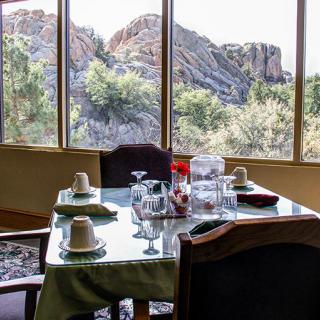
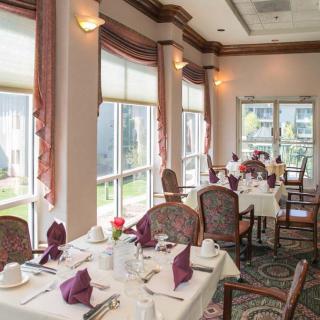
Restaurant-style dining and food
Dining is a standout feature, with residents describing consistently good meals.
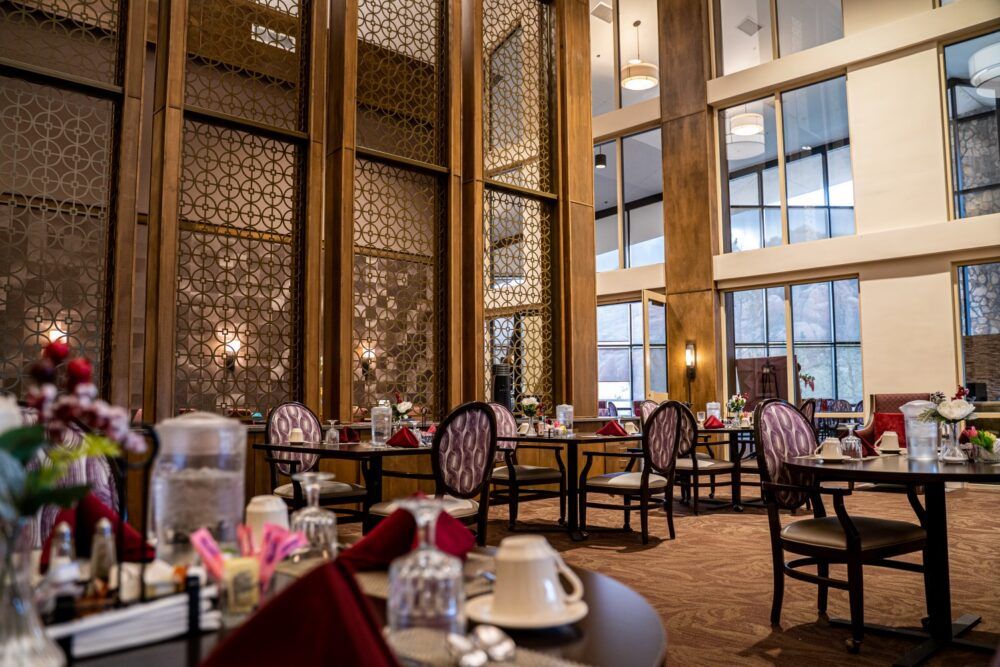
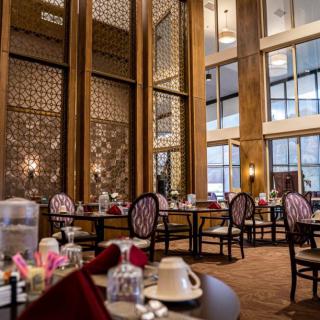
Many reviews praise the quality of the food, describing it as good, remarkable, or excellent, and several mention that diners can ask for more portions. Several reviewers also describe dining as a restaurant-style experience rather than cafeteria-style. A smaller number of reviews report dining problems such as cold food, missing menu items, or meals that weren’t as expected.
common20 reviews mention this
Activities and social engagement
There are plenty of activities that keep residents engaged.
Residents and visitors frequently mention ongoing activities, including group events, entertainment, and organized schedules inside and off-site. Several reviews describe weekly or recurring events like music or social gatherings, and others mention specific activity types such as exercise, arts and crafts, and discussion-style programs. A few reviews feel the activity programming was limited or less active than expected, but the overall tone is that there is usually something to do.
caveat10 reviews mention this
Care is a mixed bag
Some reviewers raise concerns about care reliability and staffing.
While many families describe good care and timely support, some reviews report serious issues such as residents being unattended, medication problems, or long waits for assistance. A few reviewers also say staffing was short or that the facility did not meet their expectations for supervision and responsiveness. These criticisms contrast with reviews that cite medication management support and safety features, which appear in the community’s care offering.
caveat8 reviews mention this
Pricing feels expensive for some
Cost is a recurring concern, with some reviewers calling it expensive.
Several reviews note that the community is pricey, including comments about rent increases and pricing that felt out of reach. Some reviewers still said it was worth it when compared to the level of service, while others said the cost didn’t match the experience they saw. The community’s offering includes multiple care levels and services, which may contribute to how pricing lands for different households.
How we summarize
Counts show how many written reviews mention each theme; a review can touch several themes, and only frequently mentioned themes are displayed.
Features
Housing
124 resident community capacity
1-bedroom apartments
2-bedroom apartments
Studio apartments
Types of Care
Assisted Living
Memory Care
Amenities
Air-conditioning
Beautician on-site
Beauty salon
Cable or satellite TV
Computer center
Dining room
Fitness room
Full kitchen
Fully furnished
Gaming room
Garden
General store
Guasts at mealtime
Guest parking
Housekeeping services
Kitchenette
Laundry
Move-in coordination
Outdoor space
Overnight guests
Party space
Private bathrooms
Private cleaning services
Resident parking
Respite or short term stays offered
Restaurant-style dining
Small library
Spa
TV room
Telephone
VA Benefits Consultation
Wellness center
Wi-Fi/high-speed internet available
Transportation
Community operated transportation
Transportation & parking
Transportation arrangement
Transportation arrangement (non-medical)
Transportation to doctors appointments
Care Services
12-16 hour nursing
24-hour call system
24-hour supervision
Activities of daily living assistance
Assistance with bathing
Assistance with dressing
Assistance with transfers
Diabetes diet
Meal preparation and service
Medication management
Mental wellness program
Mild cognitive impairment
Special dietary restrictions
Specialized memory care programming
Dining
Diabetes diet
Low / no sodium
Low fat
Special dietary restrictions
Vegetarian
Activities
Activities off-site
Arts and crafts
Book club
Community-sponsored activities
Concierge services
Cooking club
Educational speakers / life long learning
Fitness programs
Games
Gardening club
Live musical performances
Planned day trips
Religious services
Resident-run activities
Scheduled daily activities
Stories
Tai Chi
Wii bowling
Yoga / chair yoga
Languages Spoken
English
Nearby Places of Interest
Cafes
Starbucks (0.1 miles)
Panera Bread (1.4 miles)
Raven Cafe (1.9 miles)
Frannie's (2 miles)
Lone Spur Cafe (2 miles)
Wild Iris Coffee House (2.1 miles)
Starbucks (3.1 miles)
Physicians
Nationwide Vision (0.2 miles)
Creekside Center (1.2 miles)
Williams Eye Care Group (1.5 miles)
Miracle-Ear Hearing Aid Center (1.6 miles)
Medical Weight Solutions (1.6 miles)
Cosmetic Dermatology Associates of Prescott (2.1 miles)
Katherine Cheeves Md (2.2 miles)
Restaurants
Augie’s (0.2 miles)
Applebee's (0.2 miles)
McDonald's (0.2 miles)
Golden Corral (0.3 miles)
Bucky's Casino (0.6 miles)
Sheldon Street Gas & Grill (1.3 miles)
Lucy Dee’s BBQ (1.4 miles)
Theaters
Picture Show (0.3 miles)
Transportation
U-Haul Moving & Storage (0.5 miles)
Hospitals
US Veterans Medical Center (1 miles)
Leaving Yavapai Regional Medical Center (2.3 miles)
Yavapai Regional Medical Center ER (2.6 miles)
Places of Worship
Unity Church of Prescott (1.5 miles)
Prescott Christian Church (1.9 miles)
Temple B'rith Shalom (2.8 miles)
Arizona Church Conference Center-Chapel Rock (3.4 miles)
Granite Gate Senior Living's comprehensive features play a crucial role in enhancing the quality of life for residents with dementia or Alzheimer's disease. The 24-hour supervision ensures that residents receive constant support, fostering a safe environment where they can feel secure and cared for. Assistance with activities of daily living, such as bathing, dressing, and transfers, promotes dignity and independence while addressing their physical needs. Meal preparation and service are tailored to meet dietary requirements, ensuring proper nutrition is maintained. Medication management is vital for maintaining health stability, while the mental wellness program addresses cognitive health through engaging activities designed to stimulate memory and social interaction. For those experiencing mild cognitive impairment, specialized memory care programming offers targeted interventions that acknowledge their unique challenges, helping to enhance cognitive function and emotional well-being throughout their journey.
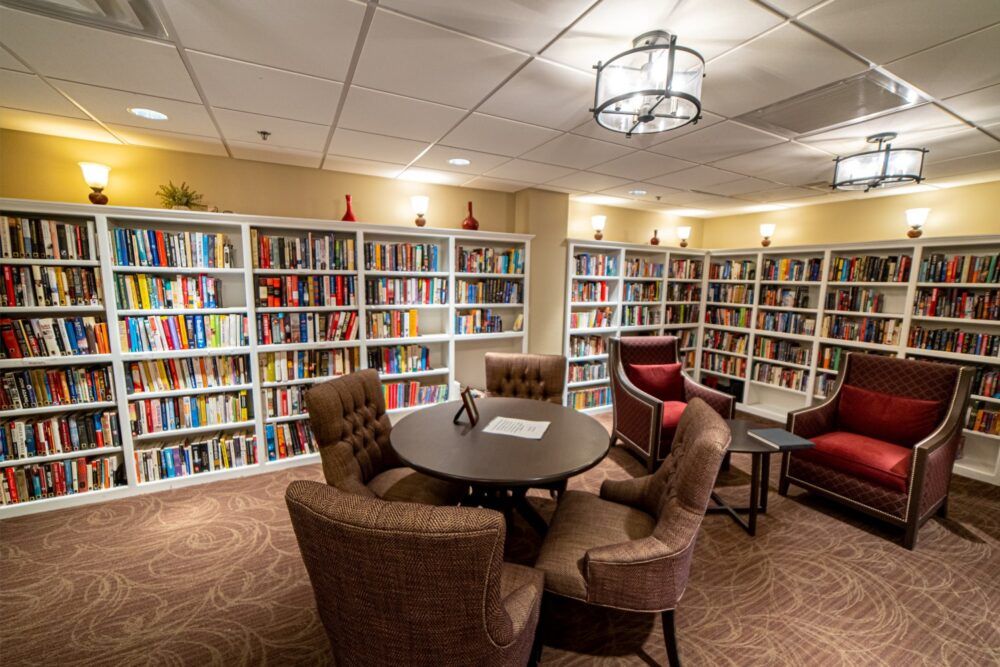
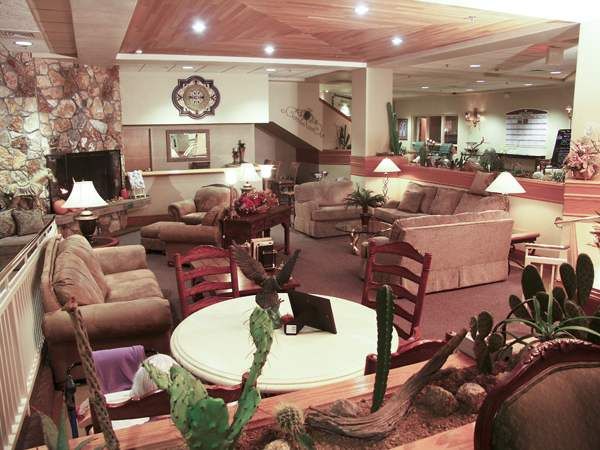
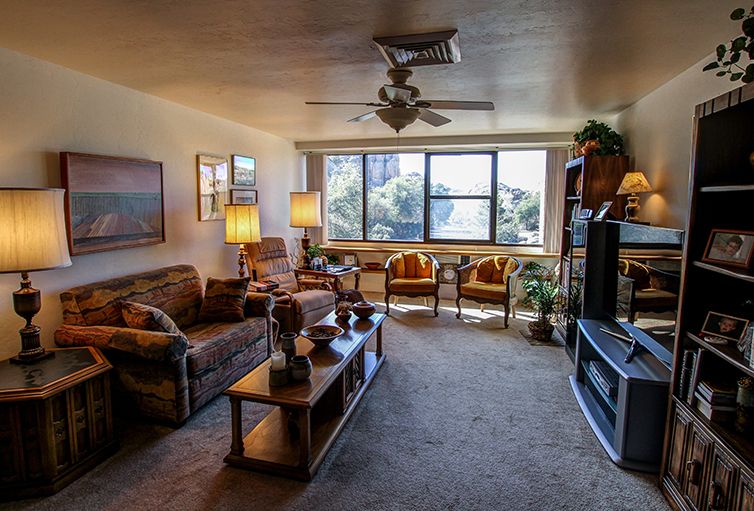
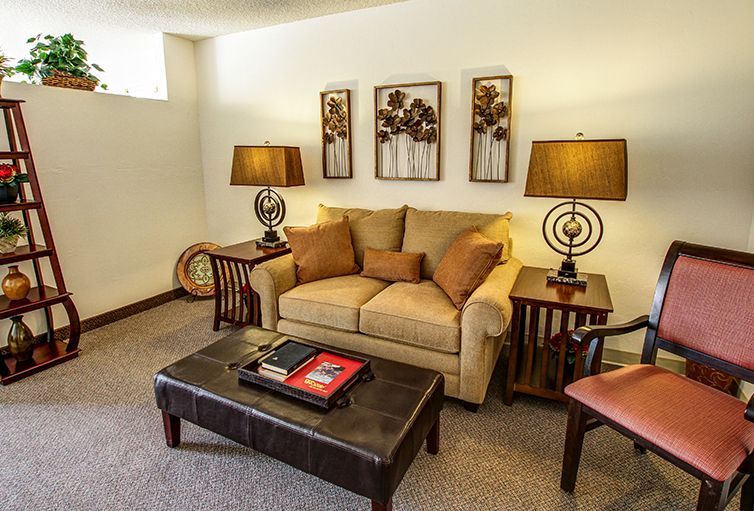
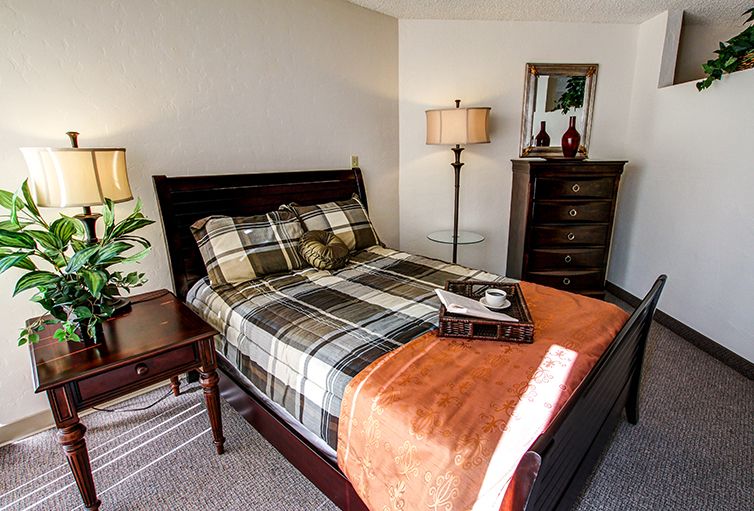
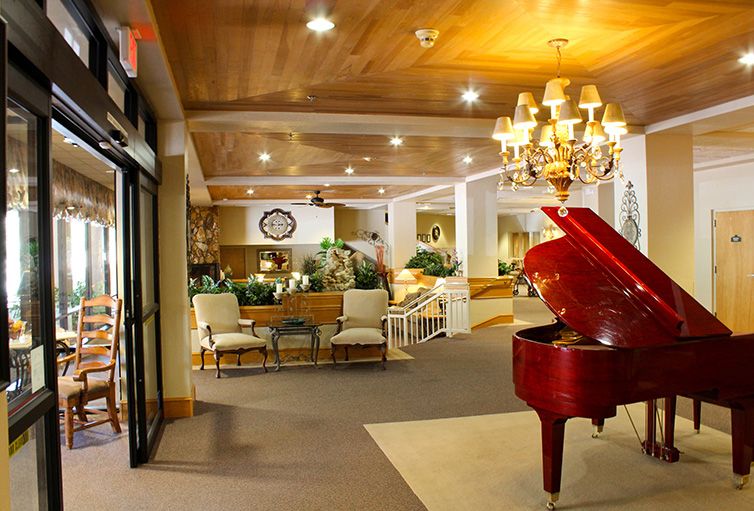
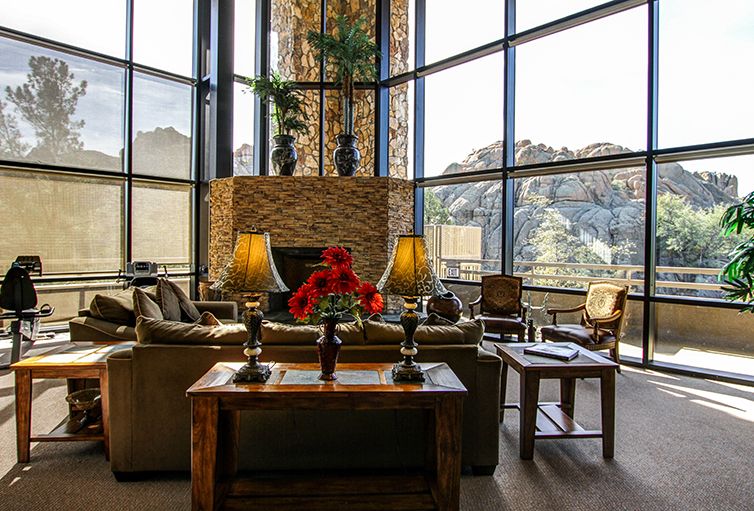
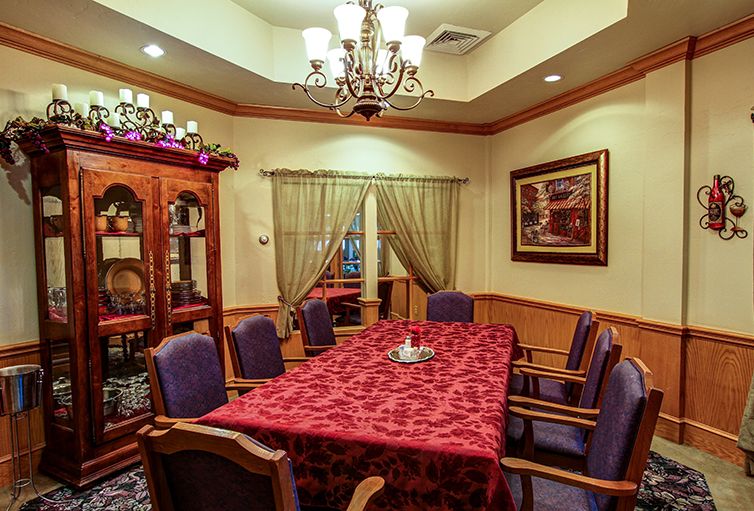
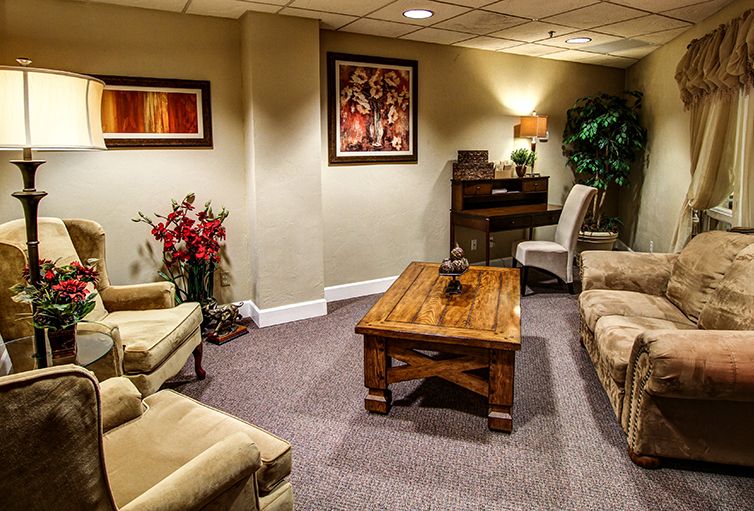
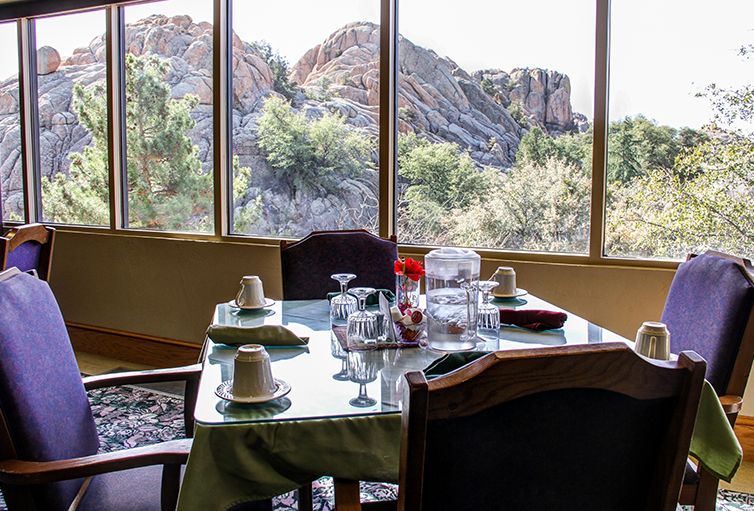
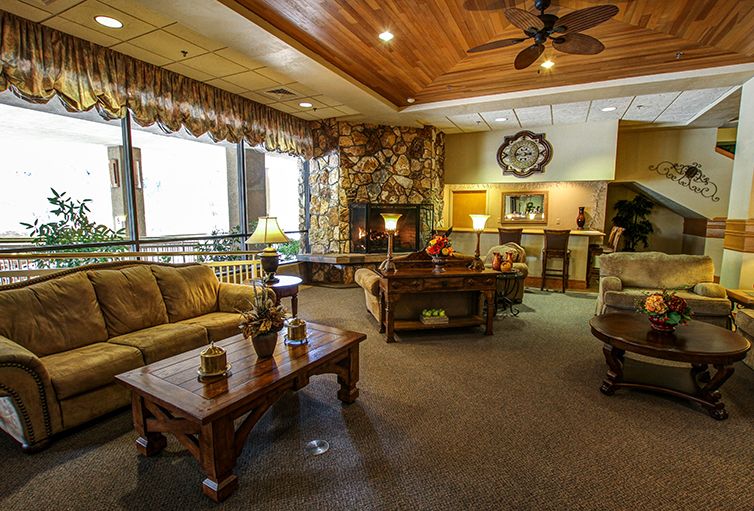
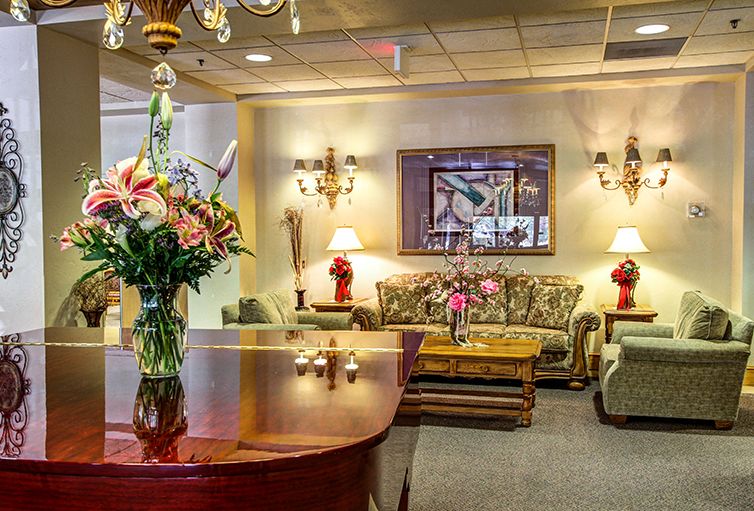
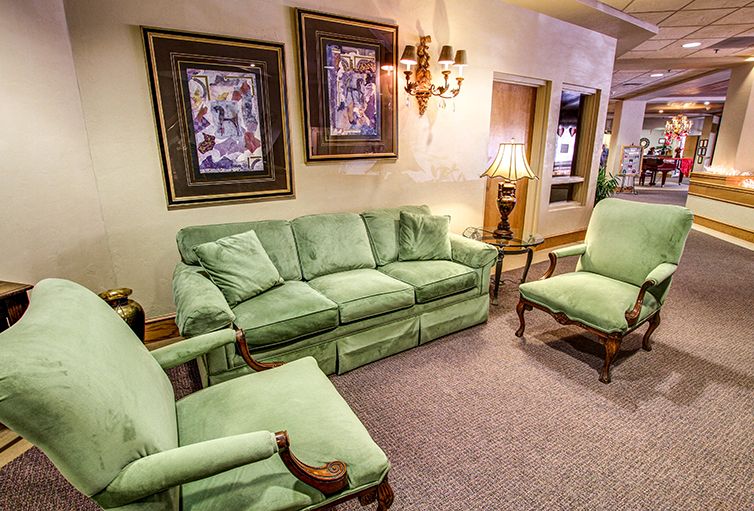
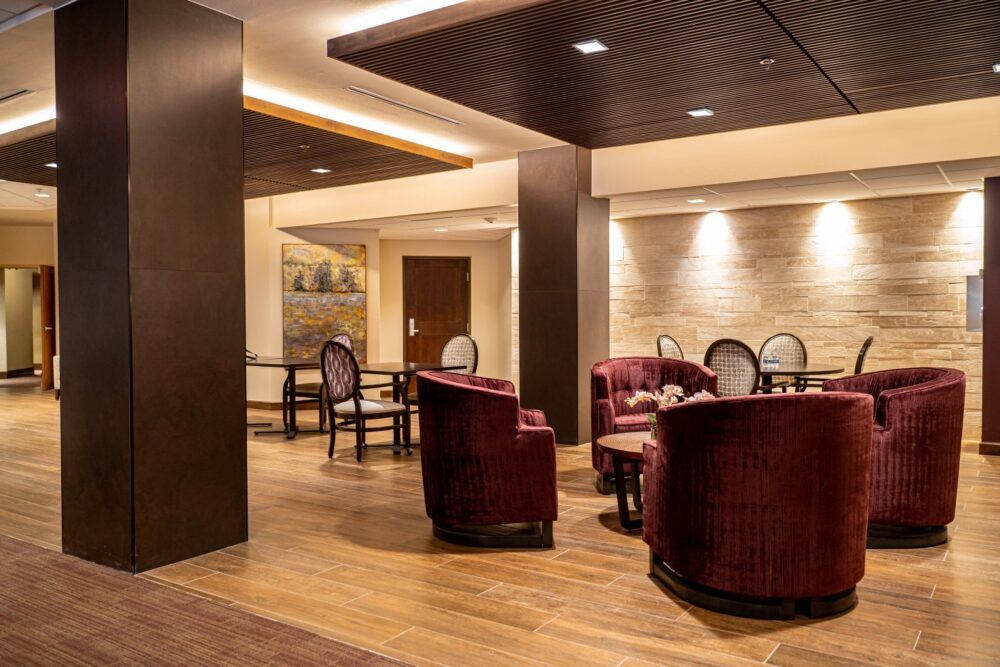
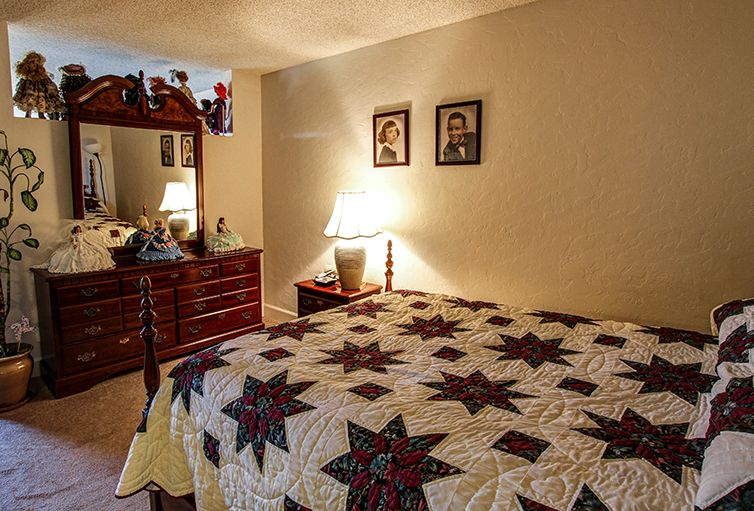
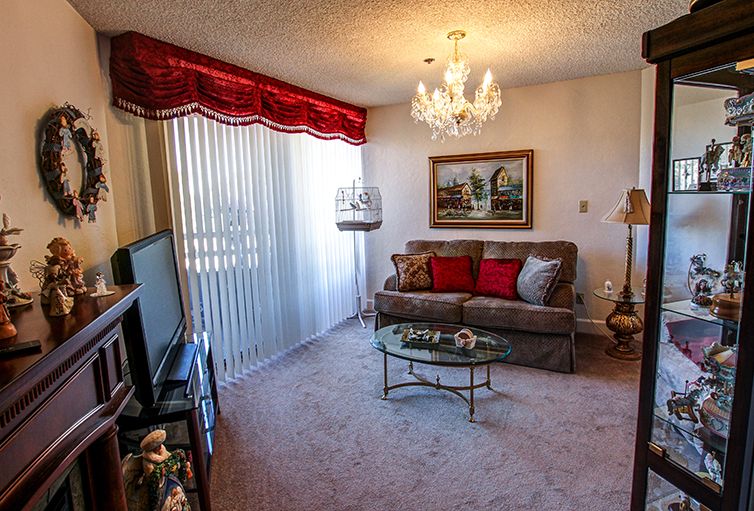
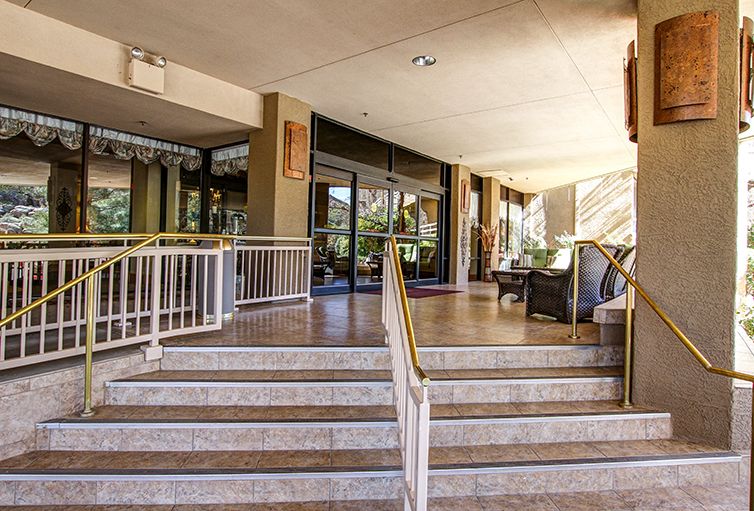
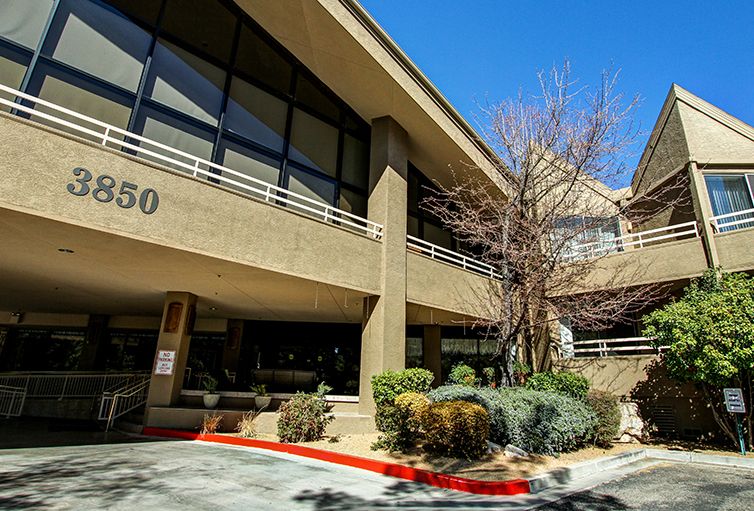
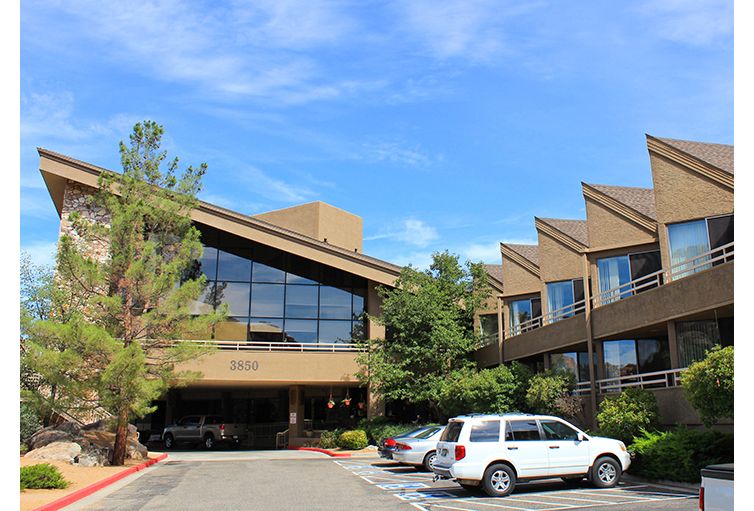
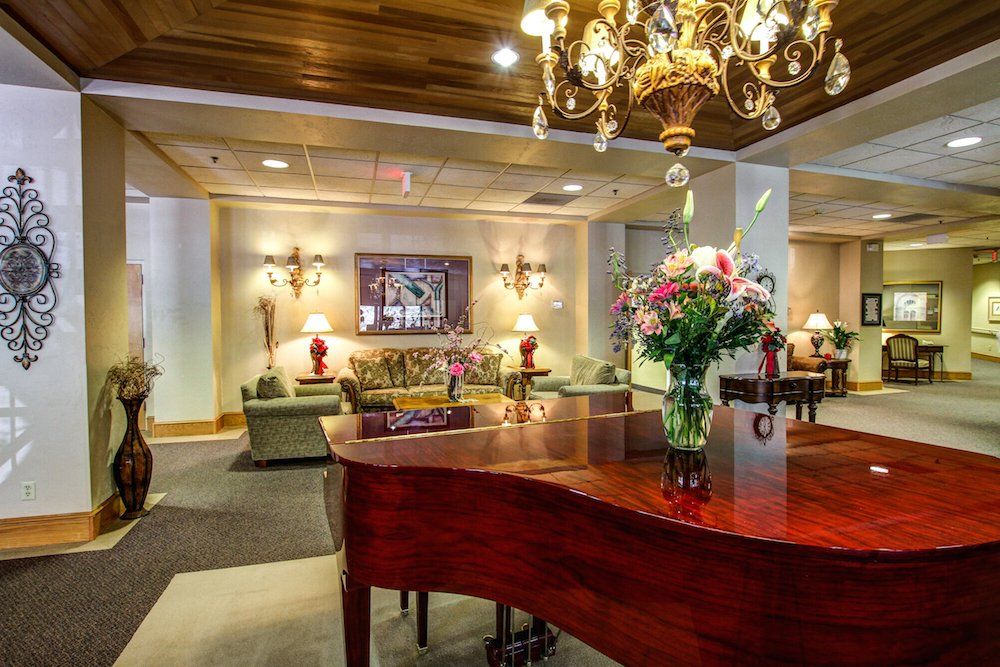
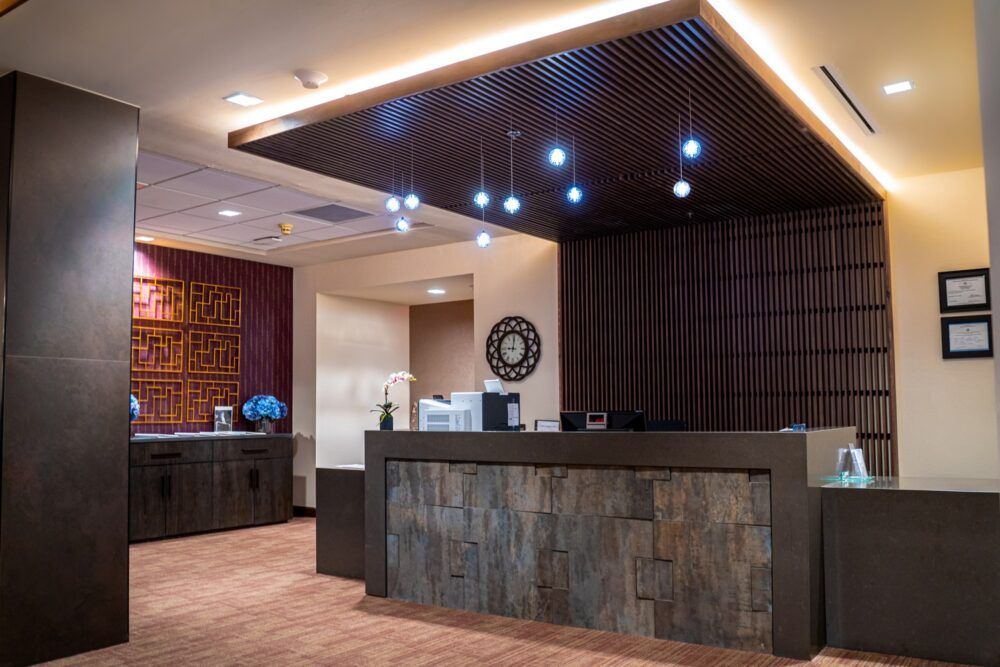
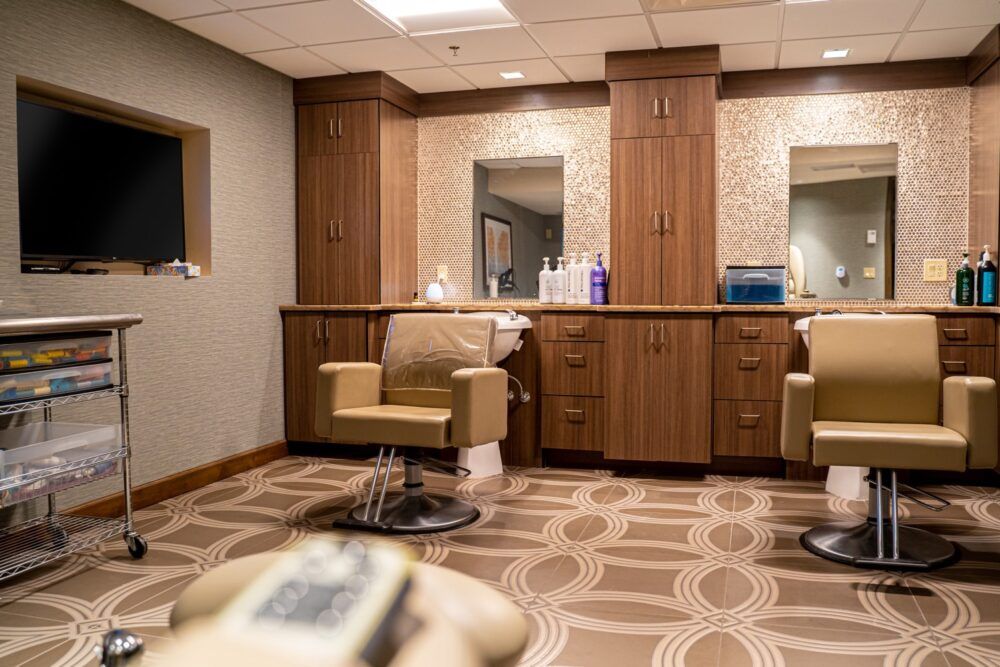
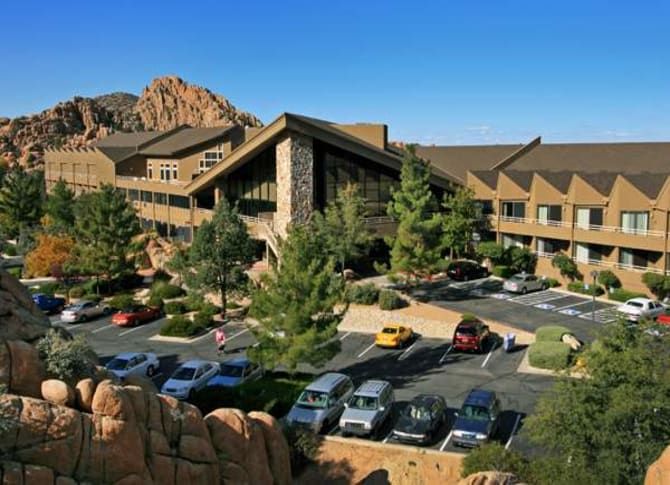
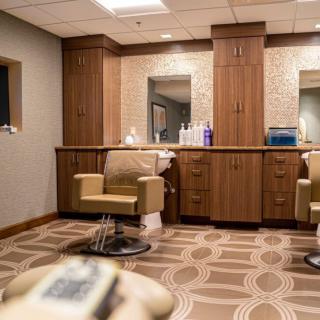
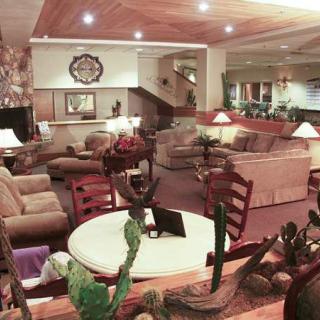
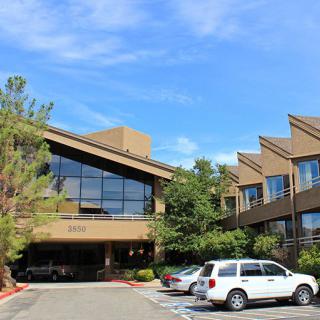
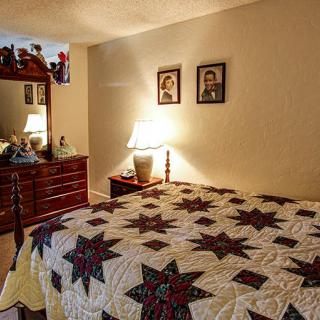
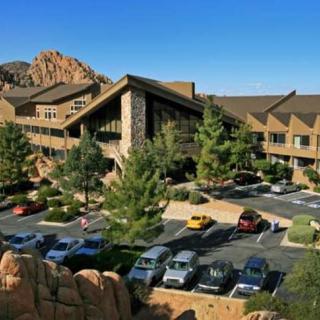
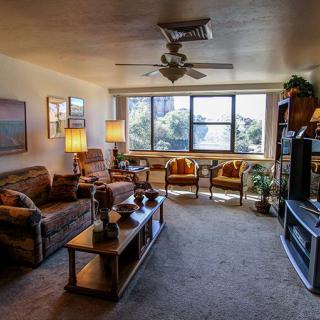
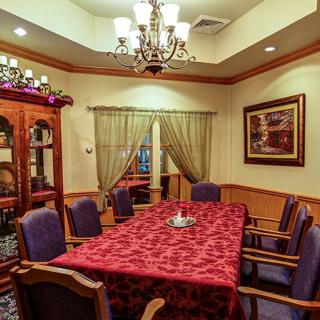
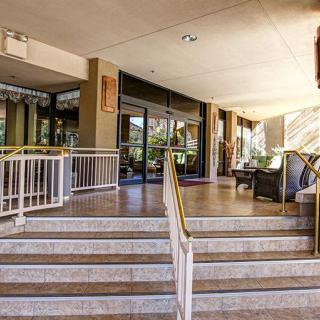
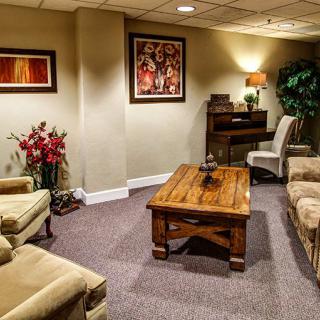
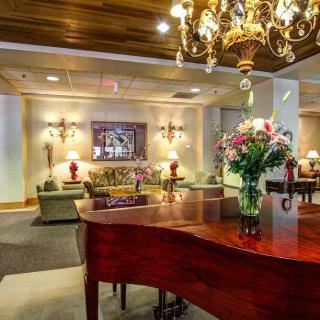
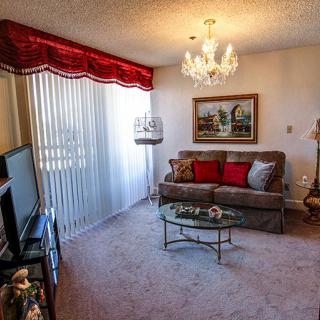
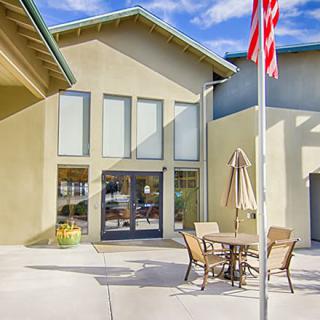
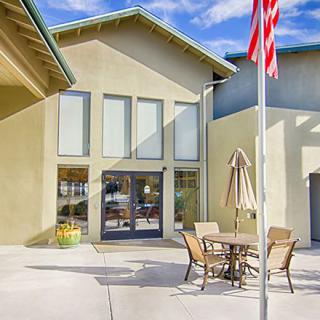
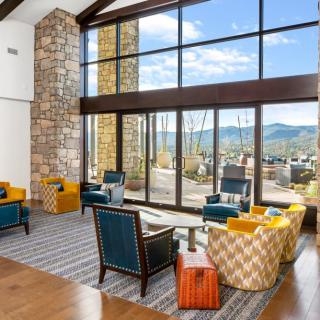
Granite Gate Senior Living on seniors.fyi includes 27 photos including images showing interior, living room, decor, windows, lobby, bedroom, dining, chandelier, and more.
Nearby Communities
Prescott Canyon Estates
Prescott, AZ
4.5 from 11 reviews
Modern facilities with personalized care and dietary accommodations in Prescott.
Canyon Retreat Mobile Home Pk
Prescott, AZ
4.1 from 43 reviews
Excellent access to amenities and healthcare nearby.
Beehive Life
Prescott, AZ
24/7 care with active programs and furnished apartments plus meals.
Evergreen Village Prescott
Prescott, AZ
4.3 from 81 reviews
$2,100 to $3,800 / month
Friendly, caring staff in a clean, active community with competitive pricing for the area.
Avista Senior Living Prescott
Prescott, AZ
4.1 from 22 reviews
Comprehensive assisted living with active programs and transportation.
Touchmark At The Ranch
Prescott, AZ
4.4 from 38 reviews
$3,500 to $4,550 / month
Broad range of care options (assisted, independent, memory care) with extensive amenities.
Las Fuentes Resort Village
Prescott, AZ
4.6 from 49 reviews
$2,620 to $4,085 / month
Beautiful grounds, spacious apartments, and a friendly, responsive staff with a strong activities and dining program.
Good Samaritan Society - Prescott Village
Prescott, AZ
4 from 20 reviews
Engaging activities with friendly, accommodating staff and comfortable casitas.
The Margaret T. Morris Center
Prescott, AZ
4.3 from 22 reviews
$4,585 to $7,100 / month
Memory-care specialization with dedicated, caring staff and a positive atmosphere.
Dementia encompasses progressive neurological disorders that impair cognitive functions and can lead to paranoia due to cognitive decline and emotional changes. The article discusses the triggers of paranoia in dementia, caregiver strategies for managing it, and the importance of distinguishing between dementia-related paranoia and other psychiatric conditions.
Memory care activities are essential for improving the quality of life of seniors with cognitive impairments, as they stimulate cognitive function, promote well-being, and encourage social interaction through tailored strategies. These activities combine structured exercises with spontaneous tasks, sensory engagement, physical workouts, creative pursuits, and intergenerational interactions to enhance emotional connection and a sense of purpose.
Transitioning from assisted living to memory care is driven by an individual's cognitive decline and specific needs, requiring careful evaluation of indicators like increased confusion and wandering. The process involves consulting medical professionals, researching suitable communities, considering financial and legal aspects, and ensuring effective communication for personalized care plans.
Outdoor Seating, Building Exterior, Stairs, and Handrail
Exterior
Salon and Mirrors
Natural Light
Bookshelves and Reading Area
Wall Art
Nature
Library
Piano
Office
Indoor Plants
Lounge
Dining Table
Lights and Reception Desk
Reception Area
Aerial View
Computers, Workspace, and Home Office
Traditional Decor and Quilt
Mountains
Cozy Atmosphere
Get PricingAsk A QuestionSchedule A TourContact Senior Advisor
By clicking submit, you agree to our Partner's Terms of Use. You
also consent to receive calls and texts, which may be autodialed, from our Partner. Your consent is not a condition to
using our Partner's service. Please visit our Partner's Privacy Policy for information about their privacy practices.





 124 resident community capacity
 1-bedroom apartments
 Assisted Living
 Memory Care
 Air-conditioning
 Beautician on-site
 Cable or satellite TV
 Computer center
 Dining room
 Fitness room
 Full kitchen
 Fully furnished
 Gaming room
 Garden
 General store
 Guest parking
 Housekeeping services
 Laundry
 Move-in coordination
 Outdoor space
 Overnight guests
 Party space
 Private bathrooms
 Respite or short term stays offered
 Restaurant-style dining
 Small library
 Spa
Spa Telephone
 VA Benefits Consultation
 Wi-Fi/high-speed internet available
 Community operated transportation
 12-16 hour nursing
 24-hour call system
 Activities of daily living assistance
 Assistance with bathing
 Assistance with dressing
 Assistance with transfers
 Diabetes diet
 Medication management
 Mental wellness program
 Special dietary restrictions
 Arts and crafts
 Book club
 Concierge services
 Cooking club
 Educational speakers / life long learning
 Games
Games Live musical performances
 Planned day trips
 Religious services
 Wii bowling
 English
 Modern facilities with personalized care and dietary accommodations in Prescott.
 Dementia, Paranoia, and Caregiver Guidance: Understanding the Connection
 Engaging Memory Care Activities That Enhance Quality of Life
 When to Transition from Assisted Living to Memory Care: Key Indicators, Steps, and Finding the Right Community