
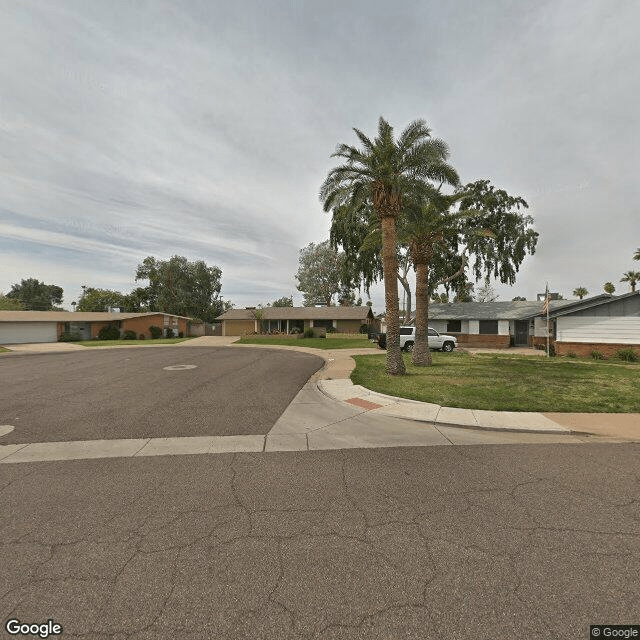
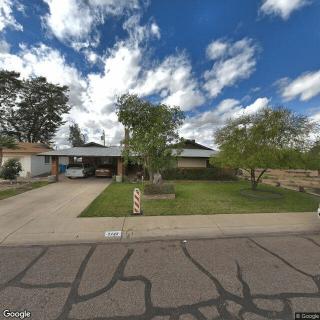
3137 West Lane Avenue, Phoenix, AZ 85051
For more information about senior living options: (866) 208-4318
West Lane Home Costs & Pricing
West Lane Home offers competitive pricing for its accommodations, with monthly costs designed to provide value in comparison to Maricopa County and the broader Arizona market. For a semi-private room, residents can expect to pay $2,500, which is notably lower than the county average of $2,801 and the state average of $2,820. Similarly, the private room option at West Lane Home is priced at $3,500; this is more affordable than both Maricopa County's average of $3,318 and Arizona's overall average of $3,345. These pricing advantages position West Lane Home as an attractive choice for those seeking quality care without compromising financial considerations.
| Floor plans | West Lane Home | Maricopa County | Arizona |
|---|---|---|---|
| Semi-Private | $2,500 | $2,801 | $2,820 |
| Private | $3,500 | $3,318 | $3,345 |
Assisted Living communities with a similar price nearby
-
from +$300 / mo

Pinnacle Peak Assisted Living
$2,800 to $3,100 / month16.0 miles away -
from +$125 / mo

The Eldercare Home Of Tempe
$2,625 to $3,412 / month17.7 miles away -
from +$400 / mo
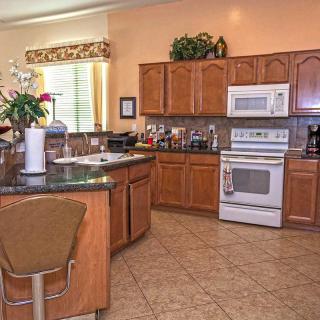
Royal Paradise Care
$2,900 to $3,800 / month13.7 miles away -
from +$350 / mo
Covenant Care Assisted Living Home
$2,850 to $3,705 / month16.5 miles away -
About the same
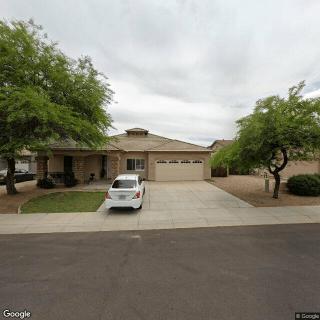
Anc Assisted Living Homes I
$2,500 to $3,500 / month19.5 miles away
Overall Review of West Lane Home
Pros
 The cleanliness of the community is an absolute 10; it is impeccable with no dust and no foul smells.
- There have been no complaints so far.
- The food served to residents is healthy and nutritious.
- The staff are very accommodating.
- They sometimes ask the resident if there is something he specifically wants and will make it for him with no issues.
Review
West Lane Home in Phoenix is best suited for seniors who prize an impeccably clean living space and meals that are both nutritious and adaptable to personal tastes. The environment appears designed to minimize daily irritants, dust-free surroundings, a lack of odors, and upkeep that feels meticulously managed. For residents who want independent living with dependable, flexible dining, this community offers a straightforward, reassuring daily rhythm. It clearly targets those who value hygiene and culinary responsiveness as foundational to quality of life, rather than a busy social calendar or intensive medical programming.
Those who require robust clinical care, memory support, or a highly structured activity schedule may want to consider alternatives. The available information centers on cleanliness and kitchen responsiveness; there are no details about care levels, staffing ratios, rehab services, or specialized programs. If price transparency, long-term care planning, or access to advanced medical or memory-care services are priorities, families should shop around and request specifics. In short, the community appears to excel at daily livability, but its fit for higher-acuity needs remains unproven in publicly shared feedback.
The standout positives, cleanliness, odor-free spaces, and a responsive dining operation, help offset potential concerns by delivering a stress-free, predictable backdrop for daily life. Impeccable hygiene reduces infection risk and supports a sense of safety and comfort, while nutritious meals that can be tailored to individual preferences enhance satisfaction and appetite. The ability to fulfill specific meal requests without issue addresses picky eaters and those with dietary restrictions, a meaningful advantage for long-term wellness. The absence of reported complaints suggests consistent, reliable service. Still, the lack of broader input means potential gaps in medical oversight or activity variety aren’t proven to be offset by these strengths.
The practical implication for families is a clearly navigable, low-friction environment that supports routine and dignity. For seniors who dislike dust, odors, or limited menu options, West Lane Home represents a tangible upgrade over many conventional facilities. The dining culture, healthy options with customization, adds a quality-of-life premium that can translate into steadier appetite and steadier mood. However, the absence of detailed information on social engagement, programming breadth, or transportation logistics means those areas require direct inquiry during visits to ensure they meet expectations.
To determine fit, prospective buyers should pursue targeted, concrete questions: what levels of care are available now and how do they scale; what exactly are the monthly costs and what is included; who prepares meals and how are special diets managed; is a trial or short-term stay feasible; and how quickly can staffing adapt to changing needs. Tours should include a hands-on cleanliness check, an assessment of kitchen hygiene, and a test of dining staff responsiveness to requests. A candid comparison with other Phoenix-area options will reveal whether the pristine environment truly pairs with the necessary care and community life for the resident’s situation.
Overall, West Lane Home presents itself as a compelling option for seniors who prioritize a pristine setting and culinary flexibility, especially when care needs are moderate and social programming aligns with expectations. It is less suited for families seeking comprehensive memory care, aggressive rehabilitation services, or highly structured, immersive programming. Given the single-review basis, due diligence remains essential: gather multiple perspectives, clarify pricing, and verify care capabilities to ensure alignment with medical, social, and financial objectives. When those criteria are satisfied, this community can offer a comfortable, consistent home that emphasizes cleanliness and dietary responsiveness as its core strengths.
 5 resident community capacity
 Assisted Living
 Board and Care Home
 Respite Care
 Activities off-site
 Air-conditioning
 Cable or satellite TV
 Dining room
 Fully furnished
 Garden
 Housekeeping services
 Indoor common areas
 Move-in coordination
 Outdoor common areas
 Private
 Private bathrooms
 Telephone
 Wheelchair accessible showers
 Wi-Fi/high-speed internet available
 Phoenix Sky Harbor International (11 miles away)
 24-hour supervision
 Ambulatory care
 Assistance with bathing
 Assistance with dressing
 Assistance with transfers
 Diabetes diet
 Diabetic care
 High acuity care
 Incontinence care
 Meal preparation and service
 Medication management
 Special dietary restrictions
 Transportation arrangement (medical)
 Transportation to doctors appointments
 BBQs or picnics
 Birthday parties
 Day trips and outings
 Live dance or theater performances
 Live musical performances
 Trivia games
 Wii bowling


 When to Transition from Assisted Living to Memory Care: Key Indicators, Steps, and Finding the Right Community
 Assisted Living and Memory Care: Understanding Their Core Differences
 Beyond the Bingo Hall: 50+ Enriching Activities for Seniors in Assisted Living