
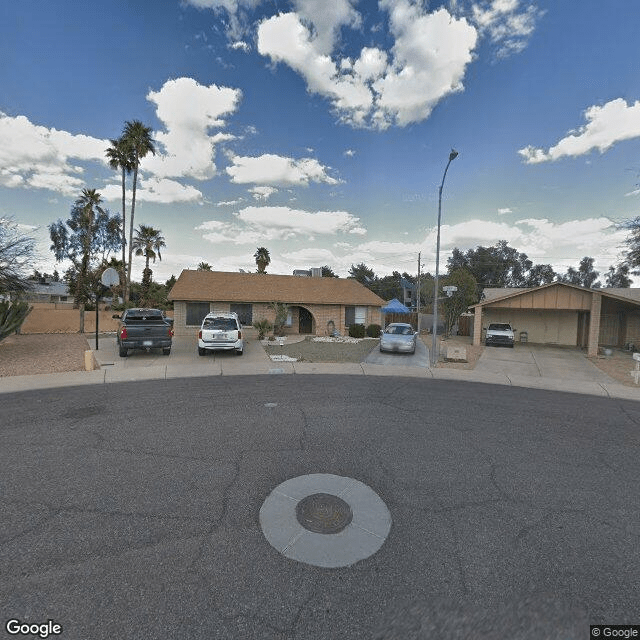
17825 N. 27th Dr., Phoenix, AZ 85053
To contact a resident: (602) 298-6546
For more information about senior living options: (866) 208-4318
Valentina's Adult Care Home Costs & Pricing
Valentina's Adult Care Home offers a competitive monthly rate for its private rooms, priced at $1,700. In comparison, the average cost for similar accommodations in Maricopa County stands significantly higher at $3,318, while the overall state average in Arizona is even more elevated at $3,345. This pricing strategy positions Valentina's as an appealing option for families seeking quality care without the burden of excessive costs typically associated with adult care facilities in the region. The substantial difference in pricing not only highlights Valentina's commitment to affordability but also reflects positively on its value proposition within the local market.
| Floor plans | Valentina's Adult Care Home | Maricopa County | Arizona |
|---|---|---|---|
| Private | $1,700 | $3,318 | $3,345 |
Senior living communities with a similar price nearby
-
from +$245 / mo

Home Instead - Fountain Hills, AZ
$1,945 to $3,525 / month22.5 miles away -
from +$300 / mo
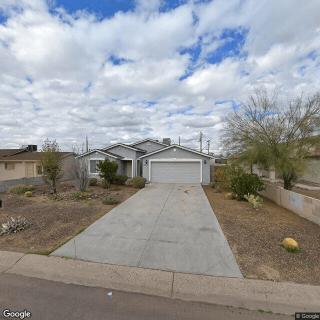
Garcia's Assisted Living Home LLC
$2,000 / month17.5 miles away -
from +$300 / mo
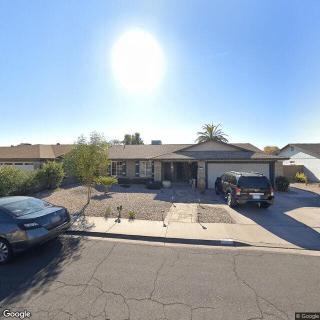
Martha Bonilla Care Loving Home
$2,000 to $2,200 / month24.7 miles away -
from +$300 / mo
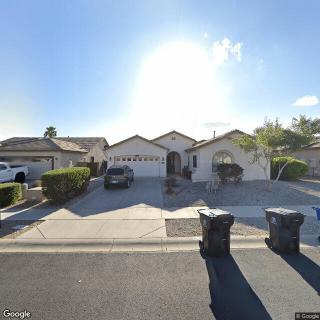
All Stars Assisted Living
$2,000 to $2,500 / month17.5 miles away -
from +$300 / mo
Genesis Assisted Living Care Home
$2,000 to $2,500 / month11.4 miles away
Overall Review of Valentina's Adult Care Home
Cons
 There are really no activities at this facility.
- The menu is terrible and not healthy or balanced.
- They would not recommend this place.
Review
Valentina's Adult Care Home in Phoenix is best suited for residents who prioritize a small, home-like environment over access to structured activities and high-quality meals. The available feedback suggests this facility may appeal to individuals who are comfortable with a minimalist social calendar and who do not rely on the care setting for regular programming or nutrition oversight. In practice, families evaluating options by-the-book should not expect vibrant activity calendars, on-site engagement programs, or nutritionally sound menu planning to be part of the daily routine here.
Those who should seriously consider alternatives include families seeking robust social opportunities, consistent healthful dining, and active staffing support. Prospective residents who require regular, supervised activities, cognitive stimulation, or therapeutic meals will likely find this community lacking. Likewise, if dietary management, menu variety, and nutrition education are non-negotiable priorities, this home falls well short. For seniors who benefit from an active calendar, companionship during the day, or monitoring that aligns with medical or dietary needs, other licensed settings will deliver more reliable value.
In evaluating the balance of strengths and weaknesses, the absence of documented benefits in the available feedback is striking. The purported “pros” do not materialize in the reviews, leaving the main drawbacks, no meaningful activities and a menu described as unhealthy and unbalanced, unmitigated. Without observable compensating advantages, any potential comfort of a smaller, residential setting does not offset the risks of social isolation and poor nutrition. This creates a clear decision edge toward facilities that can demonstrate tangible programming options and nutritious, varied meals.
For families considering a tour, concrete questions should be prioritized. Request a current activity schedule, including daily programs, outings, and guest presenters. Inspect the dining setup: who plans meals, how dietary needs are accommodated, and whether meals rotate to prevent repetition. Observe staff availability during peak hours and ask about supervision for residents requiring reminders to take medications or to stay engaged. If possible, review recent resident outcome data, including weight, hydration, and incident reports, to gauge ongoing care quality beyond surface impressions.
The practical takeaway is decisive: this community is not a strong fit for anyone who cannot accept minimal programming and questionable meal quality as the baseline. Unless budget constraints, a preference for a very small, quiet environment, or a caregiver’s plan to supplement activities and nutrition externally is the guiding factor, families should look elsewhere. Strong candidates will prioritize facilities with active engagement calendars, chef-driven or nutrition-focused menus, and transparent staffing patterns that support daily well-being and social connection.
In summary, Valentina's Adult Care Home should be approached with caution. The verdict hinges on whether the resident’s needs align with scarce on-site programming and subpar dining. For most families, the recommended path is to pursue other Phoenix-area options that offer structured activity schedules, balanced menus, and reliable, visible care oversight. This approach protects against social isolation and nutritional neglect, while preserving the chance to find a setting that truly supports ongoing independence and wellness.
 Board and Care Home
 Private
 Phoenix Sky Harbor International (16 miles away)
 Home-like board and care with personalized daily living support and respite care.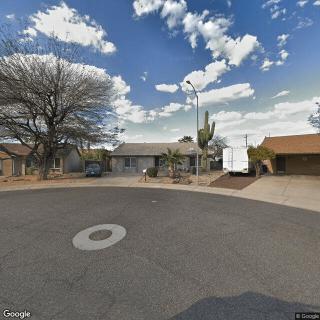


 8 Essential Assistive Devices for Older Adults
 Navigating the Financial Road to Nursing Home Care: In-Depth Guidance and Resources
 Supportive Employee Benefits That Help Caregivers Attain Better Work-Life Harmony