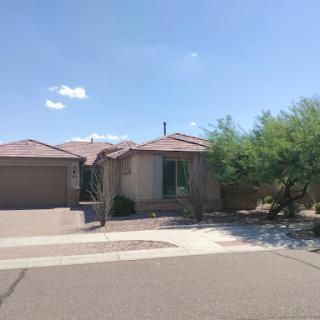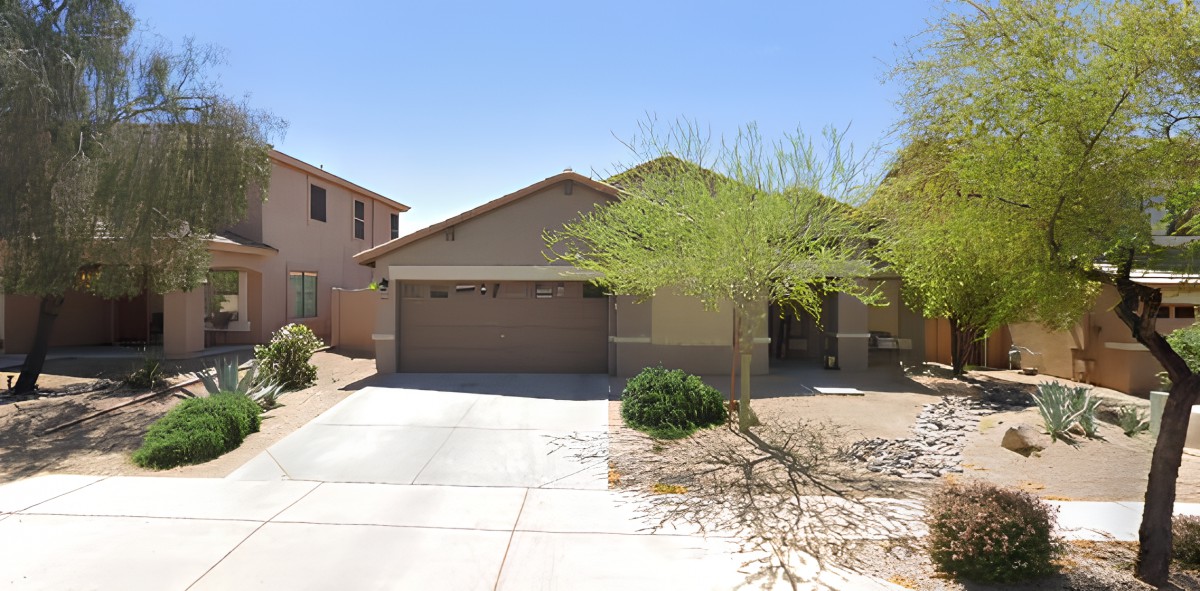
Tramonto Desert Rose Assisted Living in Phoenix, AZ

Save
Tramonto Desert Rose Assisted Living

Tramonto Desert Rose Assisted Living in Phoenix, AZ

Information last verified:

2405 West Florentine Road, Phoenix, AZ 85086

For more information about senior living options: (844) 490-3973

3.3 from 4 reviews
5 stars
1
4 stars
1
3 stars
1
2 stars
0
1 stars
1

Overall Review of Tramonto Desert Rose Assisted Living

Pros

  • pro The facility is clean.
  • pro The food is pretty good.
  • pro Grace Hill Adult Care is run by a dedicated husband-and-wife care team who live on site.
  • pro The staff seem to do a really good job and provide daytime activities for residents.
  • pro There is a large variety in the menu.
  • pro The care home is immaculate, nicely decorated, and has a comfortable, homelike atmosphere.
  • pro The care home celebrates residents' birthdays.

Cons

  • pro Lee prioritizes his own wishes over others.
  • pro The roommate watches TV in the dark, causing lights-out conditions and sleep disruption.
  • pro The schedule implies unusually long sleep periods, making early wake-ups difficult.
  • pro The dinner menu sometimes excludes vegetables, disappointing a salad-loving resident.
  • pro A relative stayed for months and had bruises, with concerns of possible abuse.
  • pro The initial placement in a double room did not meet the mom’s needs and required a move to a private room.

Review

Tramonto Desert Rose Assisted Living in Phoenix is best suited for seniors who want a small, home‑like setting where care feels personal and daily routines are predictable. Families prioritizing a calm, structured environment with clearly scheduled meals and activities will find this kind of community aligns with their expectations. The atmosphere suggested by comparable Phoenix-area facilities is one where cleanliness, a comfortable living space, and a steady social script matter as much as formal medical oversight. This is the lane for residents who value consistency, personal attention, and a manageable scale over high‑acuity services.

The strongest draws are practical and tangible. Reviews from similar intimate care homes highlight a clean, orderly environment and meals that are appreciated by residents, with staff actively organizing daytime activities to prevent isolation. The sense of homeliness, conversations in a familiar rhythm, birthday celebrations, and daily life that feels “normal” rather than clinical, can be decisive for families seeking dignity and personal connection in late‑life care. For families whose priority is a reliable routine and a setting that feels like a well‑loved residence, these pros often offset the appeal of larger facilities with their impersonal corridors.

Yet the picture is not uniformly favorable, and the downsides demand careful consideration. The most concrete scheduling concerns center on the daily rhythm: a long sleep cycle coupled with meals at specific, sometimes early times can feel constraining for residents who prefer more flexible wake hours or later dinners. In addition, dietary variety emerges as a real factor for some families; not every dinner menu includes vegetables or lighter fare like salads, which matters for residents with particular nutritional preferences or needs. These elements illustrate how routine and menu structure, while stabilizing, can also erode comfort if they don’t match a resident’s tastes or expectations.

Safety and staffing dynamics likewise appear as a double‑edged sword. A hands‑on, family‑styled operating model, where caregivers live on site or work closely with families, can yield responsive, personalized attention and quicker problem solving. However, this model also invites closer scrutiny of staff ratios, training, and accountability. One historical review narrative points to a troubling bruising concern in a relative’s experience, underscoring the necessity of transparent incident reporting, thorough background checks, and active monitoring of resident safety. The favorable anecdotes about loving, individualized care should be weighed against those safety caveats with due diligence during tours and reference checks.

Given the mixed texture of strengths and risks, alternatives are worth considering for residents with higher medical needs or tighter safety requirements. Facilities with broader medical staffing, on‑site nursing, or memory‑care specialization may better serve seniors who require 24/7 clinical oversight or more intensive behavioral monitoring. For families who prize flexibility, larger campuses with diverse activity calendars or more predictable mealtime windows can reduce the chance of frustration or social withdrawal. The key is matching the facility’s operating model to the resident’s care needs, energy level, and tolerance for routine rigidity.

Practical next steps turn this assessment into a concrete decision path. Begin with an in‑person visit focused on real interactions: observe staff response to a resident’s requests, review the daily schedule, and probe how meals are actually served (including choices and dietary accommodations). Request current staff‑to‑resident ratios, the on‑site hours of supervision, and the process for reporting and addressing safety concerns. Ask for a trial stay or a short‑term residency option to gauge fit without committing long term. Finally, collect references from current families about activity variety, consistency of routine, and responsiveness during medical or behavioral changes. This due diligence turns a potentially ideal setting into a decision that feels confident and right for the specific senior.

Features

Housing

  • 10 resident community capacity 10 resident community capacity

Types of Care

  • Assisted Living Assisted LivingAssisted living facilities provide crucial support and care for seniors who may need help with daily tasks such as medication management, bathing, and meal preparation. These communities offer a safe and comfortable environment where seniors can maintain their independence while receiving the assistance they need to thrive in their golden years.

Amenities

  • Cable or satellite TV Cable or satellite TVCable or satellite TV is important for seniors because it provides entertainment, news, and companionship, helping to combat loneliness and boredom. It also offers a wide range of programming options tailored to different interests and preferences.
  • Dining room Dining roomDining rooms are important for seniors as they provide a space for socialization, connection, and nutritious meals. They offer opportunities for residents to bond over shared meals, foster a sense of community, and promote healthy eating habits. Dining rooms also ensure that seniors have access to well-balanced meals tailored to their dietary needs and preferences.
  • Fully furnished Fully furnishedFully furnished senior living communities are important for seniors because they provide convenience, comfort, and a hassle-free moving experience. Seniors can easily settle into their new living space without the stress of having to buy and move furniture. This allows them to focus on enjoying their new home and community.
  • Garden GardenGardens are important for seniors as they provide a peaceful and therapeutic environment for relaxation, physical activity, and socialization. Being in nature has been shown to reduce stress, improve mood, and promote overall well-being. Gardens also offer opportunities for seniors to engage in gardening activities, which can improve mobility, flexibility, and cognitive function. Additionally, gardens create a sense of community and connection with others who share a passion for plants and outdoor spaces.
  • Housekeeping services Housekeeping servicesHousekeeping services are important for seniors because they help maintain a clean and safe living environment, promote independence, and reduce the risk of accidents or illnesses. Additionally, having assistance with household chores can alleviate physical strain and allow seniors to focus on other aspects of their well-being.
  • Move-in coordination Move-in coordinationMove-in coordination is important for seniors because it helps ease the transition into their new living environment. It ensures that all logistics, such as packing, organizing movers, and setting up utilities are taken care of, allowing seniors to focus on settling in and adjusting to their new home. Having a smooth move-in process can alleviate stress and anxiety, making the transition smoother and more enjoyable for seniors.
  • Outdoor space Outdoor spaceOutdoor spaces are important for seniors as they provide opportunities for physical activity, social interaction, exposure to natural light and fresh air, and a sense of connection to nature. Having access to outdoor spaces can improve overall well-being and quality of life for older adults living in senior communities.
  • Telephone TelephoneTelephones are important for seniors as they provide a lifeline for communication with loved ones, emergency services, and healthcare providers. They offer a sense of security and independence, enabling seniors to stay connected and access assistance when needed.
  • Wi-Fi/high-speed internet available Wi-Fi/high-speed internet availableWi-Fi/high-speed internet is important for seniors to stay connected with loved ones, access online resources, and participate in virtual activities to combat feelings of loneliness and isolation. It also allows them to easily manage healthcare needs, access entertainment, and engage in lifelong learning opportunities.

Care Services

  • 24-hour supervision 24-hour supervision24-hour supervision is important for seniors to ensure their safety, well-being, and access to immediate assistance in case of emergencies or health issues. This constant support provides peace of mind for both seniors and their loved ones, allowing them to age in place with dignity and security.
  • Activities of daily living assistance Activities of daily living assistanceActivities of daily living assistance are important for seniors because they provide essential support with tasks such as eating, bathing, dressing, and mobility. This assistance helps seniors maintain their independence, dignity, and overall quality of life as they age.
  • Assistance with bathing Assistance with bathingAssistance with bathing is crucial for seniors as it helps maintain personal hygiene, prevents infections, and ensures their overall well-being and comfort. It also provides a sense of dignity and independence for seniors who may struggle with this task on their own.
  • Assistance with dressing Assistance with dressingAssistance with dressing is important for seniors because it helps maintain their independence, promotes personal hygiene, prevents accidents and injuries, and improves overall quality of life. This service ensures that seniors can continue to dress comfortably and confidently, despite any physical limitations they may have.
  • Assistance with transfers Assistance with transfersAssistance with transfers is crucial for seniors as it helps prevent falls and injuries, maintains their independence, and ensures they can safely navigate their living environment. It also provides peace of mind for both seniors and their loved ones.
  • Coordination with health care providers Coordination with health care providersCoordination with health care providers is crucial for seniors to ensure proper medical care, medication management, and overall well-being. This collaboration helps prevent overlapping treatments, track progress more effectively, and provide comprehensive support tailored to individual needs.
  • Diabetes diet Diabetes dietA diabetes diet is crucial for seniors as it helps manage blood sugar levels, reduce risks of complications, and improve overall health and well-being. By following a balanced and nutritious diet tailored to their specific needs, seniors can better control their diabetes and enhance their quality of life.
  • Meal preparation and service Meal preparation and serviceMeal preparation and service are crucial for seniors as they may have limited mobility or energy to cook nutritious meals. Having access to healthy and convenient food options can ensure they are getting the proper nutrition needed to maintain their overall health and well-being.
  • Medication management Medication managementMedication management is crucial for seniors to ensure they are taking the right medications at the correct dosages and times. This helps prevent adverse drug interactions, reduces the risk of medication errors, and promotes overall health and well-being. Proactive management also allows for adjustments as needed based on changing health conditions or new prescriptions.
  • Special dietary restrictions Special dietary restrictionsSpecial dietary restrictions are important for seniors because age-related changes in metabolism and health conditions can make it difficult for their bodies to process certain foods. By following a diet tailored to their specific needs, seniors can maintain their overall health and well-being, manage chronic conditions, and reduce the risk of complications such as malnutrition or food interactions with medications.
  • Transportation arrangement (medical) Transportation arrangement (medical)Transportation arrangements for medical purposes are essential for seniors as they may have difficulty driving themselves to appointments or accessing public transportation. Having reliable and safe transportation options ensures that seniors can receive timely medical care and maintain their health and well-being.
  • Transportation to doctors appointments Transportation to doctors appointmentsTransportation to doctors' appointments is crucial for seniors as it ensures they have access to necessary medical care and support for their health needs. Without reliable transportation, seniors may struggle to attend important appointments, leading to potential delays in treatment and health complications. Providing transportation services helps seniors maintain their overall well-being and quality of life.

Dining

  • Diabetes diet Diabetes dietA diabetes diet is crucial for seniors as it helps manage blood sugar levels, reduce risks of complications, and improve overall health and well-being. By following a balanced and nutritious diet tailored to their specific needs, seniors can better control their diabetes and enhance their quality of life.
  • Special dietary restrictions Special dietary restrictionsSpecial dietary restrictions are important for seniors because age-related changes in metabolism and health conditions can make it difficult for their bodies to process certain foods. By following a diet tailored to their specific needs, seniors can maintain their overall health and well-being, manage chronic conditions, and reduce the risk of complications such as malnutrition or food interactions with medications.

Activities

  • Community-sponsored activities Community-sponsored activitiesCommunity-sponsored activities are important for seniors as they provide opportunities for social interaction, mental stimulation, and physical activity. These activities can help improve overall well-being, combat loneliness and isolation, and promote a sense of belonging and purpose among older adults.
  • Scheduled daily activities Scheduled daily activitiesScheduled daily activities are important for seniors because they provide structure, socialization, mental stimulation, and physical activity. Engaging in regular activities can improve overall well-being and quality of life for seniors living in a community setting.

Description

Tramonto Desert Rose Assisted Living in Phoenix, AZ offers a warm and inviting living environment for seniors seeking assistance with their daily activities. The community provides a range of amenities to enhance the residents' comfort and convenience.

The dining room is a perfect setting for enjoying delicious meals, which are prepared and served by the dedicated staff. The community is fully furnished, providing a hassle-free moving experience for new residents. Additionally, there is an outdoor space where residents can relax and enjoy the pleasant Arizona weather.

Housekeeping services are provided to ensure that residents have a clean and tidy living space at all times. Move-in coordination is available to assist new residents in settling comfortably into their new home. Telephone and Wi-Fi/high-speed internet services are also provided, allowing residents to stay connected with their loved ones.

Tramonto Desert Rose Assisted Living offers comprehensive care services to meet the individual needs of each resident. Assistance with activities of daily living such as bathing, dressing, and transfers is available. The community also coordinates with health care providers to ensure that residents receive proper medical attention.

For those with specific dietary restrictions or diabetes management needs, special dietary options are provided. Medication management services are also available to ensure that residents take their medications appropriately.

Transportation arrangements for medical appointments and visits to doctors' offices are made on behalf of the residents. This makes it easy for them to attend necessary healthcare appointments without any inconvenience.

The community ensures that residents have ample opportunities for social engagement through scheduled daily activities. These activities cater to varying interests and preferences, promoting a sense of community and overall well-being.

Conveniently located near cafes, pharmacies, physicians' offices, restaurants, and places of worship, Tramonto Desert Rose Assisted Living offers easy access to essential amenities within close proximity.

Overall, Tramonto Desert Rose Assisted Living provides a comfortable and supportive environment where seniors can receive personalized care along with an array of amenities and services to enhance their quality of life.

Nearby Places of Interest

Pharmacies

  • Carefree Compounding & Wellness (0.2 miles)
  • Walgreens (0.5 miles)
  • Albertsons Pharmacy (0.9 miles)
  • Fry's Pharmacy (1 miles)
  • Roadrunner Pharmacy (2.7 miles)
  • CVS Pharmacy (4 miles)
  • Walgreens (4.1 miles)

Cafes

  • Starbucks (1 miles)
  • Elevate Coffee (5.8 miles)
  • Starbucks (8.3 miles)
  • Dutch Bros Coffee (8.3 miles)
  • Starbucks (8.9 miles)
  • Starbucks (8.9 miles)
  • The Human Bean (9 miles)

Places of Worship

  • Canyon Church (1.1 miles)
  • Phoenix Arizona Temple (7.8 miles)
  • CCV Childrens Building (8.4 miles)
  • Christ's Church of the Valley (8.4 miles)
  • Copper Hills Church (9.2 miles)
  • St Thomas More Parish (10.6 miles)

Physicians

  • EuroMed Foundation (1.1 miles)
  • Tramonto Crossing Family Medicine (1.1 miles)
  • Pain Center Of Arizona (4.8 miles)
  • Anthem VA Clinic (4.9 miles)
  • Anthem Health Center (5 miles)
  • Gavilan Peak Family Practice / Urgent Care (5 miles)
  • Planet Beach (5.1 miles)

Restaurants

  • In-N-Out Burger (1.1 miles)
  • Sauce (5.8 miles)
  • Carlos O'Brien's Mexican Restaurant & Pub (6 miles)
  • McDonald's (7.6 miles)
  • Biscuits Cafe (7.7 miles)
  • McDonald's (7.9 miles)
  • McDonald's (8 miles)

Parks

  • Green Belt (6.4 miles)
  • Mountain Ridge Park (7 miles)
  • Paseo Highlands Park (7.2 miles)
  • Thunderbird Park (8.5 miles)
  • Aviano Park (10 miles)
  • Sun Devil Ridge Park (10.7 miles)
  • Foothills Park (10.8 miles)

Theaters

  • AMC Deer Valley 30 (9.2 miles)

Frequently Asked Questions

Where is Tramonto Desert Rose Assisted Living?

Nearby Communities

  • Olimpia's Home Care

    Olimpia's Home Care

    Phoenix, AZ

    5 from 5 reviews
    $3,000 / month

    pro Lower-than-average private-room pricing with comprehensive care.

  • Amber Hills Assisted Living Home

    Amber Hills Assisted Living Home

    Phoenix, AZ

    3 from 2 reviews
     

    pro Small, personalized board-and-care setting with 24-hour supervision, ADL support, and coordinated healthcare.

  • Amber Hills Assisted Living LLC

    Amber Hills Assisted Living LLC

    Phoenix, AZ

    2.3 from 3 reviews
     

    pro Staff dedication and family advocacy opportunities.

  • Bethesda @ carefree

    Bethesda @ carefree

    Phoenix, AZ

    4.4 from 57 reviews
    $2,400 to $3,000 / month

    pro Compassionate staff and supportive community; competitive pricing.

  • La Solana Assisted Living

    La Solana Assisted Living

    Phoenix, AZ

    4.7 from 13 reviews
     

    pro Intimate 8-resident community with comprehensive care and on-site amenities.

  • Pinnacle Assisted Living

    Pinnacle Assisted Living

    Phoenix, AZ

    4.5 from 8 reviews
     

    pro Small, well-supported community with comprehensive care and convenient amenities.

  • Mountain Cove Luxury Senior Care

    Mountain Cove Luxury Senior Care

    Anthem, AZ

    5 from 19 reviews
    $5,000 / month

    pro Excellent value for premium, personalized care in a small, well-kept setting.

  • The Retreat at Alameda

    The Retreat at Alameda

    Phoenix, AZ

    4.5 from 40 reviews
    $4,195 to $5,495 / month

    pro Caring staff with engaging activities and quality dining.

  • Avanti Senior Living at Peoria

    Avanti Senior Living at Peoria

    Peoria, AZ

    4.2 from 53 reviews
    $3,795 to $5,295 / month

    pro Beautiful, resort-like facility with caring staff and hands-on leadership.

Related Resources

  • assisted living vs nursing homeChoosing the Right Senior Care: A Detailed Exploration of Assisted Living and Nursing Homes

    Choosing between assisted living and nursing homes involves evaluating emotional and financial factors, with assisted living offering independence and support for daily activities at a lower cost, while nursing homes provide intensive medical care for individuals with significant health needs. The decision is influenced by personal preferences, health status, cognitive function, and varying Medicaid coverage across states.

  • assisted living costUnderstanding the True Cost of Assisted Living in 2025: A Comprehensive Guide

    Assisted living in 2025 offers a crucial balance of independence and support for seniors, with costs varying from $2,500 to over $7,000 per month based on factors such as location and care level. Understanding pricing complexities, including regional differences and potential hidden fees, is essential for families to plan financially while ensuring quality care for their loved ones.

  • does medicaid pay for assisted livingUnderstanding Medicaid Coverage for Assisted Living: A Comprehensive Guide
    The guide outlines the complexities of Medicaid coverage for assisted living, highlighting significant state-to-state variations, limited coverage often restricted to personal care services, and the existence of specialized waivers for certain needs like memory care. It advises families to consult local Medicaid offices for options while emphasizing the importance of understanding state-specific regulations and facility policies.