
16250 North 40Th Lane, Phoenix, AZ 85053
For more information about senior living options: (866) 208-4318
The Good Samaritan Assisted Living Home I Costs & Pricing
The Good Samaritan Assisted Living Home I offers competitive pricing for its services compared to the broader market in Maricopa County and the state of Arizona. With a monthly cost of $1,800 for a semi-private room, residents can enjoy significant savings, as this rate is notably lower than the county average of $2,801 and the state average of $2,820. For those seeking more privacy, the assisted living home provides private rooms at a monthly fee of $2,500, which also represents a marked reduction from the Maricopa County average of $3,318 and the statewide average of $3,345. These cost-effective options make The Good Samaritan an appealing choice for families looking for quality care without compromising on affordability.
| Floor plans | The Good Samaritan Assisted Living Home I | Maricopa County | Arizona |
|---|---|---|---|
| Semi-Private | $1,800 | $2,801 | $2,820 |
| Private | $2,500 | $3,318 | $3,345 |
Overall Review of The Good Samaritan Assisted Living Home I
Pros
 Abundant Life Assisted Living provides a safe, home-like environment where residents thrive.
- The facility is immaculate and well-maintained.
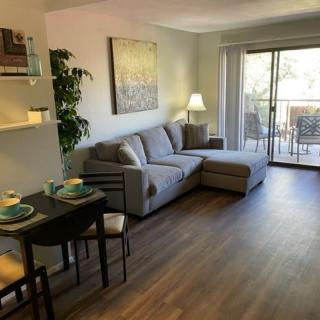
- It offers weekly activities, fabulous home-cooked meals, and a pretty backyard with a sitting area and customized support.
- The staff deliver the needed support in a safe environment.
- It comes highly recommended to families seeking assisted living or memory care.
- The staff make residents comfortable and at home, even when families are afar.
- The facility is updated and clean, offering customized boutique care for all family members' needs.
Cons
 None found. All statements are positive about Abundant Life Assisted Living.
Review
This community is best suited for families seeking a true home-like atmosphere in Phoenix, where seniors receive highly personalized attention in a small, intimate setting. The model works well for residents who thrive on routine, close staff relationships, and the comfort of a familiar, house-scale environment. From the feedback, the space is pristine and well-maintained, with a warm ambiance reinforced by home-cooked meals, a pretty backyard, and regular activities that foster a sense of belonging. It serves well for those who want to minimize the clinical feel of larger campuses while maximizing daily warmth, safety, and individualized support.
Those considering alternatives are likely families whose loved ones require heavier medical oversight or highly specialized memory-care protocols. If 24/7 on-site nursing, extensive clinical services, or a broad slate of professional therapies is non-negotiable, a larger community with dedicated medical staffing and more Formal memory-care programming may be a better fit. Additionally, if a wide variety of transportation options, expansive social events, or highly structured group activities are priorities, a more expansive campus could deliver that broader array of resources.
The strongest pros align with the intimate format: an immaculate, updated home environment; a safe setting that feels like a true residence rather than a facility; weekly activities and home-style meals that promote enjoyment and appetite; and customized support that can be tailored to individual needs. The ability for families to engage from afar and feel confident in ongoing care is a practical, meaningful benefit. In short, residents are cared for with attentiveness and flexibility, which often translates into greater peace of mind for both seniors and their loved ones.
Given the small-scale nature, the most plausible cons center on resource depth rather than quality of care. A limited staff footprint can translate to fewer hands on deck during busy periods, and fewer in-house medical specialists or advanced therapeutic options. There may also be a narrower menu of enrichment activities or transportation arrangements than what larger campuses offer. These potential gaps are manageable when the core strengths, personalized attention, safe living, and caregiver collaboration, are the priority. The key is whether the loved one’s medical and cognitive needs align with what a boutique, home-like setting can reliably sustain.
For families weighing options, the decision hinges on care philosophy and risk tolerance. If the priority is a comforting, small-community feel where staff know residents well, routines feel predictable, and care plans are deeply personalized, this setting is a strong match. If instead, a loved one demands robust medical oversight, expansive memory-care specialization, or broad social programming that scales with more residents, alternatives should be explored. In either case, the right choice will hinge on a candid assessment of medical complexity, preferred living style, and the ability to access dependable, transparent communication with the on-site team.
Actionable steps to move forward are straightforward. Schedule a hands-on tour to observe daily rhythms, meal preparation, and how activities are integrated into the week. Ask for a detailed picture of staffing ratios, especially for memory-care needs, and request a clear outline of the care-planning process, including how often plans are updated and how families are kept informed. Review menus, activity calendars, and transportation options, and confirm all fees and what is included versus add-ons. Finally, verify licensing standards and ask for recent references. A thorough assessment along these lines will reveal whether this home-like option delivers the balance of warmth, safety, and personalized care that aligns with the senior’s priorities.
 5 resident community capacity
 Assisted Living
 Board and Care Home
 Respite Care
 Cable or satellite TV
 Dining room
 Fully furnished
 Garden
 Housekeeping services
 Move-in coordination
 Outdoor space
 Private
 Telephone
 Wi-Fi/high-speed internet available
 Phoenix Sky Harbor International (16 miles away)
 24-hour supervision
 Activities of daily living assistance
 Assistance with bathing
 Assistance with dressing
 Assistance with transfers
 Diabetes diet
 Meal preparation and service
 Medication management
 Special dietary restrictions
 Transportation arrangement (medical)
 Transportation to doctors appointments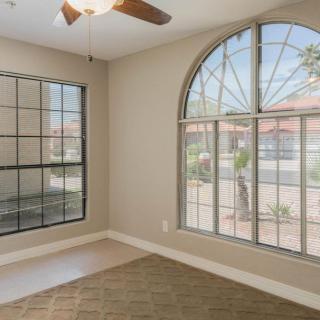






 Senior Transition Services: Understanding Their Role, Cost, and Importance
 Exploring the Path to Senior Living: A Comprehensive Look at Independent Living and Assisted Living
 Is Assisted Living Deductible on Your Taxes? Understanding the Complexities of Assisted Living Expenses and Deductions