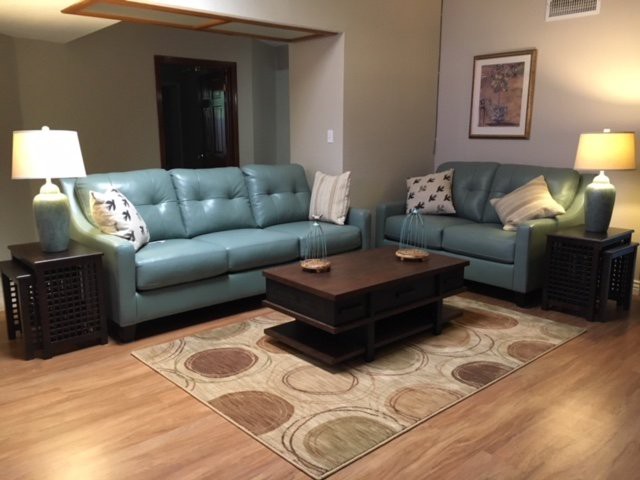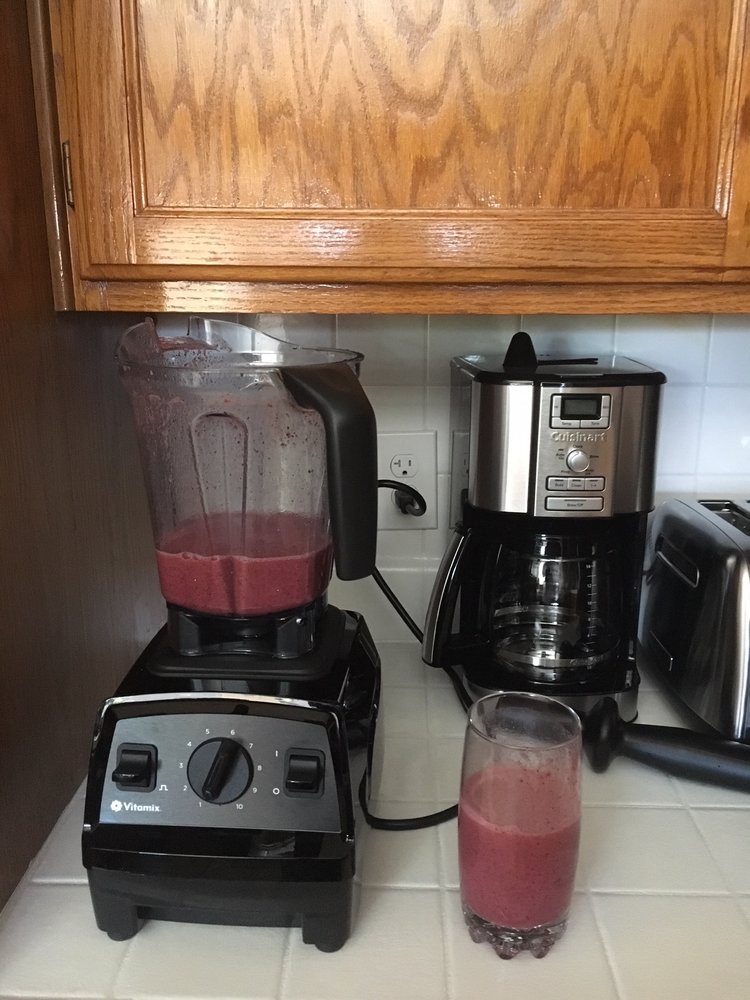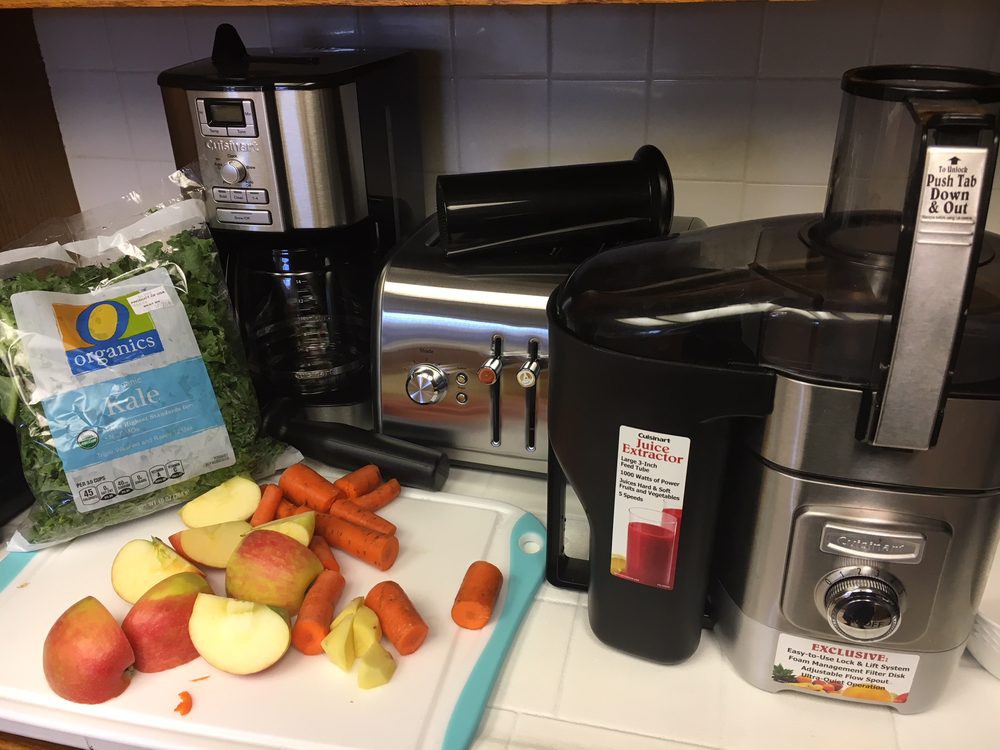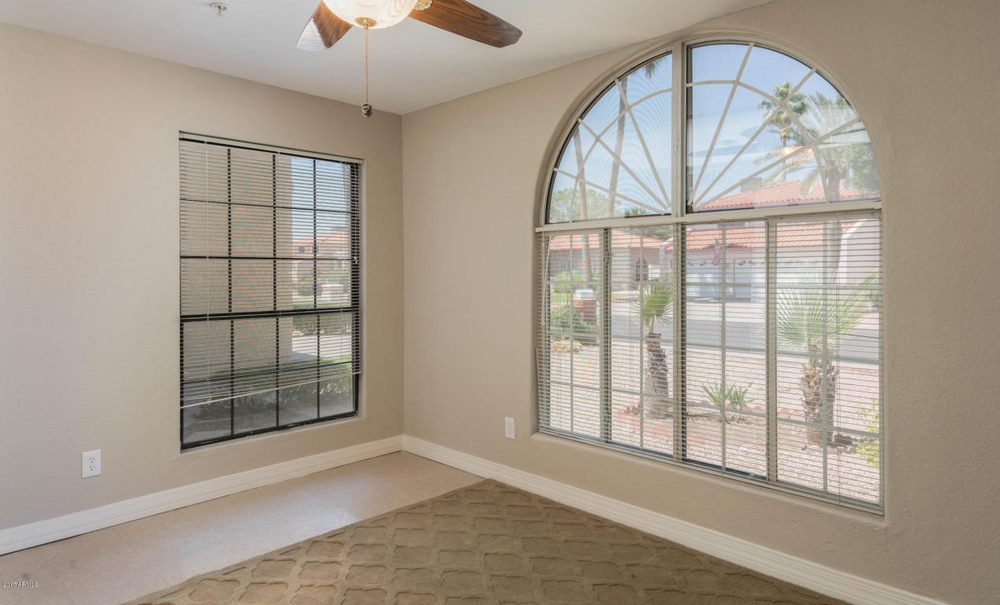














4023 West Grandview Road, Phoenix, AZ 85053
For more information about senior living options: (866) 208-4318
Overall Review of Grandview Care At Home
Pros
 Ready For Life is the best facility in Phoenix, focused on clients' needs and personal growth.
- The staff and owners are friendly and go above and beyond to help clients get what they need and stay on the right track.
- The staff helped individuals through difficult times, helped them maintain sobriety, and build confidence, with strong recommendations for the facility.
- RFL is described as legitimate and dedicated, unlike other group homes described as scams, giving clients peace of mind.
- For those seeking help, there is nothing to lose by contacting Ready For Life, as it offers supportive guidance through the process.
Cons
 One reviewer gave it 0 stars.
- That reviewer advised prospective clients to observe, be smart, and learn from staff before deciding.
Review
This Phoenix option is best suited for adults actively pursuing recovery and transition, rather than a purely passive residence. The shared experiences point to a recovery-forward environment where staff engagement is personal, goals are clear, and progress is measured in practical steps toward independence. The strongest match is for residents who want hands-on support, accountability, and peer-driven momentum, people who need guidance to reestablish routines, regain confidence, and pursue work or education while moving back into the community with greater self-direction. In short, this is not a place simply to stay; it is a platform to move forward, with staff-led structure underpinning daily life.
Those who may want to consider alternatives are clear: individuals seeking a traditional assisted living without a recovery component should look elsewhere. For residents with complex medical needs requiring around-the-clock nursing care, clinical detox supervision, or highly specialized dementia or memory-care services, a facility with a stronger medical or specialized clinical focus may be a better fit. And for families prioritizing a more conventional pace of daily living without an emphasis on sobriety or personal transformation, other communities that offer standard aging-in-place programs without an addiction-recovery framework could provide a more comfortable match. The upshot: this option shines for recovery-oriented growth, not for every care scenario.
On the upside, the consistently cited strength is staff warmth and willingness to go beyond basic expectations. The most persuasive accounts describe teams that listen, connect clients with resources, and stay committed through challenging moments. That level of engagement translates into tangible benefits: residents gain direction, rebuild self-reliance, and begin to chart a path toward stability. Alumni feedback reinforces this pattern, crediting staff with helping sustain sobriety and cultivate self-confidence. When staff connectivity and accountability are reliable, the risk typically associated with newer operations, namely uncertain consistency, tends to shrink, and families can trust that daily interactions carry purpose rather than whim.
Nevertheless, the core drawbacks emerging from the collective feedback deserve careful weight. A warning note accompanies the higher praise: a newer operation may harbor growing pains, inconsistent processes, or gaps in coverage as programs scale. A notably critical review underscores the necessity of staying observant, asking pointed questions, and validating outcomes with concrete evidence. Prospective residents should press for transparency on licensing status, staff-to-resident ratios, and how care plans adapt as needs change. The prudent approach is a thorough visit, face-to-face conversations with multiple staff members, and a demand for concrete examples of progress and aftercare planning before committing.
To translate these impressions into a practical decision, align expectations with a clear checklist tailored to the residentā€™s goals. Determine whether the focus is rehabilitation and life-skills coaching or more traditional daily living support, and verify pricing transparency, entry criteria, and length-of-stay options. Clarify how progress is tracked and shared with families, and insist on a robust aftercare plan that includes job placement, education support, or access to specialists. Observe how staff respond during initial interactions: are they listening, proposing realistic plans, and demonstrating the persistence required to push residents toward measurable milestones? These signals often distinguish programs that merely offer shelter from those that truly catalyze change.
Bottom line: for families weighing recovery-forward housing in Phoenix, this type of option presents a compelling proposition when staff are consistently attentive, programs connect action to accountability, and real progress is visible. The potential to translate intent into sustained improvement rests on steady, hands-on engagement and a track record, albeit from a newer operation, that shows real outcomes. If medical supervision, advanced clinical care, or dementia-focused programming are the primary needs, it is prudent to explore alternatives with deeper clinical infrastructure. A disciplined site visit, candid conversations, and a possible trial period will reveal whether this environment can reliably convert ambition into lasting independence and peace of mind for the resident and family alike.
 10 resident community capacity
 Assisted Living
 Cable or satellite TV
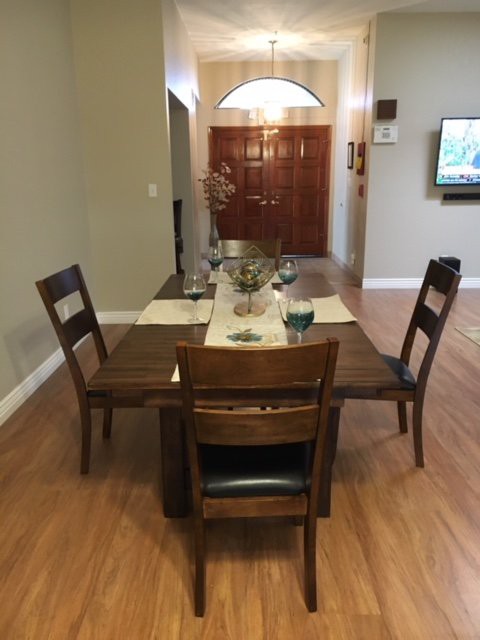
 Dining room
 Fully furnished
 Garden
 Housekeeping services
 Move-in coordination
 Outdoor space
 Telephone
 Wi-Fi/high-speed internet available
 Phoenix Sky Harbor International (16 miles away)
 24-hour supervision
 Activities of daily living assistance
 Assistance with bathing
 Assistance with dressing
 Assistance with transfers
 Diabetes diet
 Meal preparation and service
 Medication management
 Special dietary restrictions
 Transportation arrangement (medical)
 Transportation to doctors appointments






 An Extensive Exploration of the VA Aid and Attendance Benefit
 Senior Transition Services: Understanding Their Role, Cost, and Importance
 Exploring the Path to Senior Living: A Comprehensive Look at Independent Living and Assisted Living