

6420 S 22nd St, Phoenix, AZ 85040
To contact a resident: (602) 276-3883
For more information about senior living options: (866) 208-4318
South Mountain Assisted Living Costs & Pricing
South Mountain Assisted Living offers competitive pricing for its residents, particularly when compared to the broader market in Maricopa County and across Arizona. For semi-private rooms, the monthly cost at South Mountain is $550, significantly lower than the county average of $2,801 and the state average of $2,820. One-bedroom units are priced at $700, which is also quite favorable compared to the county's average of $3,473 and Arizona's overall average of $3,532. Even for two-bedroom accommodations, South Mountain's rate of $5,000 remains reasonable alongside a county average of $4,112 and a state figure of $4,106. This positioning not only underscores the affordability offered by South Mountain but also highlights its commitment to providing quality living options that are accessible to a variety of budgets in an evolving market.
| Floor plans | South Mountain Assisted Living | Maricopa County | Arizona |
|---|---|---|---|
| Semi-Private | $550 | $2,801 | $2,820 |
| 1 Bedroom | $700 | $3,473 | $3,532 |
| 2 Bedrooms | $5,000 | $4,112 | $4,106 |
Assisted Living communities with a similar price nearby
-
from -$50 / mo
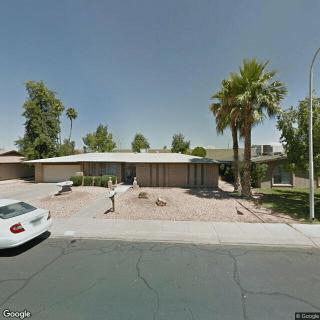
B And H Adult Care Home
$500 / month7.4 miles away -
from -$50 / mo
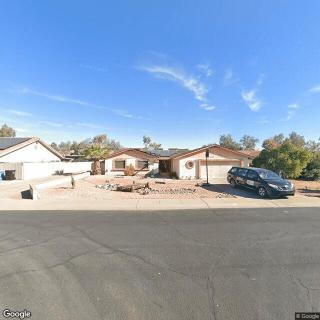
B & H Adult Care Home
$500 / month8.1 miles away -
from +$75 / mo
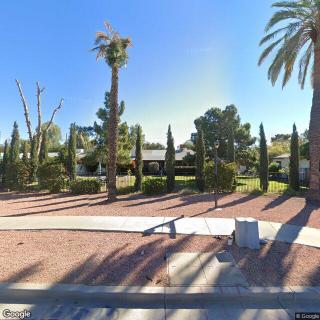
Country Manor
$625 to $1,200 / month7.0 miles away
Overall Review of South Mountain Assisted Living
Cons
 The facility never answers the phone and there is no way to reach anyone or leave a message.
- There is a bed bug problem throughout the facility.
- The landlord is rude and allegedly tries to steal hospital beds from other residents.
- The landlord is accused of pressuring residents to go on hospice to profit financially.
- The Garcia brothers are abusive toward Black residents and reportedly beat a Black man for money.
- They allegedly place surveillance in residents' rooms and compel the elderly to appoint them as co-payee on their SSI.
Review
South Mountain Assisted Living in Phoenix is best suited for residents whose primary need is a very low-cost option and who can tolerate limited day-to-day oversight. The reviews depict a setting where management responsiveness and reliable staff presence are inconsistent, so this community tends to work best for families that can provide vigilant external oversight and visit frequently to check conditions. In short, it is not a strong fit for someone who requires steady, proactive guidance, urgent help, or a consistently clean and safe environment.
Those considering alternatives should look elsewhere if reliable communication, robust safety oversight, and a dignified living environment are non-negotiable. The collective feedback highlights bed bug infestations, questionable cleanliness, and a management culture described as rude at best and exploitative at worst. Claims of abuse, covert surveillance, and coercive financial practices significantly erode trust in resident protection and autonomy. For families who cannot tolerate potential mistreatment or a lack of transparency, other facilities with clearer governance and stronger resident rights protections are advisable.
From a strictly practical angle, the limited positives in the reviews do not meaningfully offset the dominant concerns. A couple of high-star ratings suggest that occasional experiences may be acceptable or misperceived, but they fail to address core care quality issues. Any mention of medical equipment access implies some utility, yet it does not compensate for ongoing pest problems, insufficient communication, or questionable staff conduct. In a decision-making framework, these faint positives are substantially outweighed by the risks and daily quality-of-life challenges reported.
The central red flags are clear and persistent: phone accessibility is unreliable, making it difficult to reach staff when help is needed; bed bugs are repeatedly described, signaling ongoing hygiene problems; and the leadership is accused of rude behavior, invasions of privacy, and even coercive practices around hospital beds, co-payees, and hospice placement. Add allegations of racial abuse and coercive surveillance, and the environment appears to undermine safety, dignity, and basic resident rights. Even if some residents appear to tolerate conditions, the overall pattern signals a high risk that outweighs any nominal affordability.
Families evaluating options should insist on a rigorous on-site audit before any commitment. Key steps include testing whether calls are answered in real time, inspecting several rooms for cleanliness and pest control status, meeting multiple staff members across shifts, and requesting detailed explanations for any past accusations. Check licensure status and obtain a copy of recent inspection reports, care plans, and resident-rights protections. Speak with independent authorities or recent residents to gauge consistency of care, responsiveness, and respect for autonomy.
Bottom line: South Mountain Assisted Living should be approached with caution, and alternatives are strongly preferred for nearly every family prioritizing safety, dignity, and dependable communication. The combination of pest concerns, alleged abusive conduct, intrusive surveillance, and unreliable access to staff creates a risk profile that dwarfs any potential cost savings. For those with viable options, move toward facilities with transparent governance, proven hygiene standards, and consistently responsive management. If this community remains under consideration, demand verifiable safeguards, direct evidence of problem resolution, and a concrete plan to restore safety and respect, only then would it be reasonable to proceed.
 Assisted Living
 Activities on-site
 Devotional services off-site
 Indoor common areas
 Phoenix Sky Harbor International (4 miles away)
 Ambulatory care
 Diabetic care
 Meals provided
 24/7 supervision with restaurant-style dining and diverse activities.



 Understanding Medicaid Coverage for Assisted Living: A Comprehensive Guide
 How and When Medicaid May Cover Assisted Living Costs
 A Detailed Exploration of Assisted Living Medicaid Waivers Across the United States