
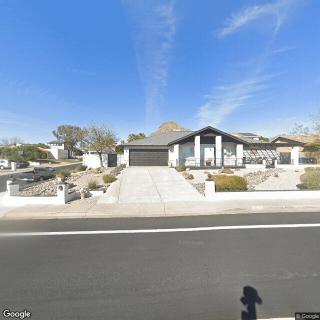
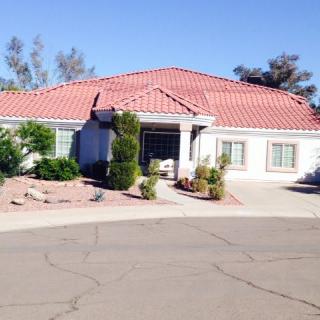
1912 East Marilyn Road, Phoenix, AZ 85022
For more information about senior living options: (866) 208-4318
Overall Review of Rehab Without Walls
Pros
 Samantha is fantastic at her job.
- The owner and her team are amazing and care for clients deeply.
- Maria is an amazing person who helps people get back on their feet.
- The Rehab Without Walls team is positive, friendly, and tailored to each person’s pace.
- Kristen Z helps patients walk without assistance.
- Kelsey G helps patients regain speech.
- Karen S helps patients regain use of their left arm and improve typing.
- Doc O'Conner supports emotional well-being and keeps depression in check.
- Karen Will is phenomenal for speech therapy.
Cons
 The reviewer found relearning things frustrating during rehab.
- The patient was emotionally a wreck at one point.
- The reviewer faced a setback when insurance stopped paying, delaying return to rehab.
- The patient acknowledges they may never be 100% as they were before the stroke.
Review
This Phoenix-based center is best suited for adults recovering from stroke or brain injury who need intensive, multi-disciplinary neurorehabilitation and who value a highly personalized, hands-on approach. The program shines when a patient requires coordinated speech, physical, and occupational therapy alongside cognitive and emotional support. The care philosophy is centered on unlocking meaningful progress through attentive, professional teams, with a strong emphasis on pacing and clarity of communication. For families hoping to regain independence, return to school, or resume daily life with confidence, this community offers a compelling, results-oriented path.
The core strength here is the team’s depth and consistency. The owner sets a tone of meticulous, compassionate care, and the therapists, along with specialists like Maria, Kristen Z, Kelsey G, Karen S, and Doc O’Conner, operate as a tightly integrated unit. Across the board, patients report a transformative experience: speech improves markedly, motor function returns, and cognitive skills rebound in practical, real-world ways. Even those with aphasia or other communication challenges are walked through the process with patient explanations and supportive coaching. The environment repeatedly proves that a cohesive, well-coordinated team can move people farther, faster than isolated therapy bouts.
Progress stories cited by families are not generic; they reflect tangible milestones. Walking without support, regaining control of speech, and restoring use of a previously weak arm are highlighted outcomes, along with regained typing ability and a more stable emotional state. The rehabilitative process is described as tailored to the individual’s current level, with professionals recognizing the exact pace needed for each person. The breadth of disciplines, speech, physical, occupational therapy, and even logistics, like dependable transportation, contribute to a practical framework where progress translates into noticeable daily gains and a renewed sense of purpose.
One notable caveat centers on insurance and funding. At least one review notes a disruption when coverage paused, followed by an arduous effort to re-enter the program. That reality underscores a practical consideration: the trajectory here can depend heavily on ongoing reimbursement. While the clinical team delivers outstanding care, families must be prepared to advocate for continued access if insurance coverage fluctuates. This is not a flaw in the care model so much as a potential temporary friction point that can affect continuity if financial arrangements falter.
Another practical factor is the program’s intensity and geography. The depth of rehabilitation implies a commitment, both in time and in logistics, that is most compatible with those who can sustain frequent, in-person sessions. For families far from Phoenix or those seeking shorter, lighter-touch experiences, alternatives with more flexible scheduling or home-based options may be worth exploring. In essence, the center excels for patients who can align with a rigorous, clinic-based rehab plan and who have reliable means to maintain coverage and access.
Overall, Rehab Without Walls Phoenix represents a powerful choice for individuals whose recovery hinges on aggressive, integrated neurorehabilitation delivered by a seasoned, compassionate team. The standout advantages, expert therapists, a cohesive care ecosystem, and proven gains in speech, mobility, and cognitive function, offset insurance-related fragility and logistical considerations for the right candidate. Families should approach intake with a clear plan for funding, a realistic timetable for progress, and an honest assessment of whether in-clinic, intensive rehab aligns with the patient’s goals. If those boxes are checked, this program offers a high-probability path back toward independence and purpose.
 5 resident community capacity
 Assisted Living
 Board and Care Home
 Cable or satellite TV
 Dining room
 Fully furnished
 Garden
 Housekeeping services
 Move-in coordination
 Outdoor space
 Telephone
 Wi-Fi/high-speed internet available
 Phoenix Sky Harbor International (13 miles away)
 24-hour supervision
 Activities of daily living assistance
 Assistance with bathing
 Assistance with dressing
 Assistance with transfers
 Diabetes diet
 Meal preparation and service
 Medication management
 Special dietary restrictions
 Transportation arrangement (medical)
 Transportation to doctors appointments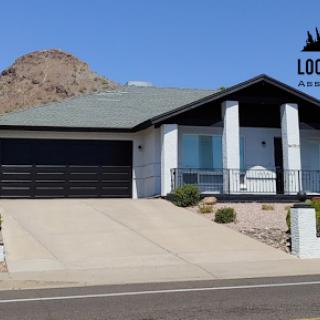

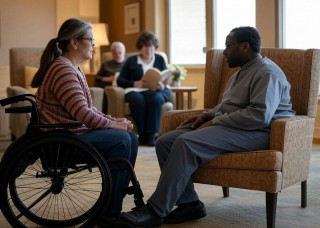 Comprehensive Residential Support and Assisted Living Solutions for Individuals with Disabilities
 Comprehensive Supportive Living Arrangements for Adults with Disabilities
 Funding and Affording Assisted Living: A Thorough Overview