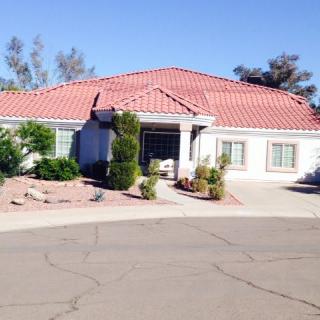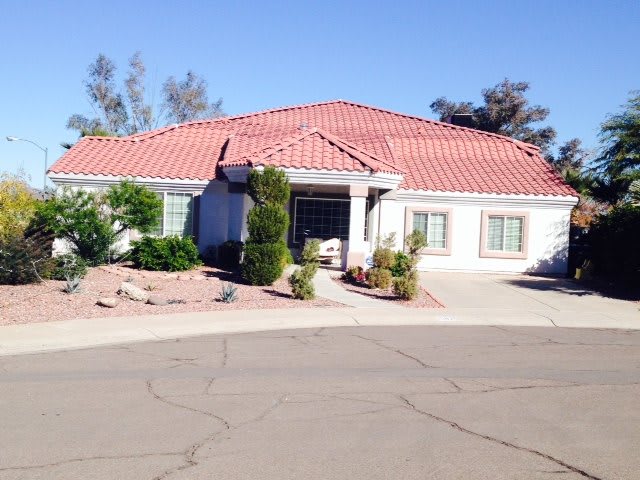
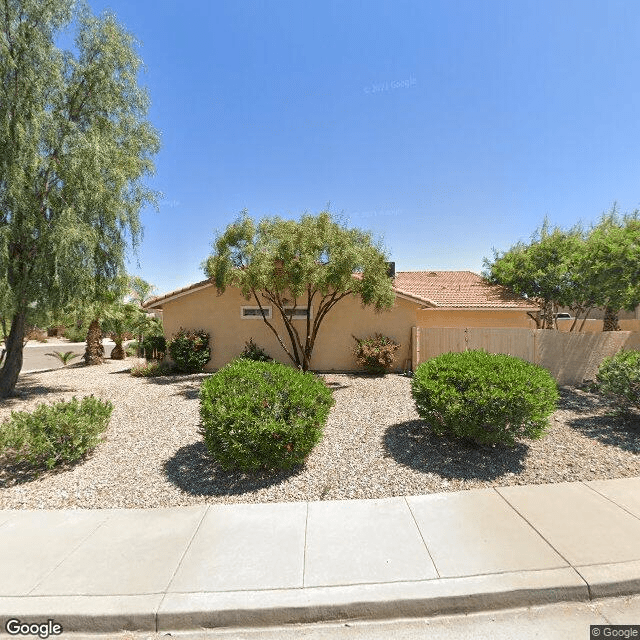
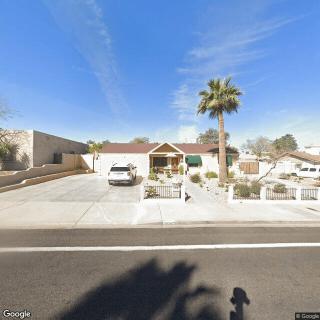
15801 N 19th Place, Phoenix, AZ 85022
To contact a resident: (602) 495-0605
For more information about senior living options: (866) 208-4318
A Family Affair ALH Costs & Pricing
A Family Affair ALH presents a compelling value proposition in the realm of assisted living, with monthly costs that are significantly lower than the average rates in both Maricopa County and across Arizona. For semi-private accommodations, A Family Affair ALH charges $2,000, which stands in stark contrast to the county's average of $2,801 and the state's average of $2,820. Similarly, for private rooms, the facility's rate of $3,000 is notably more affordable than Maricopa County's average of $3,318 and Arizona's average of $3,345. This pricing structure not only highlights A Family Affair ALH's commitment to providing cost-effective care but also suggests an opportunity for families seeking quality assistance without facing financial strain.
| Floor plans | A Family Affair ALH | Maricopa County | Arizona |
|---|---|---|---|
| Semi-Private | $2,000 | $2,801 | $2,820 |
| Private | $3,000 | $3,318 | $3,345 |
Senior living communities with a similar price nearby
-
About the same

Home Instead - Fountain Hills, AZ
$1,945 to $3,525 / month18.0 miles away -
from -$139 / mo

Endeavor Senior In-Home - Mesa
$1,861 / month21.5 miles away -
About the same
Garcia's Assisted Living Home LLC
$2,000 / month15.4 miles away -
About the same
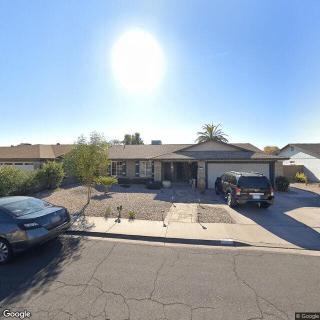
Martha Bonilla Care Loving Home
$2,000 to $2,200 / month21.0 miles away -
About the same
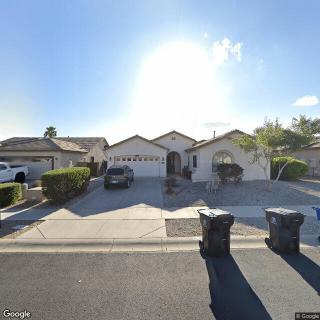
All Stars Assisted Living
$2,000 to $2,500 / month21.7 miles away
Overall Review of A Family Affair ALH
Pros
 The facility welcomed the mother and made her feel like part of the family.
- The mother appeared content, well cared for, and at ease under the facility's care.
- The facility has a calming atmosphere thanks to its dedicated staff.
- A caregiver was described as a gem for being vigilant in ensuring the mother's stay was pleasant.
- Edward and his staff were wonderful, and Christina was commendable.
- The owners Myra and Edward are wonderful, and the staff are kind and highly competent.
- The home is fantastic and highly recommended; they do a wonderful job and are very caring and loving.
- The staff caring for residents are kind and capable, and the community is clean with a pleasant atmosphere.
Cons
 The reviewer described the facility as the worst assisted living home they have ever seen, with a complete lack of compassion.
- The staff were described as negligent and callous, in the industry to profit rather than to help people.
- The reviewer claimed their mother with ALS was told within 24 hours that she was not a good fit, transferred without medications, and left in discomfort and pain, showing no compassion.
- The caretaker was described as having the worst attitude ever seen in a health care facility—rude, callous, uneducated and downright negative.
- The reviewer advised that anyone seeking a facility that actually cares should look elsewhere.
- They were told the facility had 24-hour awake staff, but in reality there was only one person on site 24/7.
Review
This community is best suited for families seeking a warm, home-like assisted living where staff treat residents as part of a family and where the atmosphere feels calm and settled. It works well for seniors who do not require intense medical oversight every hour, but who value daily companionship, responsive aides, and a familiar, trusting environment. When the setting is right, residents can appear content, well cared for, and at ease, with caregivers who are described as attentive and considerate. In short, A Family Affair ALH is a fit for families prioritizing a personable, comfortable home atmosphere over clinical intensity.
There are clear alternatives worth considering for loved ones with higher acuity or more demanding caregiving needs. Families should explore other options if the priority is round-the-clock, highly specialized medical management, rapid medication adjustments, or highly reactive crisis support. The strongest caution comes from reports suggesting inconsistent staffing claims and experiences that border on being overwhelmed by compassion gaps during difficult moments. For anyone evaluating ALS-level needs or people who require vigilant, unwavering responsiveness to complex symptoms, it is prudent to survey other facilities with documented, transparent care protocols and unwavering empathy.
On balance, the strongest pros center on the human touch: a calm, clean home environment, a staff culture described as kind and capable, and owners who appear personally invested in residents’ well-being. The sense that the facility operates like a family, the kind of place where caregivers are praised for vigilance, where meals and activities are thoughtfully presented, and where the atmosphere feels safe and welcoming, provides meaningful offset to more ambivalent staffing anecdotes. A clean setting, a seemingly knowledgeable owner, and positive remarks about responsiveness contribute real value for families seeking steady, personable daily care.
Yet the main drawbacks are significant enough to demand careful scrutiny. A subset of reviews paints a troubling picture: a perceived lack of compassion, accusations of negligence, and a blunt narrative that the facility prioritizes profit over hands-on, humane care. The most alarming items involve an ALS patient reportedly left without essential medications and quickly deemed “not a good fit,” which echoes a deeper concern about crisis management and emotional responsiveness in the most vulnerable moments. Conflicting claims about 24/7 awake staffing further complicate the picture, leaving questions about whether resident supervision meets expectations during night hours or during off-peak times.
Those concerns do not erase the positives, but they do redefine the risk calculus. For families who value a nurturant, family-forward culture and who can verify that staff ratios, medication protocols, and crisis responses align with their loved one’s needs, the positives can carry substantial weight. The facility’s warmth, the evident care from individual aides, and the owners’ involvement can translate into a meaningful quality-of-life difference. However, when a loved one requires consistent, high-touch medical management or when emotional safety hinges on flawless staffing continuity, the negatives become a decisive factor.
In making a final decision, insist on an in-person tour with a critical agenda: observe actual staff-to-resident interaction during routines, probe medication administration practices and how emergencies are handled, and request recent references from families with residents in comparable health profiles. Seek precise answers about 24/7 coverage, the contingency plans for staffing shortages, and the steps the team would take if a resident experiences acute discomfort or escalating symptoms. If these questions yield clear, confident responses and the care philosophy matches the family’s expectations, A Family Affair ALH can be a strong, loving home. If not, consider alternatives that demonstrate steadier clinical oversight, unwavering compassion, and transparent, documented policies aligned with the resident’s medical realities.
 Board and Care Home
 Cats allowed
 Dogs allowed
 Activities on-site
 Beautician on-site
 Devotional services on-site
 Indoor common areas
 Outdoor common areas
 Private
 Private bathrooms
 Respite or short term stays offered
 Wheelchair accessible showers
 Phoenix Sky Harbor International (14 miles away)
 Diabetic care
 High acuity care
 Incontinence care
 Medication management
 Meals provided
 Exploring Nonmedical Home Care: Understanding Services, Costs, and Financial Approaches
 Engaging Brain Games and Innovative Apps to Keep Senior Minds Active
 Effective Strategies for Keeping Seniors' Minds Active: A Deep Dive into Brain Games and Apps