Valencia at 19th 1 Costs & Pricing
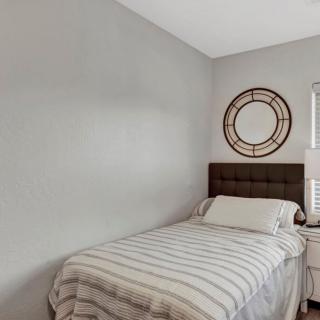
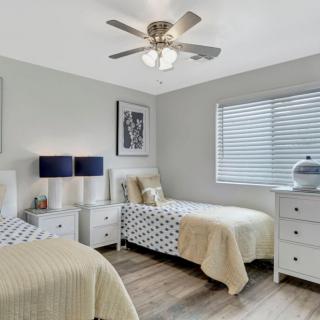
Valencia at 19th 1 offers a range of accommodation options that reflect a competitive pricing structure in comparison to Maricopa County and the broader state of Arizona. For semi-private rooms, residents can expect to pay $3,000 per month, which is slightly above the county average of $2,801 but remains lower than the state average of $2,820. When considering private rooms and one-bedroom apartments, both are priced at $3,500. This aligns closely with Maricopa County's private room rate of $3,318 and is on par with the state average for one-bedroom units at $3,532. Overall, Valencia at 19th 1 provides quality living arrangements that are reasonably positioned within the local market while offering essential amenities tailored to resident needs.
| Floor plans | Valencia at 19th 1 | Maricopa County | Arizona |
|---|
| Semi-Private | $3,000 | $2,801 | $2,820 |
| Private | $3,500 | $3,318 | $3,345 |
| 1 Bedroom | $3,500 | $3,473 | $3,532 |
Memory care communities with a similar price nearby
-
About the same

Desert Garden Senior Living
$3,000 to $3,500 / month
19.9 miles away
-
from -$500 / mo
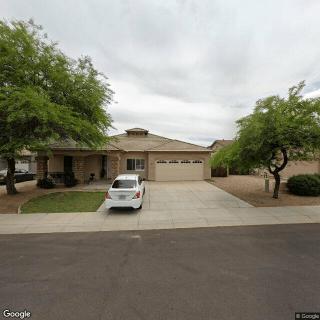
Anc Assisted Living Homes I
$2,500 to $3,500 / month
23.9 miles away
-
from -$300 / mo
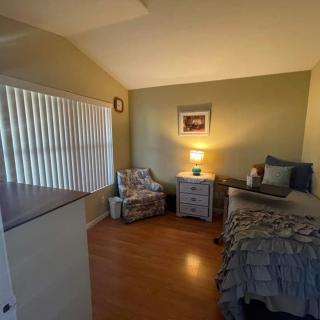
Caring Hearts Senior Care
$2,700 to $3,500 / month
20.2 miles away
-
About the same
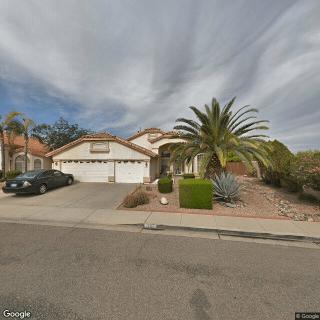
Horizon Assisted Living
$3,000 / month
11.1 miles away
-
from -$500 / mo
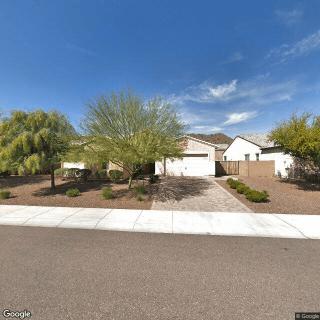
Northlands Assisted Living Home
$2,500 / month
15.1 miles away
Overall Review of Valencia at 19th 1
common
34 reviews mention this
Staff friendliness stands out
Residents and families repeatedly describe staff as kind, helpful, and attentive.
Across many reviews, people highlight staff as respectful and genuinely engaged with residents and families. Several comments call out quick fixes and supportive follow-through with day-to-day needs, and others mention specific staff members and their communication. Even when reviews are critical about care levels, they often distinguish between “some” staff who are supportive versus broader staffing or management problems.
common
19 reviews mention this
Food and dining are a plus
Dining and food quality are frequently cited as strengths.
Many reviewers mention the bistro or dining options positively, describing meals as good, delicious, or satisfying. Some also mention being able to get food without cooking at home when they want a simpler option. A smaller set of reviews takes the opposite view in skilled nursing settings, describing meals as cold, appalling, or poorly prepared.
common
21 reviews mention this
Activities create a social rhythm
Residents frequently mention activities, events, and a strong sense of social life.
Reviews commonly point to events like live music, trivia, bingo, happy hours, exercise classes, and regular group activities that keep days from feeling empty. Some residents describe using the space for gatherings, meeting friends, and participating soon after moving in. A few critiques mention the community being too quiet at times or that activity coverage can be limited, especially in care-focused areas.
caveat
4 reviews mention this
Pricing changes and added fees
Some residents report surprise add-ons or higher charges for extras.
Several reviews describe rising costs or additional charges for items and services that residents expected to be included. One review also mentions rent differences after transferring to another unit. Another describes being billed later for a higher level of care than originally understood, which left them feeling misinformed about the cost timeline.
caveat
9 reviews mention this
Cleanliness and maintenance concerns
A recurring worry in reviews involves maintenance and cleanliness problems.
While some reviews praise the property as clean and well maintained, others describe serious cleanliness or maintenance breakdowns. Complaints include infestations, mold, pests, urine odors in hallways, and issues like non-working laundry or shower temperature problems. Some residents also mention needing to switch apartments due to leaks or other unit-level problems, and that assistance from management was limited during those situations.
caveat
15 reviews mention this
Care staffing and call response
Some reviews describe delayed help and staffing shortfalls in care areas.
In skilled nursing and related reviews, multiple people report long waits for call buttons or difficulty getting staff attention when help is needed. Several reviews connect those delays to understaffing, including accounts of patients waiting hours and family members feeling they had to push repeatedly. At the same time, there are also positive skilled nursing reviews that describe fast response and attentive therapy, so the experience appears inconsistent across reviews and situations.
caveat
4 reviews mention this
Memory care draws strongest backlash
Memory care reviews raise concerns about supervision and staffing.
A set of memory care–specific reviews warns about lack of supervision and understaffing, describing injuries, falls, and communication problems about what happened. Others mention strong urine odors in the memory care area. These critiques often contrast with reviews that praise the community overall, suggesting concerns may be most concentrated in memory care experiences.
How we summarize
Counts show how many written reviews mention each theme; a review can touch several themes, and only frequently mentioned themes are displayed.

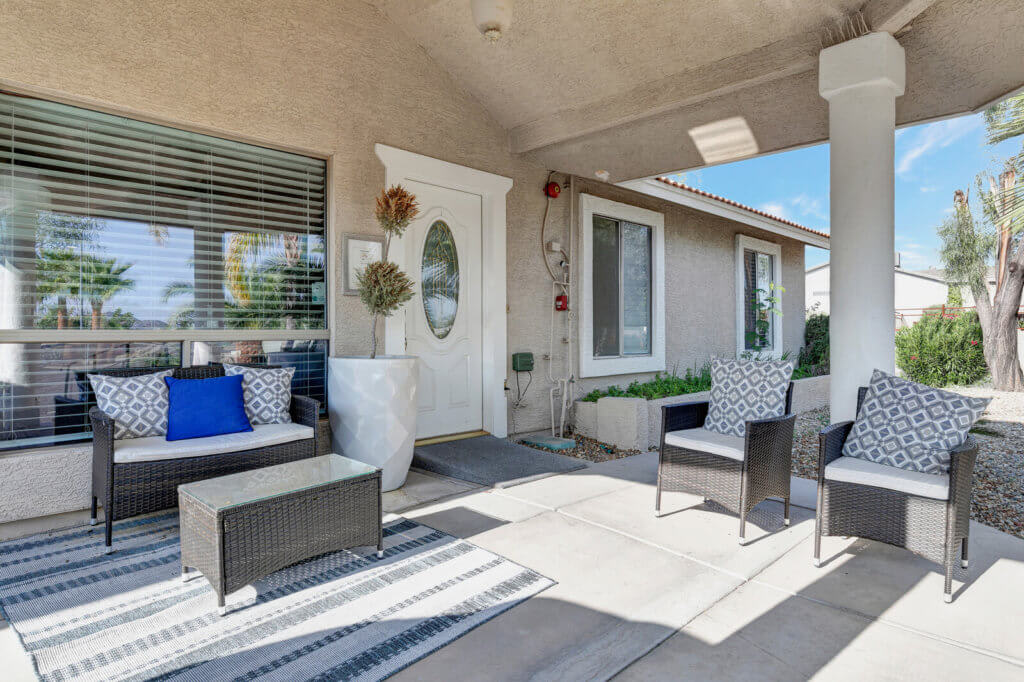
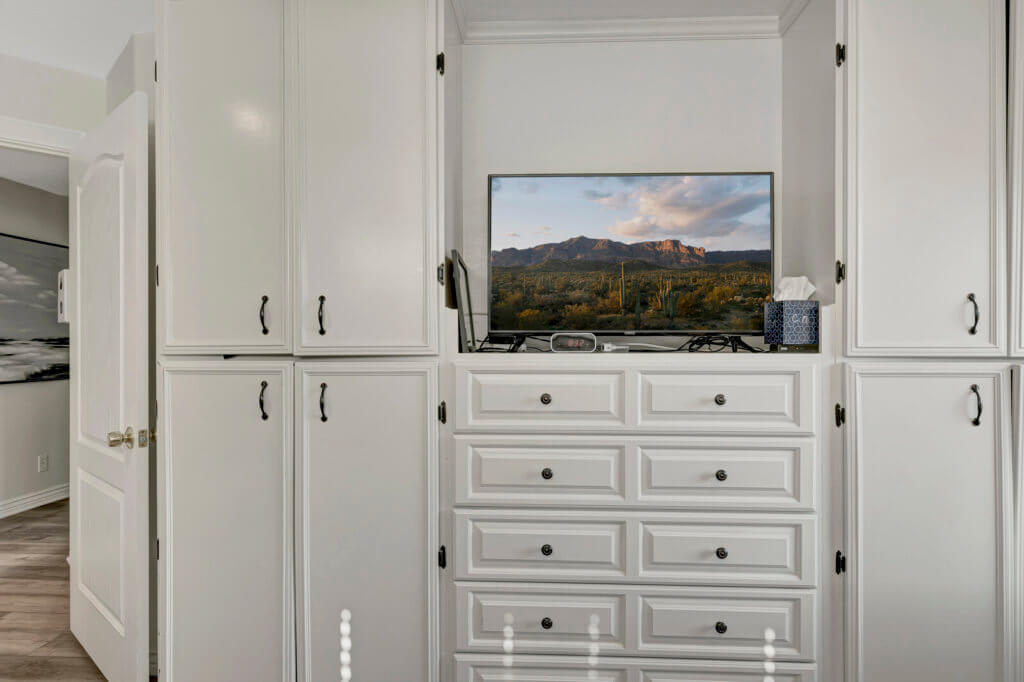
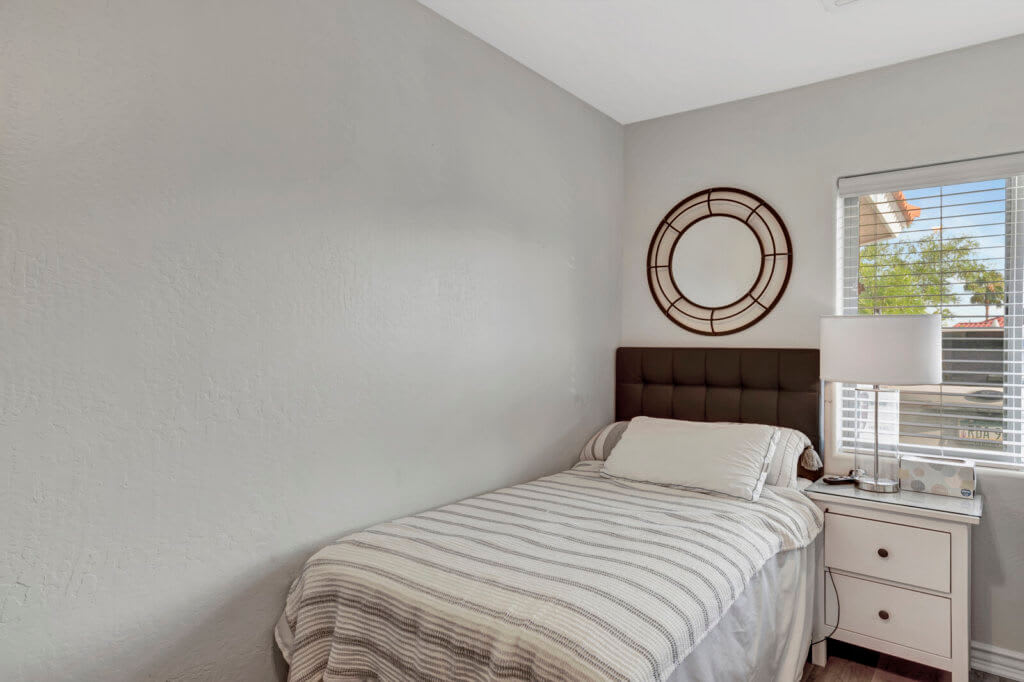
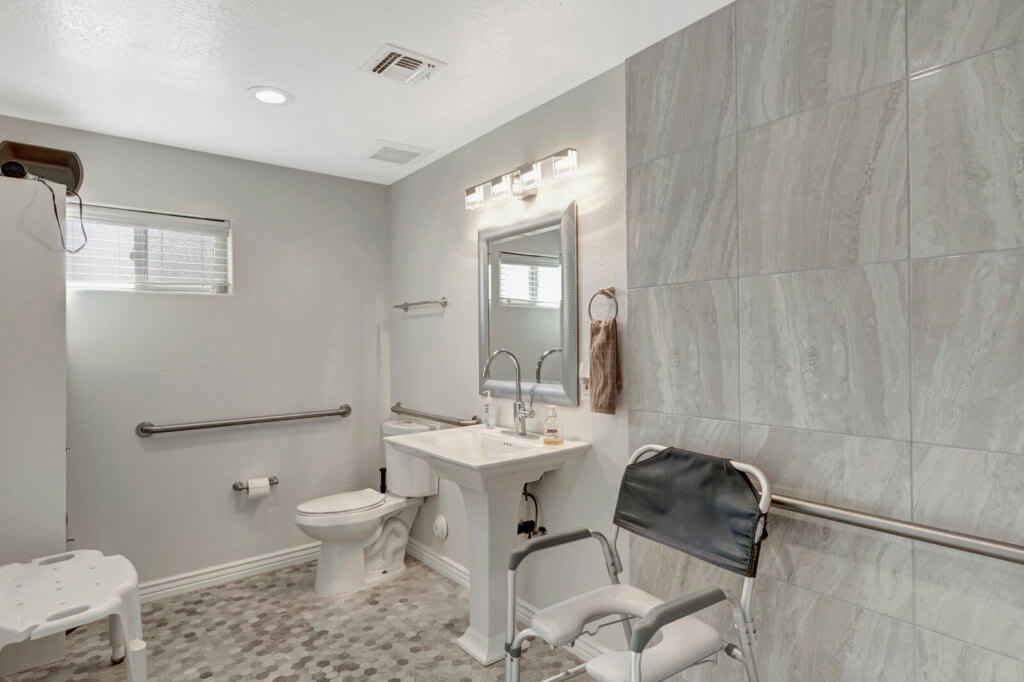
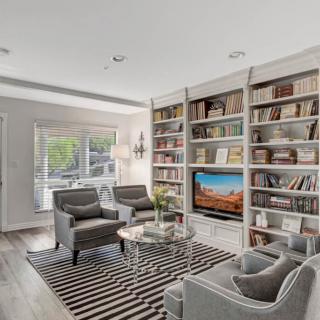
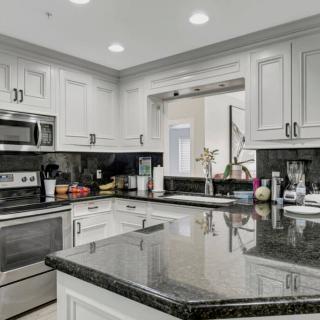
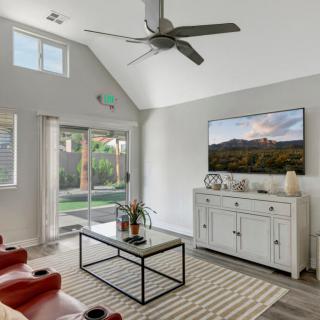
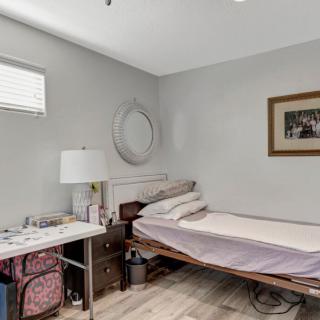
 Board and Care Home
 Memory Care
 Private
 Phoenix Sky Harbor International (14 miles away)
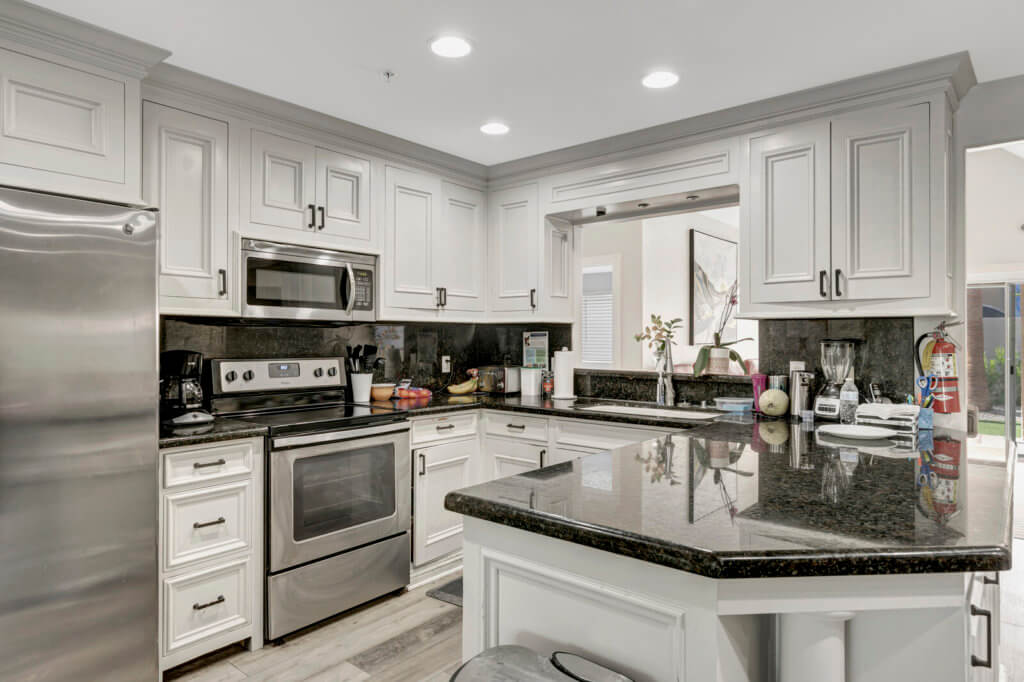
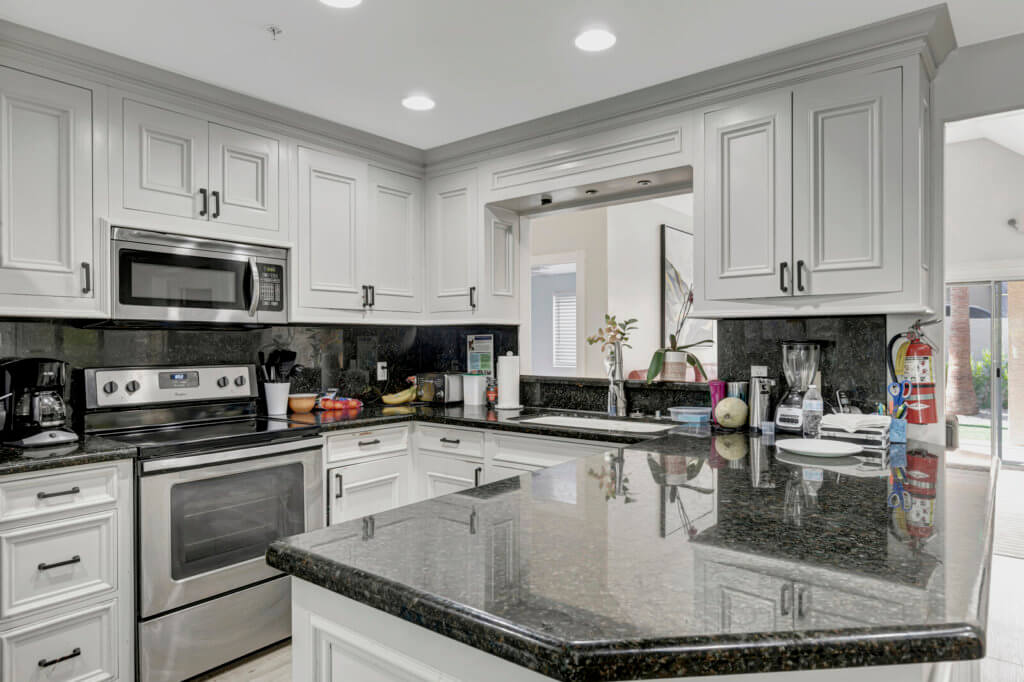
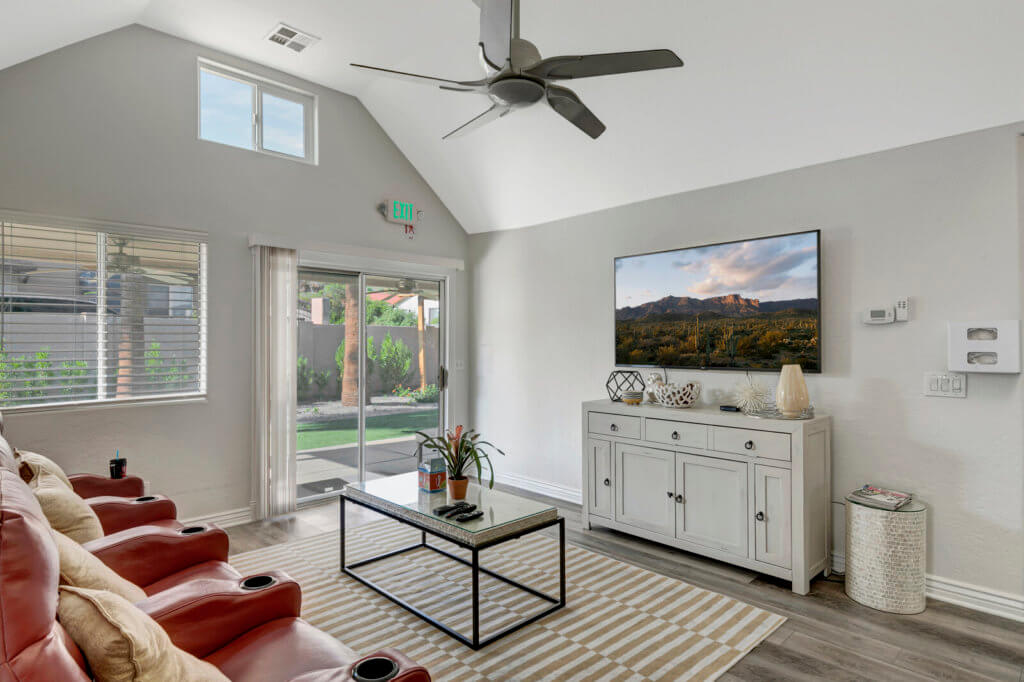
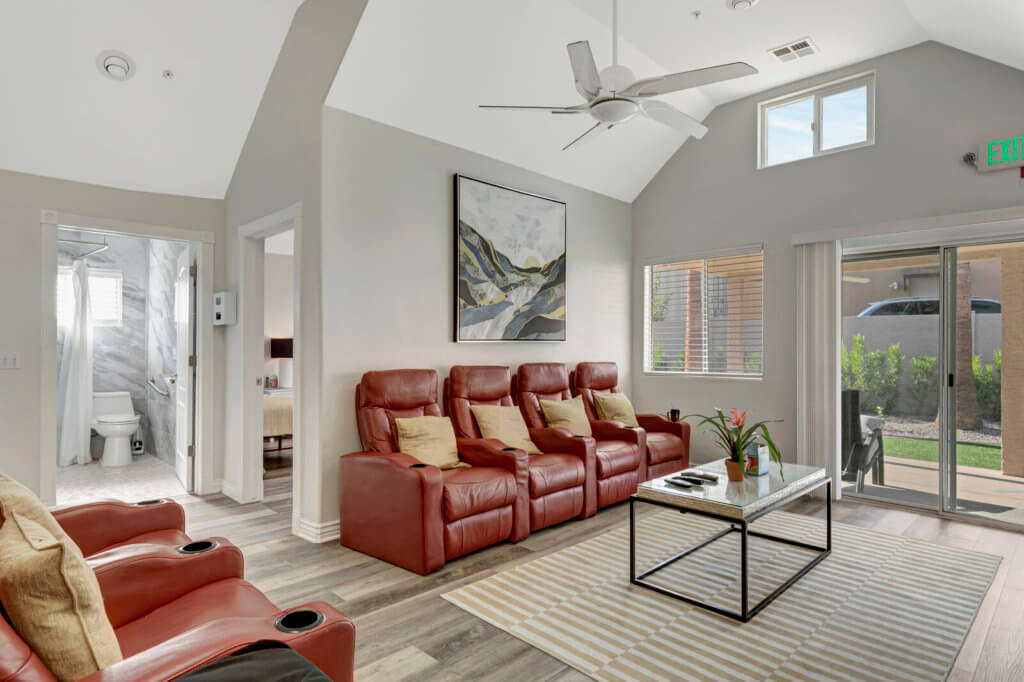
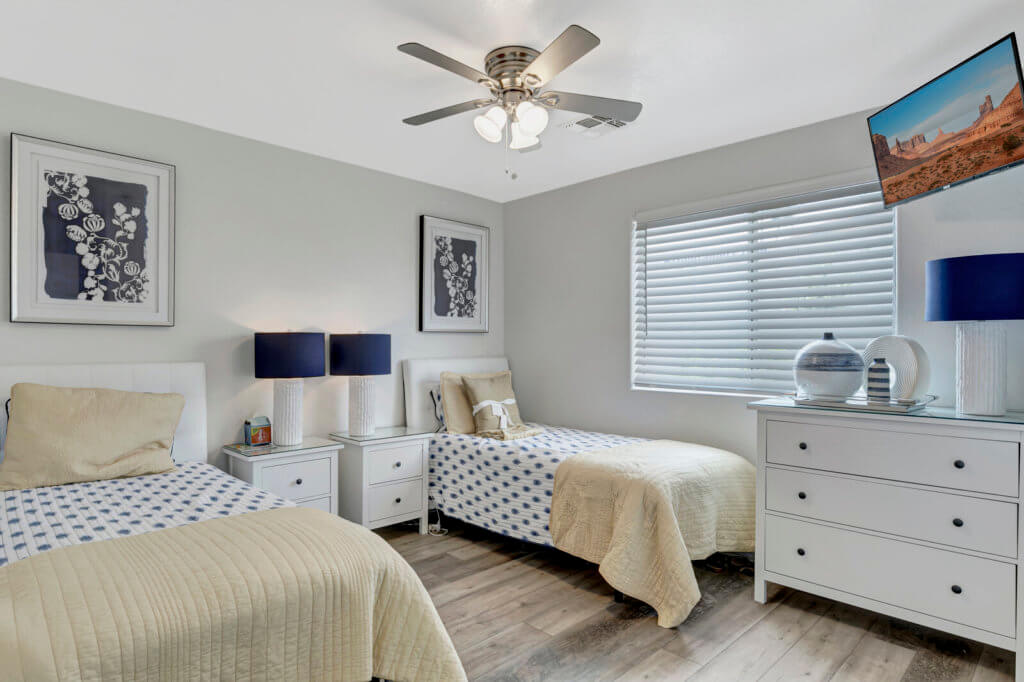
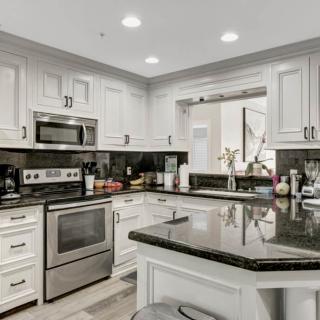
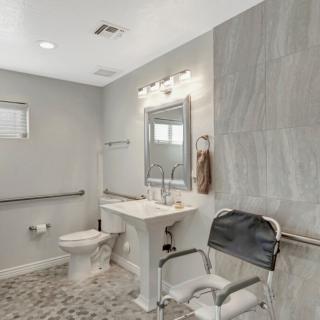
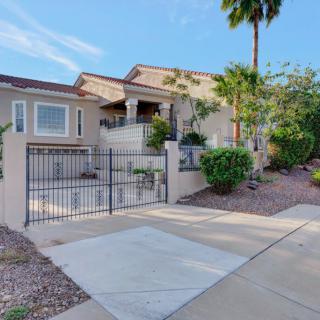
 Calm, clean environment with responsive staff and engaging activities.

 Why Do Dementia Patients Sleep So Much? Understanding Oversleeping, Stages, and Care Approaches
 8 Key Indicators That Suggest It May Be Time to Transition from Assisted Living to Skilled Nursing Care
 Nourishing the Mind: Essential Dietary Approaches for Dementia