
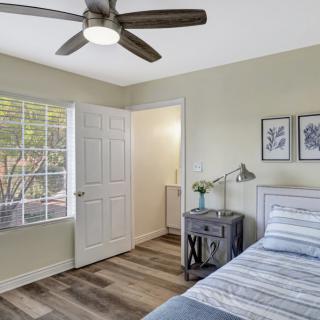
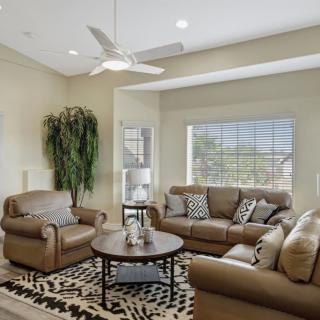
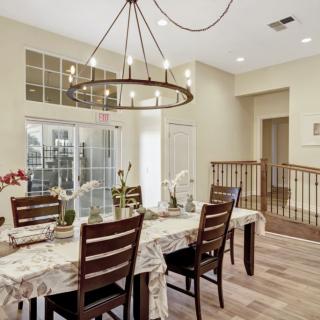
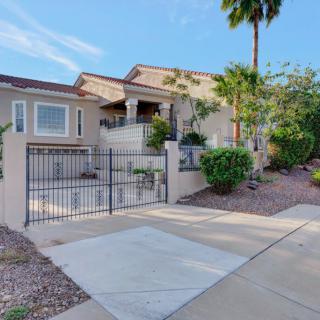
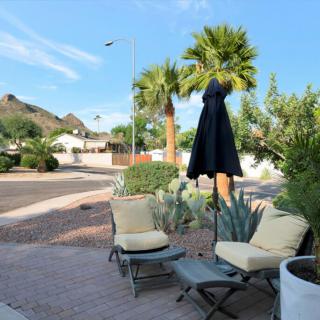
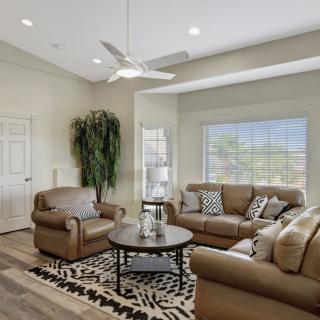
15825 N 19th Pl, Phoenix, AZ 85022
To contact a resident: (602) 595-0725
For more information about senior living options: (866) 208-4318
Valencia at 19th 2 Costs & Pricing
At Valencia at 19th 2, the monthly costs for accommodations reflect a premium offering within the local market. For a private room, residents can expect to pay $3,500, which is slightly higher than the Maricopa County average of $3,318 and the state average of $3,345. Similarly, the cost for a one-bedroom unit matches this price point at $3,500 as well, positioning it competitively against county and state averages of $3,473 and $3,532 respectively. These pricing trends suggest that Valencia at 19th 2 is catering to residents who value quality and amenities that may justify the higher costs compared to broader regional options.
| Floor plans | Valencia at 19th 2 | Maricopa County | Arizona |
|---|---|---|---|
| Private | $3,500 | $3,318 | $3,345 |
| 1 Bedroom | $3,500 | $3,473 | $3,532 |
Memory care communities with a similar price nearby
-
from -$500 / mo

Desert Garden Senior Living
$3,000 to $3,500 / month20.0 miles away -
from -$500 / mo
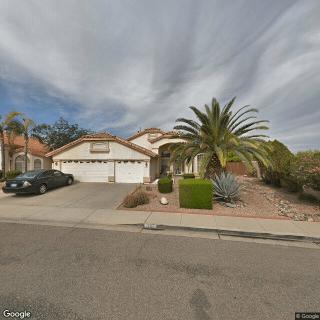
Horizon Assisted Living
$3,000 / month11.1 miles away -
from -$500 / mo
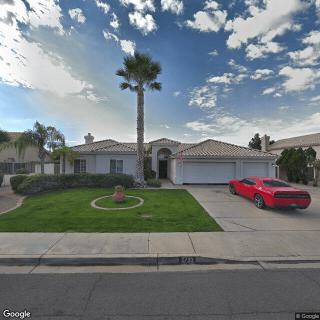
Desert Winds I
$3,000 to $3,800 / month19.2 miles away -
from +$500 / mo
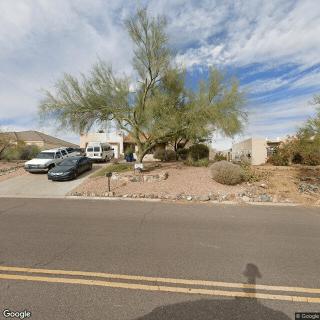
Sunrise Assisted Living Facility
$4,000 to $5,000 / month18.9 miles away -
About the same
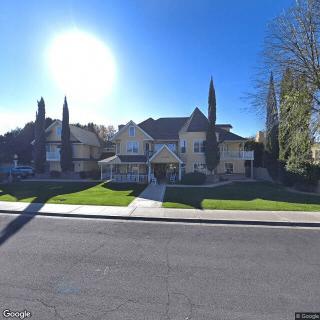
Jim & Patti Jones II
$3,500 to $4,500 / month18.8 miles away
Overall Review of Valencia at 19th 2
Pros
 The facility is described as amazing, with staff in whose hands loved ones could not be in better care.
- The caregivers are genuinely caring, kind, and compassionate to residents, creating a true sense of community.
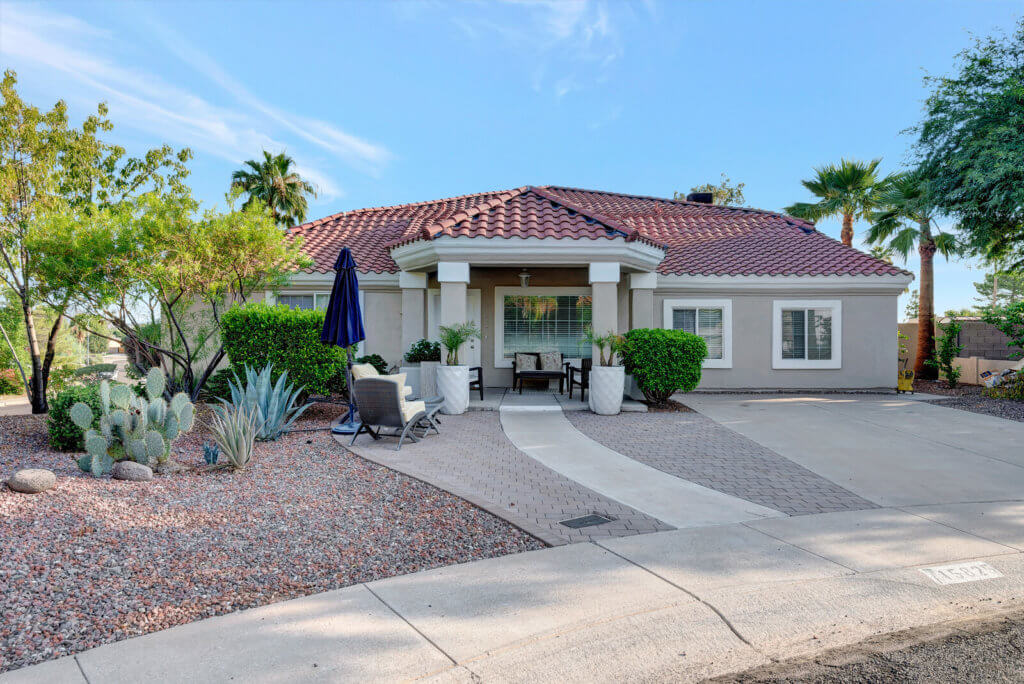
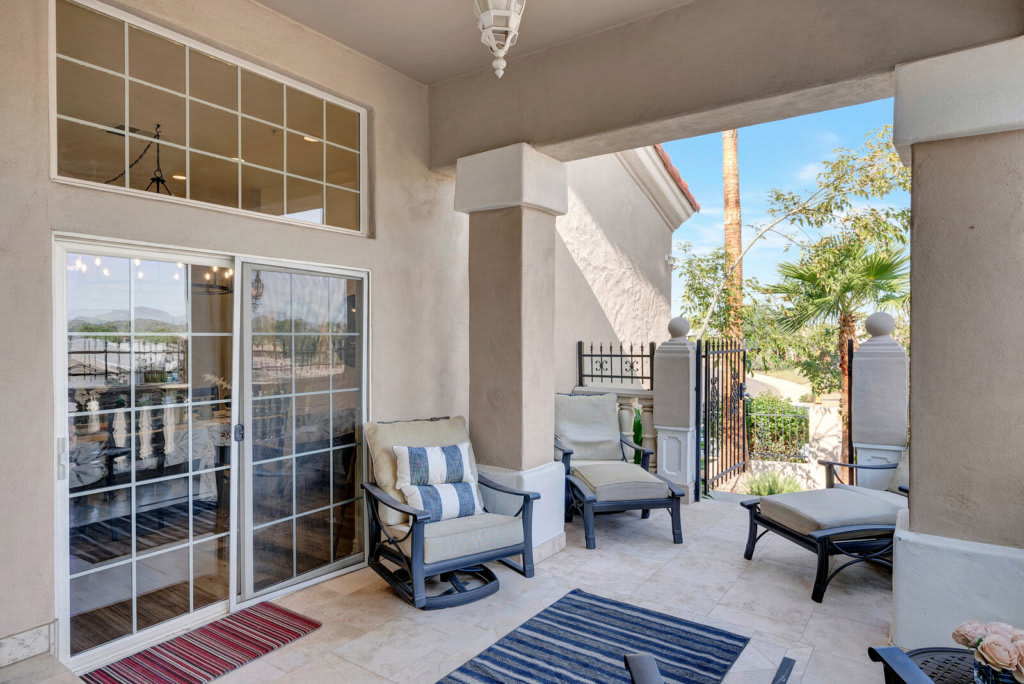
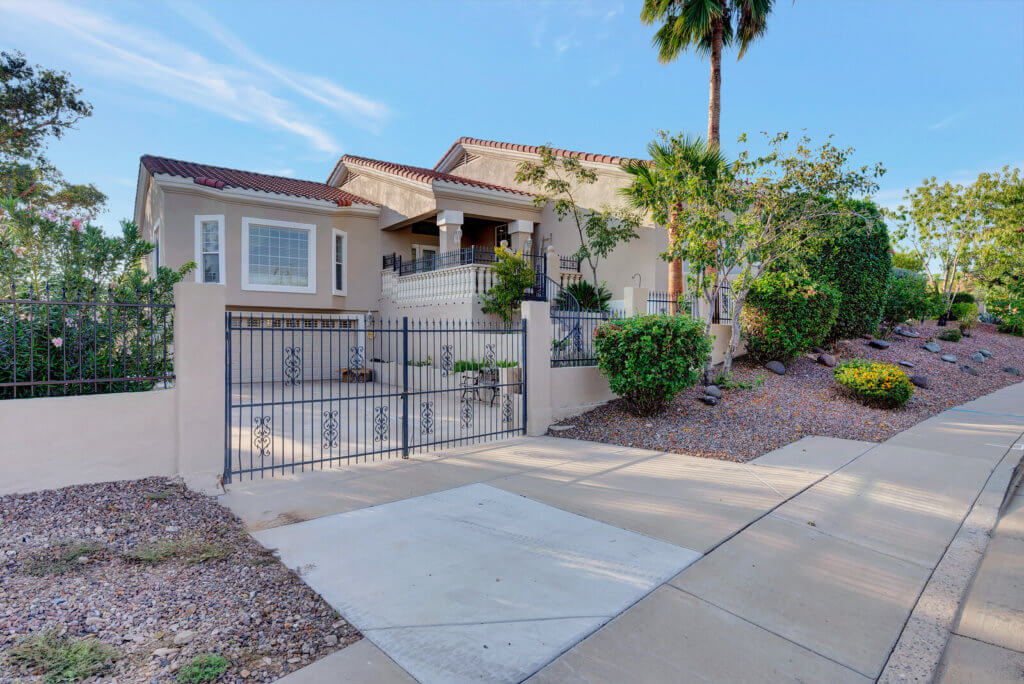
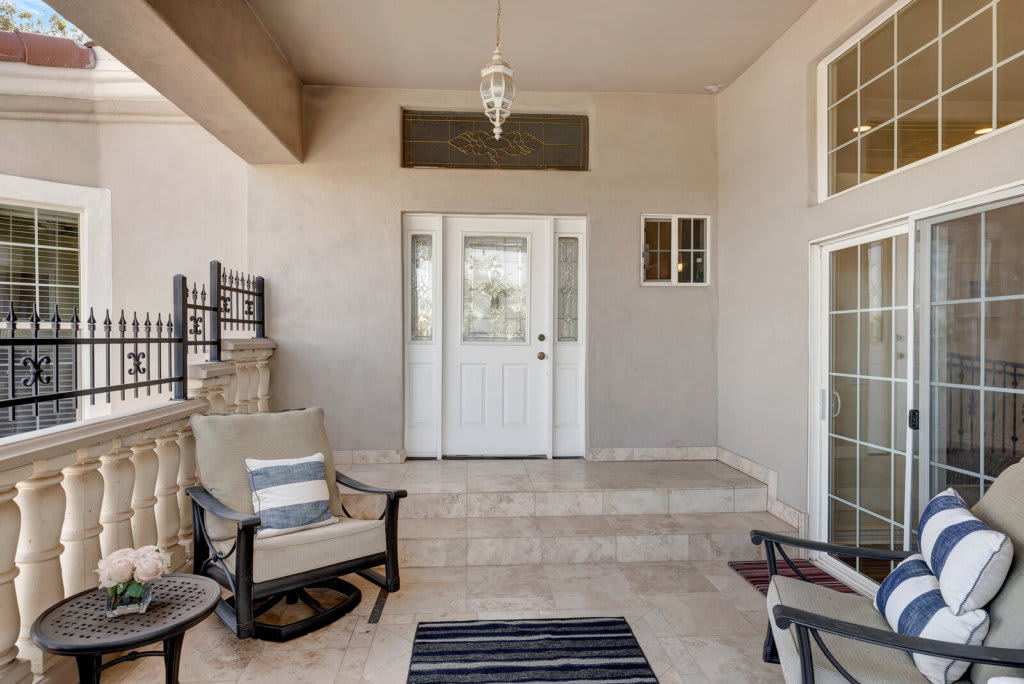
- The home is a beautiful, clean converted house that’s close to family and free from unpleasant odors.
- The all-inclusive monthly model is appreciated for including everything without hidden or extra charges.
- Specific staff members—Jay, Samantha, Jesse, Jessica, Viky, Jazmin, and Jeraldine—are credited with making a positive impact.
- MD Senior Living is noted for genuine kindness, compassion, and respect, a safe and caring environment, delicious meals, and an adaptive care plan.
Cons
 The staff would ignore residents who were asking for water.
- The facility was described as disorganized and more interested in profits than people, with the operations director unwilling to return phone calls.
- There was a lack of training, and there were no licensed nurses on staff—only caregivers.
- There were concerns that residents were overmedicated to make them compliant.
- A mother’s death was attributed by the reviewer to the facility’s incompetence.
- New personnel had taken over recently, suggesting instability.
- Caregivers were criticized for not providing regular movement or exercise, and a resident became lethargic as a result.
- There were not many activities offered.
Review
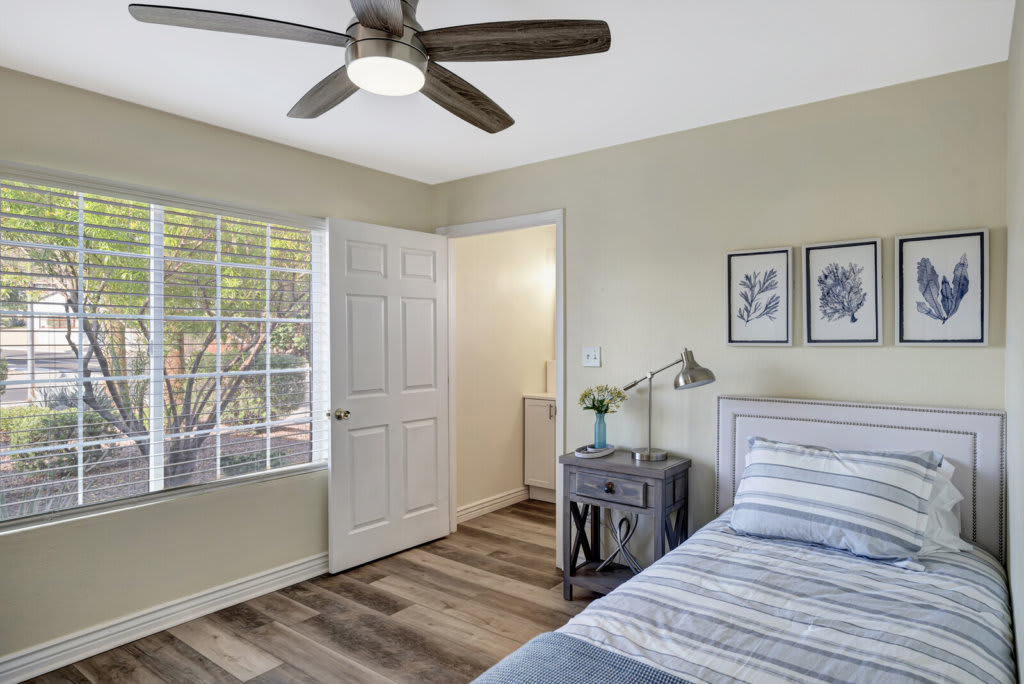
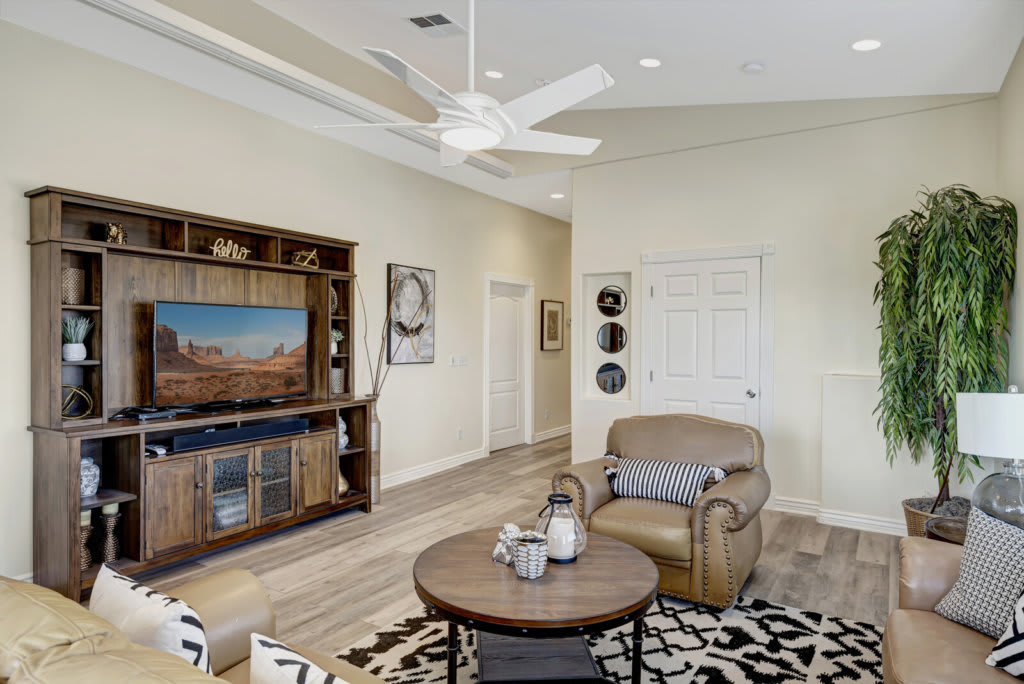
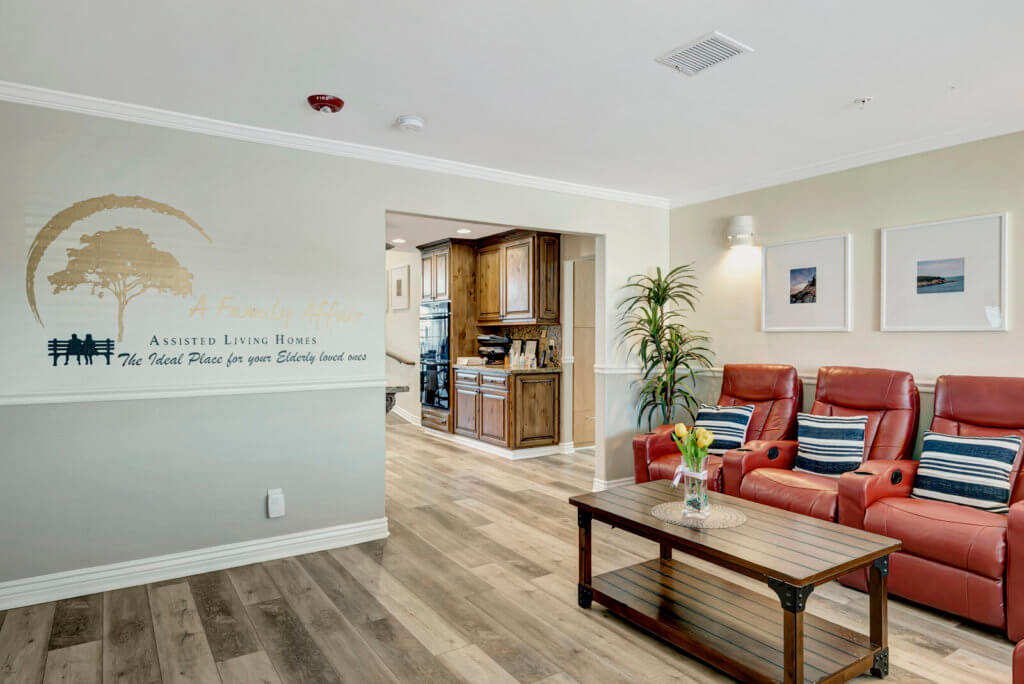
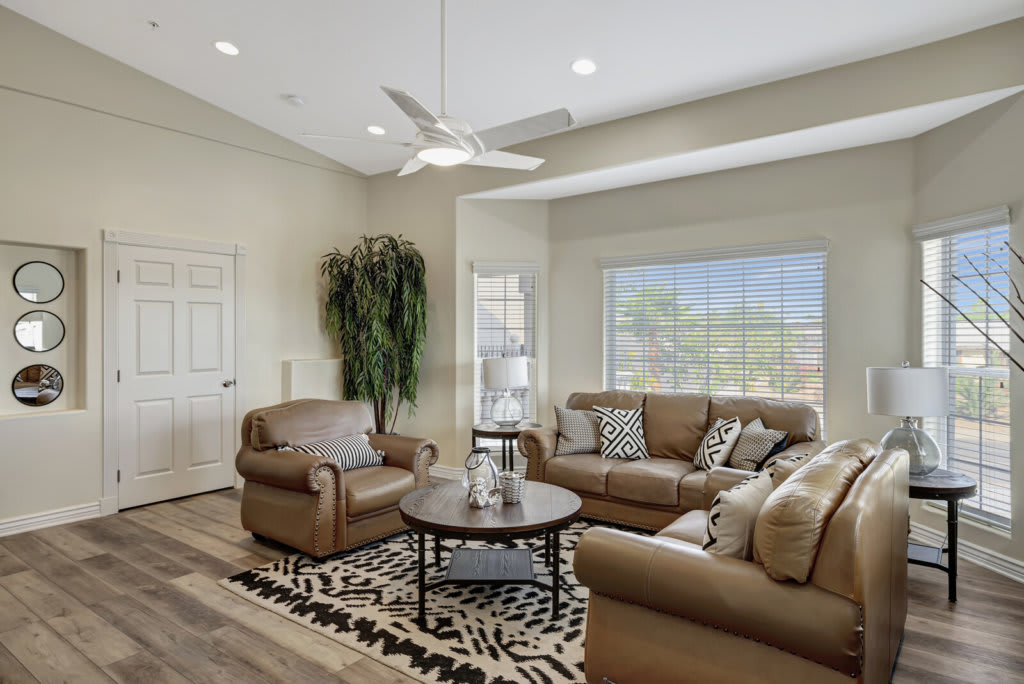
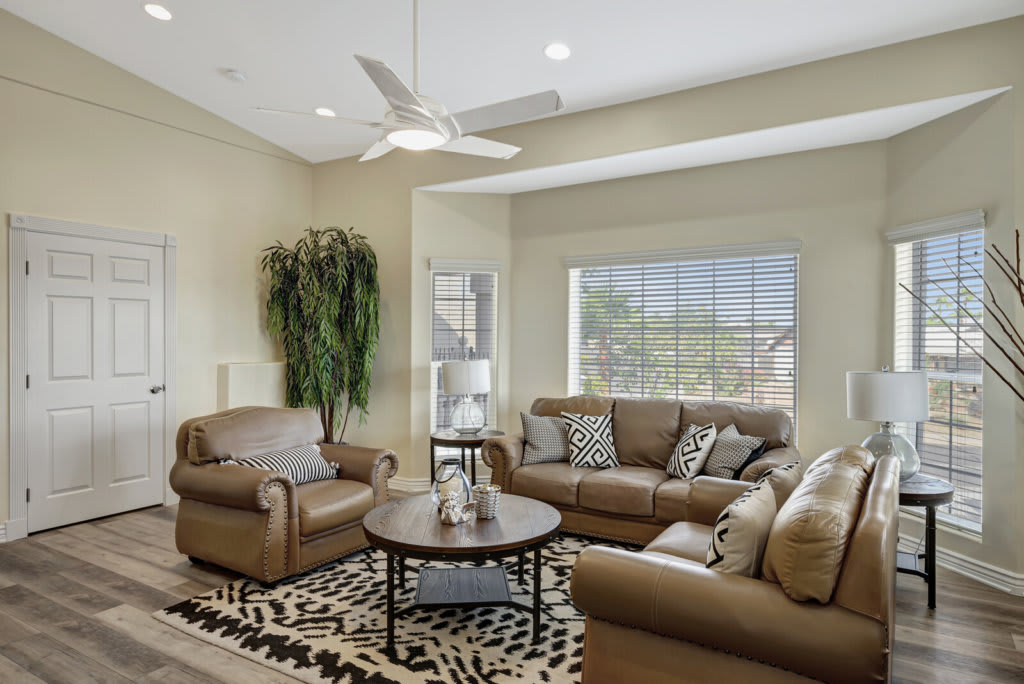
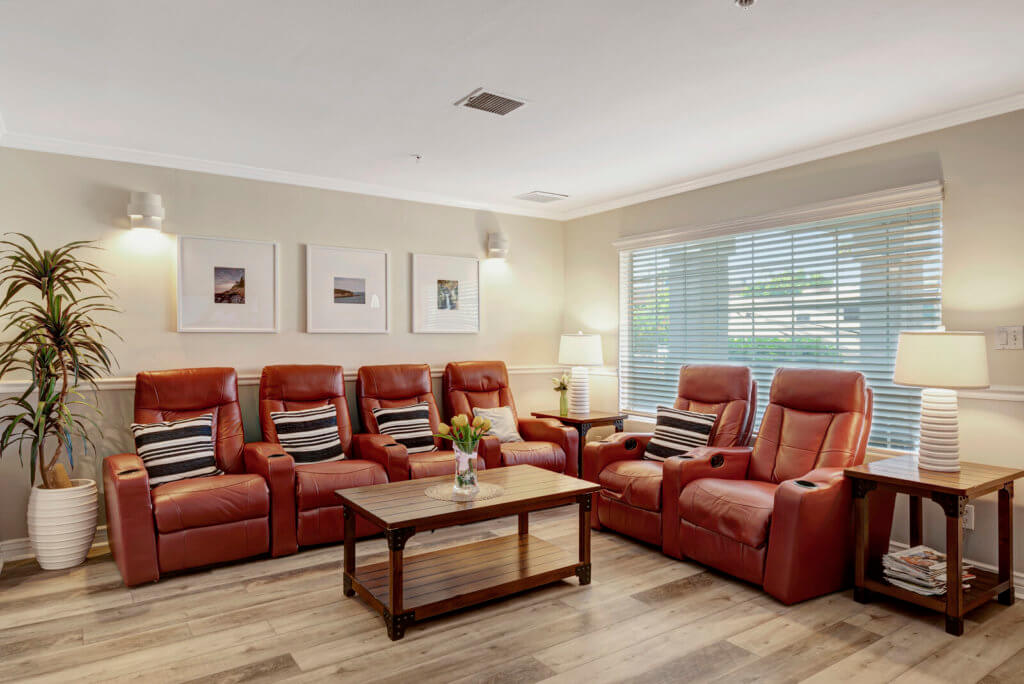
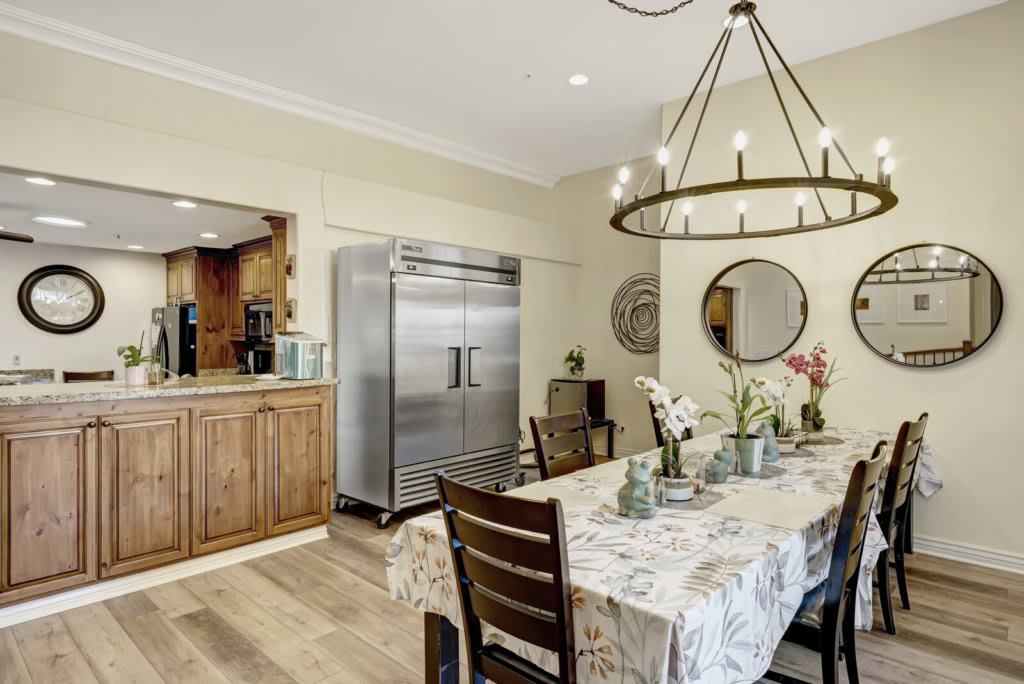
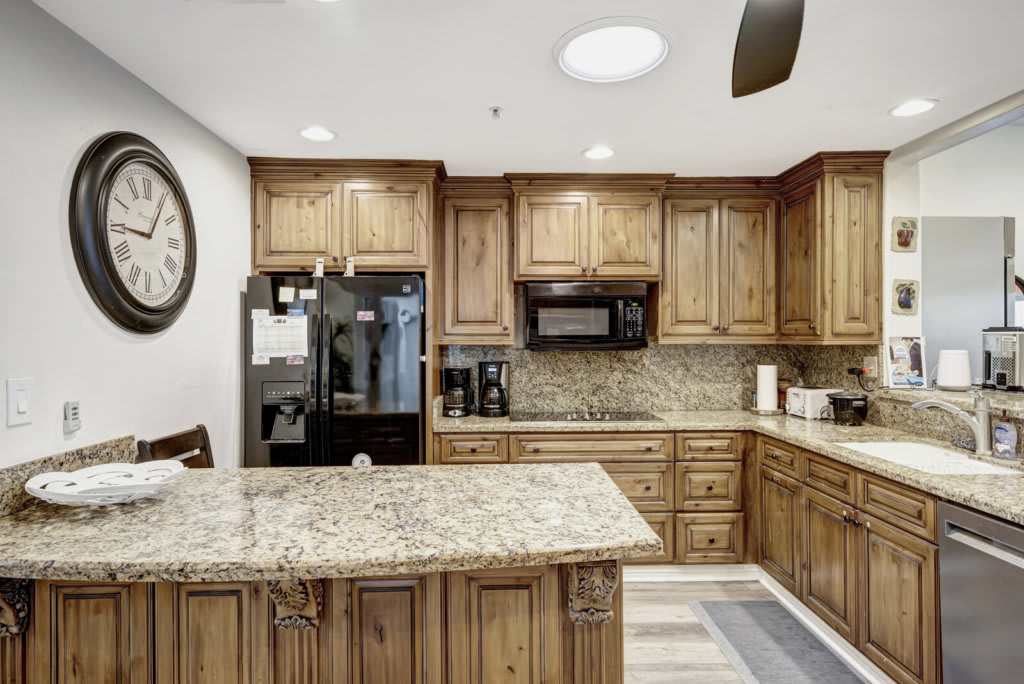
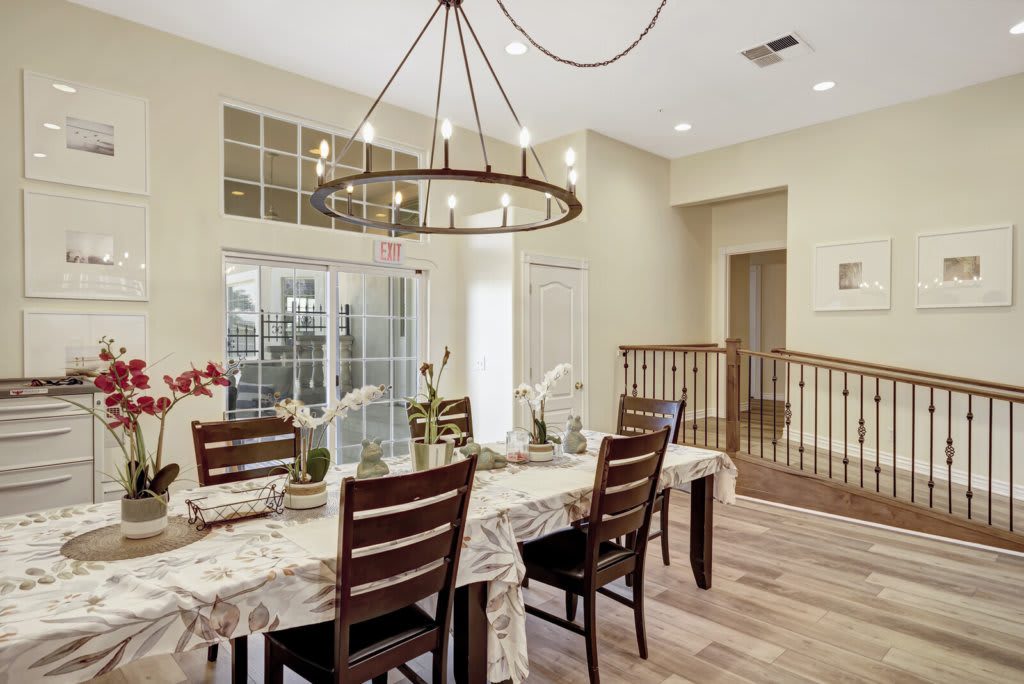
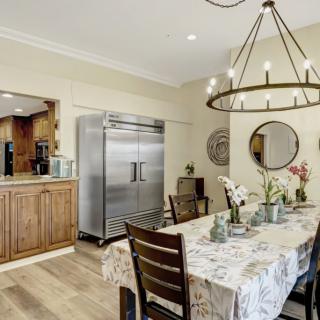
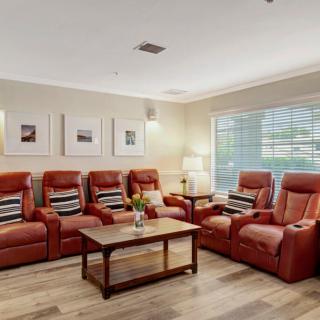
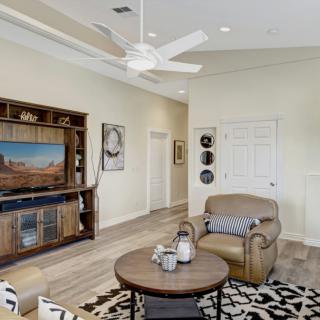
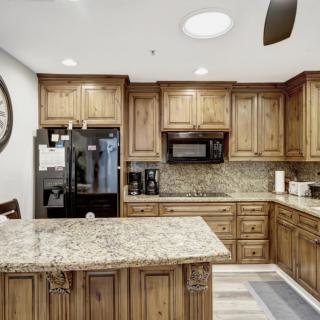
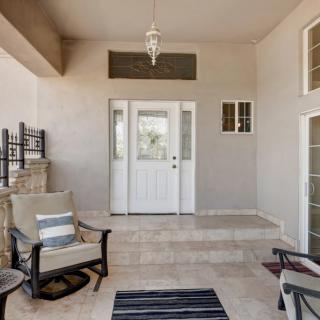
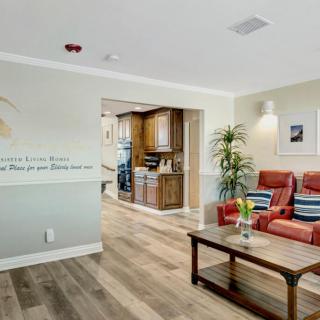
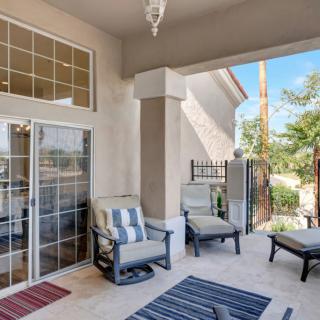
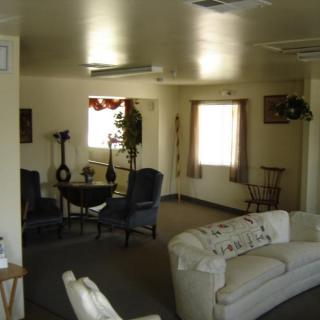
Valencia at 19th 2 in Phoenix is best suited for families seeking a small, homelike setting where a devoted team provides round-the-clock care in a deliberately intimate community. With roughly ten residents and a tight caregiver ratio, the place feels like a true home rather than a clinical campus. The converted-house charm, cleanliness, and absence of the usual facility smell are tangible positives that help residents settle in and families sleep better at night. The all-inclusive monthly model also matters here: families won’t face ongoing add-ons for basic assistance, which reduces bill shock and simplifies planning. For seniors who want personal touches, familiar faces, and a close-knit atmosphere, Valencia presents a compelling fit.
Those weighing alternatives should consider the facility’s size and staffing approach against higher-touch clinical expectations. If a loved one requires robust licensed-nurse oversight, aggressive medical management, or a high level of rehabilitation services, a larger assisted living or a skilled-nursing setting may be more appropriate. The smaller environment can be wonderfully protective and engaging, but it hinges on stable, well-trained caregivers delivering consistent care. Prospective families should also be alert to management stability; at least one review notes leadership changes, and it is wise to verify current leadership and ongoing training to prevent drift in standards.
The strongest pros center on care relationships and a home-like culture that permeates daily life. Caregivers regularly form meaningful bonds with residents, and several staff members are singled out for exceptional warmth and attention. Residents benefit from personalized interaction, long-tenured routines, and a sense of community that arises from shared living space rather than a maze of floors and wings. Cleanliness, well-prepared meals, and a palpable pride among staff contribute to a positive daily rhythm. The consistent praise for specific caregivers, along with a manager who communicates with families, helps counterbalance the inherent risk of a small-team model, where turnover or gaps can reverberate quickly.
However, serious concerns about safety and management surface in a minority of reviews, and those cannot be dismissed. Reports of training gaps, inconsistent responses to medical needs, and even allegations of neglect or inappropriate staff behavior point to potential red flags. When serious incidents are alleged, the entire value proposition of a small, all-inclusive home hinges on swift, competent leadership and a disciplined care protocol. The offset here depends on present-day reality: if the current team is well-staffed, properly trained, and closely supervised, the positives can overshadow the risks. If not, the same small size that delivers warmth can fail to provide the necessary checks-and-balances.
From a decision-making standpoint, due diligence is nonnegotiable. Potential residents should arrange a thorough tour, observe a shift, and meet the person in charge, in this case, the on-site manager, and ask for a detailed daily care plan that covers medications, activity schedules, mobility assistance, and emergency protocols. Request copies of any recent state inspections, and inquire about nurse coverage, physician visits, and how changes in health status are escalated. Talk to multiple families about their experience, and insist on seeing a sample week of activities and meals to verify that engagement and nutrition align with expectations. The goal is to confirm that what feels true in the common areas translates into consistent practice on days that matter most.
In the end, Valencia at 19th 2 stands out as a practical, emotionally resonant option for a senior who thrives on routine, personal attention, and a feeling of belonging in a small community. The all-inclusive price and intimate setting are strong arguments in their favor, particularly for families prioritizing predictability and peace of mind. Yet the decision cannot ignore the fragility inherent in a compact operation: leadership stability, staff training, and robust clinical oversight must be verified and monitored closely. If those elements are solid, this community can deliver a warm, dignified living environment. If not, exploring a larger, more medically integrated option becomes a prudent course of action.
 Board and Care Home
 Memory Care
 Cats allowed
 Dogs allowed
 Private
 Phoenix Sky Harbor International (14 miles away)




 Five Subtle Dementia Indicators to Observe: An In-Depth Guide to Understanding “Does My Mom Have Dementia?”
 Dementia, Paranoia, and Caregiver Guidance: Understanding the Connection
 Engaging Memory Care Activities That Enhance Quality of Life