

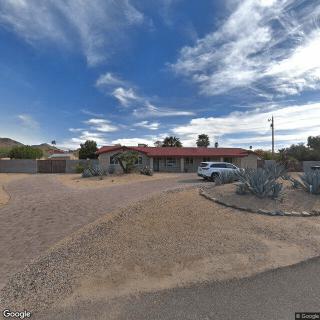
14040 N Cave Creek Rd, Phoenix, AZ 85022
To contact a resident: (602) 765-1401
For more information about senior living options: (866) 208-4318
Overall Review of Arizona Mentor
Pros
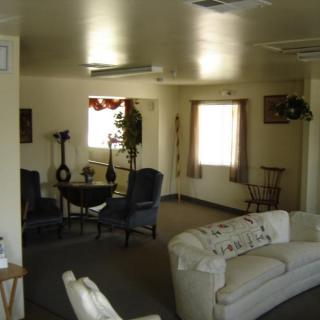
 It smells nice and the staff are friendly.
- The staff were awesome.
- The clients were wonderful to work with.
- This app was so much more accurate than using my GPS.
Cons
 The company is a joke and is all about the money they get.
- Staff and Members are not treated like actual people.
- SEVITA Group Homes are not worth living in.
- The leadership and management do not care about members or staff.
- The program is operated negligently by incompetent individuals who care little about peace and safety.
- Complaints have gone unanswered when filed through the network.
- If a loved one is autistic, they should not be sent there because the staff do not understand their needs.
- Oscar is uncaring to staff and clients; he is rude and unprofessional.
- A staff member allegedly shouted racial epithets in the back yard, and the organization did nothing to address it.
- The facility allowed a patient to wander to a neighbor’s house and threaten them, with staff failing to intervene or apologize.
- Bottom line: don’t send loved ones to Arizona Mentor.
Review
Arizona Mentor in Phoenix is best suited for families who prioritize a homey, low-cost group-home vibe and can tolerate highly variable care quality. This community often feels like a neighborhood setting more than a tightly regulated care program, where warmth from some staff and an apparent sense of camaraderie among clients can exist alongside uneven supervision. The overarching impression from reviews is that safety, stability, and consistent professional oversight are not reliable guarantees here. For families seeking a predictable, well-run program with steady responses from leadership, this option does not deliver.
Those considering alternatives should particularly note that this is not a fit for autistic individuals or anyone requiring strong behavioral support and vigilant risk management. Several reviews directly flag concerns about how needs are understood and met, and about the ability of management to respond to complaints or to intervene when problems arise. If reliability, dignity in treatment, clean and organized facilities, and accountable leadership are non-negotiable, exploring other providers is strongly advised. The combination of reports on management shortcomings and safety incidents makes the case for looking elsewhere even for budget-conscious families.
The main pros, friendly staff, a welcoming atmosphere, and moments when clients and staff connect positively, do little to offset the most significant drawbacks. While some workers are described as caring and cheerful, that sentiment competes with repeated assertions that management is uncaring, slow to address issues, and dismissive of resident and family concerns. The facility’s reputation for poor communication, plus occasional accusations of neglect or unsafe conditions, undermines any charm the setting may offer. In practical terms, warmth without accountability rarely translates into dependable, long-term well-being for residents.
Safety and consistency emerge as the decisive fault lines. Multiple accounts describe behavior that ranges from disorganized operations to outright negligence, including staff mismanagement, unresolved complaints, and disturbances that spill into the neighborhood. Instances of supposed staff misconduct, residents wandering off, and a lack of timely, effective responses create an ongoing sense of risk. Even when the physical environment smells pleasant or appears well-kept, the absence of robust supervision and clear, enforceable policies makes the setting fragile. In short, the best-case scenarios hinge on luck rather than a reliable care framework.
For families weighing this option, a practical action plan is essential. Ask leadership for concrete staffing ratios, shift coverage plans, and ways concerns are tracked and closed. Request recent incident reports, and verify how quickly and thoroughly complaints are escalated to leadership or licensing authorities. Seek a written commitment to a trial period with defined milestones and a clear exit path if safety or dignity are compromised. In any case, prioritize environments where management demonstrates proactive communication, transparent problem-solving, and a consistent track record of improving resident well-being.
Bottom line: Arizona Mentor presents a risky choice for most families, especially those with higher safety needs or autistic individuals who require steady behavioral support. It may work for families who can tolerate significant variability, limited oversight, and a willingness to engage actively with governance and monitoring. For those prioritizing dignity, safety, and reliable staff accountability, alternatives are strongly recommended. This community functions at its best only when warmth and sisterly or brotherly care from some staff are paired with unwavering leadership and clear, responsive risk management, conditions that, in practice, remain inconsistent.
 Phoenix Sky Harbor International (13 miles away)





 Comprehensive Guide to Medicare Coverage for Hospice Care
 Caring for Those Who Care: Recognizing, Understanding, and Overcoming Caregiver Burnout
 Caregiver Exhaustion: Recognizing the Signs and Restoring Your Well-Being