For more information about senior living options: (866) 208-4318
4.4 from 91 reviews
5 stars
69
4 stars
6
3 stars
6
2 stars
1
1 stars
9
Bethesda Gardens Costs & Pricing
Bethesda Gardens offers a range of pricing options for its residents, reflecting the premium services and amenities provided in comparison to the broader market of Maricopa County and Arizona. For instance, the monthly cost for a semi-private room at Bethesda Gardens is $3,740, which is notably higher than the county average of $2,801 and the state average of $2,820. Similarly, studio accommodations are priced at $4,740 versus Maricopa County's $3,960 and Arizona's $3,829. Lastly, those seeking a one-bedroom unit will find Bethesda Gardens' rate of $4,940 surpassing both local and state averages significantly - $3,473 in Maricopa County and $3,532 statewide. These figures indicate that while Bethesda Gardens may be on the higher end of the spectrum regarding costs, it likely corresponds to an elevated level of care and community experience tailored to its residents' needs.
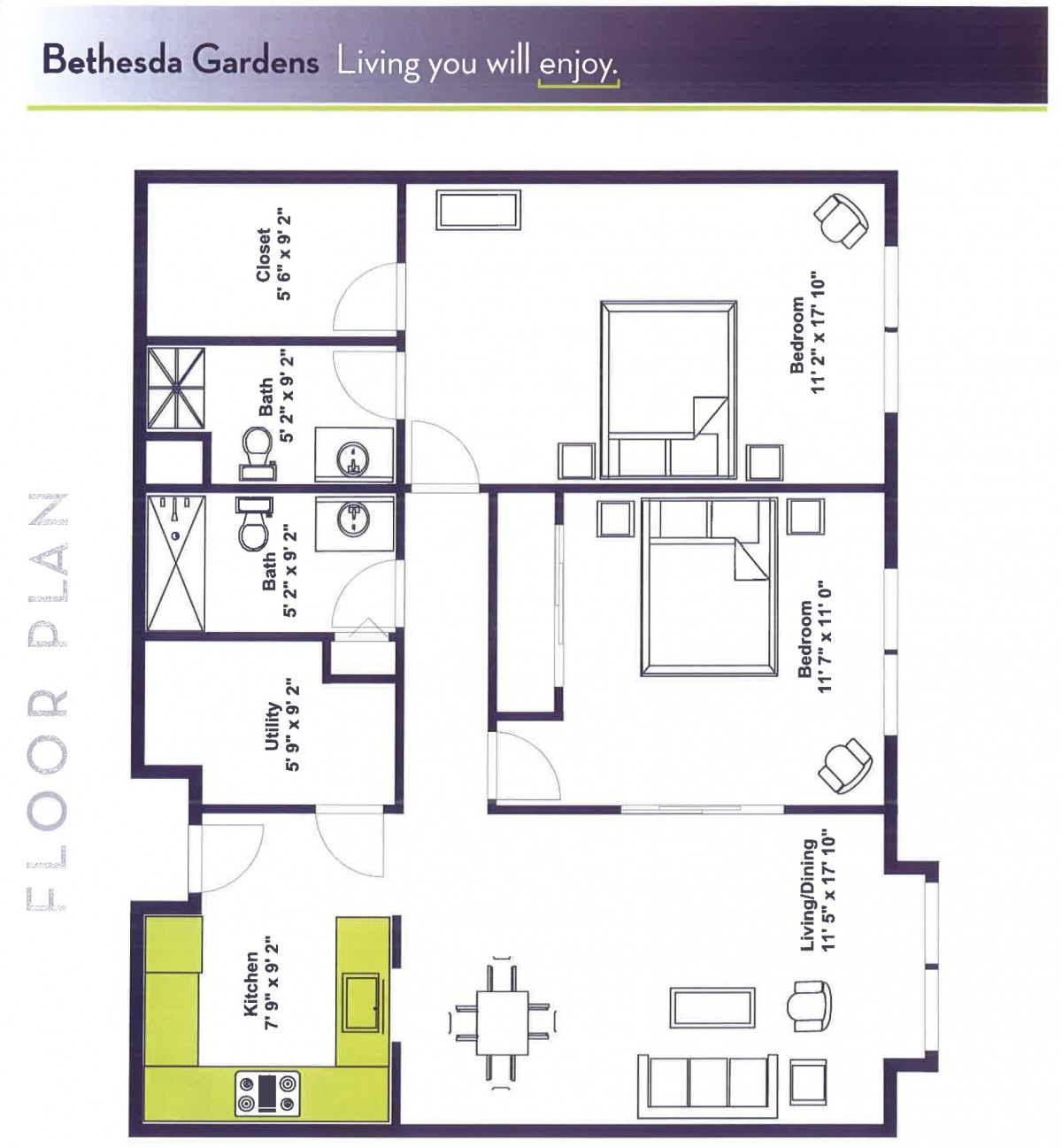
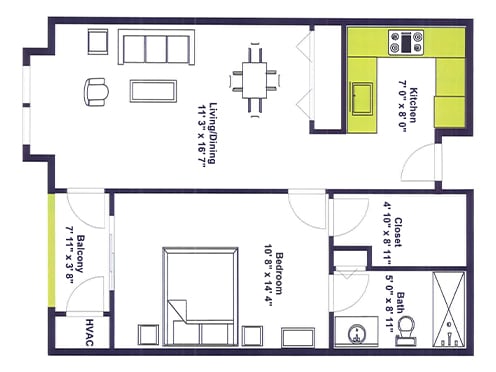
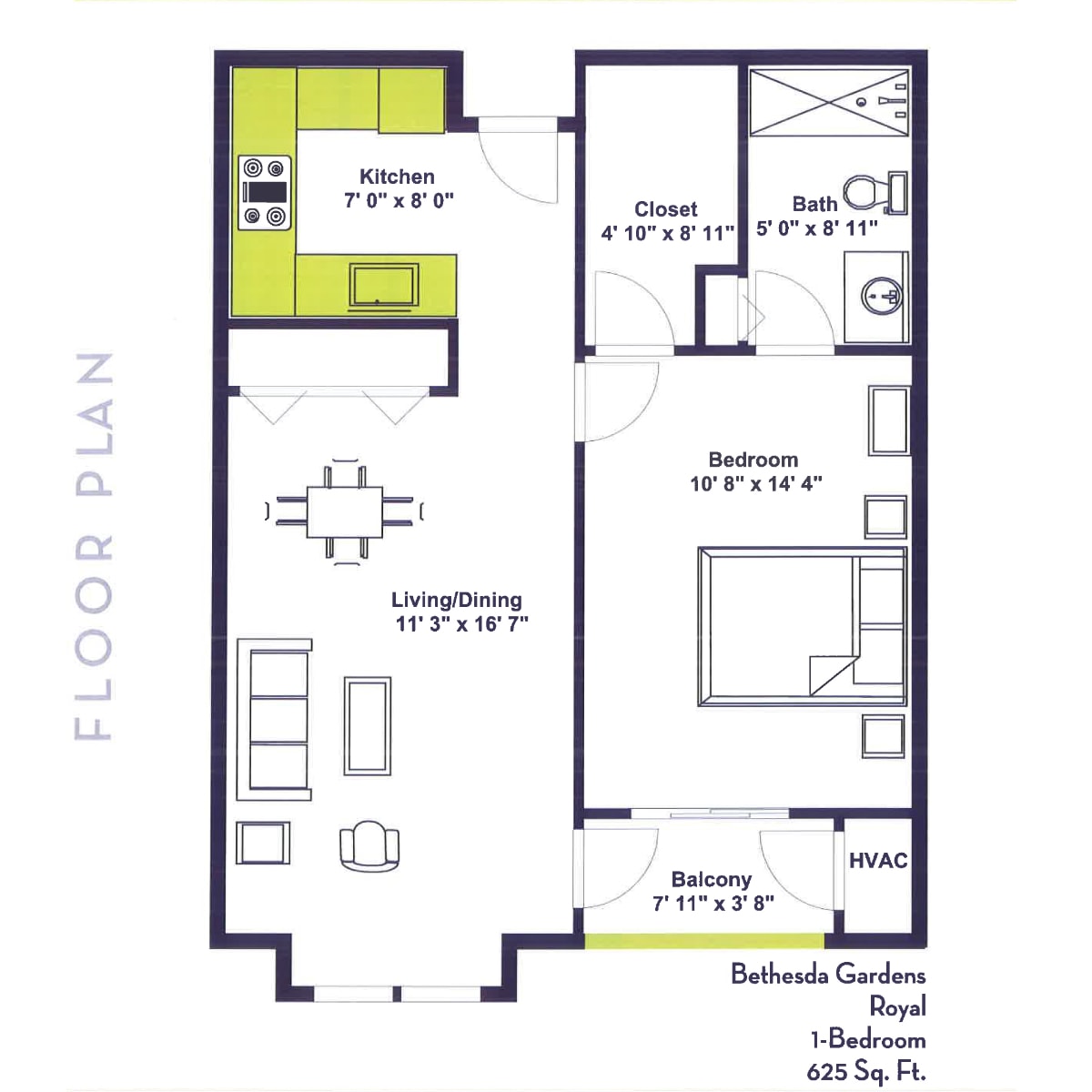
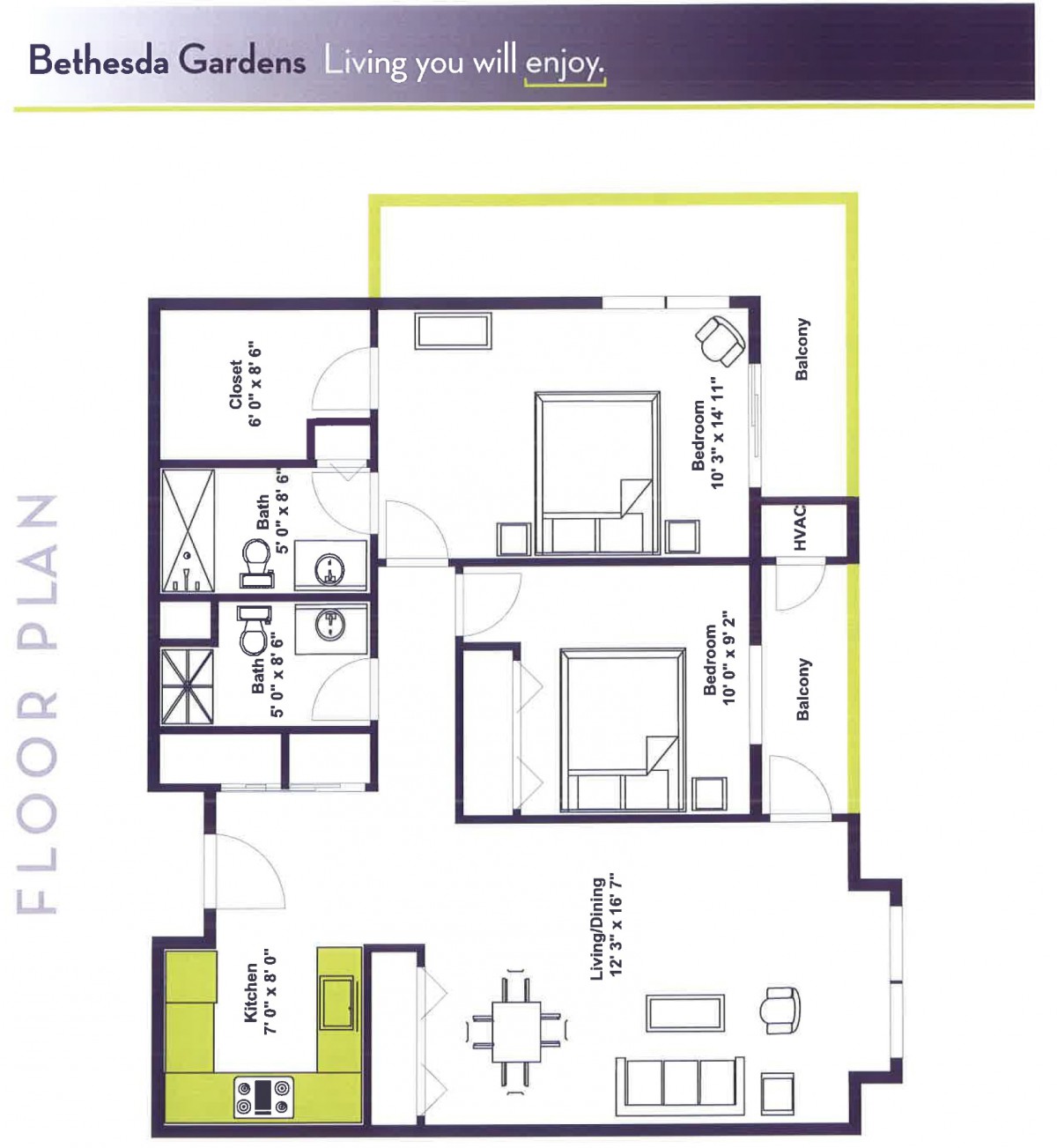
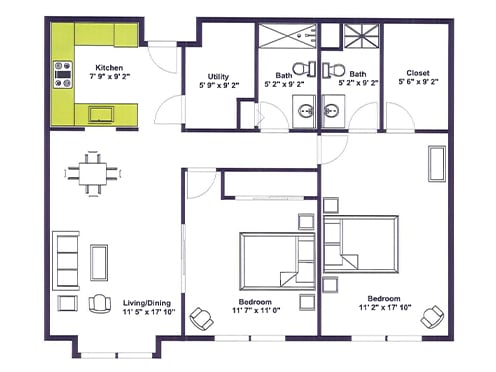
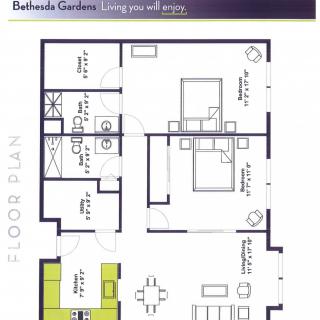
Floor plans
Bethesda Gardens
Maricopa County
Arizona
Semi-Private
$3,740
$2,801
$2,820
Studio
$4,740
$3,960
$3,829
1 Bedroom
$4,940
$3,473
$3,532
Memory care communities with a similar price nearby
Residents and families repeatedly describe caring, responsive staff who help them feel supported.
Across many reviews, families say the staff is kind, compassionate, and attentive to daily needs. Several mention quick help with things like maintenance requests, transportation, and support during transitions or changes in health. Communication is also a recurring point, with families describing regular check-ins and feeling kept in the loop.
caveat9 reviews mention this
Dining and mealtimes are a mixed point
Dining gets both compliments and complaints, including concerns about meal service timing.
Some residents and families highlight meals as a positive, including good food and regular access to the dining room. Others describe slower meal service or meals that fall short, including comments about waiting to be served and food that isn’t as satisfying as expected. This pattern suggests dining quality may depend on timing and the experience of the day.
caveat6 reviews mention this
Care approach and safety vary
Reviews describe a care experience that is sometimes proactive, and sometimes falls short on safety and training.
Several reviews praise the nursing and clinical communication, describing staff availability and advocacy when needs change. At the same time, a few reviews raise serious concerns—such as repeated falls, missed health warning signs, and problems managing memory-related behaviors or personal hygiene. Taken together, residents may have a smoother experience when needs fit the team’s strengths, while others report avoidable gaps during higher-acuity situations.
caveat4 reviews mention this
Pricing is a frequent tradeoff
Pricing comes up often, with some saying it’s expensive while others say it fits better than past options.
One review calls out the cost as extremely high relative to the level of care, while another family compares pricing to a previous facility and says it is more in their budget. Even among positive reviews, the recurring theme is that families evaluate value carefully based on the care they see day to day. That makes pricing feel less uniform and more tied to expectations and individual circumstances.
common10 reviews mention this
Activities and outings keep residents engaged
Many reviewers say activities keep residents engaged and help them socialize.
Reviews frequently mention daily activities and organized events, including opportunities that help residents meet others. Families also describe outings and faith-based devotional options as part of what keeps people involved. A smaller number of reviews criticize activity engagement or that residents seem bored, but engagement is still a strong overall theme.
How we summarize
Counts show how many written reviews mention each theme; a review can touch several themes, and only frequently mentioned themes are displayed.
Features
Housing
130 resident community capacity
Types of Care
Assisted Living
Memory Care
Respite Care
Pets
Cats allowed
Dogs allowed
Amenities
Activities off-site
Activities on-site
Air-conditioning
Beautician on-site
Beauty salon
Cable or satellite TV
Computer center
Devotional services off-site
Devotional services on-site
Dining room
Fitness room
Fully furnished
Gaming room
Garden
Ground floor units
Handicap accessible
Housekeeping services
Indoor common areas
Kitchenette
Move-in coordination
Outdoor common areas
Outdoor space
Private bathrooms
Restaurant-style dining
Small library
Telephone
Wellness center
Wi-Fi/high-speed internet available
Transportation
Phoenix Sky Harbor International (12 miles away)
Community operated transportation
Transportation arrangement
Transportation arrangement (non-medical)
Transportation to doctors appointments
Care Services
12-16 hour nursing
24-hour call system
24-hour supervision
Activities of daily living assistance
Ambulatory care
Assistance with bathing
Assistance with dressing
Assistance with transfers
Diabetes diet
Diabetic care
Incontinence care
Meal preparation and service
Medication management
Mental wellness program
Special dietary restrictions
Dining
Anytime dining
Diabetes diet
Guest meals
Low / no sodium
Meals provided
No Sugar
Professional chef
Restaurant style dining
Special dietary restrictions
Special dining programs
Activities
Art classes
Catholic services
Community-sponsored activities
Concierge services
Cooking classes
Day trips and outings
Devotional activities offsite
Devotional activities on-site
Educational speakers / life long learning
Fitness programs
Live dance or theater performances
Live musical performances
Planned day trips
Resident-run activities
Scheduled daily activities
Visiting Rabbi
Visiting chaplain or priest
Nearby Places of Interest
This part of Phoenix, Arizona offers a convenient and diverse range of amenities for seniors looking to settle in the area. With multiple pharmacies nearby such as Walgreens and CVS, access to medical supplies and prescriptions is easily accessible. Additionally, there are various physician offices within close proximity, including NOAH Palomino Health Center and Elite Plastic Surgery, ensuring healthcare needs can be met conveniently. The area also offers a variety of dining options, ranging from fast food chains like McDonald's and Taco Bell to local favorites like Chino Bandido and Manuel's Mexican Food. For those who enjoy outdoor activities, several parks are located within a few miles, providing opportunities for recreation and relaxation. Places of worship such as New Vision Center for Spiritual Living and St Bernadette Catholic Church cater to spiritual needs, while the nearby Mayo Clinic ensures access to quality healthcare services. Additionally, residents can enjoy entertainment at the AMC DINE-IN Desert Ridge 18 theater located in the vicinity. Overall, this part of Phoenix provides a well-rounded living experience with convenient amenities tailored to senior residents' needs.
Pharmacies
Walgreens (1.3 miles)
Fry's Pharmacy (2.2 miles)
Walgreens (2.3 miles)
Walgreens (2.9 miles)
Walgreens (2.9 miles)
CVS Pharmacy (3.2 miles)
CVS Pharmacy (3.3 miles)
Physicians
NOAH Palomino Health Center (1.6 miles)
2nd Chance Treatment Center (2.7 miles)
Care MD (3.4 miles)
Aoc (3.5 miles)
Wyse, Mark Family Practice Specialists Limited (3.6 miles)
Elite Plastic Surgery (3.7 miles)
Camelback Women's Health (3.7 miles)
Restaurants
McDonald's (2 miles)
Sonic Drive-In (2.5 miles)
McDonald's (2.7 miles)
In-N-Out Burger (3.2 miles)
Chino Bandido (3.3 miles)
Manuel's Mexican Food (3.6 miles)
Taco Bell (3.8 miles)
Cafes
Dutch Bros Coffee (2.1 miles)
Press Coffee - The Roastery (2.4 miles)
Panera Bread (2.8 miles)
Starbucks (5.2 miles)
Starbucks (5.3 miles)
The Human Bean (5.4 miles)
Starbucks (5.6 miles)
Parks
Moon Valley Park (2.9 miles)
Phoenix Mountain Preserve (3.2 miles)
Desert Horizon Park (4.3 miles)
Sun Devil Ridge Park (4.7 miles)
Royal Palm Park (4.9 miles)
Aviano Park (5.5 miles)
Conocido Park (5.5 miles)
Places of Worship
New Vision Center for Spiritual Living (4.2 miles)
Bethesda Gardens offers a range of pricing options for its residents, reflecting the premium services and amenities provided in comparison to the broader market of Maricopa County and Arizona. For instance, the monthly cost for a semi-private room at Bethesda Gardens is $3,740, which is notably higher than the county average of $2,801 and the state average of $2,820. Similarly, studio accommodations are priced at $4,740 versus Maricopa County's $3,960 and Arizona's $3,829. Lastly, those seeking a one-bedroom unit will find Bethesda Gardens' rate of $4,940 surpassing both local and state averages significantly - $3,473 in Maricopa County and $3,532 statewide. These figures indicate that while Bethesda Gardens may be on the higher end of the spectrum regarding costs, it likely corresponds to an elevated level of care and community experience tailored to its residents' needs.
The range of features at Bethesda Gardens is designed to provide comprehensive support for individuals with dementia or Alzheimer's disease, promoting their overall well-being and safety. The 24-hour supervision ensures round-the-clock monitoring, allowing caregivers to promptly respond to any needs or emergencies. Assistance with activities of daily living, including bathing, dressing, and transfers, helps residents maintain dignity while receiving the necessary help to navigate their daily routines. Incontinence care offers additional comfort and privacy, addressing a common challenge faced by those with cognitive decline. Meal preparation and service cater to nutritional needs while considering dietary restrictions, fostering health through proper nutrition. Medication management minimizes the risk of missed doses or errors, which is critical given the complexities often associated with medication regimens in this population. Moreover, a mental wellness program engages residents in cognitive-stimulating activities that can enhance their mood and cognitive function, creating an environment that encourages mental engagement and social interaction essential for those living with memory impairments.
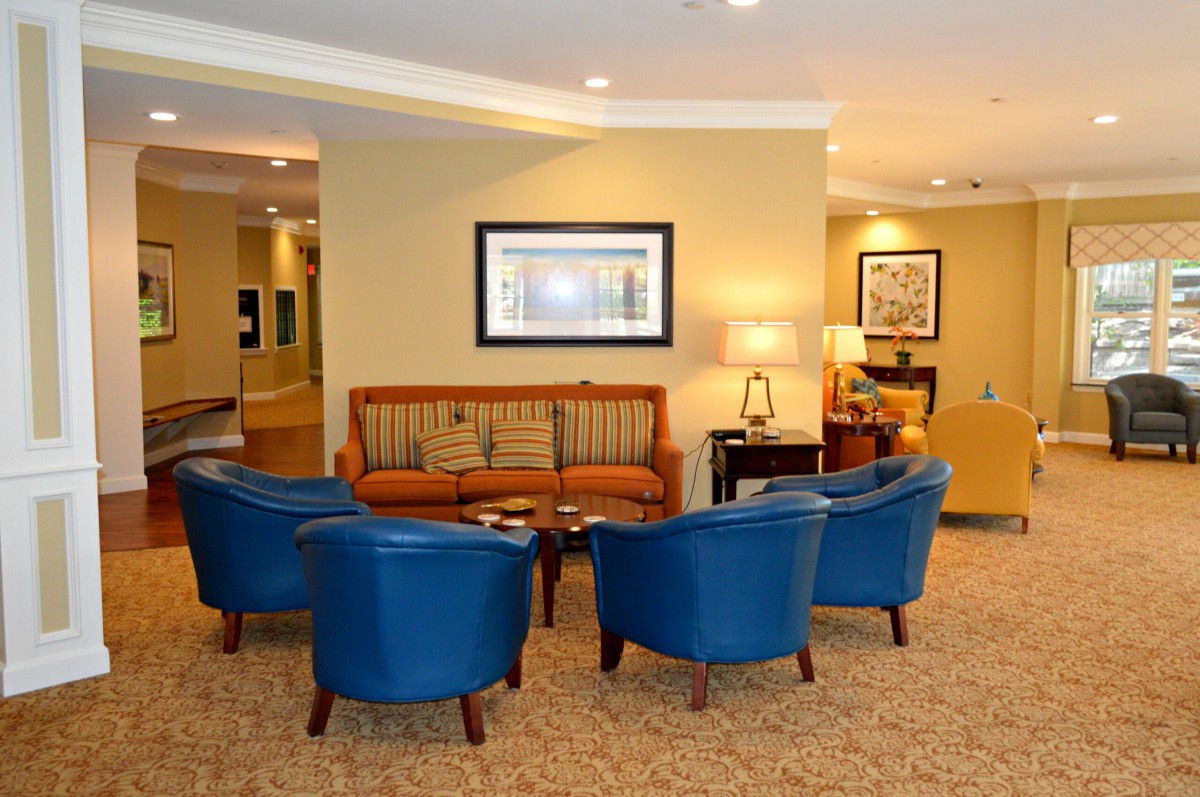
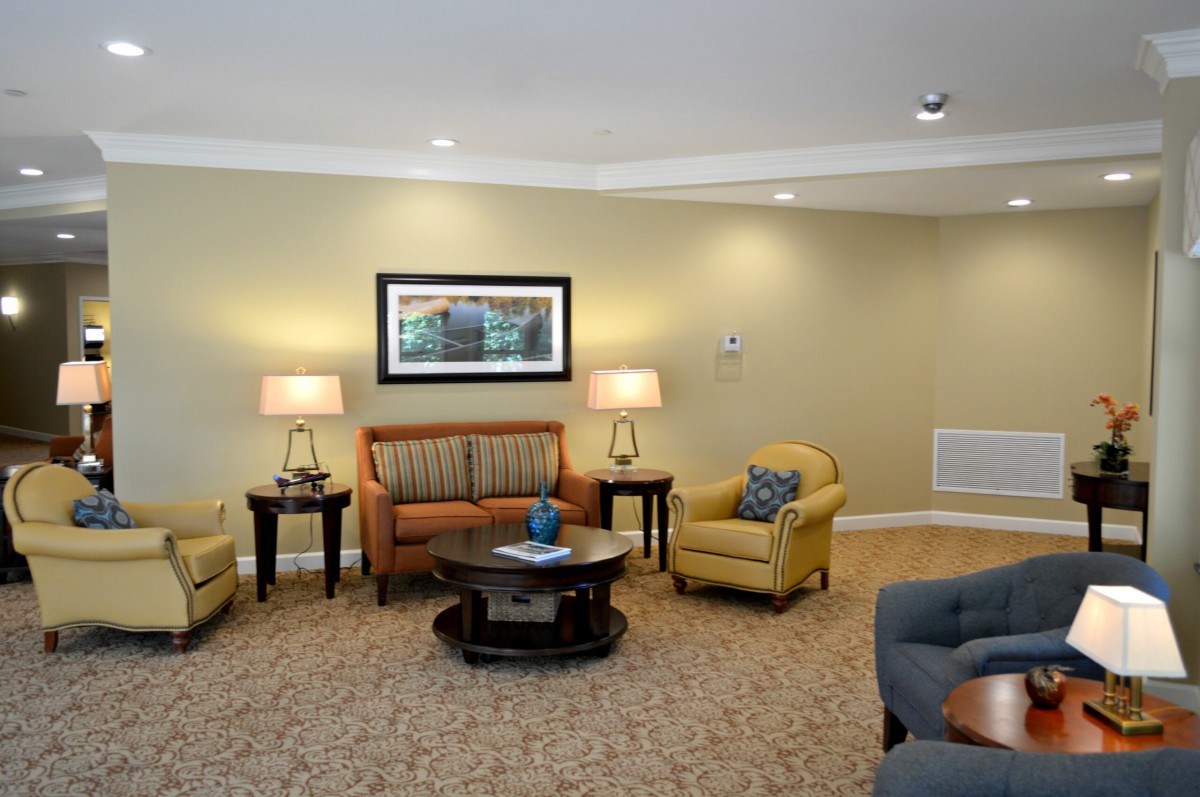
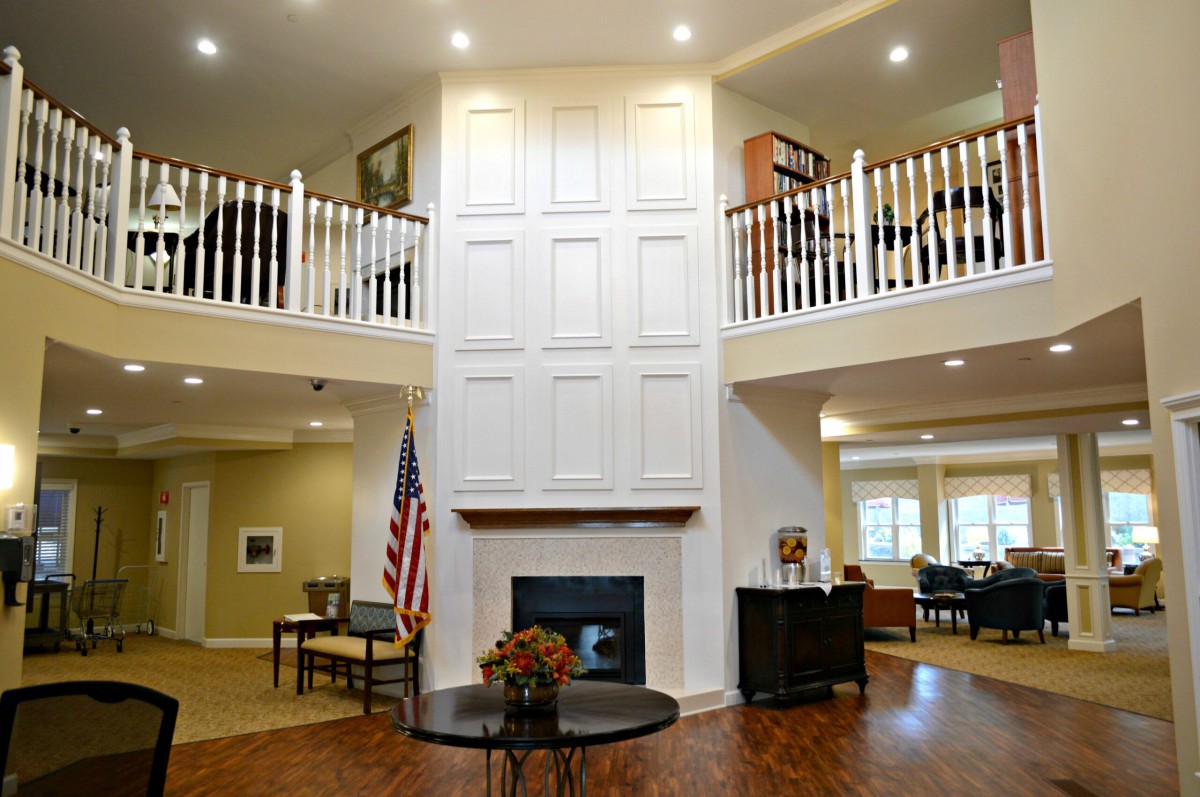
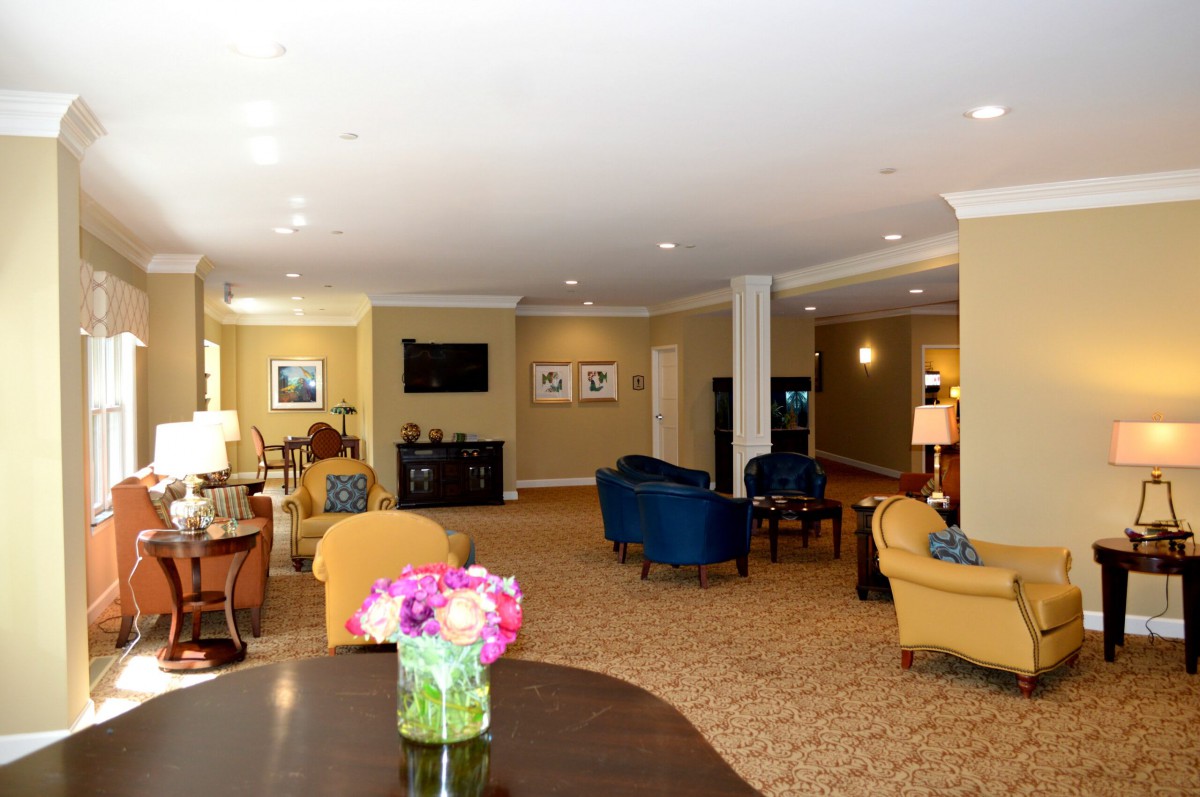
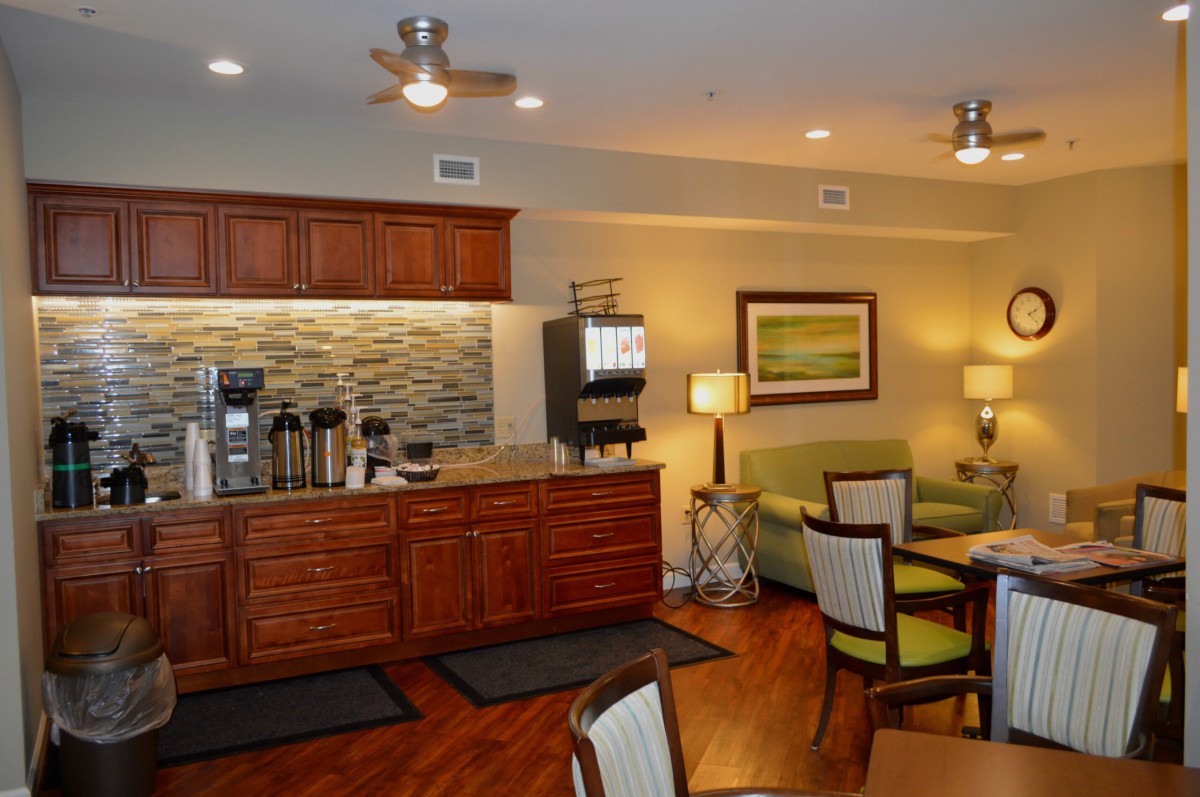
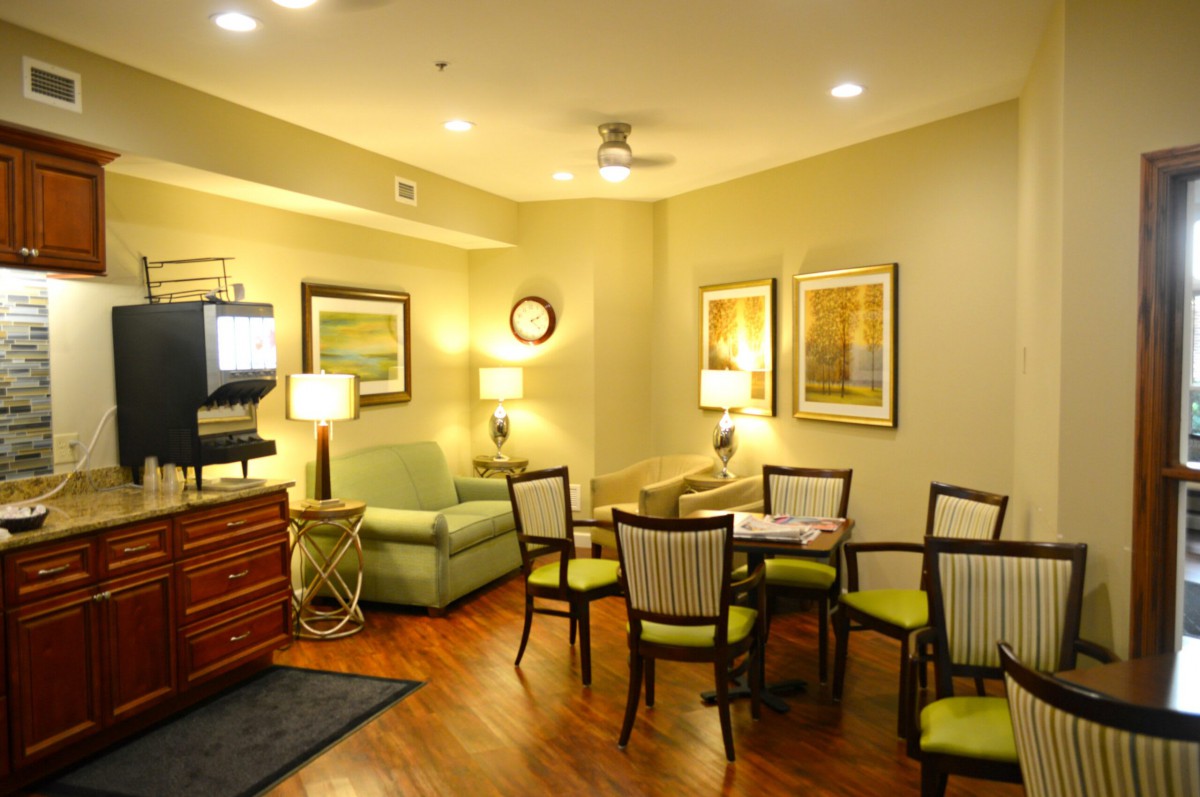
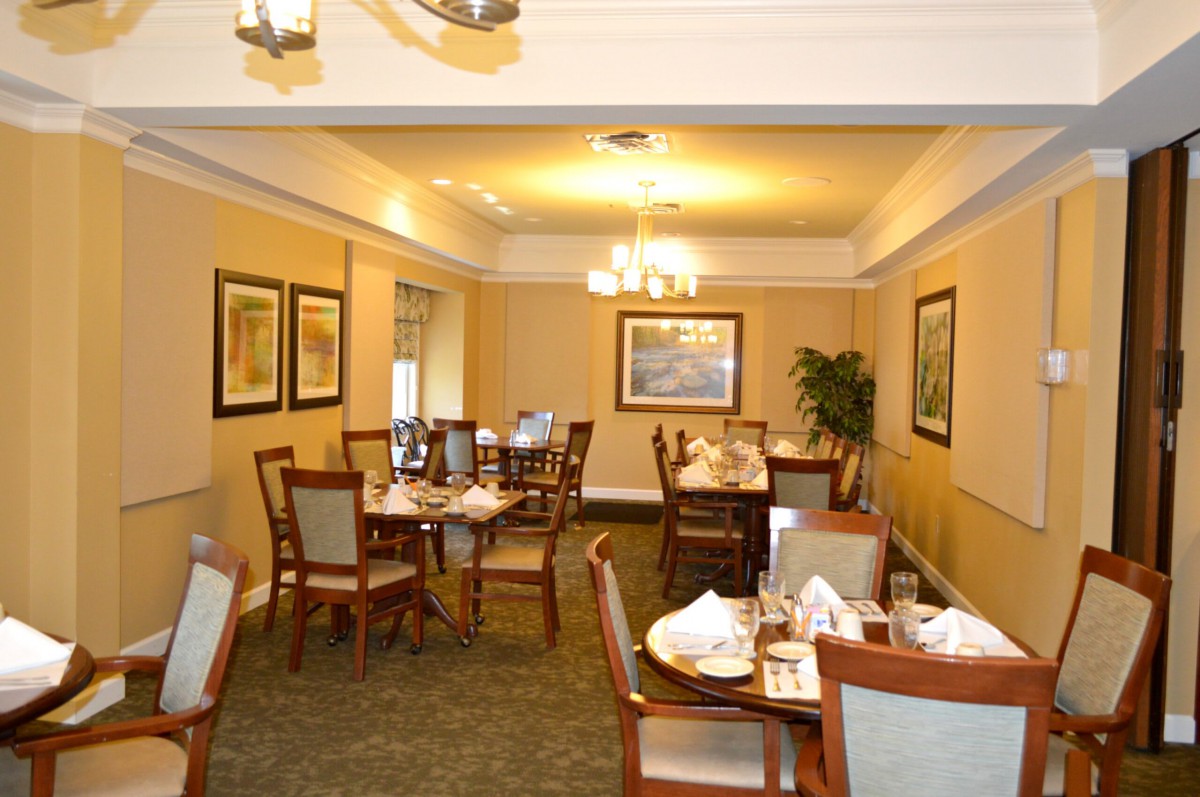
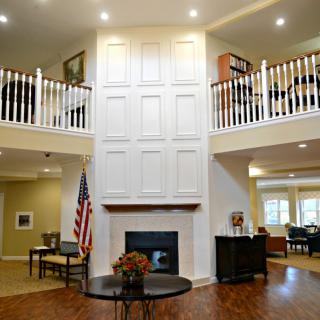
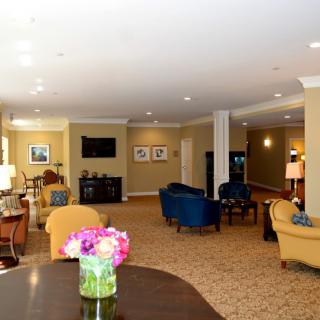
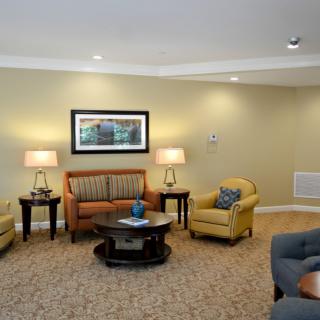
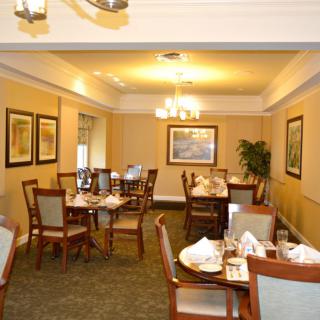
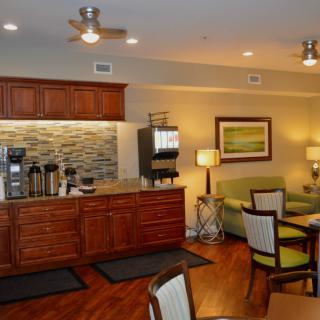
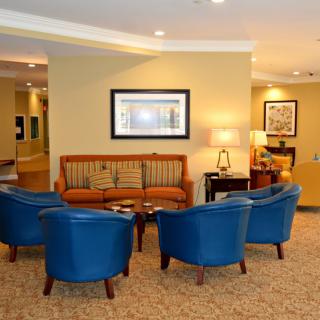
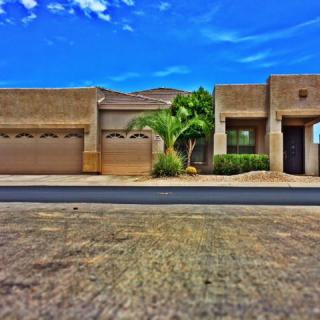
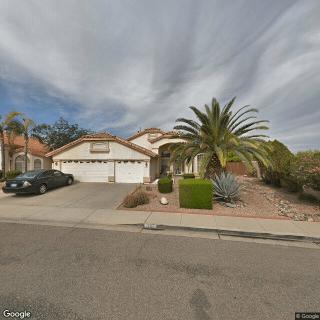
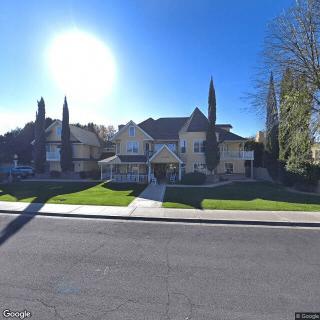
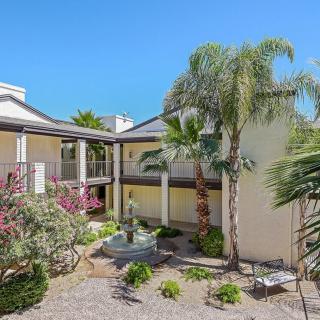
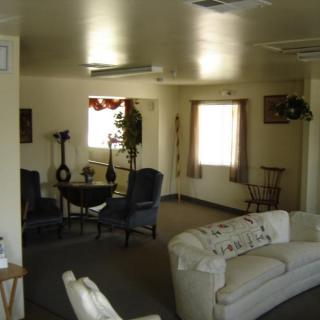
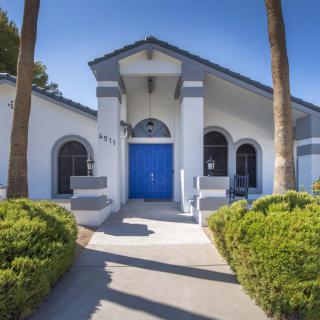
Bethesda Gardens on seniors.fyi includes 14 photos including images showing floor plan, interior, living room, decor, lighting, dining, seating area, architecture, and more.
Nearby Communities
Arizona Mentor
Phoenix, AZ
2.9 from 31 reviews
Convenient access to dining, parks, pharmacies, physicians, and worship nearby.
Palm House II
Phoenix, AZ
5 from 1 review
Small, fully furnished board-and-care with 24-hour supervision and ADL support.
Lookout Mountain ALH
Phoenix, AZ
4.7 from 119 reviews
$2,000 to $4,375 / month
Pricing below county/state averages with on-site beautician/devotional services and high-acuity care.
Ambiance Al
Phoenix, AZ
$2,500 to $2,800 / month
Competitive pricing for semi-private and private rooms compared to Maricopa County and Arizona averages.
Loving Heart Assisted Living Service
Phoenix, AZ
5 from 1 review
Small, personalized care with 24-hour supervision
Tender Touch ALH II
Phoenix, AZ
4.7 from 7 reviews
$2,800 to $3,500 / month
Beautiful, bright, and comfortable setting with compassionate staff and engaging resident events.
Zen Senior Living
Phoenix, AZ
4 from 165 reviews
$795 to $980 / month
Quiet, clean, and spacious living with a helpful staff and an active clubhouse.
Arizona Desert Falls
Phoenix, AZ
4.5 from 24 reviews
$2,500 to $4,500 / month
Compassionate, personalized care in a clean, family-like setting with engaging activities.
The article discusses the late stages of dementia, detailing the progression from mild to severe impairment and highlighting key characteristics such as profound cognitive decline and dependency in daily activities. It emphasizes care strategies focused on comfort and dignity, the importance of advance directives, and the emotional support needed for family caregivers facing this challenging journey.
The article examines the link between certain medications and increased dementia risk, particularly in older adults, emphasizing that long-term or high-dose use of anticholinergics, benzodiazepines, and other drug classes can exacerbate cognitive impairment. It calls for careful medication evaluation and shared decision-making to mitigate these risks while managing treatment efficacy.
The article emphasizes the significance of establishing a power of attorney for elderly parents to enable an agent to make decisions on their behalf regarding health and finances, especially during cognitive or physical decline. It outlines various types of power of attorney, the importance of consulting legal professionals, and the responsibilities and challenges faced by agents, while also discussing alternatives and common misconceptions.
Get PricingAsk A QuestionSchedule A TourContact Senior Advisor
By clicking submit, you agree to our Partner's Terms of Use. You
also consent to receive calls and texts, which may be autodialed, from our Partner. Your consent is not a condition to
using our Partner's service. Please visit our Partner's Privacy Policy for information about their privacy practices.

 130 resident community capacity
 Assisted Living
 Memory Care
 Respite Care
 Cats allowed
 Dogs allowed
 Activities off-site
 Air-conditioning
 Beautician on-site
 Cable or satellite TV
 Computer center
 Devotional services off-site
 Dining room
 Fitness room
 Fully furnished
 Gaming room
 Garden
 Ground floor units
 Handicap accessible
 Housekeeping services
 Indoor common areas
 Kitchenette
 Move-in coordination
 Outdoor common areas
 Private bathrooms
 Restaurant-style dining
 Small library
 Telephone
 Wellness center
 Wi-Fi/high-speed internet available
 Phoenix Sky Harbor International (12 miles away)
 Community operated transportation
 12-16 hour nursing
 24-hour call system
 Ambulatory care
 Assistance with bathing
 Assistance with dressing
 Assistance with transfers
 Diabetes diet
 Diabetic care
 Incontinence care
 Medication management
 Mental wellness program
 Special dietary restrictions
 Art classes
 Catholic services
 Concierge services
 Cooking classes
 Day trips and outings
 Educational speakers / life long learning
 Live dance or theater performances
 Live musical performances
 Visiting Rabbi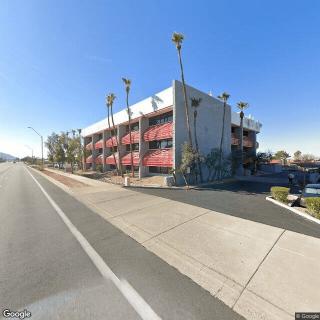
 Convenient access to dining, parks, pharmacies, physicians, and worship nearby.
 Comprehensive Insights on the Late Stages of Dementia: What to Expect and How to Provide Care
 Medications Associated with Dementia Risk: A Comprehensive Overview
 Guiding Your Journey: Understanding Power of Attorney for Elderly Parents