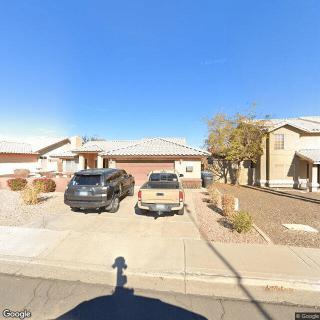
Palm House II in Phoenix, AZ

13604 North 20Th Street, Phoenix, AZ 85022

For more information about senior living options: (844) 490-3973

5 from 1 review
Assisted Living Board and Care Home

Overall Review of Palm House II

Pros

  • pro The staff are wonderful.
  • pro They do a great job taking care of others' family and loved ones.

Review

Palm House II is best suited for families seeking a memory care-focused living option in Phoenix where dementia care, safety, and consistent daily routines are the central design. The standout signal from the available input is a staff team described as wonderful, with a demonstrated ability to care for residents and support their families. That combination - specialized memory care paired with genuinely attentive caregivers - points to a community that prioritizes calm, predictable environments, reassuring supervision, and ongoing caregiver-resident relationships. For families confronting memory-related challenges, this facility positions itself as a practical, reliably compassionate choice.

That said, there are clear reasons to consider alternatives. If a resident is largely independent or if medical acuity requires more intensive oversight than typical memory care provides, other options may be more appropriate. Programs that mix memory care with broader assisted living offerings, non-memory-focused communities, or skilled nursing facilities with broader clinical services can better accommodate higher medical needs, more diverse programming, or different pace and level of engagement. In short, Palm House II's memory-focused model will be ideal for some, but not for every care trajectory or care preference.

The reported strength - the staff - has to be weighed against the lack of broader qualitative data. The glowing depiction of caregivers suggests a culture of attentiveness, patience, and hands-on supervision, which are critical in dementia care. In practice, these human factors translate into more consistent daily contact, better management of routines, and quicker responses to confusion or distress. When families seek peace of mind, knowing a loved one is tended by people who genuinely engage with residents and communicate with families can offset a variety of operational uncertainties inherent in memory care settings. The caveat is that one positive review cannot establish uniformity across shifts, days, or months; diligence will still be required during tours and trial stays.

The absence of explicit drawbacks in the review leaves families with a data gap that matters in decision-making. No commentary on room configurations, safety features, programming variety, staffing ratios, or medical oversight is available. Without this detail, there is a risk of overestimating fit for residents who crave a high level of medical integration, extensive social programming, or specific therapeutic services. Families should verify whether the memory care program includes structured cognitive activities, meaningful engagement for different stages of memory loss, and clear care planning processes. Additionally, confirming transparency on costs, room types, and contract terms will avoid surprises later.

Nevertheless, the pros can meaningfully offset potential concerns when approached with due diligence. Exceptional staff quality directly enhances day-to-day living, reduces agitation, and fosters trust between residents, families, and caregivers. For a resident whose behavior, safety needs, and emotional well-being benefit most from consistent staffing and a familiar caregiving team, Palm House II offers a compelling value proposition. Prospective families should press for specifics: staff training in dementia care, turnover rates, care coordination with physicians, and opportunities for family involvement in care planning. A well-structured activity calendar and evidence of individualized activity adaptation would further strengthen the case.

In the final assessment, Palm House II presents a solid option for memory care in Phoenix when the priority is a compassionate, reliable caregiving team within a memory-centered program. It's a particularly strong fit for families seeking reassurance that their loved one will be cared for by people who understand dementia dynamics and who can provide steady, personal attention. Those evaluating alternatives should skew toward communities with documented medical oversight and broader programming if medical needs or lifestyle preferences extend beyond memory care norms. Visit, observe caregiver interactions, review safety checks, and request concrete examples of individualized care plans to determine alignment with the resident's trajectory and family goals.

Features

Housing

  • 10 resident community capacity 10 resident community capacity

Types of Care

  • Assisted Living Assisted LivingAssisted living facilities provide crucial support and care for seniors who may need help with daily tasks such as medication management, bathing, and meal preparation. These communities offer a safe and comfortable environment where seniors can maintain their independence while receiving the assistance they need to thrive in their golden years.
  • Board and Care Home Board and Care HomeBoard and care homes provide a smaller, more intimate setting for seniors who require assistance with daily tasks but do not need the level of care offered by a nursing home. They offer personalized care, meals, and social activities in a homelike environment, ensuring that seniors receive individualized attention and support in their golden years.

Amenities

  • Cable or satellite TV Cable or satellite TVCable or satellite TV is important for seniors because it provides entertainment, news, and companionship, helping to combat loneliness and boredom. It also offers a wide range of programming options tailored to different interests and preferences.
  • Dining room Dining roomDining rooms are important for seniors as they provide a space for socialization, connection, and nutritious meals. They offer opportunities for residents to bond over shared meals, foster a sense of community, and promote healthy eating habits. Dining rooms also ensure that seniors have access to well-balanced meals tailored to their dietary needs and preferences.
  • Fully furnished Fully furnishedFully furnished senior living communities are important for seniors because they provide convenience, comfort, and a hassle-free moving experience. Seniors can easily settle into their new living space without the stress of having to buy and move furniture. This allows them to focus on enjoying their new home and community.
  • Garden GardenGardens are important for seniors as they provide a peaceful and therapeutic environment for relaxation, physical activity, and socialization. Being in nature has been shown to reduce stress, improve mood, and promote overall well-being. Gardens also offer opportunities for seniors to engage in gardening activities, which can improve mobility, flexibility, and cognitive function. Additionally, gardens create a sense of community and connection with others who share a passion for plants and outdoor spaces.
  • Housekeeping services Housekeeping servicesHousekeeping services are important for seniors because they help maintain a clean and safe living environment, promote independence, and reduce the risk of accidents or illnesses. Additionally, having assistance with household chores can alleviate physical strain and allow seniors to focus on other aspects of their well-being.
  • Move-in coordination Move-in coordinationMove-in coordination is important for seniors because it helps ease the transition into their new living environment. It ensures that all logistics, such as packing, organizing movers, and setting up utilities are taken care of, allowing seniors to focus on settling in and adjusting to their new home. Having a smooth move-in process can alleviate stress and anxiety, making the transition smoother and more enjoyable for seniors.
  • Outdoor space Outdoor spaceOutdoor spaces are important for seniors as they provide opportunities for physical activity, social interaction, exposure to natural light and fresh air, and a sense of connection to nature. Having access to outdoor spaces can improve overall well-being and quality of life for older adults living in senior communities.
  • Telephone TelephoneTelephones are important for seniors as they provide a lifeline for communication with loved ones, emergency services, and healthcare providers. They offer a sense of security and independence, enabling seniors to stay connected and access assistance when needed.
  • Wi-Fi/high-speed internet available Wi-Fi/high-speed internet availableWi-Fi/high-speed internet is important for seniors to stay connected with loved ones, access online resources, and participate in virtual activities to combat feelings of loneliness and isolation. It also allows them to easily manage healthcare needs, access entertainment, and engage in lifelong learning opportunities.

Transportation

  • Phoenix Sky Harbor International (12 miles away) Phoenix Sky Harbor International (12 miles away)

Care Services

  • 24-hour supervision 24-hour supervision24-hour supervision is important for seniors to ensure their safety, well-being, and access to immediate assistance in case of emergencies or health issues. This constant support provides peace of mind for both seniors and their loved ones, allowing them to age in place with dignity and security.
  • Activities of daily living assistance Activities of daily living assistanceActivities of daily living assistance are important for seniors because they provide essential support with tasks such as eating, bathing, dressing, and mobility. This assistance helps seniors maintain their independence, dignity, and overall quality of life as they age.
  • Assistance with bathing Assistance with bathingAssistance with bathing is crucial for seniors as it helps maintain personal hygiene, prevents infections, and ensures their overall well-being and comfort. It also provides a sense of dignity and independence for seniors who may struggle with this task on their own.
  • Assistance with dressing Assistance with dressingAssistance with dressing is important for seniors because it helps maintain their independence, promotes personal hygiene, prevents accidents and injuries, and improves overall quality of life. This service ensures that seniors can continue to dress comfortably and confidently, despite any physical limitations they may have.
  • Assistance with transfers Assistance with transfersAssistance with transfers is crucial for seniors as it helps prevent falls and injuries, maintains their independence, and ensures they can safely navigate their living environment. It also provides peace of mind for both seniors and their loved ones.
  • Coordination with health care providers Coordination with health care providersCoordination with health care providers is crucial for seniors to ensure proper medical care, medication management, and overall well-being. This collaboration helps prevent overlapping treatments, track progress more effectively, and provide comprehensive support tailored to individual needs.
  • Diabetes diet Diabetes dietA diabetes diet is crucial for seniors as it helps manage blood sugar levels, reduce risks of complications, and improve overall health and well-being. By following a balanced and nutritious diet tailored to their specific needs, seniors can better control their diabetes and enhance their quality of life.
  • Meal preparation and service Meal preparation and serviceMeal preparation and service are crucial for seniors as they may have limited mobility or energy to cook nutritious meals. Having access to healthy and convenient food options can ensure they are getting the proper nutrition needed to maintain their overall health and well-being.
  • Medication management Medication managementMedication management is crucial for seniors to ensure they are taking the right medications at the correct dosages and times. This helps prevent adverse drug interactions, reduces the risk of medication errors, and promotes overall health and well-being. Proactive management also allows for adjustments as needed based on changing health conditions or new prescriptions.
  • Special dietary restrictions Special dietary restrictionsSpecial dietary restrictions are important for seniors because age-related changes in metabolism and health conditions can make it difficult for their bodies to process certain foods. By following a diet tailored to their specific needs, seniors can maintain their overall health and well-being, manage chronic conditions, and reduce the risk of complications such as malnutrition or food interactions with medications.
  • Transportation arrangement (medical) Transportation arrangement (medical)Transportation arrangements for medical purposes are essential for seniors as they may have difficulty driving themselves to appointments or accessing public transportation. Having reliable and safe transportation options ensures that seniors can receive timely medical care and maintain their health and well-being.
  • Transportation to doctors appointments Transportation to doctors appointmentsTransportation to doctors' appointments is crucial for seniors as it ensures they have access to necessary medical care and support for their health needs. Without reliable transportation, seniors may struggle to attend important appointments, leading to potential delays in treatment and health complications. Providing transportation services helps seniors maintain their overall well-being and quality of life.
Dining

  • Diabetes diet Diabetes dietA diabetes diet is crucial for seniors as it helps manage blood sugar levels, reduce risks of complications, and improve overall health and well-being. By following a balanced and nutritious diet tailored to their specific needs, seniors can better control their diabetes and enhance their quality of life.
  • Special dietary restrictions Special dietary restrictionsSpecial dietary restrictions are important for seniors because age-related changes in metabolism and health conditions can make it difficult for their bodies to process certain foods. By following a diet tailored to their specific needs, seniors can maintain their overall health and well-being, manage chronic conditions, and reduce the risk of complications such as malnutrition or food interactions with medications.

Activities

  • Community-sponsored activities Community-sponsored activitiesCommunity-sponsored activities are important for seniors as they provide opportunities for social interaction, mental stimulation, and physical activity. These activities can help improve overall well-being, combat loneliness and isolation, and promote a sense of belonging and purpose among older adults.
  • Scheduled daily activities Scheduled daily activitiesScheduled daily activities are important for seniors because they provide structure, socialization, mental stimulation, and physical activity. Engaging in regular activities can improve overall well-being and quality of life for seniors living in a community setting.

Description

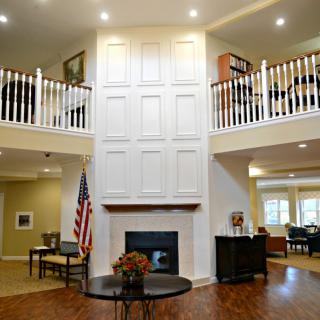
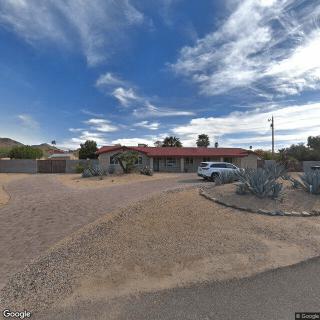
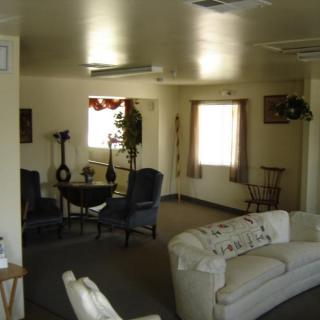
Palm House II in Phoenix, AZ is a board and care home that offers a range of care services to meet the needs of its residents. The community is fully furnished and provides a comfortable and homely environment for those in need of assistance with daily activities.

Residents at Palm House II can enjoy their meals in the dining room, where special dietary restrictions are accommodated. Housekeeping services ensure that the living spaces are kept clean and tidy, while move-in coordination makes the transition into the community seamless.

The community also offers outdoor space for residents to relax and enjoy nature. Telephone and Wi-Fi/high-speed internet are available to keep residents connected with their loved ones.

When it comes to care services, Palm House II provides assistance with activities of daily living such as bathing, dressing, and transfers. The staff also coordinates with health care providers to ensure that residents receive the necessary medical attention. Medication management is offered to help residents stay on top of their medications, while a diabetes diet is available for those managing this condition.

Transportation arrangements for medical appointments are made for residents who require it. In addition, transportation to doctors' appointments is provided.

Palm House II is conveniently located near various amenities such as cafes, parks, pharmacies, physicians' offices, restaurants, and places of worship. This allows residents easy access to recreational activities and essential services within close proximity.

With its comprehensive care services and convenient location, Palm House II offers a supportive living environment for individuals seeking assisted living options in Phoenix, AZ.

Nearby Places of Interest

Pharmacies

  • Walgreens (1.6 miles)
  • Fry's Pharmacy (2.2 miles)
  • Walgreens (2.4 miles)
  • Walgreens (2.8 miles)
  • Walgreens (3.2 miles)
  • CVS Pharmacy (3.4 miles)
  • CVS Pharmacy (3.4 miles)

Physicians

  • NOAH Palomino Health Center (1.8 miles)
  • 2nd Chance Treatment Center (3.1 miles)
  • Care MD (3.7 miles)
  • Aoc (3.7 miles)
  • Wyse, Mark Family Practice Specialists Limited (3.8 miles)
  • Elite Plastic Surgery (3.9 miles)
  • Camelback Women's Health (4 miles)

Restaurants

  • McDonald's (2.2 miles)
  • Sonic Drive-In (2.4 miles)
  • McDonald's (2.6 miles)
  • Chino Bandido (3.1 miles)
  • Manuel's Mexican Food (3.5 miles)
  • Taco Bell (3.5 miles)
  • In-N-Out Burger (3.5 miles)

Cafes

  • Dutch Bros Coffee (2.4 miles)
  • Press Coffee - The Roastery (2.5 miles)
  • Panera Bread (2.7 miles)
  • Starbucks (5 miles)
  • Starbucks (5.2 miles)
  • The Human Bean (5.3 miles)
  • Starbucks (5.4 miles)

Parks

  • Moon Valley Park (2.6 miles)
  • Phoenix Mountain Preserve (3 miles)
  • Royal Palm Park (4.5 miles)
  • Desert Horizon Park (4.7 miles)
  • Sun Devil Ridge Park (5 miles)
  • Conocido Park (5.2 miles)
  • Aviano Park (5.7 miles)

Places of Worship

  • New Vision Center for Spiritual Living (4.5 miles)
  • Open Door Fellowship Church (4.9 miles)
  • St Bernadette Catholic Church (5.4 miles)
  • Christ Church of the Ascension (6 miles)

Hospitals

  • Mayo Clinic (5.9 miles)
  • Surgical Specialty Hospital Of Arizona (6.4 miles)

Theaters

  • AMC DINE-IN Desert Ridge 18 (6 miles)
  • AMC Deer Valley 30 (6.2 miles)

Frequently Asked Questions

Where is Palm House II?

Nearby Communities

  • Lookout Mountain ALH

    Lookout Mountain ALH

    Phoenix, AZ

     
    $2,000 to $4,375 / month

    pro Pricing below county/state averages with on-site beautician/devotional services and high-acuity care.

  • Bethesda Gardens

    Bethesda Gardens

    Phoenix, AZ

    4.4 from 85 reviews
    $3,740 to $4,940 / month

    pro Caring staff with engaging activities in a warm, intimate setting.

  • Arizona Mentor

    Arizona Mentor

    Phoenix, AZ


    pro Convenient access to dining, parks, pharmacies, physicians, and worship nearby.

  • Loving Heart Assisted Living Service

    Loving Heart Assisted Living Service

    Phoenix, AZ

    5 from 1 review
     

    pro Small, personalized care with 24-hour supervision

  • Ambiance Al

    Ambiance Al

    Phoenix, AZ

     
    $2,500 to $2,800 / month

    pro Competitive pricing for semi-private and private rooms compared to Maricopa County and Arizona averages.

  • Ronald Home Care

    Ronald Home Care

    Phoenix, AZ

    4.4 from 14 reviews
    $2,295 to $7,000 / month

    pro Small, homelike setting enabling personalized care with attentive, on-site staff.

  • Zen Senior Living

    Zen Senior Living

    Phoenix, AZ

    4.1 from 156 reviews
    $795 to $980 / month

    pro Quiet, clean, and spacious living with a helpful staff and an active clubhouse.

  • Arizona Desert Falls

    Arizona Desert Falls

    Phoenix, AZ

    4.5 from 24 reviews
    $2,500 to $4,500 / month

    pro Compassionate, personalized care in a clean, family-like setting with engaging activities.

  • Bella Vita Assisted Living at Cholla

    Bella Vita Assisted Living at Cholla

    Phoenix, AZ

    4.8 from 8 reviews
    $5,500 to $6,500 / month

Related Resources

  • does medicaid pay for assisted livingUnderstanding Medicaid Coverage for Assisted Living: A Comprehensive Guide

    The guide outlines the complexities of Medicaid coverage for assisted living, highlighting significant state-to-state variations, limited coverage often restricted to personal care services, and the existence of specialized waivers for certain needs like memory care. It advises families to consult local Medicaid offices for options while emphasizing the importance of understanding state-specific regulations and facility policies.

  • does medicaid pay for assisted livingHow and When Medicaid May Cover Assisted Living Costs

    Medicaid coverage for assisted living varies by state and is primarily available to low-income individuals, with eligibility dependent on strict income and asset limits. Some states offer HCBS waivers for specific services in assisted living, but families must generally cover room and board costs, and should verify facility acceptance of Medicaid while considering potential waiting lists.

  • assisted living waiver programA Detailed Exploration of Assisted Living Medicaid Waivers Across the United States

    Medicaid waivers for assisted living services provide vital support for seniors and individuals with disabilities in need of long-term care, with varying state-specific eligibility criteria and benefits. These waivers cover personal care and case management but often do not fully cover room and board, leading to waiting lists for many applicants.