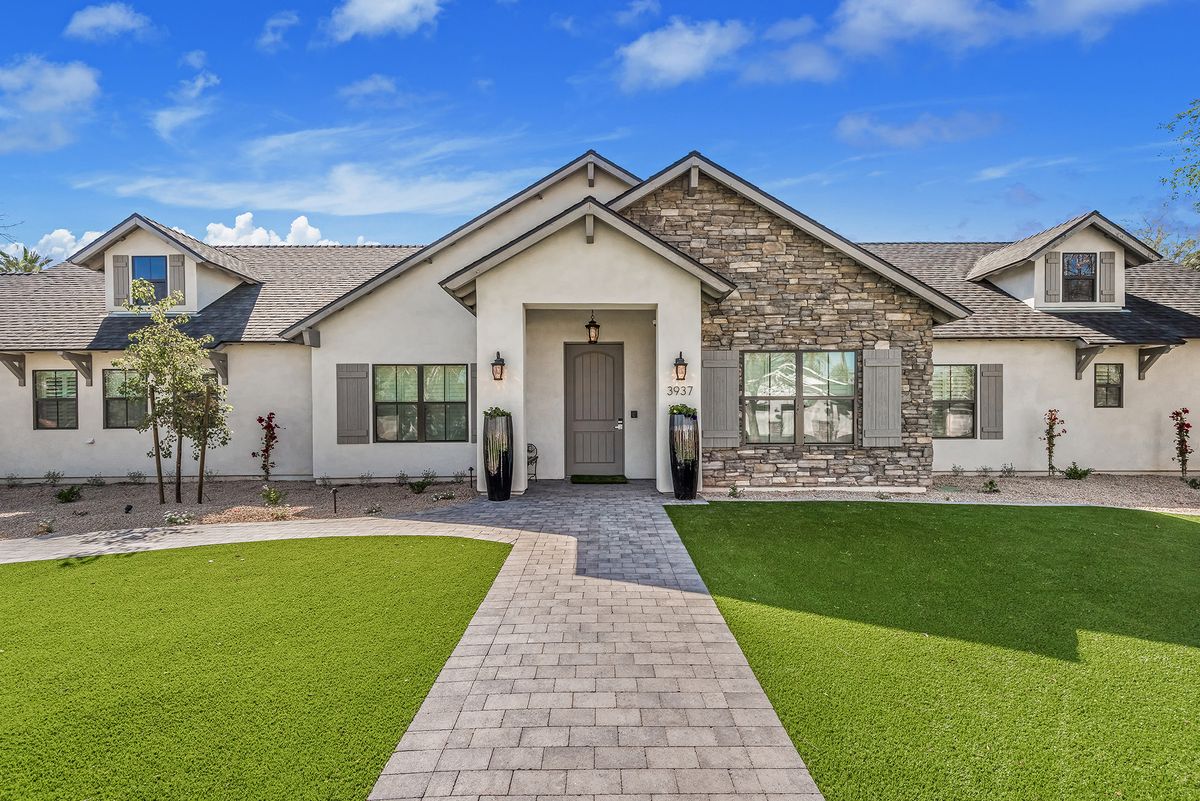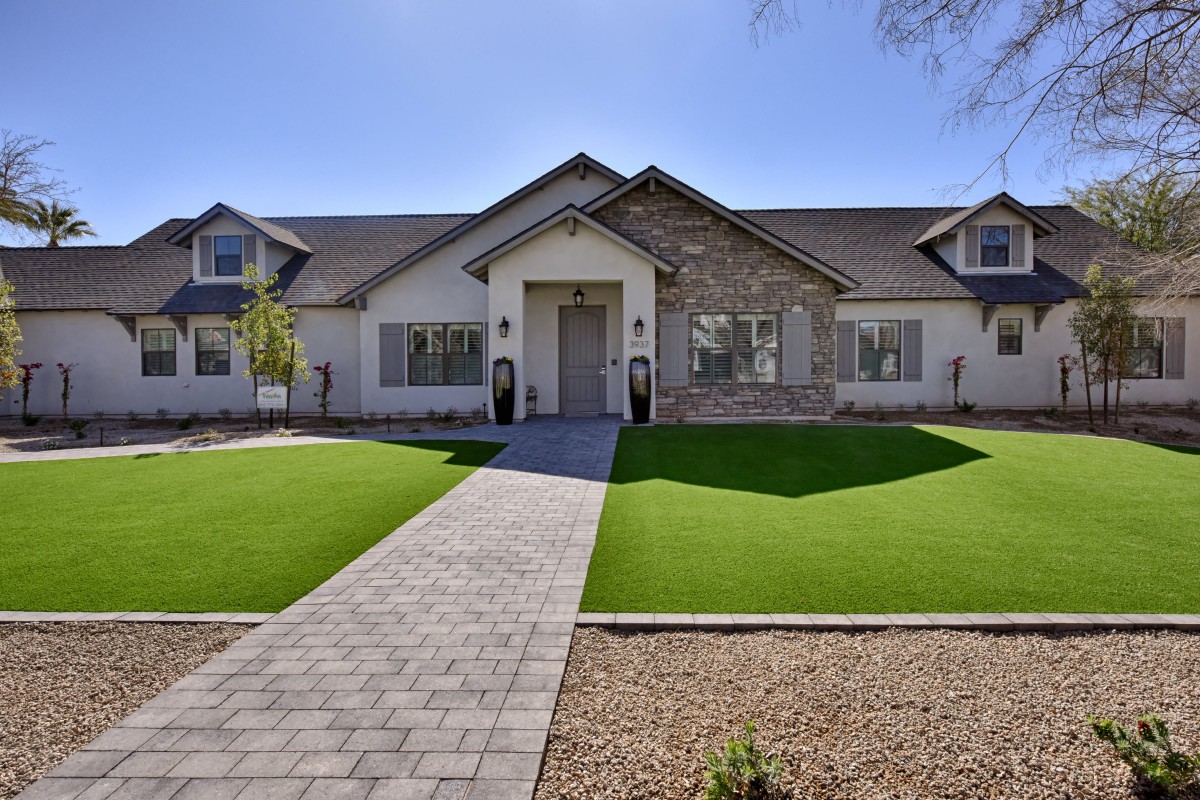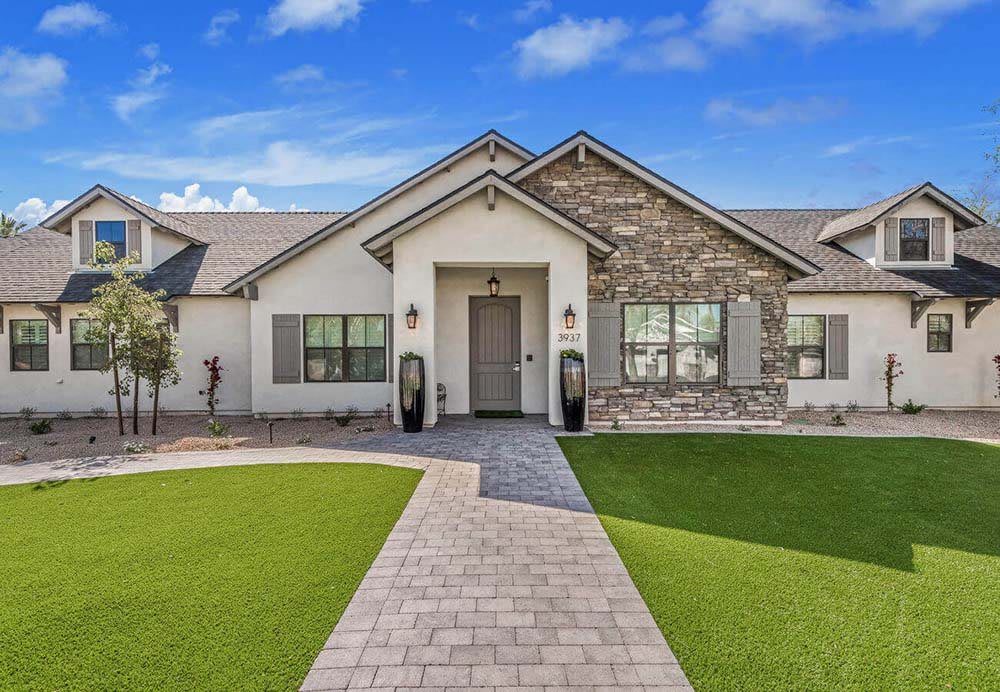
3937 East Montecito Avenue, Phoenix, AZ 85018
For more information about senior living options: (866) 208-4318
Paradise Living Centers Arcadia Costs & Pricing
Paradise Living Centers Arcadia offers studio accommodations at a monthly rate of $5,750, which is notably higher than the average costs in both Maricopa County and the broader state of Arizona. In Maricopa County, the average cost for similar studio living options stands at $3,960, while statewide, residents can expect to pay around $3,829 per month. This pricing reflects the premium services and amenities provided by Paradise Living Centers Arcadia, positioning it as a choice for those seeking an enhanced living experience despite the elevated costs compared to regional averages.
| Floor plans | Paradise Living Centers Arcadia | Maricopa County | Arizona |
|---|---|---|---|
| Studio | $5,750 | $3,960 | $3,829 |
Assisted Living communities with a similar price nearby
-
from +$645 / mo
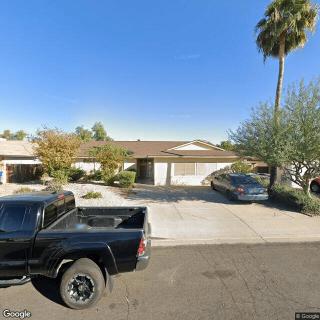
Lending Hand Assisted Living
$6,395 to $11,695 / month18.4 miles away -
from -$750 / mo
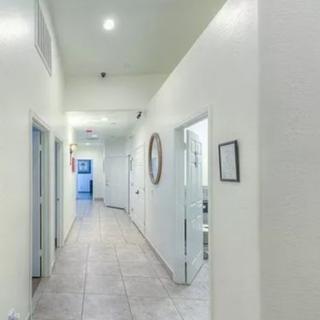
American Dream Home
$5,000 / month5.1 miles away -
from +$250 / mo
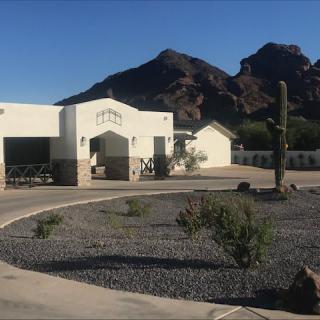
Lincoln Residential Assisted Living
$6,000 / month2.5 miles away -
from -$950 / mo
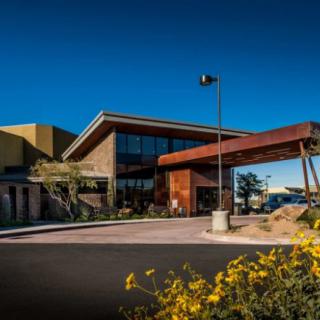
Sante Of North Scottsdale
$4,800 / month12.0 miles away -
from -$855 / mo
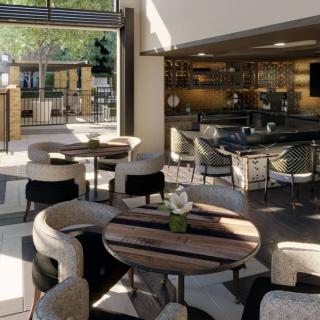
Clarendale Arcadia
$4,895 to $8,790 / month1.1 miles away
Overall Review of Paradise Living Centers Arcadia
Pros
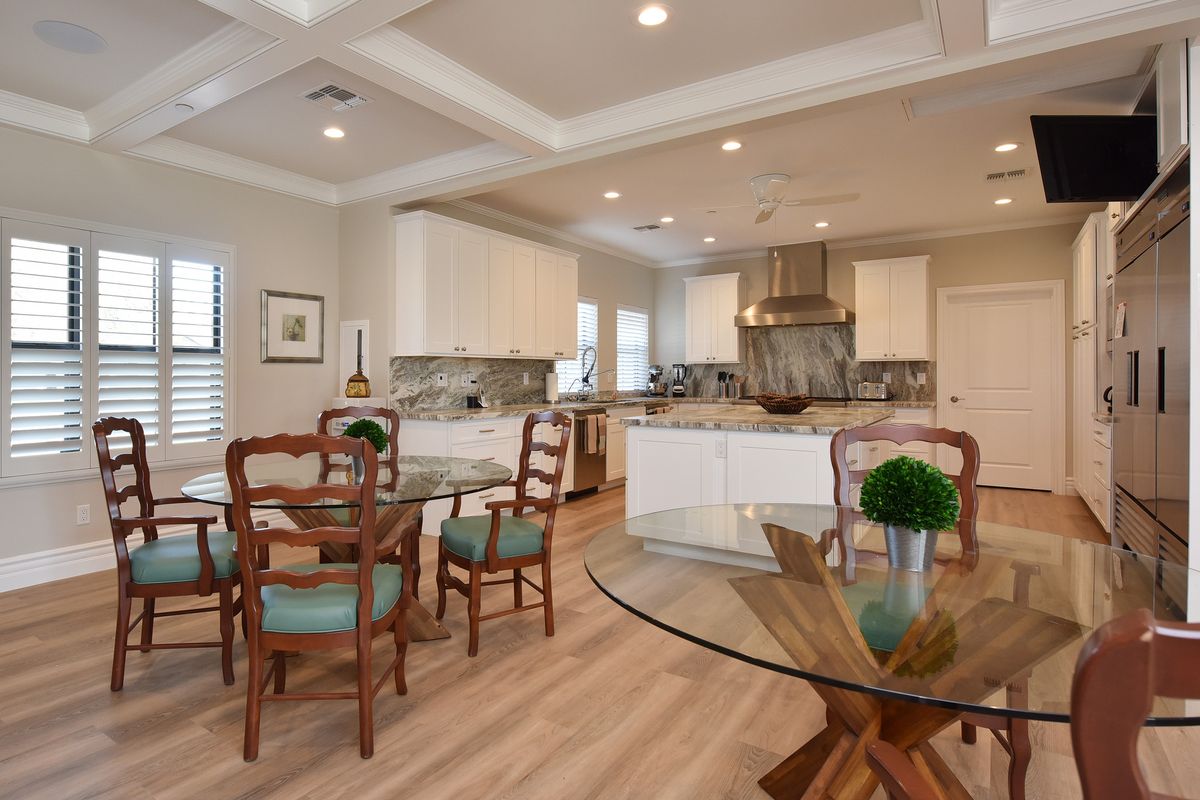
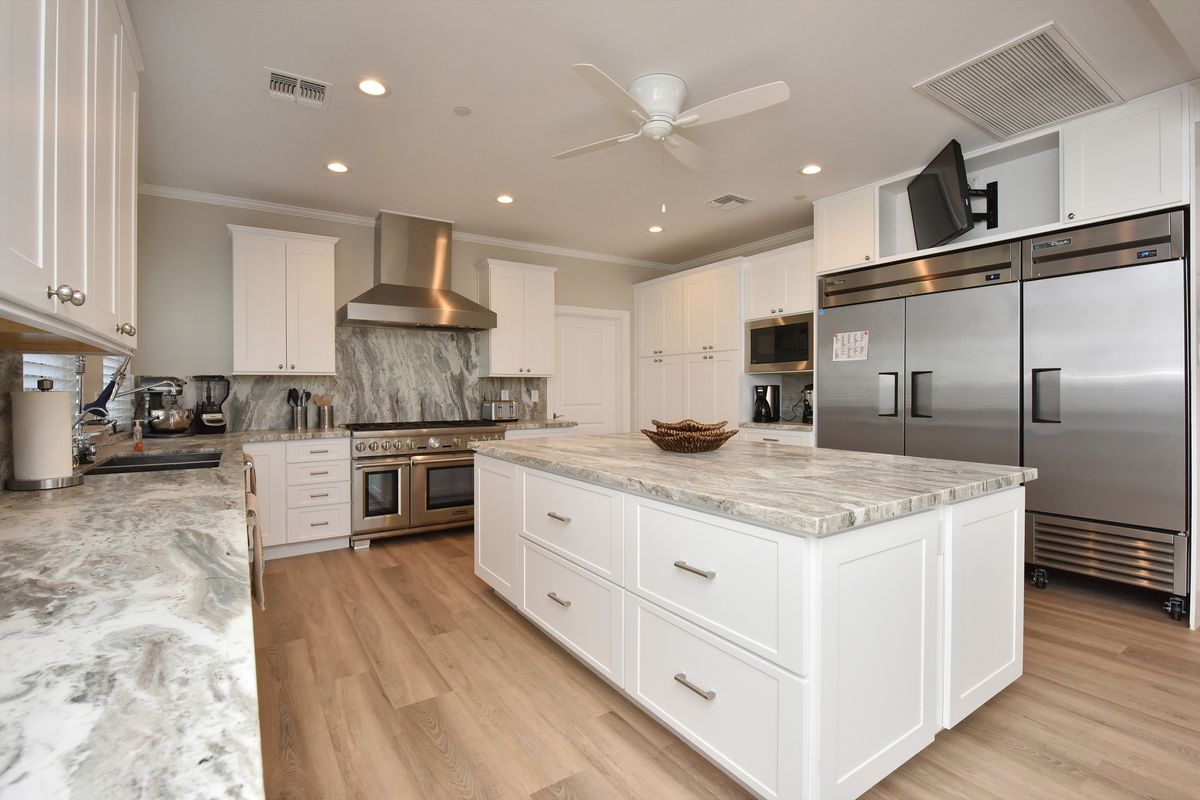
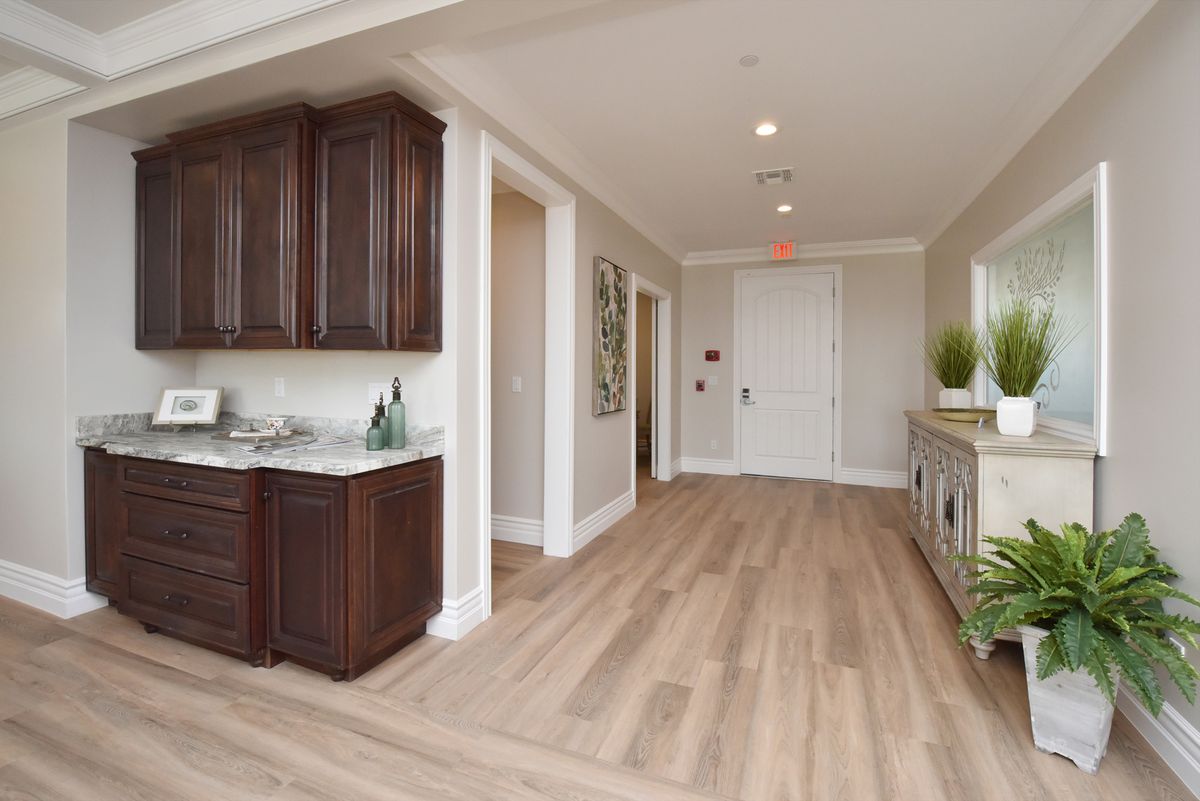
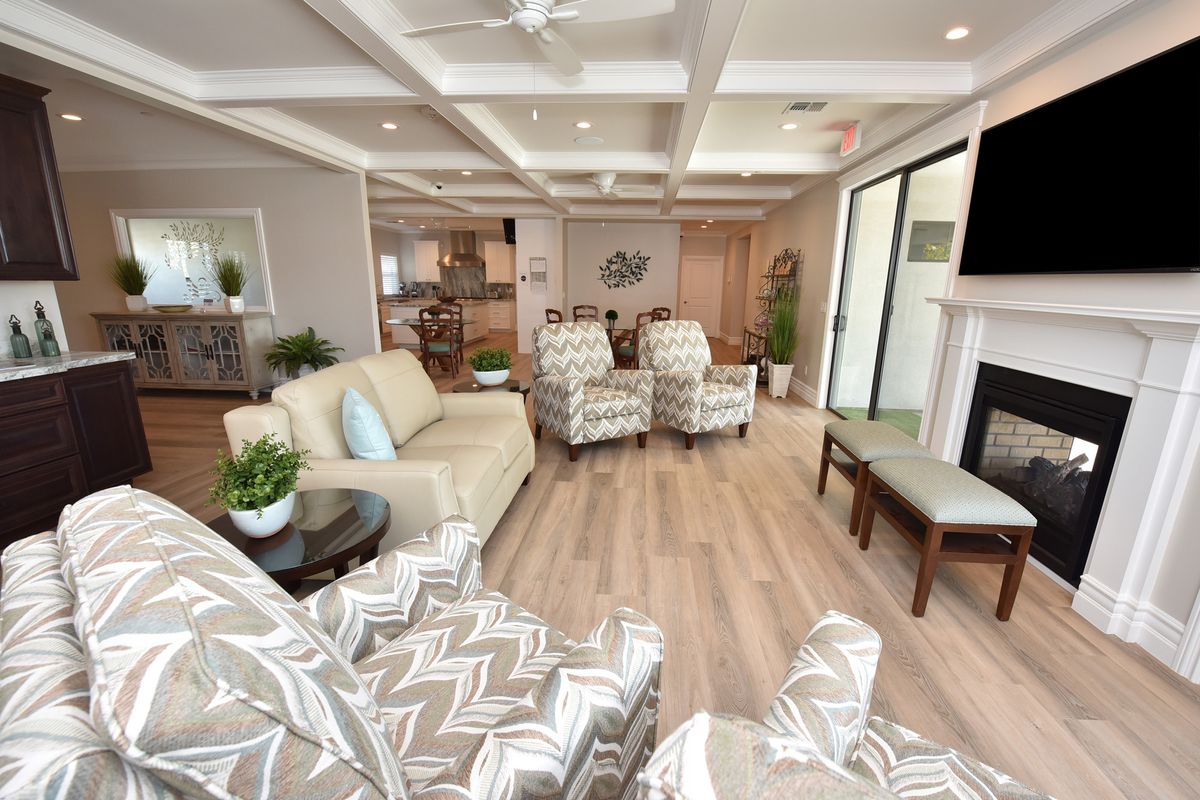
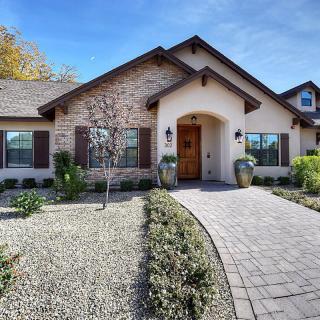
 The place is beautiful, open, warm, and welcoming.
Cons
 They found it nearly impossible to submit the insurance papers correctly.
- They almost placed her in the wrong location, in a construction zone at a different house.
- The kitchen lost the filet and never replaced it; it was a constant struggle.
Review
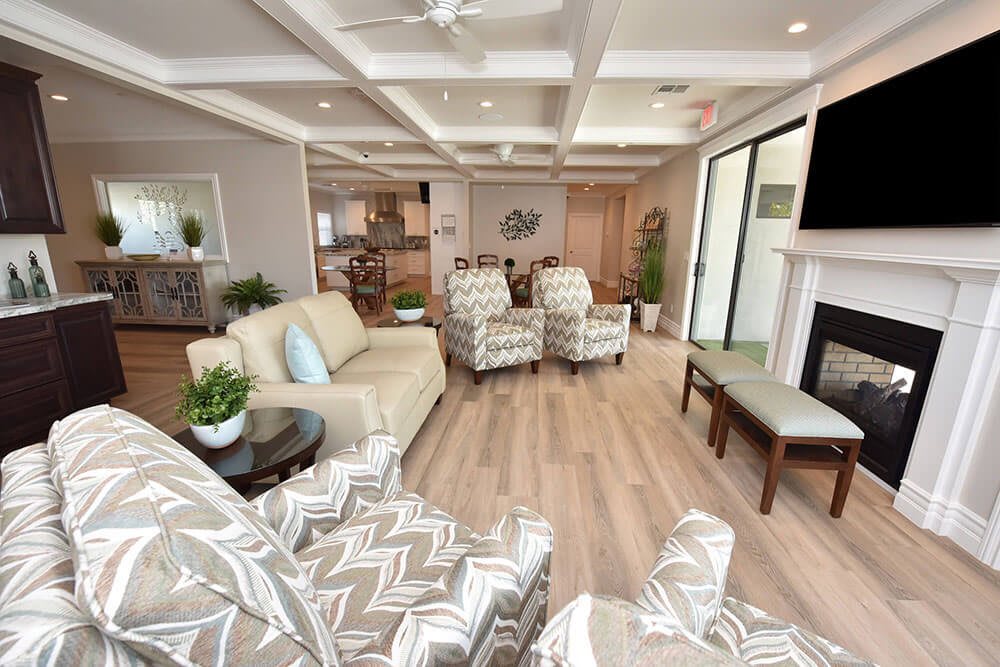
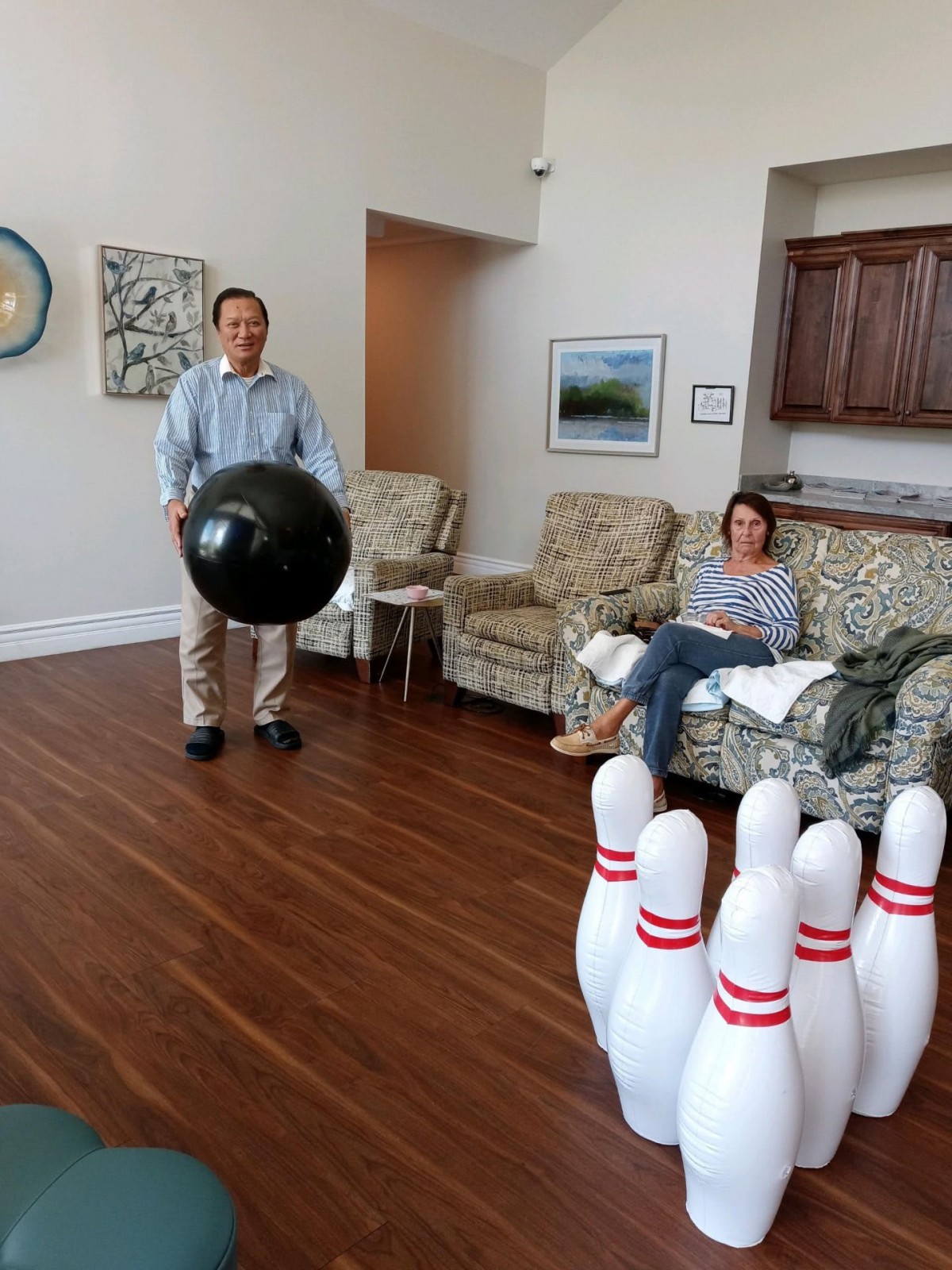
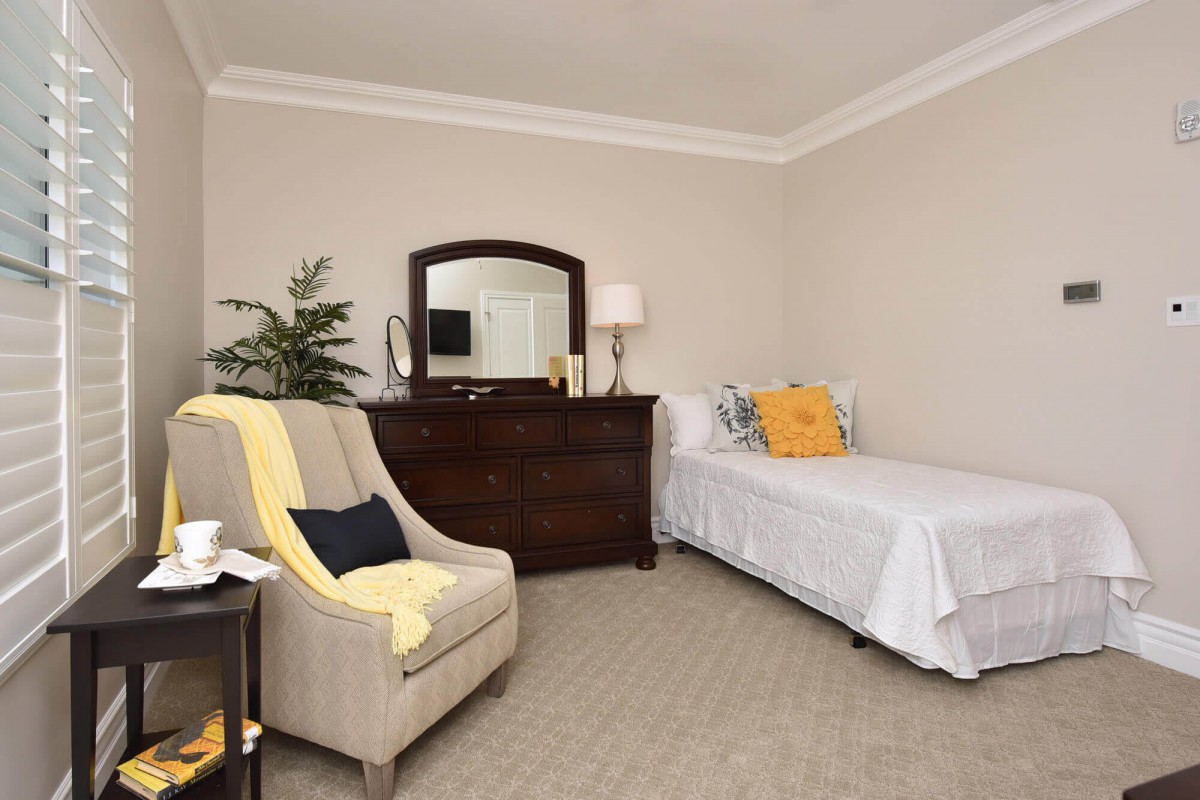
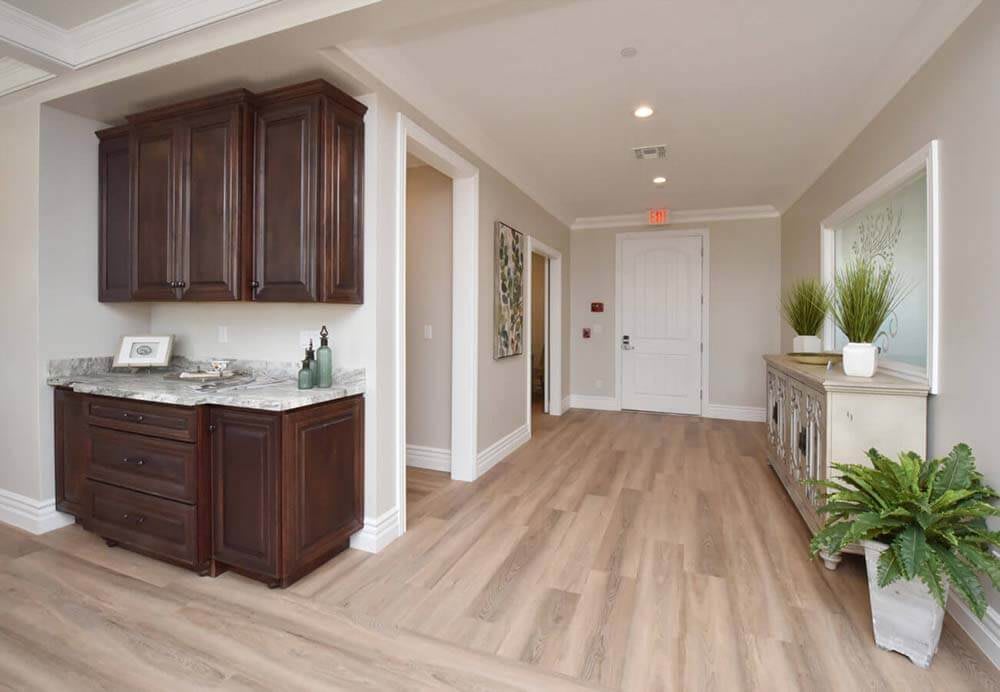
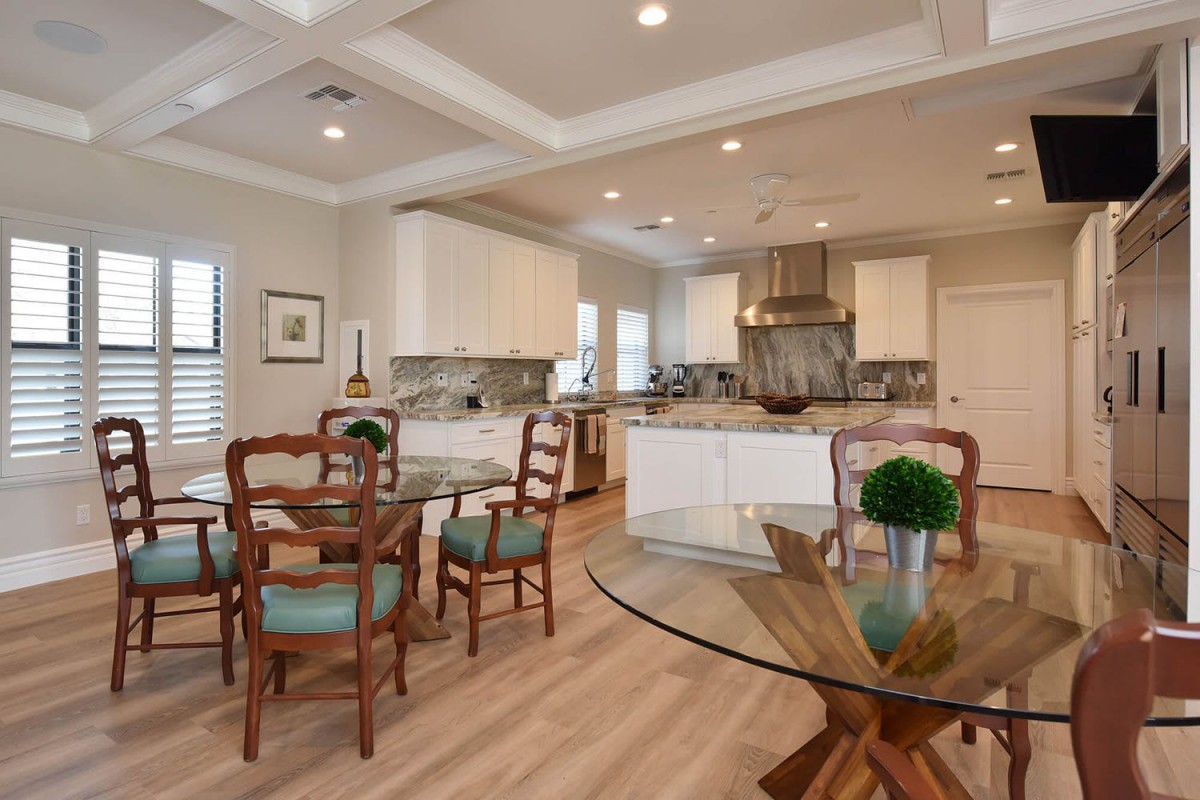
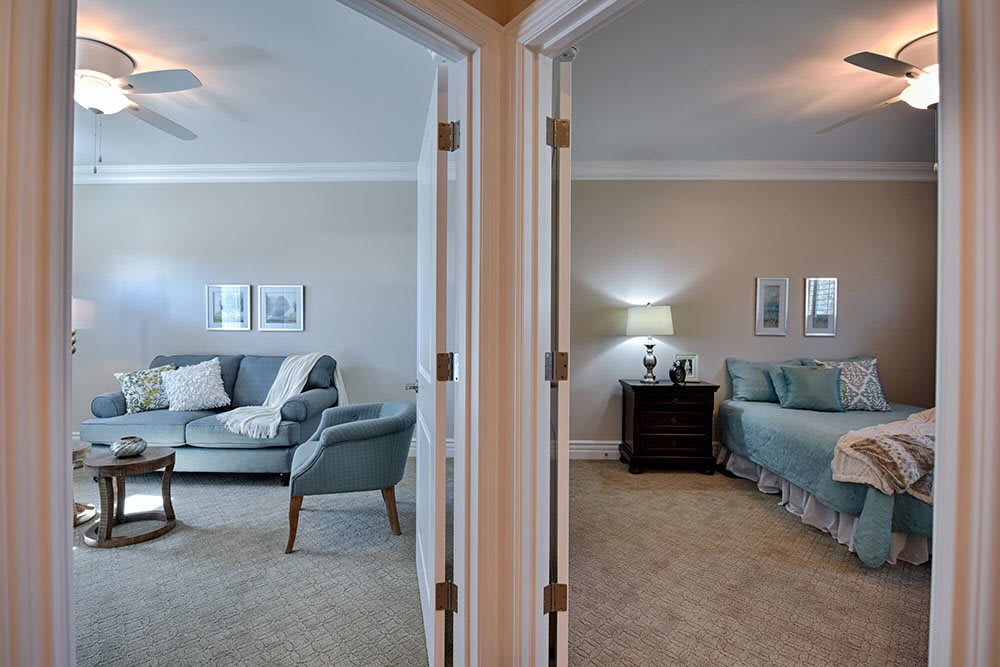
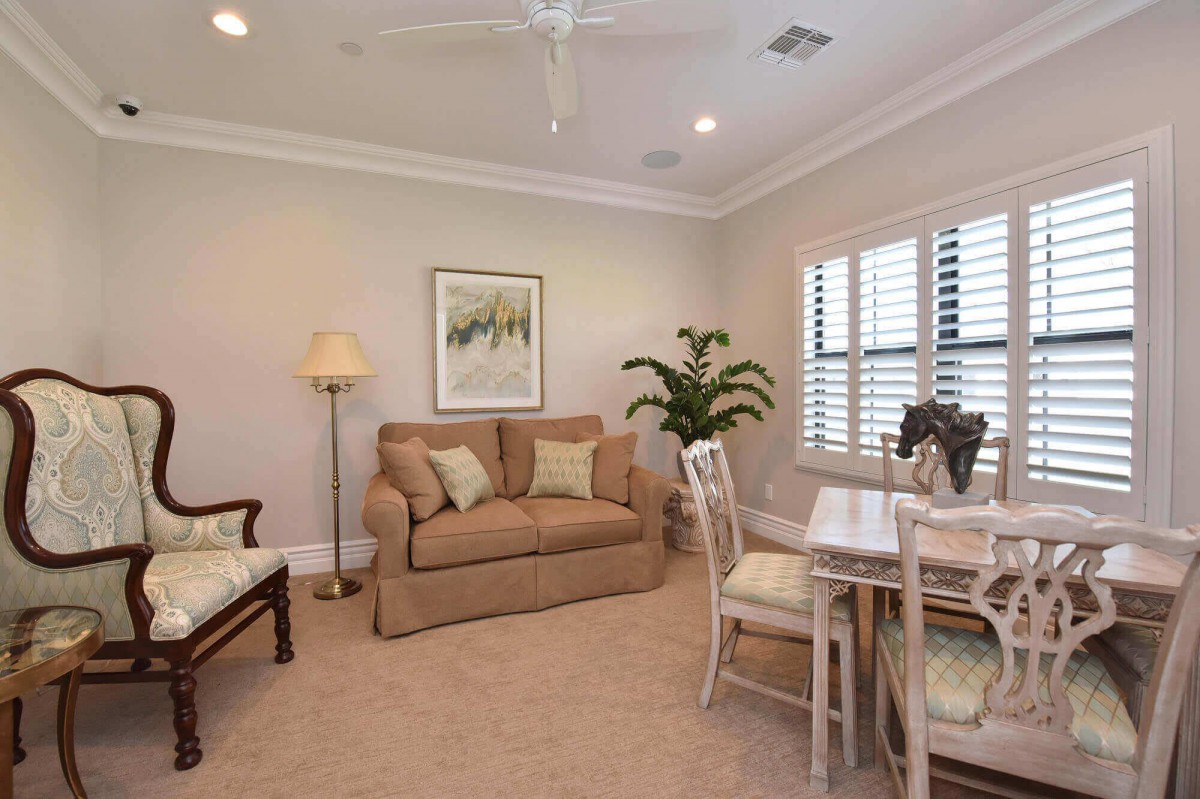
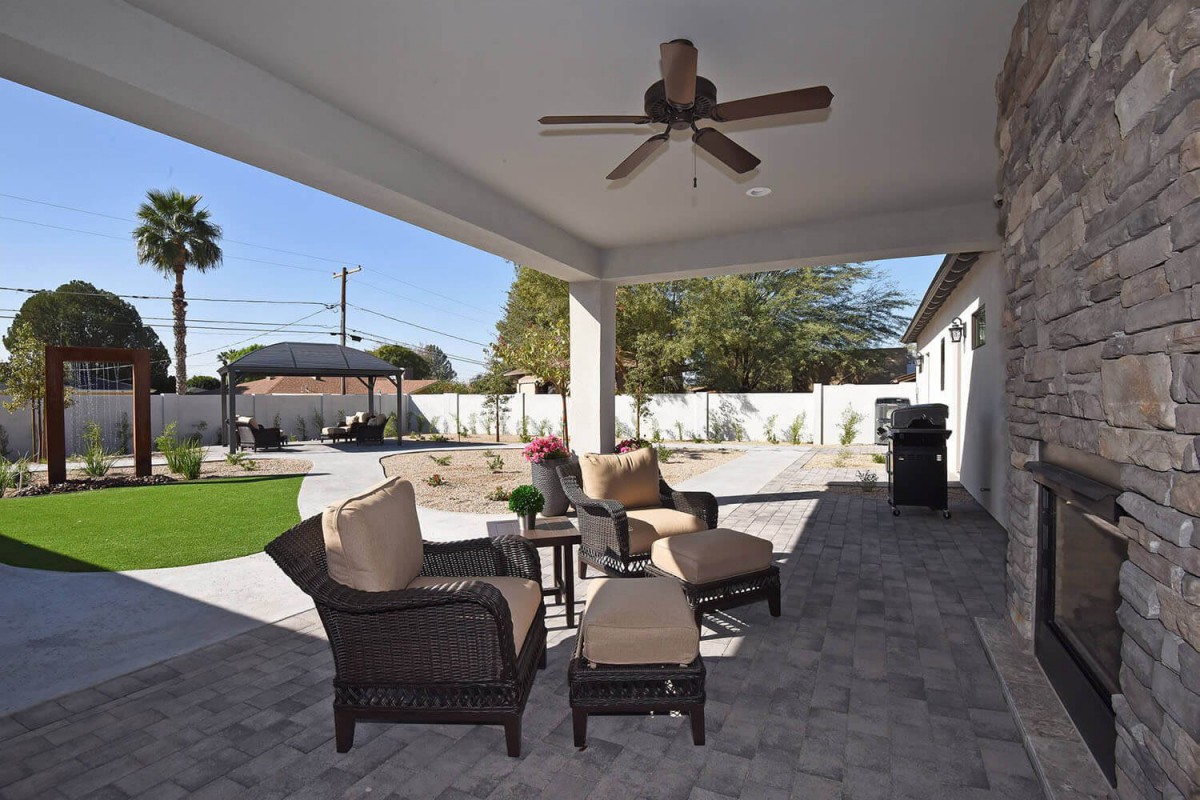
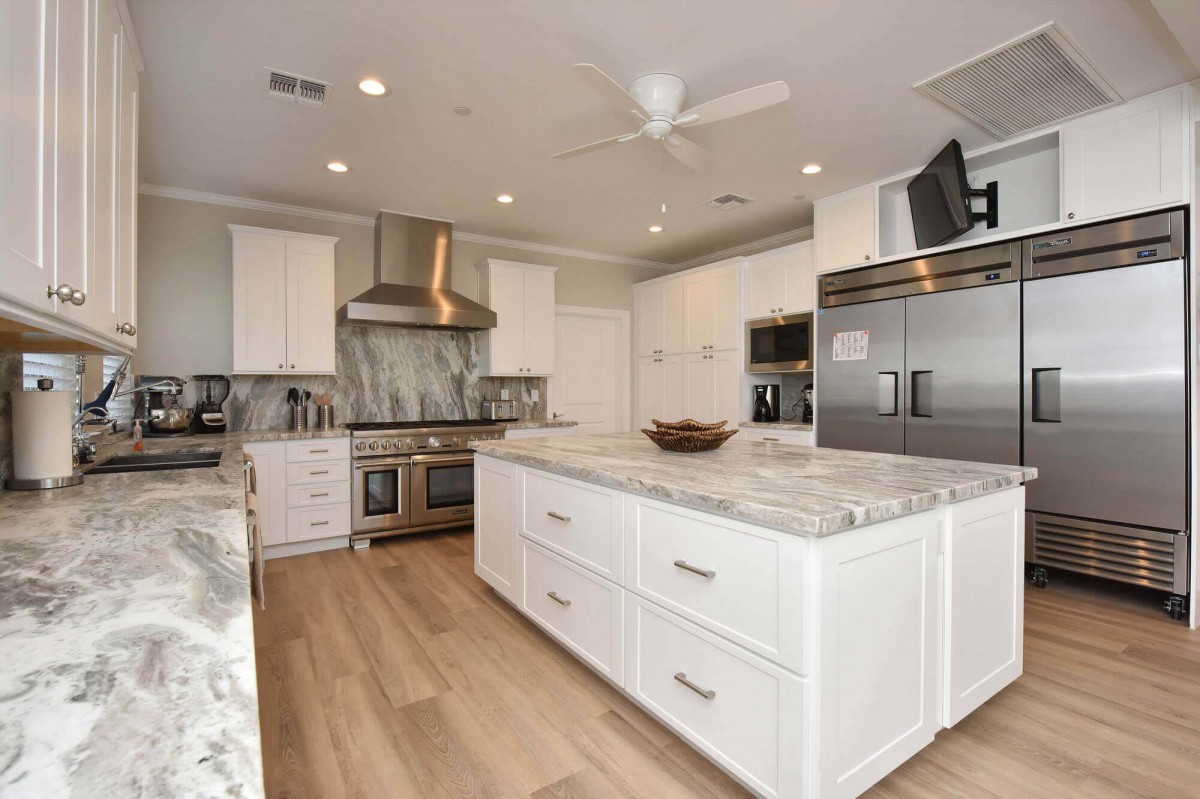
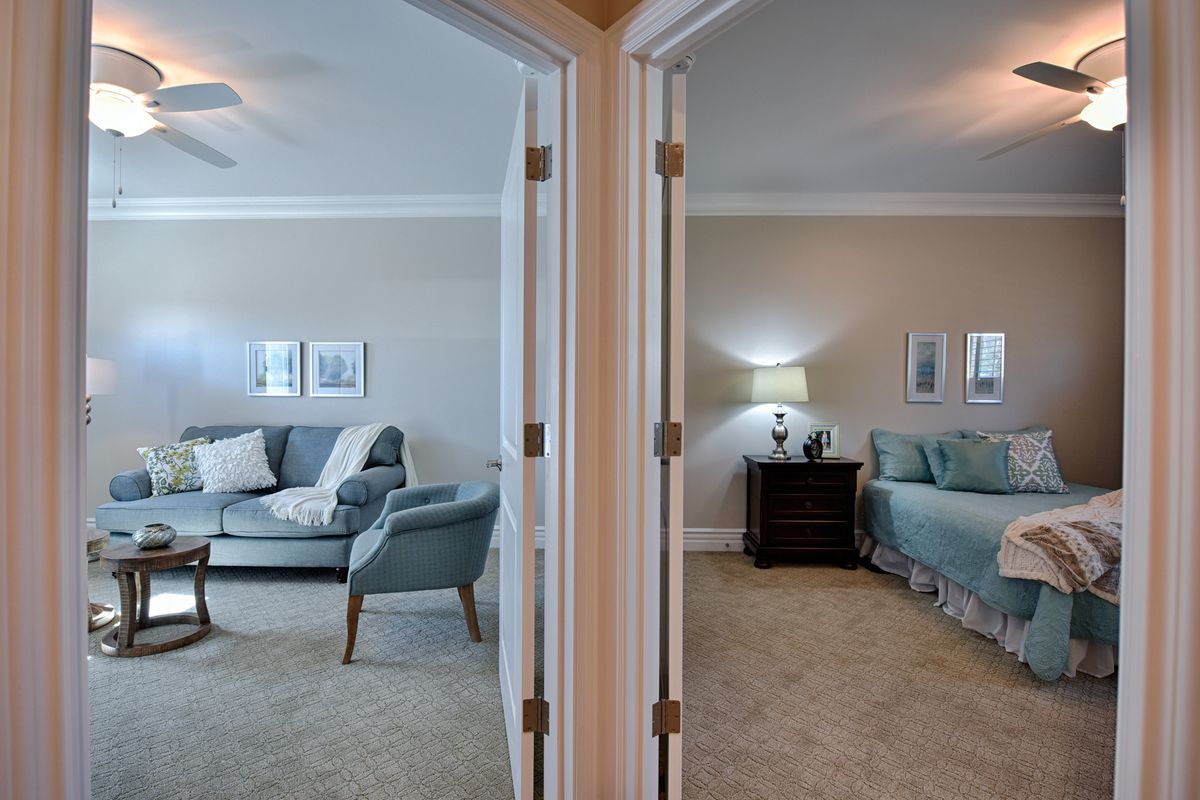
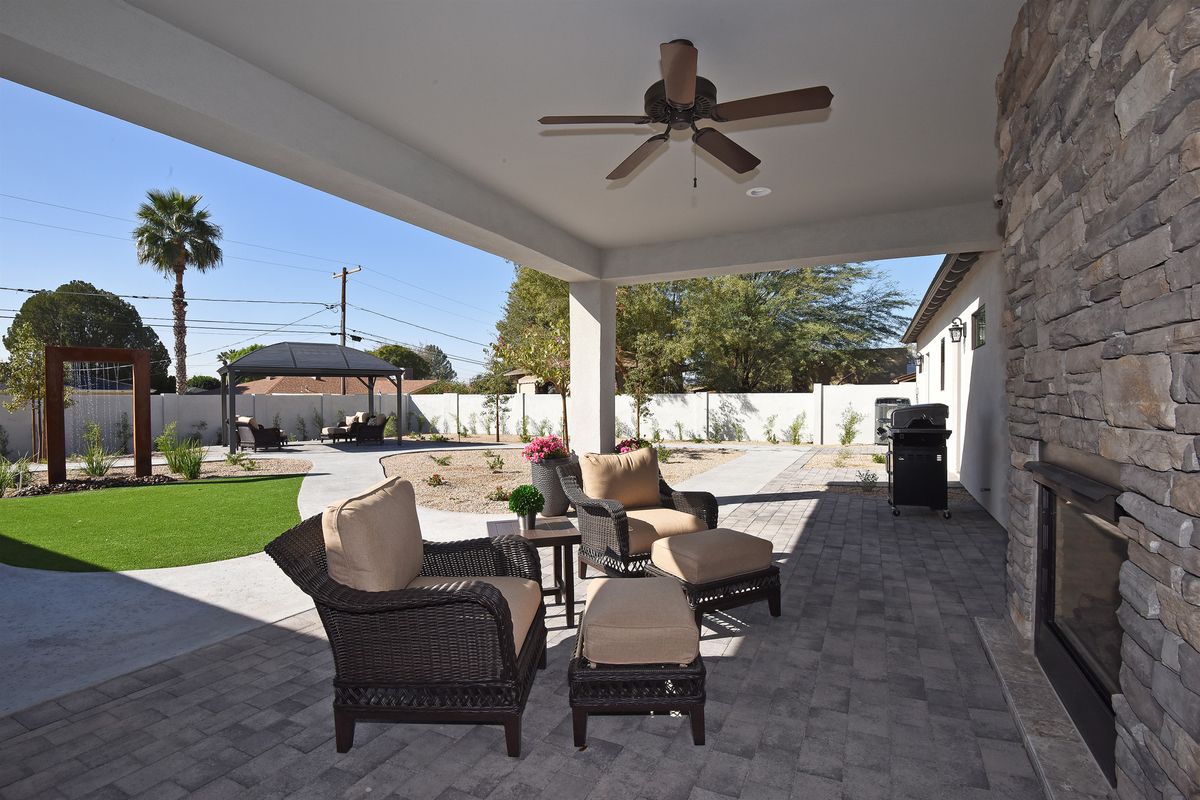
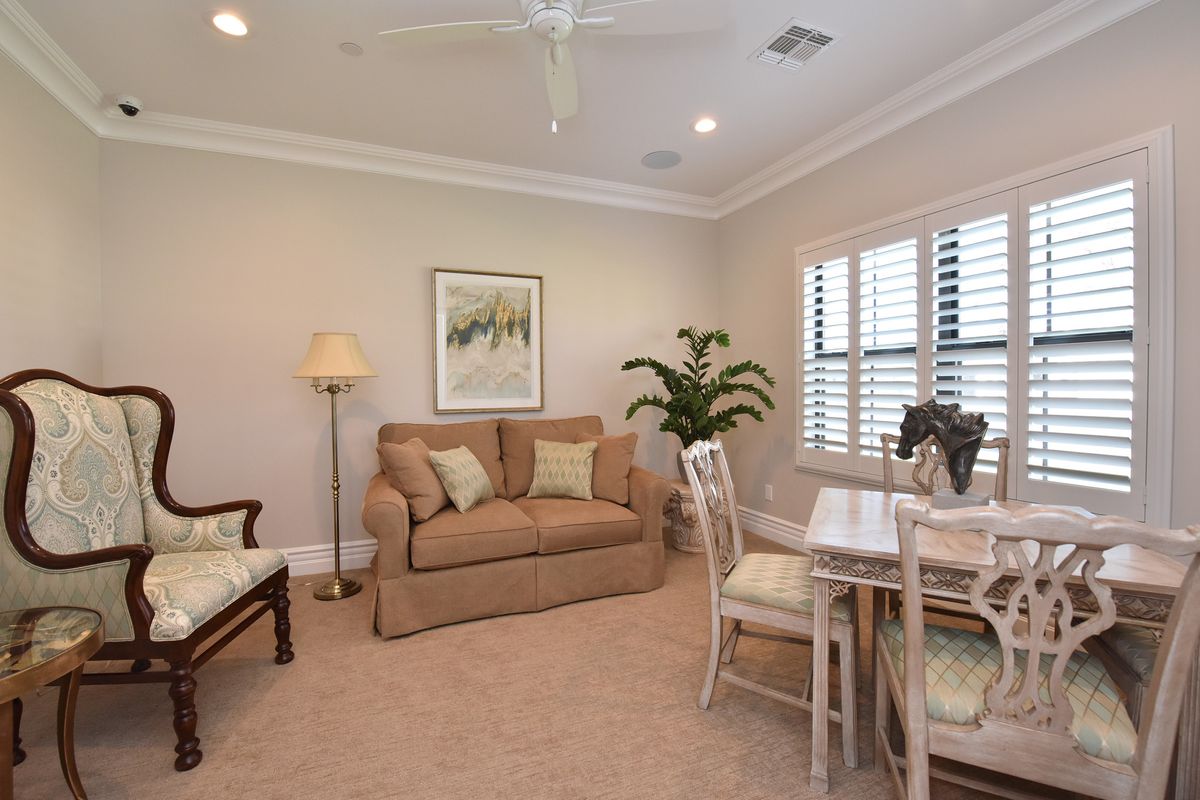
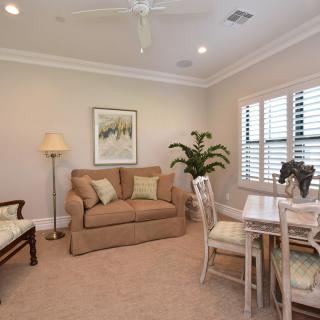
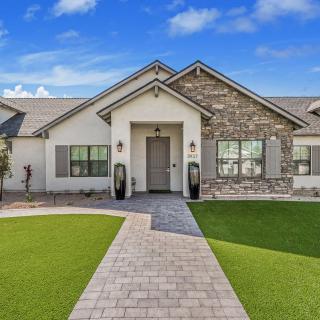
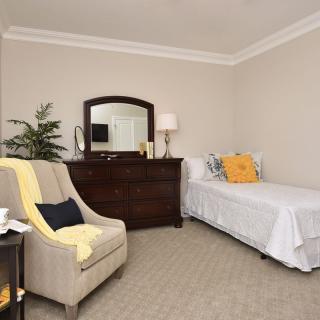
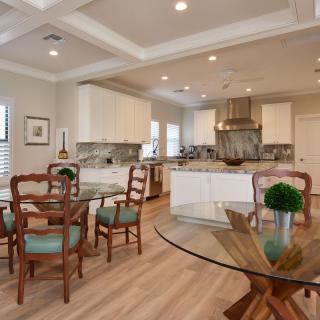
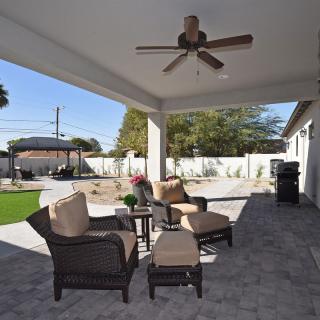
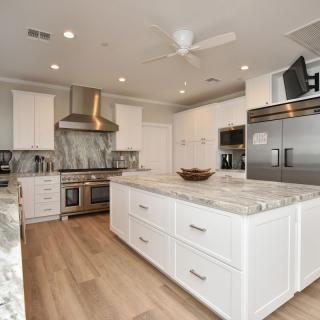
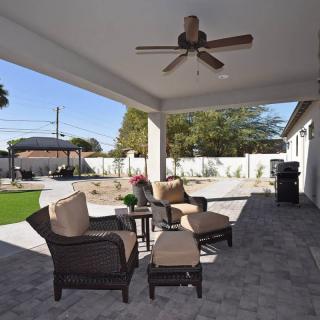
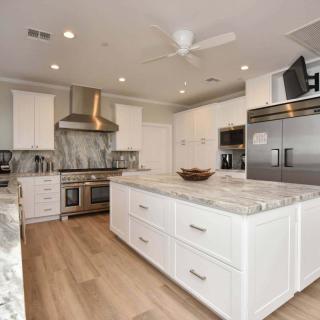
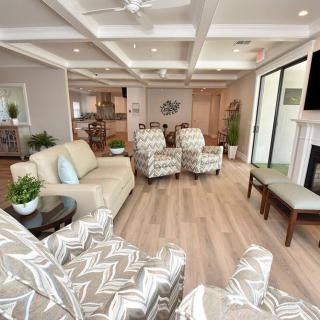
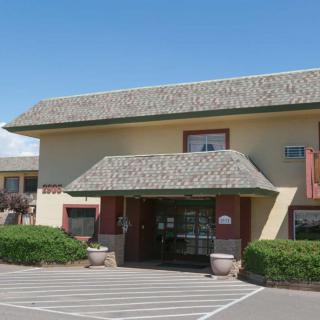
Paradise Living Centers Arcadia is best suited for seniors who prize a warm, open atmosphere and a home-like feel, and who can tolerate sporadic administrative bumps as part of the experience. The setting itself is the standout asset: bright, welcoming common spaces, tasteful finishes, and a vibe that makes a visit feel less clinical and more like stopping by a well-kept relative’s home. That ambiance can ease the stress of transition and support social engagement, which matters when moving from a private residence into assisted options. For families, this location in Arcadia, Phoenix, often translates into less formality and more comfort during tours and initial visits, a practical plus for those prioritizing atmosphere over sterile efficiency.
Who should consider alternatives becomes clear quickly. If admissions and ongoing coordination are non-negotiable, especially for ensuring insurance paperwork is submitted correctly, placements are accurate, and billing is transparent, this community may raise concerns. The most troubling note from past impressions is a pattern of administrative missteps: trouble submitting insurance documents, risk of misplacing a resident in the wrong unit, and a kitchen that has shown inconsistent reliability. For families that require precise, friction-free onboarding and dependable service delivery from day one, other options with a tighter handle on admissions, care coordination, and dining operations are worth a closer look.
The Day One realities temper the charm of the surroundings. The open, inviting common areas and approachable staff can help residents feel seen and valued, potentially reducing unease during the first weeks. Yet the real-world implications of sloppy admissions and kitchen hiccups cannot be dismissed. A placement mishap, especially one that could place a resident in an inappropriate environment, speaks to a larger issue of process controls. Likewise, when a dining mishap (a missing or misdelivered meal that isn’t promptly corrected) recurs, it signals a risk to daily satisfaction and nutritional consistency. In short, the aesthetic appeal does not fully offset the operational fragility these reviews point to.
From a decision-making standpoint, prospective families should verify several concrete details before committing. During a visit, ask to meet the admissions lead and review the exact workflow for insurance submissions, unit assignments, and bed placement. Request a current menu, kitchen schedule, and a demonstration of how meal issues are resolved when they occur. Press for a transparent financial summary: what is included in the base rate, what costs are extra, and how discrepancies are handled if errors arise. Speak with a resident or two about their day-to-day experiences and probe for recent changes in management or staffing that could affect reliability.
Financial clarity and care coordination should drive the evaluation as much as atmosphere. If the contract reveals unclear timelines, vague responsibilities, or delayed problem resolution, that is a red flag even if the environment remains appealing. Families should insist on written procedures for error escalation and a defined point of contact for care coordination issues. If dining quality or consistency is a high priority, demand to sample several meals across different days and assess whether dietary accommodations are reliably implemented. The best-fit decision balances the warmth and accessibility of Arcadia’s setting with a proven track record of seamless admissions, dependable meals, and predictable, transparent operations.
In the end, Paradise Living Centers Arcadia offers a compelling backdrop for seniors who value a welcoming, aesthetically pleasing environment and are prepared to advocate for rigorous administrative reliability. It can be a strong match for families who are ready to take an active role in the onboarding process and who can tolerate, and monitor, some ongoing operational questions. For those who prize flawless admissions, crystal-clear billing, and consistently dependable dining without ongoing parental oversight, this community may not meet expectations. A prudent path is to schedule a guided tour, confront the admissions process head-on, speak candidly with current residents about daily life, and insist on concrete assurances in writing before making a commitment.
 10 resident community capacity
 Assisted Living
 Board and Care Home
 Activities off-site
 Air-conditioning
 Cable or satellite TV
 Devotional services off-site
 Dining room
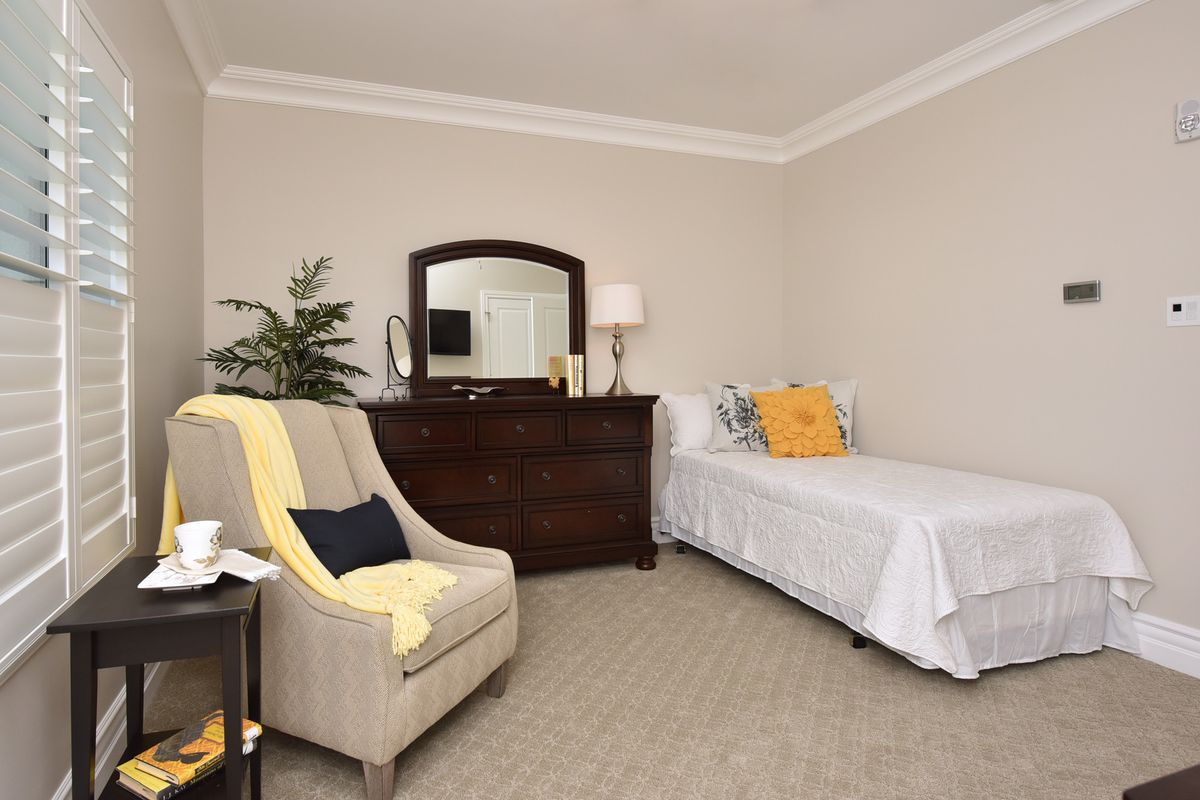
 Fully furnished
 Garden
 Ground floor units
 Housekeeping services
 Indoor common areas
 Move-in coordination
 Outdoor common areas
 Respite or short term stays offered
 Telephone
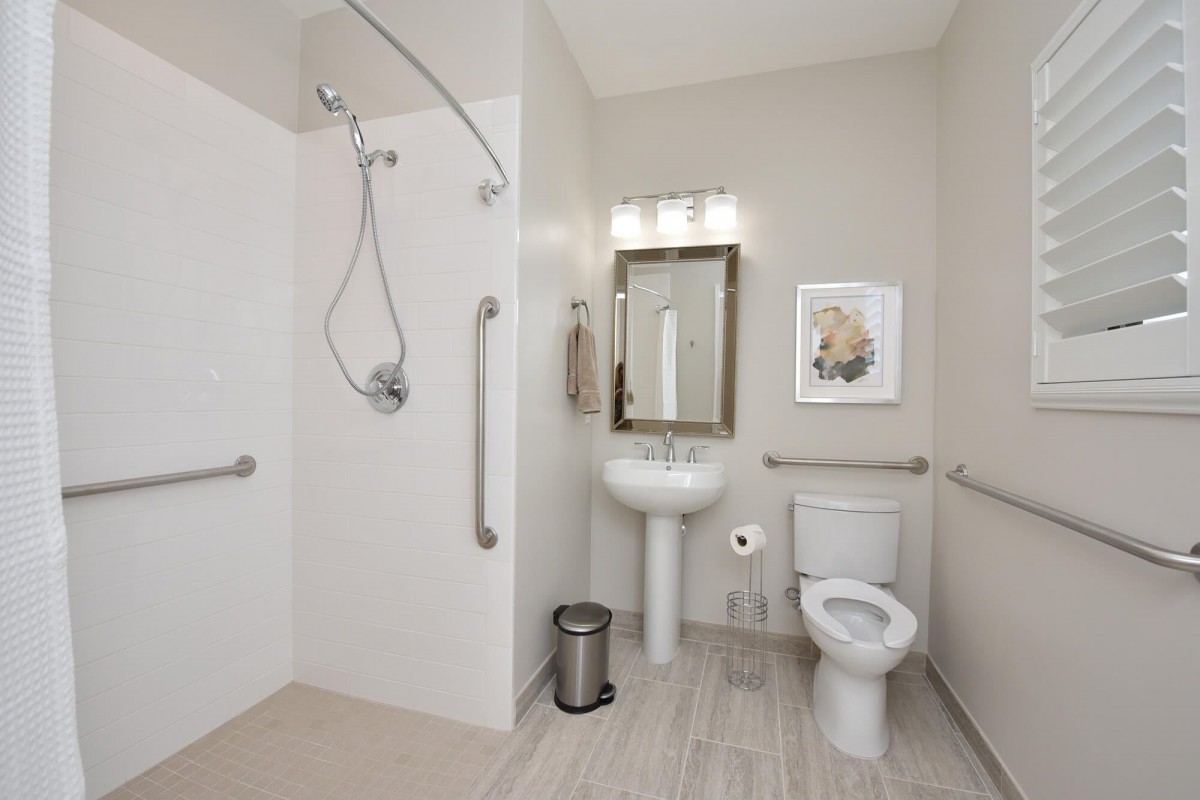
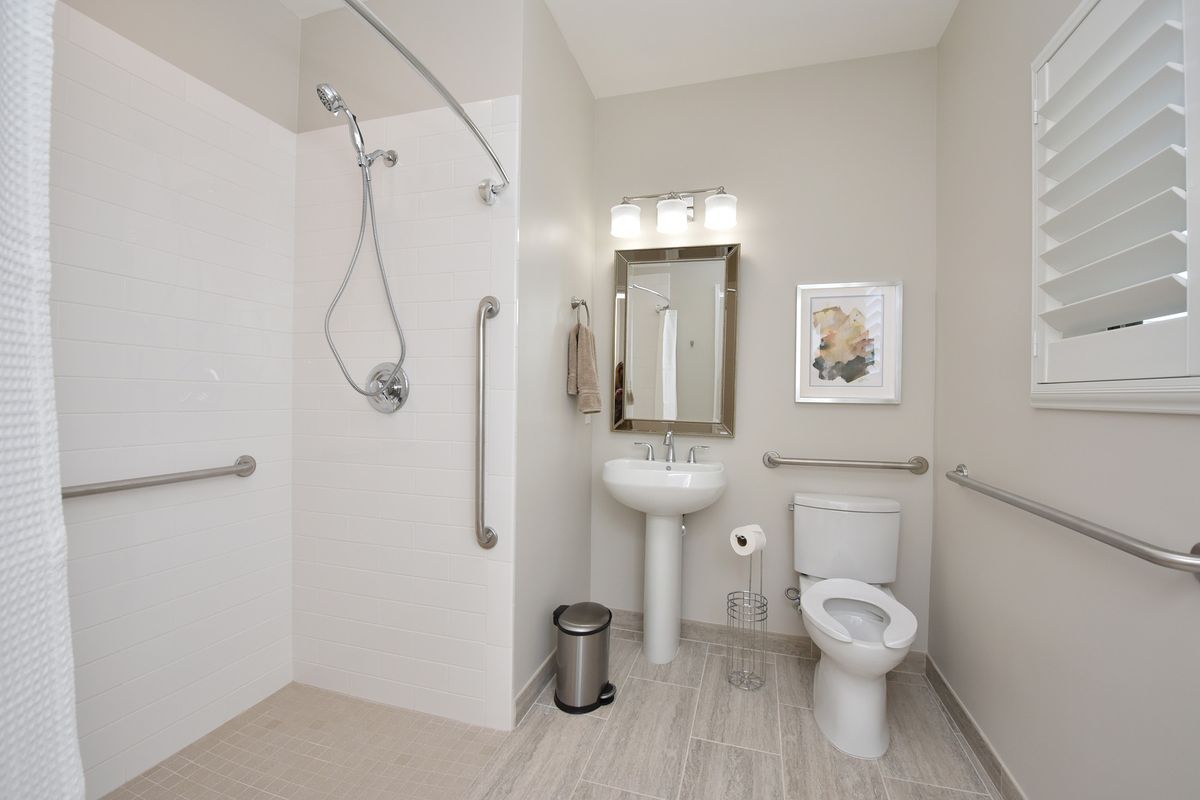
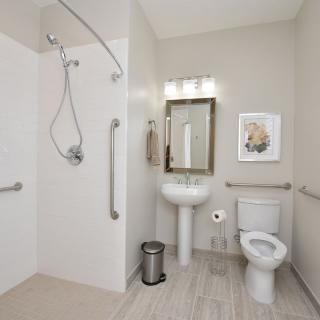
 Wheelchair accessible showers
 Wi-Fi/high-speed internet available
 Phoenix Sky Harbor International (5 miles away)
 24-hour supervision
 Assistance with bathing
 Assistance with dressing
 Assistance with transfers
 Diabetes diet
 Diabetic care
 Incontinence care
 Meal preparation and service
 Medication management
 Special dietary restrictions
 Transportation arrangement (medical)
 Transportation to doctors appointments
 BBQs or picnics
 Birthday parties
 Day trips and outings
 Happy hour
 Intergenerational programs
 Live dance or theater performances
 Live musical performances
 Stretching classes
 Social Security Benefits and Assisted Living: Navigating Options Across the U.S.
 An Extensive Exploration of the VA Aid and Attendance Benefit
 Senior Transition Services: Understanding Their Role, Cost, and Importance