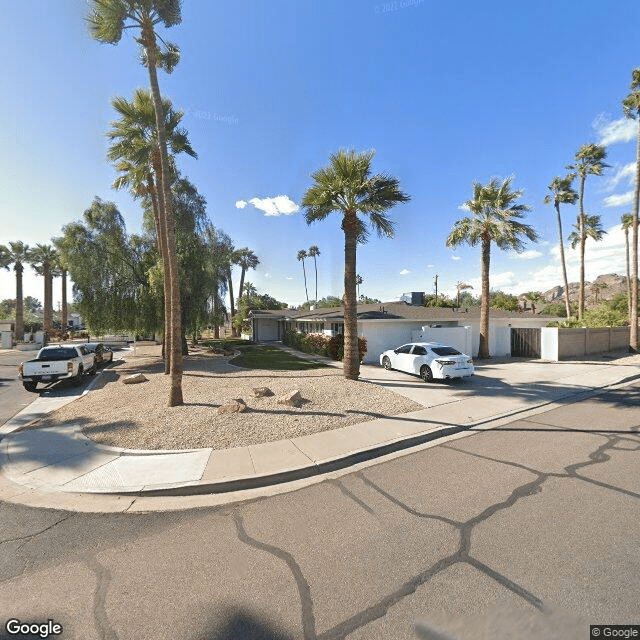
5528 E Calle Tuberia Dr, Phoenix, AZ 85018
To contact a resident: (602) 456-1919
For more information about senior living options: (866) 208-4318
Vista Living Camelback Costs & Pricing
Vista Living Camelback offers a range of accommodation options that reflect its commitment to quality living. For studio apartments, residents can expect monthly costs ranging from $3,100 to $7,500, which provides flexibility based on specific needs and preferences. In comparison, studio costs in Maricopa County average around $3,960, while the state of Arizona sees an average of $3,829. For those considering a one-bedroom unit at Vista Living Camelback, the price is set at $4,300 - a figure that exceeds both the county's average of $3,473 and the state's average of $3,532. This pricing structure may indicate a premium service level or enhanced amenities available at Vista Living Camelback compared to nearby options. Overall, these costs suggest a competitive yet premium offering in the local market for assisted living services.
| Floor plans | Vista Living Camelback | Maricopa County | Arizona |
|---|---|---|---|
| Studio | $3,100 to $7,500 | $3,960 | $3,829 |
| 1 Bedroom | $4,300 | $3,473 | $3,532 |
Memory care communities with a similar price nearby
-
from -$600 / mo

La Bella Vita ALH
$2,500 to $7,000 / month19.5 miles away -
from -$100 / mo
Desert Garden Senior Living
$3,000 to $3,500 / month14.2 miles away -
from -$100 / mo
Horizon Assisted Living
$3,000 / month18.0 miles away -
from -$600 / mo
Northlands Assisted Living Home
$2,500 / month22.9 miles away -
from -$100 / mo
Desert Winds I
$3,000 to $3,800 / month12.4 miles away
Overall Review of Vista Living Camelback
Pros
 The staff are friendly to work with.
- Meals are cooked fresh on-site for residents.
- Care includes bathing and dressing assistance, medication, and hygiene care.
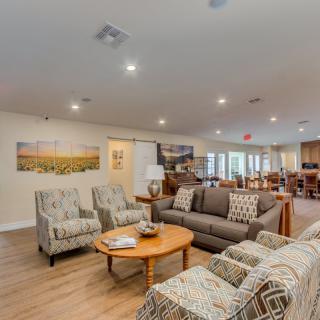
- The community is small, welcoming, and feels like home.
- Aides are available around the clock, and there is a night nurse to attend to residents' needs.
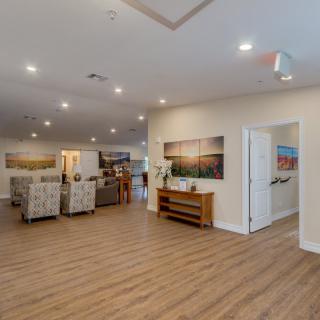
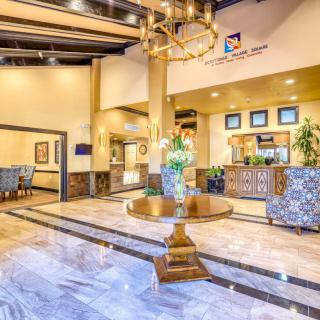
- The environment is clean, bright, and welcoming.
- Residents receive a lot of one-on-one attention, and the staff are doing a really good job.
Review
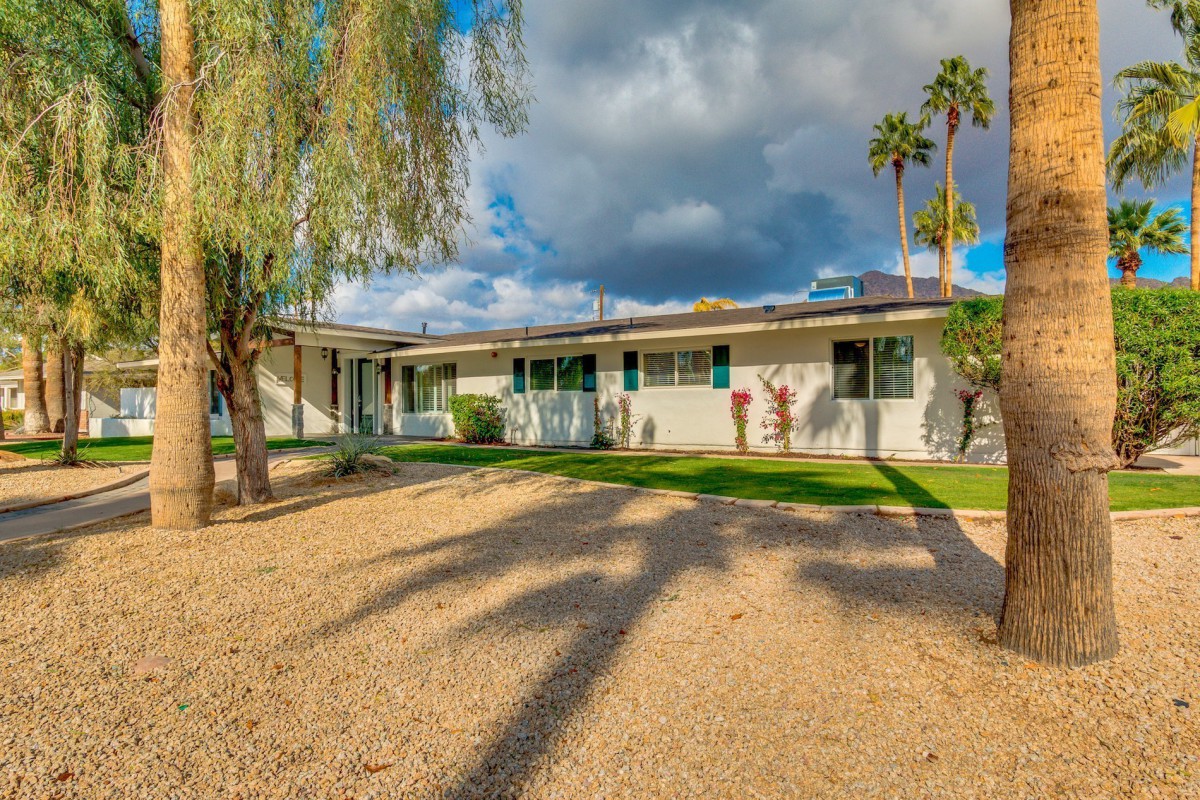
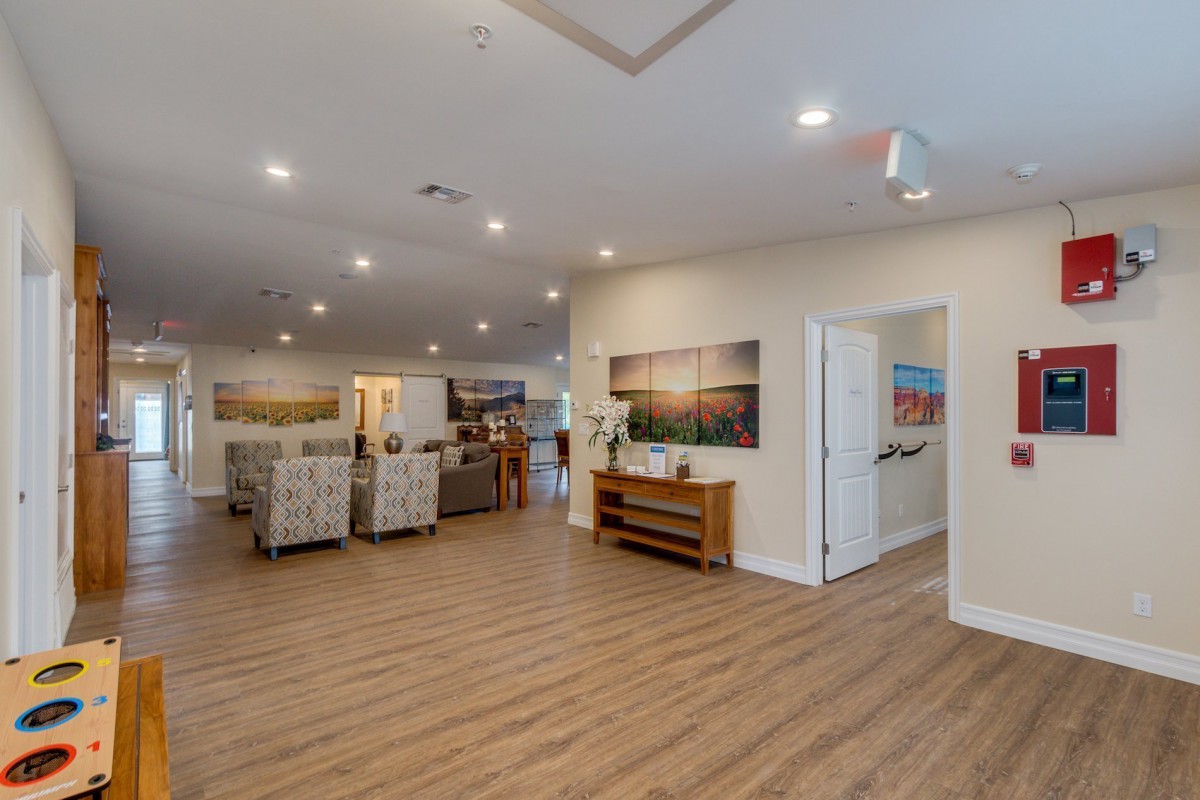
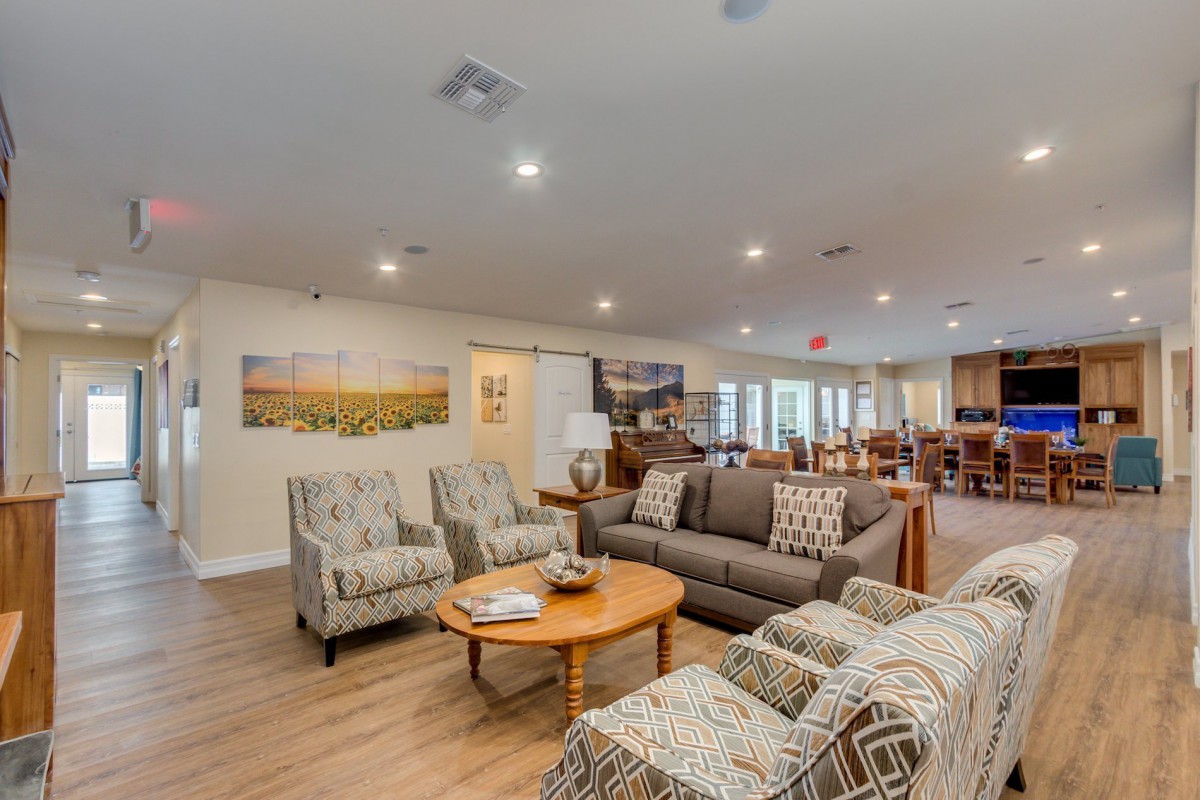
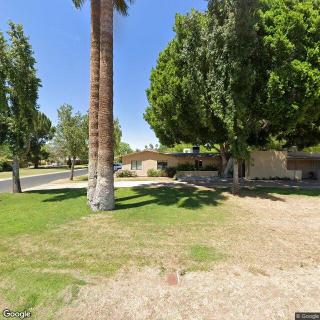
Vista Living Camelback in Phoenix is best suited for families seeking a compact, highly supportive assisted living experience where daily care feels personal and routines stay predictably reassuring. This community works best for seniors who value a home-like atmosphere, direct access to attentive staff, and meals that are prepared on-site with a sense of kitchen craftsmanship. For residents who thrive on close caregiver relationships, clear day-to-day structure, and a feeling of belonging, Vista Living Camelback delivers a compelling, low-stress option that avoids the impersonality of larger campuses.
The standout strength is the small, intimate footprint. Aides are visible and available around the clock, and there is a night nurse on duty, which translates into steady supervision and rapid response to needs. The care team appears to maintain a high level of hands-on support, so dressing, bathing, medication management, and personal hygiene all receive consistent attention. The environment supports a sense of security and reliability; residents are tended to with a calm, methodical approach that reduces anxiety for families who want to know their loved ones are not slipping through the cracks.
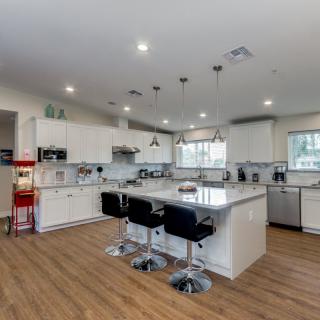
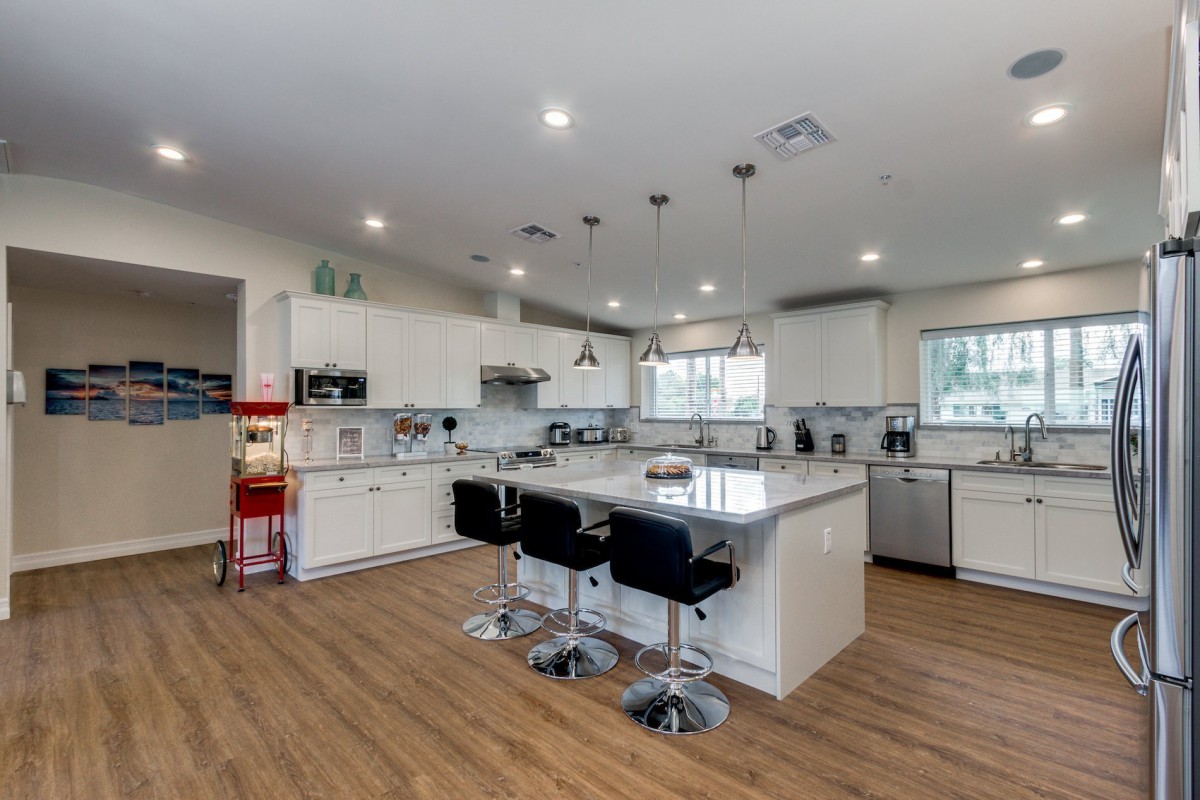
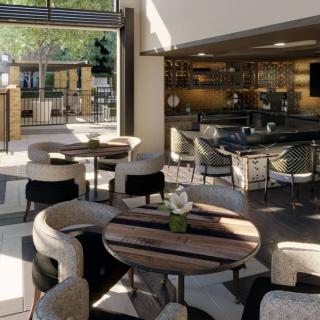
Another clear advantage lies in the daily living experience. Fresh meals are prepared in-house, with residents often dining together at the same table, which reinforces a family-style, socially cohesive culture. The kitchen’s role goes beyond sustenance, acting as a constant touchpoint for comfort and routine. The setting is described as clean, bright, and welcoming, attributes that matter greatly when choosing a place where daily life should feel safe and pleasant. The combination of good food, a homelike ambiance, and attentive staffing creates a morale-boosting environment that can significantly ease transitions for both residents and families.
The pros offset several common concerns that families evaluate in this category of care. The intimate scale naturally limits the logistical complexity found on larger campuses, which can sometimes translate into fewer bureaucratic hurdles and easier communication with caregivers. The consistent presence of aides and the night nurse provide reassurance that help is available when needed, without the sounds of turnover or inconsistency that can plague bigger facilities. In short, the personalized attention, stable staffing, and homey atmosphere work together to create a low-stress, high-trust setting where residents are seen and heard daily.
Nevertheless, it is prudent to consider alternatives for certain needs. For seniors requiring more extensive clinical oversight, specialized memory care, or a broader range of on-site therapies and activities, a larger community might deliver incremental value that a small campus cannot. Families seeking expansive social programming, diversified activity calendars, or more comprehensive rehabilitative services should compare options to ensure the chosen setting aligns with long-term care goals. Vista Living Camelback excels in warmth and attentiveness, but its smaller scope may feel limiting for those pursuing more intensive or variety-rich programming.
In practical terms, prospective residents and families should aim to visit with specific questions in hand: what are the staffing ratios during peak hours, how is care coordinated across shifts, what exactly does the night nurse cover, and how do meals accommodate dietary restrictions or preferences? Observing meal service, speaking with front-line staff, and touring communal spaces will reveal whether the home-like rhythm fits the resident’s personality and care needs. For many, Vista Living Camelback offers a compelling balance of warmth, attentiveness, and practical care, making it a strong recommendation for those prioritizing a tightly knit, well-supported living environment over larger, more impersonal campuses.
 Assisted Living
 Memory Care
 Cats allowed
 Dogs allowed
 Activities on-site
 Air-conditioning
 Beautician on-site
 Cable or satellite TV
 Indoor common areas
 Outdoor common areas
 Private
 Private bathrooms
 Respite or short term stays offered
 Wheelchair accessible showers
 Wi-Fi/high-speed internet available
 Phoenix Sky Harbor International (5 miles away)
 Diabetic care
 High acuity care
 Incontinence care
 Medication management
 Anytime dining
 Art classes
 BBQs or picnics
 Birthday parties
 Educational speakers / life long learning
 Live musical performances
 Live well programs
 Pet-focused programs

 A Thorough Discussion of Medications Potentially Linked to Dementia Risk
 Why Do Dementia Patients Sleep So Much? Understanding Oversleeping, Stages, and Care Approaches
 8 Key Indicators That Suggest It May Be Time to Transition from Assisted Living to Skilled Nursing Care