
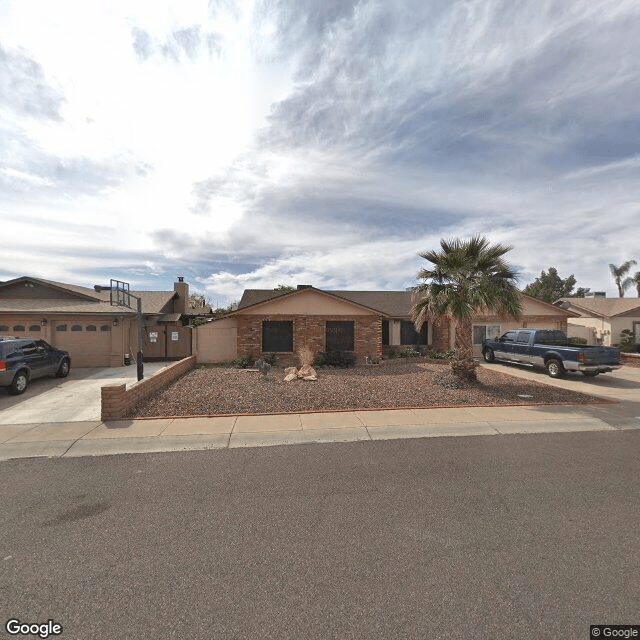
3313 W. Topeka Drive, Phoenix, AZ 85027
To contact a resident: (623) 869-0133
For more information about senior living options: (866) 208-4318
Our Parents Home Care Costs & Pricing
At Our Parents Home Care, we offer competitive pricing for our services, with monthly rates of $2,700 for both private and semi-private rooms. This is notably lower than the average costs in Maricopa County, where private rooms are priced at approximately $3,318 and semi-private rooms at around $2,801. Similarly, the state averages reflect higher costs as well, with private room rates reaching about $3,345 and semi-private at $2,820. Our commitment to providing quality care at more accessible prices ensures that families can find the supportive environment they need without compromising on care or comfort.
| Floor plans | Our Parents Home Care | Maricopa County | Arizona |
|---|---|---|---|
| Private | $2,700 | $3,318 | $3,345 |
| Semi-Private | $2,700 | $2,801 | $2,820 |
Senior living communities with a similar price nearby
-
from +$100 / mo
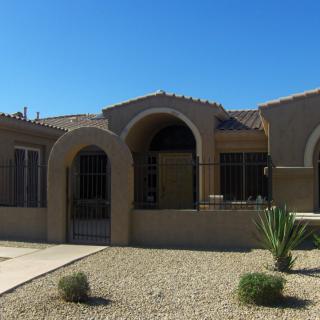
Pinnacle Peak Assisted Living
$2,800 to $3,100 / month13.0 miles away -
About the same

The Eldercare Home Of Tempe
$2,625 to $3,412 / month23.6 miles away -
from +$250 / mo
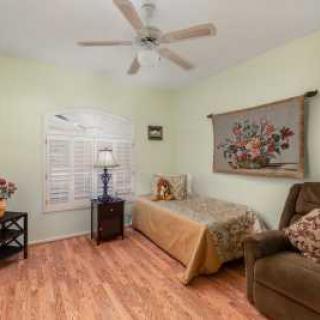
Endeavor AL I
$2,950 to $4,200 / month9.0 miles away -
from +$200 / mo
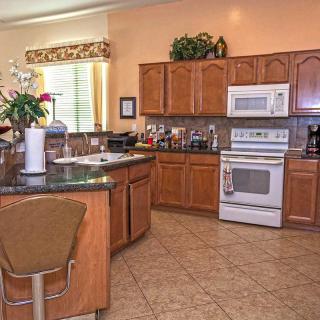
Royal Paradise Care
$2,900 to $3,800 / month12.9 miles away -
from +$100 / mo
Home of Helping Hands Assisted Living, LLC
$2,800 to $3,500 / month18.8 miles away
Overall Review of Our Parents Home Care
Pros
 My Parents Paradise takes wonderful care of its residents.
- Sylvia and her team know residents' needs and treat them with care and respect.
- The home is better than a larger facility and shows it with warm greetings each day.
- The facility is very clean, well-run, and the staff are friendly.
- Sylvia, the owner, is especially friendly.
- The facility is highly recommended.
Review
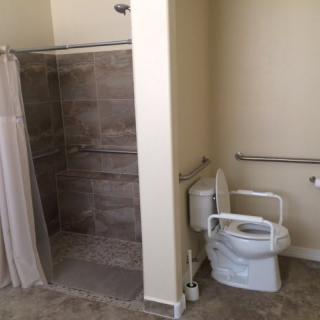
This community is best suited for seniors who want a true home-like setting in Phoenix and value deeply personal attention delivered by a tight-knit team. Our Parents Home Care works best for residents who respond well to consistent, familiar caregivers and to direct involvement from the owner. It is especially well-suited for families seeking a warm, affirming atmosphere where staff greet residents by name and tailor daily routines to individual needs, rather than a large, impersonal campus structure. The emphasis on knowing each resident’s history and preferences makes this setting ideal for those who place high value on dignity, predictable caregiving, and a quiet, homelike cadence to days.
Those who may want to consider alternatives are clear when care needs exceed what a small home can provide. Residents requiring extensive medical supervision, complex wound care, or on-site clinical services from a full-service nursing team will likely find the bandwidth and resources here insufficient. Similarly, memory care with specialized programming, risk-reduction protocols, and structured cognitive-therapy activities tends to demand a larger, more purpose-built program. Families seeking a wide range of on-site amenities, frequent social events across multiple activity tracks, or robust transportation options for appointments and outings may prefer a bigger community. In short, when intensive medical oversight or extensive memory-care infrastructure is essential, other options should be explored.
The primary strengths are practical, tangible, and genuinely differentiating. Cleanliness and meticulous daily operations create instant confidence, while the staff’s friendliness and the owner’s visible hands-on leadership translate to quick responsiveness and real accountability. The home atmosphere, scaled around a single household model, allows staff to know residents’ routines, preferences, and changing needs, which translates into fewer miscommunications and more meaningful interactions. Positive, repeated greetings, respectful treatment, and a sense that care is tailored to the individual all contribute to a sense of security and comfort that larger facilities often struggle to replicate. These pros directly support residents’ emotional well-being and can reduce stress for families who want reassurance that their loved one is seen, heard, and treated with genuine courtesy.
Yet, the main cons flow naturally from the setting’s size and design. The most significant trade-off is limited capacity for specialized services and advanced medical oversight. Where a larger campus might offer on-site therapy sessions, physician visits, or rapidly scalable staffing for higher-need days, this home-style model typically relies on a smaller team and more centralized routines. Activity variety can be strong, but it may not match the breadth available on a bigger campus, and there is less redundancy in staffing, if a caregiver is unavailable, coverage may be tighter than in a larger facility. For families expecting highly structured memory-care programming or a wide spectrum of clinical supports under one roof, these gaps are real considerations.
The key question becomes whether the pros align with the resident’s trajectory. For seniors who prize continuity, low-key daily rhythms, and a nurturing environment where staff and ownership are visibly invested, the offsetting benefits largely outweigh the limits. The intimate setting reduces the impersonality that can come with bigger communities, and the daily demonstrations of care, through personal engagement and a trusted caregiver team, often translate into calmer mornings, more respectful interactions, and a stronger sense of belonging. If this alignment is present, the recommendation is clear: this is a leading choice in its niche.
In decision mode, households facing the choice should plan a focused visit with a checklist: observe how quickly staff respond to needs, assess meal variety and dining comfort, confirm the scope of medical support available on-site, and verify memory-care or rehabilitation options if those are anticipated needs. Ask about caregiver turnover, family communication routines, and how ownership involvement translates into day-to-day operations. If the resident’s needs are largely caretaking-and-companionship oriented, this community stands out as a practical, reliable match. If the care requirements lean toward high medical intensity or specialized dementia care, alternatives with broader clinical ecosystems deserve serious comparison. Overall, this option earns strong consideration as a thoughtfully operated, neighborly home that treats residents with genuine respect and attentiveness.
 Board and Care Home
 Cats allowed
 Dogs allowed
 Private
 Phoenix Sky Harbor International (17 miles away)
 Diabetic care
 Incontinence care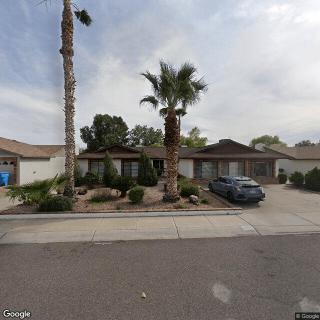


 Navigating the Tax Landscape of Caregiving: Credits, Deductions, and Beyond
 Highly Beneficial Low-Impact Exercises for Senior Living Residents
 Is In-Home Healthcare Tax Deductible? Your Comprehensive Guide