
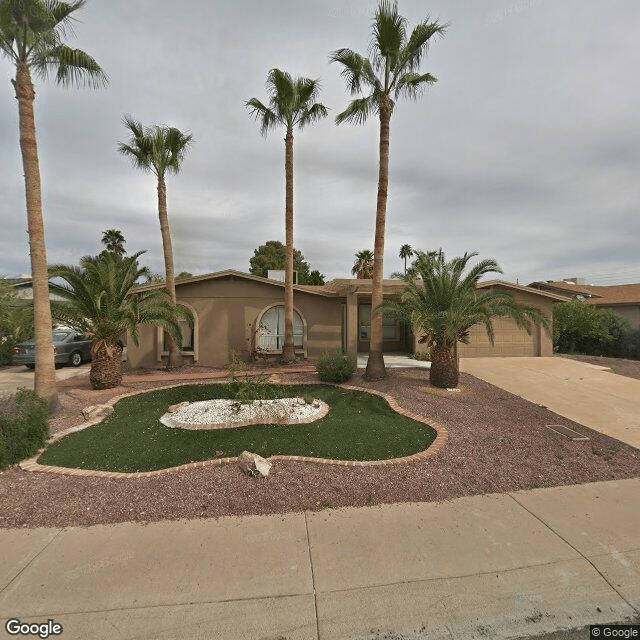
3120 West McRae Way, Phoenix, AZ 85027
To contact a resident: (602) 524-8124
For more information about senior living options: (866) 208-4318
All Roses Loving Care Home, Inc Costs & Pricing
All Roses Loving Care Home, Inc offers competitive pricing for its residents, particularly when compared to the broader market in Maricopa County and the state of Arizona. For semi-private accommodations, All Roses charges $1,800 per month, significantly lower than the county average of $2,801 and the state average of $2,820. Similarly, their private rooms are priced at $2,200 per month, which again is more affordable than both the county average of $3,318 and the state average of $3,345. This pricing structure reflects All Roses' commitment to providing high-quality care while remaining accessible to a wider range of families seeking assisted living options.
| Floor plans | All Roses Loving Care Home, Inc | Maricopa County | Arizona |
|---|---|---|---|
| Semi-Private | $1,800 | $2,801 | $2,820 |
| Private | $2,200 | $3,318 | $3,345 |
Memory care communities with a similar price nearby
-
from +$200 / mo
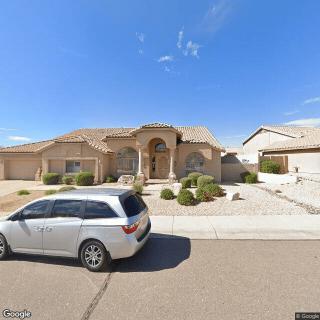
Tatum Ranch Assisted Living
$2,000 to $3,000 / month11.3 miles away -
from +$200 / mo

Arrowhead Shore Senior Living, LLC
$2,000 to $3,000 / month7.2 miles away -
from +$200 / mo

All Care Assisted
$2,000 to $2,500 / month16.9 miles away -
from +$100 / mo

Maravilla Scottsdale
$1,900 to $6,130 / month11.7 miles away -
from +$200 / mo
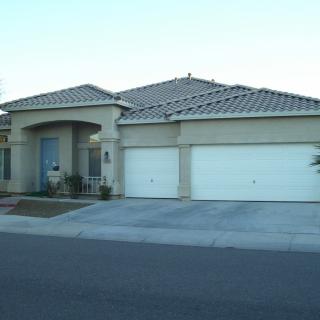
Sierra Vista Assisted Living
$2,000 to $3,000 / month19.6 miles away
Overall Review of All Roses Loving Care Home, Inc
Pros
 The tour went great and Richard was very helpful, answering all questions.
- The residents seemed happy and content.
- The facility has its own bathroom, a feature that is appreciated.
- The place is nice and roomy.
- The place is very clean.
- The staff are helpful, offering assistance to residents, such as helping them into their chairs.
- The tour guide was nice and informative.
Cons
 He has requested that they pay for a LPN in case of emergencies, but the reviewer would rather call 911 if something serious occurred.
- He was asking for $2200/mo, which would need to be $2000/mo to be acceptable since they are paying for it.
Review
This community is best suited for families seeking a small, home-like setting where privacy and ease of daily living are prioritized, and where medical oversight can be arranged outside the core package. It fits residents who want roomy spaces and private bathrooms, a calm, low-stimulus environment, and a straightforward, uncomplicated care model. The price point around $2,200 per month positions it as a budget-conscious option for families willing to absorb a modest premium for cleanliness, quiet corridors, and an intimate atmosphere rather than a large, bustling campus with extensive on-site medical staffing.
The initial tour experience is a strong signal of what the community strives to deliver. The guide, Richard, is praised for being informative, responsive, and attentive to questions. Prospective residents and their families walk away with the sense that the setting is clean, the residents appear content, and the environment feels orderly and respectful. The emphasis on residents having their own bathrooms and a calm, comfortable common life creates an appealing narrative for anyone prioritizing dignity and independence in a smaller footprint.
Care and daily living arrangements reveal a practical, no-frills approach. Staff assistance is available for mobility and daily tasks, as indicated by references to help getting residents into chairs. However, a notable consequence of the model is the requirement to pay for an LPN installation for emergencies. The facility presents housing and basic support, but on-site clinical coverage is not bundled, leaving families to arrange additional nursing support if needed, or to rely on external emergency services when a medical issue arises. The prospect of paying extra for medical coverage can be a critical trade-off for families balancing budget against risk.
These factors translate into a clear balance of strengths and gaps. The major advantages, cleanliness, roominess, private bathrooms, and a serene, contented resident milieu, are meaningful for residents who want simplicity and dignity without the bustle of a larger campus. Yet the main drawback is the optional LPN cost, which can push monthly expenses beyond what a family anticipated if a higher level of medical oversight is required. The overall rating of 3.6 from ten reviews signals mixed experiences, and the repeated, succinct positives about the tour and environment are tempered by the absence of detailed information about activities, meals, and deeper clinical capabilities.
For those who may want to consider alternatives, this community is prudent to pass if a robust on-site nursing program or memory-care specialization is non-negotiable. Families needing daily medical supervision, a full-time nurse on staff, or more extensive engagement programming may find more value elsewhere. Likewise, those hoping for stronger connections with veterans’ benefits or who require a price model that bundles clinical care will want to compare other options. The VA angle from the tour hints at potential alignment for some, but the facility’s advertised model suggests coordinating care externally rather than integrating it into a single monthly rate.
The practical next steps are clear. Request a precise, written cost breakdown that distinguishes housing, meals, activities, and the LPN add-on, and confirm any other surcharges. Schedule a second visit focused on a day-in-the-life view: observe staff-to-resident interaction during meals and activities, verify how emergencies are handled in real time, and probe the availability of assistive devices and mobility aids. If the family can accept the trade-off of external medical oversight and values the privacy, quiet, and clean, home-like feel, this community can be a good fit. If not, it is wise to widen the search to communities with included clinical staffing, more robust daily programming, or a structure that better aligns with the resident’s medical and activity priorities.
 Board and Care Home
 Memory Care
 Cats allowed
 Dogs allowed
 Activities on-site
 Indoor common areas
 Outdoor common areas
 Private
 Private bathrooms
 Respite or short term stays offered
 Wheelchair accessible showers
 Phoenix Sky Harbor International (17 miles away)
 Diabetic care
 High acuity care
 Incontinence care
 Meals provided



 8 Key Indicators That Suggest It May Be Time to Transition from Assisted Living to Skilled Nursing Care
 Nourishing the Mind: Essential Dietary Approaches for Dementia
 Understanding Dementia Behaviors: Practical Insights and Strategies for Caregivers