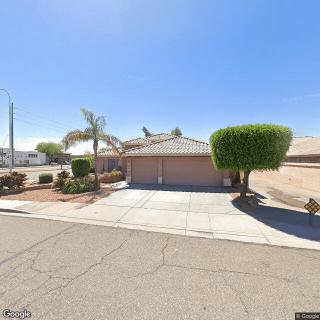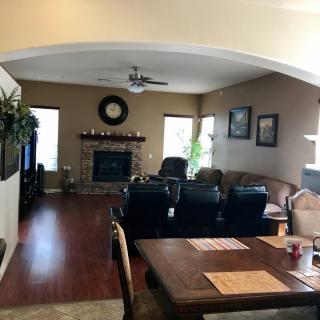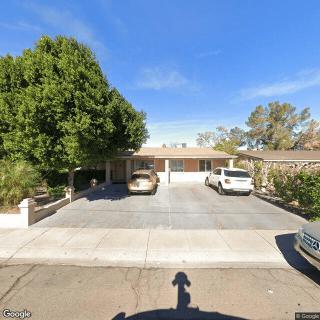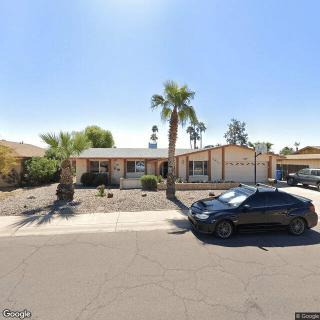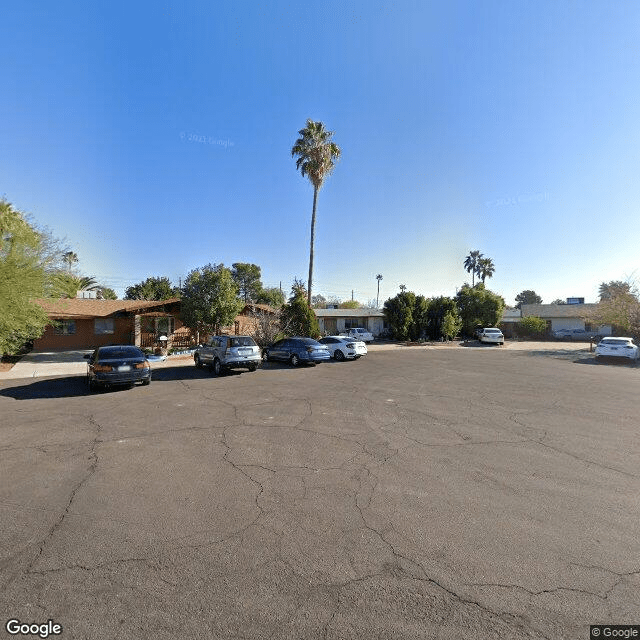
Desert View Adult Care Home in Phoenix, AZ

Save
Desert View Adult Care Home

Desert View Adult Care Home in Phoenix, AZ

9407 North 36Th Avenue, Phoenix, AZ 85051

For more information about senior living options: (844) 490-3973

2.3 from 6 reviews
5 stars
2
4 stars
0
3 stars
0
2 stars
0
1 stars
4

Assisted Living Board and Care Home Memory Care Respite Care

Desert View Adult Care Home Costs & Pricing

Desert View Adult Care Home offers competitive pricing for its services, particularly when compared to both Maricopa County and the broader state of Arizona. For semi-private rooms, Desert View's monthly cost is $2,000, significantly lower than the county average of $2,801 and the state average of $2,820. Similarly, the private room rate at Desert View stands at $2,500, which is also more affordable than the county's average of $3,318 and the state's average of $3,345. This positioning not only reflects Desert View's commitment to accessibility in adult care but also highlights its appeal as a budget-conscious option for families seeking quality care in a nurturing environment.

Floor plansDesert View Adult Care HomeMaricopa CountyArizona
Semi-Private$2,000$2,801$2,820
Private$2,500$3,318$3,345

Overall Review of Desert View Adult Care Home

Pros

  • pro The facility is a great place to live.
  • pro The staff are caring and provide constant care with a gentle touch.
  • pro The care is awesome with a professional approach to residents.
  • pro The place is highly recommended.

Cons

  • pro The owner of the building is disrespectful and unprofessional.
  • pro The care provided here is horrible.
  • pro They made it difficult for a family to transfer their grandparent to a different facility.
  • pro The lady is in it for the money and doesn't pay her employees for their hard work or their time, focusing on the wrong motives.

Review

Desert View Adult Care Home in Phoenix is best suited for families seeking a small, intimate setting where caregivers know residents well and provide steady, hands-on supervision. The strongest voices in the feedback describe a daily reality of attentive staff and continuous care, with a gentle, professional approach that can feel reassuring for seniors who want to stay engaged and closely monitored. For residents who thrive on personal interaction, predictable routines, and a home-like atmosphere rather than a large, hospital-style campus, this community can deliver a comforting sense of familiar care.

Yet there is a significant caveat that families cannot overlook. Several reviewers raise concerns about the leadership and business practices behind the care. Complaints describe the owner as disrespectful or unprofessional and question the motives behind running the facility, including allegations of prioritizing profit over people and of failing to compensate staff adequately. A decisive transfer dispute is cited as well, implying possible friction between families and management when transitions to other facilities are needed. These threads hint at a risk to reliability and consistency that could affect long-term satisfaction.

The positives cited - the caring staff, the constant presence of caregivers, and a professional, attentive approach - do carry substantial weight. When frontline workers are engaged and consistently available, residents can experience meaningful supervision, timely assistance with daily activities, and a sense of safety that makes a home feel secure. These strengths align with what families often value most: dependable caregiving, a respectful bedside manner, and an environment where aides and nurses appear to be dedicated to their residents' daily well-being. In that light, the care experience can be excellent on a day-to-day basis.

However, the main cons cannot be dismissed. Leadership dynamics, if perceived as disrespectful or profit-driven, have a way of seeping into every facet of the resident experience. Staff morale and retention are closely tied to ownership behavior; reports of unpaid or underpaid staff feed concerns about staffing stability and long-term consistency. A facility may shine in a snapshot of moments, yet ongoing governance issues can lead to abrupt policy shifts, inconsistent communication, and difficulties when residents or families need to navigate transfers or complaints. That combination presents a real risk to continuity of care.

Prospective buyers should demand concrete information before committing. Key questions should focus on how the facility handles transfers, what kind of oversight exists to protect residents during disputes, and who is accountable for day-to-day operations when conflicts arise. Inquire about staffing ratios, shift coverage, staff training, and how grievances are resolved. Seek opportunities to speak with several frontline staff to gauge morale and stability, and request a transparent overview of payments, bonuses, and how the owner's involvement affects scheduling and service delivery. If those conversations reveal strong, unambiguous processes and respectful leadership, the positives can outweigh the risks.

In the end, Desert View Adult Care Home presents a clear dichotomy: a potentially warm, attentive caregiving environment housed in a small setting, tethered to a leadership dynamic that can undermine or reinforce that warmth depending on how it is managed. For families prioritizing daily, humane care and intimate resident contact, and who are prepared to monitor governance and advocate for reliable policies, this option can be compelling. For those whose bottom line hinges on stable administration, predictable decision-making, and assurances that ownership will consistently align with resident welfare, alternative communities with more transparent leadership and proven staffing stability are worth prioritizing. The prudent step is to weigh the day-to-day warmth of the caregiving staff against the potential volatility of management and policy, and to choose based on which factor will most strongly affect the resident's long-term safety, dignity, and peace of mind.

Features

Housing

  • 8 resident community capacity 8 resident community capacity

Types of Care

  • Assisted Living Assisted LivingAssisted living facilities provide crucial support and care for seniors who may need help with daily tasks such as medication management, bathing, and meal preparation. These communities offer a safe and comfortable environment where seniors can maintain their independence while receiving the assistance they need to thrive in their golden years.
  • Board and Care Home Board and Care HomeBoard and care homes provide a smaller, more intimate setting for seniors who require assistance with daily tasks but do not need the level of care offered by a nursing home. They offer personalized care, meals, and social activities in a homelike environment, ensuring that seniors receive individualized attention and support in their golden years.
  • Memory Care Memory CareMemory care is crucial for seniors as it provides specialized support and services for individuals with dementia or Alzheimer's disease. These programs offer a safe and secure environment where residents receive personalized care, cognitive stimulation, and help with daily activities. Memory care helps seniors maintain their independence, quality of life, and dignity while also providing peace of mind for their families.
  • Respite Care Respite CareRespite care provides temporary relief for caregivers, allowing them to recharge and attend to their own needs. It also gives seniors the opportunity to socialize, receive professional care, and experience a change of scenery, promoting overall well-being and reducing feelings of isolation.

Amenities

  • Cable or satellite TV Cable or satellite TVCable or satellite TV is important for seniors because it provides entertainment, news, and companionship, helping to combat loneliness and boredom. It also offers a wide range of programming options tailored to different interests and preferences.
  • Dining room Dining roomDining rooms are important for seniors as they provide a space for socialization, connection, and nutritious meals. They offer opportunities for residents to bond over shared meals, foster a sense of community, and promote healthy eating habits. Dining rooms also ensure that seniors have access to well-balanced meals tailored to their dietary needs and preferences.
  • Fully furnished Fully furnishedFully furnished senior living communities are important for seniors because they provide convenience, comfort, and a hassle-free moving experience. Seniors can easily settle into their new living space without the stress of having to buy and move furniture. This allows them to focus on enjoying their new home and community.
  • Garden GardenGardens are important for seniors as they provide a peaceful and therapeutic environment for relaxation, physical activity, and socialization. Being in nature has been shown to reduce stress, improve mood, and promote overall well-being. Gardens also offer opportunities for seniors to engage in gardening activities, which can improve mobility, flexibility, and cognitive function. Additionally, gardens create a sense of community and connection with others who share a passion for plants and outdoor spaces.
  • Housekeeping services Housekeeping servicesHousekeeping services are important for seniors because they help maintain a clean and safe living environment, promote independence, and reduce the risk of accidents or illnesses. Additionally, having assistance with household chores can alleviate physical strain and allow seniors to focus on other aspects of their well-being.
  • Move-in coordination Move-in coordinationMove-in coordination is important for seniors because it helps ease the transition into their new living environment. It ensures that all logistics, such as packing, organizing movers, and setting up utilities are taken care of, allowing seniors to focus on settling in and adjusting to their new home. Having a smooth move-in process can alleviate stress and anxiety, making the transition smoother and more enjoyable for seniors.
  • Outdoor space Outdoor spaceOutdoor spaces are important for seniors as they provide opportunities for physical activity, social interaction, exposure to natural light and fresh air, and a sense of connection to nature. Having access to outdoor spaces can improve overall well-being and quality of life for older adults living in senior communities.
  • Private PrivatePrivacy is important for seniors as it allows them to maintain their independence, dignity, and sense of control over their own lives. It also gives them the space and freedom to relax, reflect, and engage in activities that bring them joy and fulfillment. Creating private spaces within senior living facilities is crucial for promoting overall well-being and quality of life.
  • Respite or short term stays offered Respite or short term stays offeredRespite or short term stays provide seniors with a temporary solution when their regular caregiver is unavailable, offering them the opportunity to receive additional care and support during times of need, while also giving caregivers a chance to rest and recharge.
  • Telephone TelephoneTelephones are important for seniors as they provide a lifeline for communication with loved ones, emergency services, and healthcare providers. They offer a sense of security and independence, enabling seniors to stay connected and access assistance when needed.
  • Wi-Fi/high-speed internet available Wi-Fi/high-speed internet availableWi-Fi/high-speed internet is important for seniors to stay connected with loved ones, access online resources, and participate in virtual activities to combat feelings of loneliness and isolation. It also allows them to easily manage healthcare needs, access entertainment, and engage in lifelong learning opportunities.

Transportation

  • Phoenix Sky Harbor International (12 miles away) Phoenix Sky Harbor International (12 miles away)

Care Services

  • 24-hour supervision 24-hour supervision24-hour supervision is important for seniors to ensure their safety, well-being, and access to immediate assistance in case of emergencies or health issues. This constant support provides peace of mind for both seniors and their loved ones, allowing them to age in place with dignity and security.
  • Activities of daily living assistance Activities of daily living assistanceActivities of daily living assistance are important for seniors because they provide essential support with tasks such as eating, bathing, dressing, and mobility. This assistance helps seniors maintain their independence, dignity, and overall quality of life as they age.
  • Assistance with bathing Assistance with bathingAssistance with bathing is crucial for seniors as it helps maintain personal hygiene, prevents infections, and ensures their overall well-being and comfort. It also provides a sense of dignity and independence for seniors who may struggle with this task on their own.
  • Assistance with dressing Assistance with dressingAssistance with dressing is important for seniors because it helps maintain their independence, promotes personal hygiene, prevents accidents and injuries, and improves overall quality of life. This service ensures that seniors can continue to dress comfortably and confidently, despite any physical limitations they may have.
  • Assistance with transfers Assistance with transfersAssistance with transfers is crucial for seniors as it helps prevent falls and injuries, maintains their independence, and ensures they can safely navigate their living environment. It also provides peace of mind for both seniors and their loved ones.
  • Coordination with health care providers Coordination with health care providersCoordination with health care providers is crucial for seniors to ensure proper medical care, medication management, and overall well-being. This collaboration helps prevent overlapping treatments, track progress more effectively, and provide comprehensive support tailored to individual needs.
  • Diabetes diet Diabetes dietA diabetes diet is crucial for seniors as it helps manage blood sugar levels, reduce risks of complications, and improve overall health and well-being. By following a balanced and nutritious diet tailored to their specific needs, seniors can better control their diabetes and enhance their quality of life.
  • Diabetic care Diabetic careDiabetic care is crucial for seniors as they are more susceptible to developing diabetes due to aging and other health conditions. Proper management of diabetes can help prevent complications such as heart disease, vision loss, and nerve damage, improving the overall quality of life for seniors in senior living communities.
  • Incontinence care Incontinence careIncontinence care is essential for seniors to maintain their dignity, hygiene, and overall quality of life. By addressing incontinence issues promptly and effectively, seniors can enjoy a sense of independence and comfort in their daily activities.
  • Meal preparation and service Meal preparation and serviceMeal preparation and service are crucial for seniors as they may have limited mobility or energy to cook nutritious meals. Having access to healthy and convenient food options can ensure they are getting the proper nutrition needed to maintain their overall health and well-being.
  • Medication management Medication managementMedication management is crucial for seniors to ensure they are taking the right medications at the correct dosages and times. This helps prevent adverse drug interactions, reduces the risk of medication errors, and promotes overall health and well-being. Proactive management also allows for adjustments as needed based on changing health conditions or new prescriptions.
  • Special dietary restrictions Special dietary restrictionsSpecial dietary restrictions are important for seniors because age-related changes in metabolism and health conditions can make it difficult for their bodies to process certain foods. By following a diet tailored to their specific needs, seniors can maintain their overall health and well-being, manage chronic conditions, and reduce the risk of complications such as malnutrition or food interactions with medications.
  • Transportation arrangement (medical) Transportation arrangement (medical)Transportation arrangements for medical purposes are essential for seniors as they may have difficulty driving themselves to appointments or accessing public transportation. Having reliable and safe transportation options ensures that seniors can receive timely medical care and maintain their health and well-being.
  • Transportation to doctors appointments Transportation to doctors appointmentsTransportation to doctors' appointments is crucial for seniors as it ensures they have access to necessary medical care and support for their health needs. Without reliable transportation, seniors may struggle to attend important appointments, leading to potential delays in treatment and health complications. Providing transportation services helps seniors maintain their overall well-being and quality of life.

Dining

  • Diabetes diet Diabetes dietA diabetes diet is crucial for seniors as it helps manage blood sugar levels, reduce risks of complications, and improve overall health and well-being. By following a balanced and nutritious diet tailored to their specific needs, seniors can better control their diabetes and enhance their quality of life.
  • Special dietary restrictions Special dietary restrictionsSpecial dietary restrictions are important for seniors because age-related changes in metabolism and health conditions can make it difficult for their bodies to process certain foods. By following a diet tailored to their specific needs, seniors can maintain their overall health and well-being, manage chronic conditions, and reduce the risk of complications such as malnutrition or food interactions with medications.

Activities

  • Community-sponsored activities Community-sponsored activitiesCommunity-sponsored activities are important for seniors as they provide opportunities for social interaction, mental stimulation, and physical activity. These activities can help improve overall well-being, combat loneliness and isolation, and promote a sense of belonging and purpose among older adults.
  • Scheduled daily activities Scheduled daily activitiesScheduled daily activities are important for seniors because they provide structure, socialization, mental stimulation, and physical activity. Engaging in regular activities can improve overall well-being and quality of life for seniors living in a community setting.

Description

Desert View Adult Care Home in Phoenix, AZ is an assisted living community that provides a range of care services for seniors. As a board and care home, they offer personalized assistance with activities of daily living such as bathing, dressing, and transfers. They also provide coordination with health care providers to ensure residents receive the necessary medical attention.

This community specializes in memory care, catering to seniors with Alzheimer's or other forms of dementia. They have trained staff who are experienced in providing the specialized care needed for these individuals. Additionally, they offer respite care for those who need short-term stays.

The amenities at Desert View Adult Care Home are designed to create a comfortable and enjoyable living environment. Residents can enjoy meals in the dining room that caters to special dietary restrictions. The living spaces are fully furnished, and there is outdoor space available for relaxation or walks in the garden. Housekeeping services are provided to ensure a clean and tidy environment.

Residents can stay connected with telephone and Wi-Fi/high-speed internet services. The community also offers move-in coordination for a smooth transition into their new home.

In terms of nearby conveniences, Desert View Adult Care Home is surrounded by cafes, parks, pharmacies, physicians' offices, restaurants, places of worship, and hospitals. This ensures easy access to various amenities and healthcare services.

Overall, Desert View Adult Care Home provides a supportive and nurturing environment for seniors who require assistance with daily tasks or specialized memory care. With its range of amenities and convenient location, it offers a comfortable and fulfilling lifestyle for its residents.

Nearby Places of Interest

This area of Phoenix, Arizona offers a variety of amenities and services that may be beneficial for seniors looking for a convenient and comfortable living environment. With several pharmacies nearby, accessing prescription medications is easily accessible. There are also multiple cafes and restaurants in the vicinity, providing options for dining out or enjoying a quick bite to eat. Additionally, there are places of worship for spiritual support, as well as parks for outdoor recreational activities. For medical care, there are physicians' offices and hospitals within a few miles, ensuring access to healthcare services when needed. Overall, this area provides a good balance of convenience and essential facilities that can contribute to a fulfilling senior living experience.

Pharmacies

  • CVS Pharmacy (0.7 miles)
  • Walgreens (2.3 miles)
  • Walgreens (2.4 miles)
  • Walmart Pharmacy (2.9 miles)
  • Walgreens (2.9 miles)
  • Walgreens (3.1 miles)
  • Arizona Organix (3.1 miles)

Cafes

  • Starbucks (0.9 miles)
  • Starbucks (1 miles)
  • Starbucks (2.9 miles)
  • Starbucks (4.7 miles)
  • Starbucks (4.7 miles)
  • Starbucks (4.9 miles)
  • Dutch Bros Coffee (5.4 miles)

Restaurants

  • In-N-Out Burger (1.2 miles)
  • Don Ruben's Mexican Restaurant (1.9 miles)
  • Sonic Drive-In (2.1 miles)
  • Lenny's Burger (2.6 miles)
  • McDonald's (2.8 miles)
  • Golden Corral (2.9 miles)
  • Filiberto's Mexican Food (3.2 miles)

Places of Worship

  • Open Door Fellowship Church (2.3 miles)
  • Pure Heart Christian Fellowship (3.1 miles)
  • Church of Jesus Christ of Latter Day Saints (5.1 miles)
  • First United Methodist Church of Phoenix (5.2 miles)

Parks

  • Royal Palm Park (2.7 miles)
  • Granada Park (3.4 miles)
  • Conocido Park (4.3 miles)
  • Phoenix Mountain Preserve (4.7 miles)
  • Moon Valley Park (5 miles)
  • O'Neal Park (5.2 miles)
  • Pioneer Community Park Off-Leash Dog Park (5.7 miles)

Physicians

  • Bethany Women’s Healthcare (3.3 miles)
  • Banner Thunderbird Surgery Center (3.6 miles)
  • Northwest Clinic For Children (3.8 miles)
  • Arizona Center for Hematology and Oncology (3.9 miles)
  • AOC: Arizona Otolaryngology Consultants (3.9 miles)
  • West Valley Ear Nose & Throat (4.7 miles)
  • Canyon Orthopaedic Surgeons (4.8 miles)

Hospitals

  • Surgical Specialty Hospital Of Arizona (3.4 miles)
  • Abrazo Central Campus (3.8 miles)

Frequently Asked Questions

How much does it cost to live at Desert View Adult Care Home in Phoenix, AZ?
Where is Desert View Adult Care Home?
Does Desert View Adult Care Home provide care for residents with dementia or Alzheimer's disease?

Nearby Communities

  • Desert View ALH

    Desert View ALH

    Phoenix, AZ

    2.3 from 6 reviews
    $2,000 to $2,500 / month

    pro Specialized memory care with respite stays and below-average pricing.

  • Desert View Assisted Living Home

    Desert View Assisted Living Home

    Phoenix, AZ

    2.3 from 6 reviews
     

    pro Small, personalized care with comprehensive services.

  • Maria's Garden Care Home

    Maria's Garden Care Home

    Phoenix, AZ

    5 from 5 reviews
    $1,800 to $2,000 / month

    pro Competitive pricing across room types with memory care and 24/7 supervision.

  • Vicky's Loving Home

    Vicky's Loving Home

    Phoenix, AZ

    4 from 1 review
    $2,000 to $2,500 / month

    pro Affordable pricing with comprehensive services and on-site amenities.

  • Maria's Garden Of Eden

    Maria's Garden Of Eden

    Phoenix, AZ

    4.9 from 100 reviews
    $1,600 to $1,800 / month

    pro Competitive pricing for semi-private and private rooms compared to county/state averages.

  • Magda's Family Home Care II

    Magda's Family Home Care II

    Phoenix, AZ

    4.7 from 18 reviews
    $2,500 to $3,500 / month

    pro Bright, clean, home-like setting with attentive, compassionate staff.

  • White Violet Assisted Living Home

    White Violet Assisted Living Home

    Phoenix, AZ

    5 from 5 reviews
    $2,500 to $3,500 / month

    pro Competitive pricing with semi-private, private, and one-bedroom options plus comprehensive care services.

  • White Violet

    White Violet

    Phoenix, AZ

    5 from 5 reviews
     

    pro 24/7 supervision and ADL support with care coordination, plus furnished rooms and engaging activities.

  • Fellowship Square Phoenix

    Fellowship Square Phoenix

    Phoenix, AZ

    4.5 from 127 reviews
    $2,585 to $4,393 / month

    pro Strong community with caring staff and spacious apartments; robust on-site amenities.

Related Resources

  • sundown syndromeComprehending Evening Confusion in Dementia: Causes, Manifestations, and Support

    Sundown syndrome, or sundowning, is a phenomenon in dementia patients characterized by increased confusion and agitation during late afternoon and evening, influenced by factors like disrupted circadian rhythms and fatigue. Effective caregiver strategies include establishing routines and managing environmental light while addressing caregiver stress through support services.

  • delirium vs dementiaDelirium and Dementia: Unraveling the Key Differences

    Delirium is a rapidly onset, reversible cognitive disturbance often caused by acute medical issues, while dementia is a gradual and irreversible decline due to chronic neurodegenerative diseases. Accurate differentiation between the two is essential for appropriate treatment and management in older adults.

  • can you die from dementiaAre Dementia and Alzheimer's Disease Lethal? A Comprehensive Exploration

    Dementia, including Alzheimer’s disease, is often mischaracterized in terms of lethality as it leads to complications that can be fatal rather than being a direct cause of death; it causes a progressive decline in cognitive and physical health, making patients vulnerable to infections and other health crises. Effective management of nutrition, hydration, and communication is crucial in patient care, with palliative care becoming vital in advanced stages to enhance comfort and quality of life while caregivers play a key role amidst the challenges posed by the disease.