
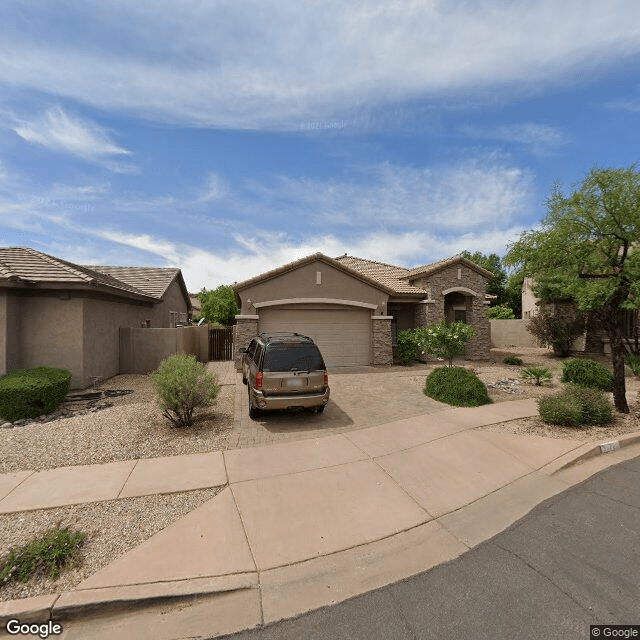
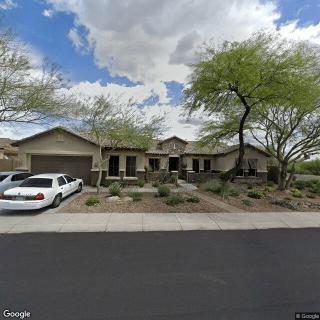
35720 N 34th Dr, Phoenix, AZ 85086
To contact a resident: (623) 214-9262
For more information about senior living options: (866) 208-4318
Carefree Heights Assisted Living Costs & Pricing
Carefree Heights Assisted Living offers competitive pricing for its services compared to the broader averages in Maricopa County and the state of Arizona. For a one-bedroom unit, residents can expect to pay $3,365 per month, which is slightly lower than the county average of $3,473 and the state average of $3,532. The two-bedroom accommodations are priced at $3,640, again offering notable savings relative to Maricopa County's average of $4,112 and Arizona's statewide figure of $4,106. In terms of private rooms, Carefree Heights stands out with a monthly cost of $4,000 - higher than the county's average of $3,318 but still below the state average of $3,345. Overall, these rates reflect a commitment to providing affordable options for quality assisted living in a supportive community setting.
| Floor plans | Carefree Heights Assisted Living | Maricopa County | Arizona |
|---|---|---|---|
| 1 Bedroom | $3,365 | $3,473 | $3,532 |
| 2 Bedrooms | $3,640 | $4,112 | $4,106 |
| Private | $4,000 | $3,318 | $3,345 |
Senior living communities with a similar price nearby
-
from +$285 / mo
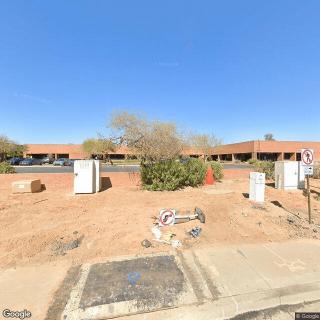
SeniorBridge - Scottsdale, AZ
$3,650 / month20.7 miles away -
from -$565 / mo
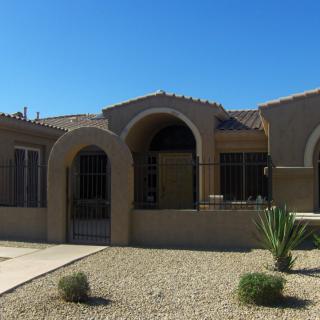
Pinnacle Peak Assisted Living
$2,800 to $3,100 / month14.7 miles away -
from -$415 / mo
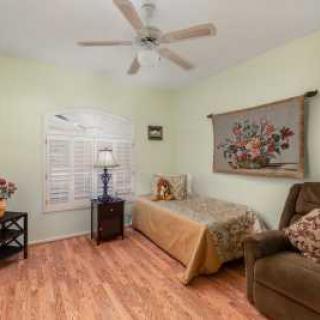
Endeavor AL I
$2,950 to $4,200 / month15.2 miles away -
from +$335 / mo
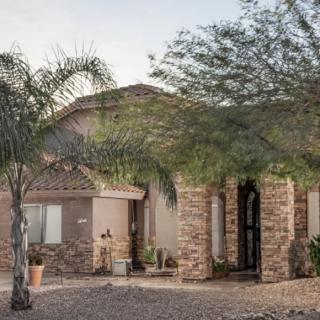
Endeavor AL III
$3,700 to $4,000 / month15.7 miles away -
from +$135 / mo
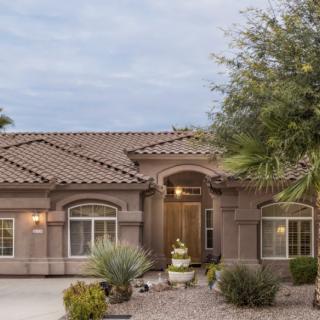
Endeavor AL II
$3,500 to $4,000 / month15.8 miles away
Overall Review of Carefree Heights Assisted Living
Pros
 The staff are awesome and the home is beautiful.
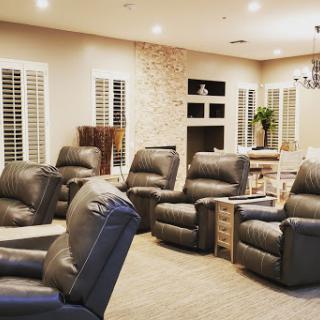
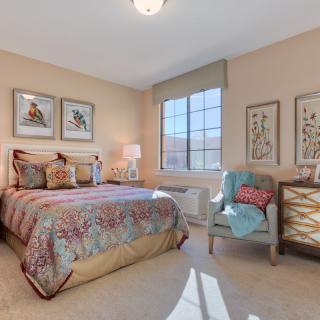
- The facility is clean, spacious, bright, and inviting with plenty of natural light.
- Families feel at ease knowing their loved ones are in great hands.
- They provide meaningful activities and tasks that support independence and happiness.
- Residents are treated like family in a warm, home-like atmosphere.
- The owner is on site regularly and prioritizes getting to know staff and residents, which puts hearts at ease.
- The home offers social activities, exercise classes, and pampering that enhance well-being.
- There is very little turnover in caregiving staff, helping residents really get to know each other.
Cons
 The reviewer notes that a loved one developed an issue for weeks, which was missed by the doctor, leading to hospitalization and an inability to stay longer due to the level of care.
- They state that the facility did not fully meet their loved one’s medical needs, despite the staff’s care.
- They would only recommend the facility for someone who did not require as much care and services.
- They really struggled with the decision to place a loved one in assisted living.
Review
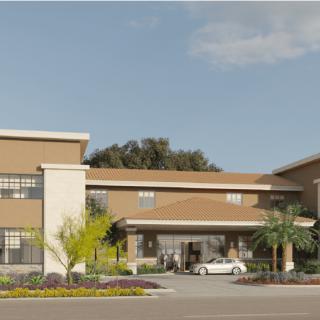
Carefree Heights Assisted Living in Phoenix is best suited for families seeking a warm, home-like environment where memory-related care can be delivered with daily routines that feel familiar and reassuring. The community shines for residents who benefit from low staff turnover, clear, compassionate attention, and a setting that emphasizes natural light, spacious common areas, and a social, family-like atmosphere. It is especially well-matched to seniors with dementia or Parkinson’s who still want to maintain independence through purposeful daily tasks and engaging activities, all within a care structure that feels more like a residence than a clinic. In short, this is an ideal fit for families prioritizing stability, connection, and a genuinely caring staff.
That said, the community may not be the right fit for every situation. Families whose loved ones require high-acuity medical care, around-the-clock nursing, or very formal medical oversight may find the level of on-site medical programming insufficient. For those needing frequent hospital-level interventions or highly specialized memory-care protocols, larger assisted living campuses or traditional skilled-nursing facilities with more comprehensive on-site physicians and nurses could be a better match. The most important caveat is to assess whether medical needs can be safely managed through visiting professionals and external providers, rather than relying on constant, on-premises clinical support.
The strongest advantages, exceptional staff stability, a genuine sense of being cared for like family, and impeccably maintained, bright spaces, often offset the absence of heavy medical programming. Residents benefit from a persistent, personable team that knows their histories, preferences, and routines, and families repeatedly note how this translates into predictable, attentive care. The home’s cleanliness, roomy rooms, and open living areas create a welcoming backdrop for daily life, while a robust slate of activities, errands, and social moments helps sustain independence and mood. A caveat remains: while medical oversight is available via visiting professionals, the facility is not a substitute for high-level medical support, and one family’s experience underscored the importance of ensuring medical needs align with the level of care provided on-site.
Families evaluating Carefree Heights should verify several specifics before committing. First, confirm staff-to-resident ratios and observe turnover trends during visits, consistency matters when trust and intimate caregiving are core expectations. Second, review dementia and Parkinson’s care plans, safety features, and the way independence is preserved through routine tasks and meaningful engagement. Third, explore transportation and errand-running capabilities, since the home emphasizes outings and practical support beyond basic daily care. Fourth, examine medication management, dining quality, and the availability of visiting clinicians or nurse practitioners to provide a medical safety net without equipping the facility for full on-site nursing. A trial period or staggered move-in can help gauge fit with the loved one’s evolving medical and social needs.
The overall impression is of a bright, uplifting environment where residents feel seen, valued, and connected. Reviews consistently highlight the home-like atmosphere, minimal staff turnover, and staff who greet residents warmly and engage in activities that foster real social connections, everything from exercise classes to bird-watching and shared meals in a large, welcoming gathering space. The owner’s visible presence and the sense that staff are treated as part of a cohesive family contribute to a confident expectation of steady daily life for dementia and other age-related needs, even as circumstances shift. The strongest caveat is the inevitability that some medical complexities will require external coordination rather than on-site solutions; this is a consideration families should weigh against the value of a nurturing, stable home.
In a final assessment, Carefree Heights Assisted Living represents a compelling option for families seeking a warm, well-kept, community-oriented home where a loved one can maintain independence while receiving steady, compassionate care. It excels for residents with moderate care needs, particularly those who thrive on stable staffing, social engagement, and the reassurance of visiting medical support. For those facing higher medical acuity, frequent hospital-level care, or the desire for a tightly specialized memory-care program, exploring alternatives with more on-site nursing and stricter medical protocols is prudent. The decisive factor is alignment: the best fit arises when the resident’s medical needs and desire for a home-like, socially vibrant life dovetail with a staffing model that delivers consistent, family-centered care.
 Board and Care Home
 Private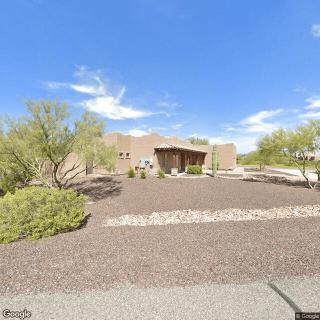

 Navigating Medicare Coverage for In-Home Care Services
 In-Home Care Costs in 2025: A Detailed State-by-State Exploration
 Understanding Home Health Care: A Comprehensive Guide