For more information about senior living options: (866) 208-4318
4.7 from 113 reviews
5 stars
102
4 stars
3
3 stars
0
2 stars
0
1 stars
8
Overall Review of Care Connection Home Health
common4 reviews mention this
Visits feel unrushed
Residents describe care that doesn’t feel rushed.
Several reviewers say the team takes time to listen and explain, instead of moving through appointments quickly. A few also mention they weren’t pressured into a quick fix and that providers slowed down to talk through what’s going on. Overall, the consistent theme is time for conversation and a thoughtful approach during visits.
common4 reviews mention this
Communication and follow-up stand out
Residents often report fast follow-up when they reach out.
Reviewers describe the office as responsive when questions come up, including returning calls and helping sort out issues. In a couple of cases, people say the team handled time-sensitive prescription delays and followed up after it was addressed. The overall pattern is that residents feel they can get answers and support rather than being left waiting.
common4 reviews mention this
The office is described as clean
Residents frequently mention a clean, comfortable office.
Multiple reviewers say the clinic is clean and organized, and that the staff runs the visit smoothly. Some also describe feeling comfortable and at ease when they arrive. Across these comments, the facility itself is mentioned as part of the overall experience.
caveat2 reviews mention this
Billing and insurance are a concern
Some reviewers raise concerns about insurance coverage.
A couple of reviewers report problems tied to insurance or reimbursement, including difficulty getting reimbursed after paying out of pocket. Others also describe situations where coverage changed close to a scheduled procedure. These comments don’t reflect everyone’s experience, but they are recurring enough to be worth noting.
How we summarize
Counts show how many written reviews mention each theme; a review can touch several themes, and only frequently mentioned themes are displayed.
Features
Transportation
Phoenix Sky Harbor International (11 miles away)
Nearby Places of Interest
Places of Worship
Open Door Fellowship Church (0.7 miles)
First United Methodist Church of Phoenix (3.8 miles)
Pure Heart Christian Fellowship (4.3 miles)
Pharmacies
Walgreens (0.9 miles)
CVS Pharmacy (2 miles)
CVS Pharmacy (2 miles)
CVS Pharmacy (3.2 miles)
Walgreens (3.2 miles)
Walgreens (3.6 miles)
CVS Pharmacy (3.7 miles)
Parks
Royal Palm Park (1 miles)
Granada Park (2.3 miles)
Phoenix Mountain Preserve (3.1 miles)
Moon Valley Park (4.5 miles)
Conocido Park (4.8 miles)
O'Neal Park (6.2 miles)
Restaurants
In-N-Out Burger (1.4 miles)
Lenny's Burger (1.9 miles)
Beatitudes Bistro (1.9 miles)
Filiberto's Mexican Food (1.9 miles)
Taco Bell (2.5 miles)
McDonald's (2.8 miles)
Chick-Fil-A (2.8 miles)
Cafes
Starbucks (1.5 miles)
Starbucks (2.5 miles)
Starbucks (3.6 miles)
Starbucks (4.5 miles)
Lux Central (4.8 miles)
Starbucks (5.1 miles)
Starbucks (5.4 miles)
Hospitals
Surgical Specialty Hospital Of Arizona (2.3 miles)
Abrazo Central Campus (2.8 miles)
Carl T Hayden VA Medical Center, Recreation Therapy (5.3 miles)
St Josephs Neurological ICU (5.9 miles)
St Joseph's Hospital & Med Center: Deguzman Brian J MD (5.9 miles)
Physicians
Bethany Women’s Healthcare (3.3 miles)
Phoenix Skin Medical Surgical Group (4.2 miles)
Northwest Clinic For Children (4.4 miles)
Keystone Natural Family Medicine (4.4 miles)
Banner Thunderbird Surgery Center (5.1 miles)
West Valley Ear Nose & Throat (5.2 miles)
Arizona Center for Hematology and Oncology (5.4 miles)
Caregiving for an aging parent entails emotional and financial responsibilities accompanied by significant tax implications, including potential benefits from claiming them as dependents and deductions for medical expenses and caregiving costs. Caregivers must understand eligibility requirements, maintain thorough documentation, and consider consulting a tax professional to navigate these complexities effectively.
Low-impact exercises are vital for seniors as they promote health, independence, and social interaction while reducing joint strain. These adaptable activities, guided by healthcare professionals, enhance strength, flexibility, and emotional well-being.
The guide details the tax deductibility of in-home healthcare expenses according to IRS guidelines, differentiating between medically necessary services and non-medical assistance, while emphasizing the need for proper documentation and itemization requirements. It also highlights state-level variations, the importance of record-keeping, and encourages seeking professional tax help to understand evolving regulations.
Get PricingAsk A QuestionSchedule A TourContact Senior Advisor
By clicking submit, you agree to our Partner's Terms of Use. You
also consent to receive calls and texts, which may be autodialed, from our Partner. Your consent is not a condition to
using our Partner's service. Please visit our Partner's Privacy Policy for information about their privacy practices.

 Phoenix Sky Harbor International (11 miles away)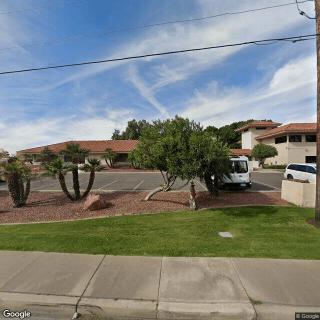
 Great access to nearby cafes, parks, pharmacies, doctors, restaurants, places of worship, and hospitals.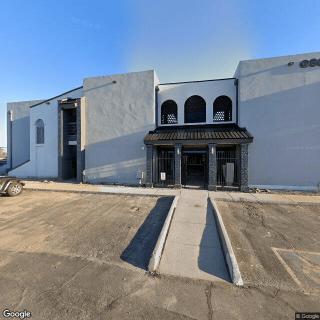




 Navigating the Tax Landscape of Caregiving: Credits, Deductions, and Beyond
 Highly Beneficial Low-Impact Exercises for Senior Living Residents
 Is In-Home Healthcare Tax Deductible? Your Comprehensive Guide