
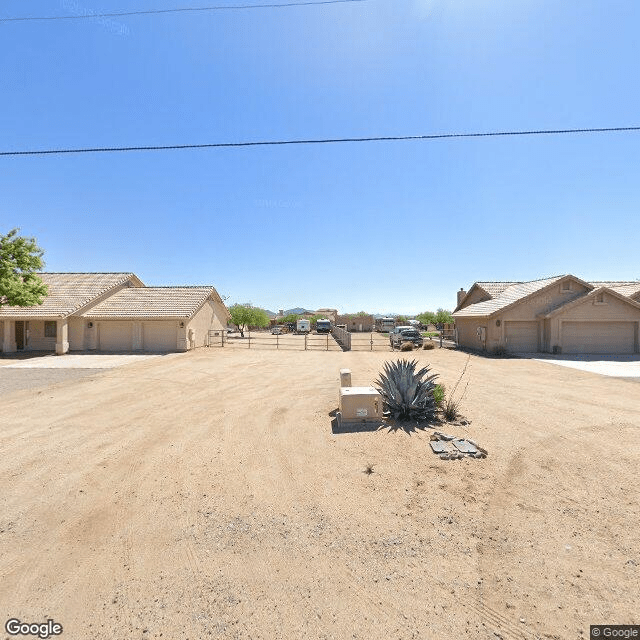
35203 North Central Avenue, Phoenix, AZ 85086
For more information about senior living options: (866) 208-4318
Overall Review of Abellavida Memory Care
Pros
 Paul and Renee are incredibly kind and attentive.
- The grounds are beautiful.
- The food is great.
- Residents have daily company of horses and dogs.
- The overall care is exemplary.
- The staff is very attentive and professional.
- The facility is highly recommended.
Review
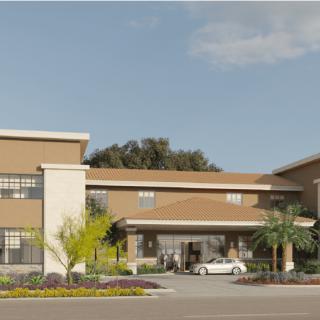
Abellavida Memory Care in Phoenix is best suited for families seeking a small, intimate memory-care home where personalized attention and daily enrichment are the foundation. This community leans into a homelike vibe, with a leadership pair, Paul and Renee, who are repeatedly described as central to day-to-day care. Residents benefit from a beautifully kept campus, delicious meals, and the psychological lift of interacting with animals like horses and dogs on a daily basis. For families who value consistent caregiver relationships, a calm pace, and a focus on social engagement as a core part of memory care, this setting tends to align closely with those priorities.
Those weighing alternatives should consider options that offer more robust medical staffing or larger campus amenities. For families facing higher levels of medical acuity, complex dementia needs, or strict scheduling and programming demands across a broader population, a bigger facility with on-site nursing, more formal clinical oversight, and a wider range of specialized therapies may be a more suitable fit. The small-scale model here is a strength for relational care, but it can be a limitation for families requiring intensive clinical or rehabilitative services beyond what a compact operation typically provides.
The strongest positives revolve around caregiving culture, environmental quality, and daily programming. Caregivers are repeatedly described as attentive, professional, and genuinely involved, with Paul and Renee singled out as especially hands-on and caring. The grounds and rooms are portrayed as pristine, creating a dignified, welcoming atmosphere that reduces agitation and promotes comfort. Food is consistently praised as a standout, an essential element in memory-care nutrition, while the presence of animals and regular activities, games, exercises, and social opportunities, contribute to meaningful engagement and meaningful routines. These elements collectively offset the inherent trade-offs of a smaller, less medically focused operation.
The main con to monitor is the potential limitation that comes with a small facility: access to medical resources and specialized therapies may not match that of larger memory-care campuses. That reality is not hidden by the overwhelmingly positive feedback, but it is a practical consideration for families evaluating medical needs beyond basic daily care. The single lower rating in the overall feedback suggests that there can be variability in experience, though the specific concerns are not detailed. In practice, this means Abellavida excels in daily life quality, companionship, and ambiance, while families should verify the depth of medical oversight, care planning, and on-site nursing support for their loved one’s specific condition.
Decision-makers should enter discussions with clear questions about staffing ratios at different shifts, how care plans are developed and updated, and what medical services are available on-site or by referral. Visiting the community, observing interactions between staff and residents, and meeting Paul and Renee in person are essential steps to gauge whether the day-to-day rhythm matches expectations. It is prudent to ask about respite or trial-stay options, pet policy details, and how wandering safety is managed, along with the accessibility of dementia-specific programming that aligns with evolving needs. A written, ongoing care plan and a transparent pricing structure are non-negotiables when weighing alternatives.
In sum, Abellavida Memory Care stands out for families seeking a small, caregiver-driven home where daily life is enriched by attentive staff, excellent meals, immaculate surroundings, and a purposeful engagement with animals. It is a particularly strong match for residents who thrive on intimate interactions, consistent caregiver relationships, and a serene environment rather than a large, highly medicalized campus. Those prioritizing substantial clinical oversight, aggressive rehabilitation services, or a broad, campus-scale social calendar should consider options with greater medical capacity. A disciplined investigative approach, visiting, asking precise questions, and comparing care plans, will yield the best fit for a loved one’s memory-care journey.
 7 resident community capacity
 Assisted Living
 Board and Care Home
 Memory Care
 Cable or satellite TV
 Dining room
 Fully furnished
 Garden
 Housekeeping services
 Move-in coordination
 Outdoor space
 Telephone
 Wi-Fi/high-speed internet available
 24-hour supervision
 Activities of daily living assistance
 Assistance with bathing
 Assistance with dressing
 Assistance with transfers
 Diabetes diet
 Meal preparation and service
 Medication management
 Special dietary restrictions
 Transportation arrangement (medical)
 Transportation to doctors appointments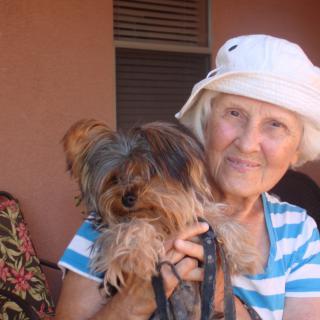



 Understanding Dementia Behaviors: Practical Insights and Strategies for Caregivers
 When Dementia Sparks Anger and Aggression: Understanding the Connection and Ways to Cope
 Dementia Behaviors: In-Depth Understanding and Effective Coping Strategies