
8207 West Cactus Road, Peoria, AZ 85381
For more information about senior living options: (866) 208-4318
Overall Review of Mama Mary Assisted Living
Pros
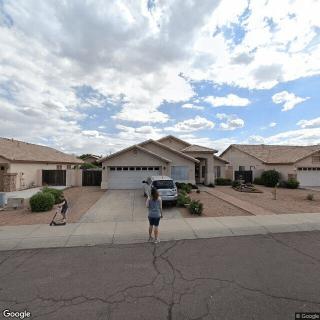
 The home and grounds are well maintained.
- They have 10 bedrooms and seven bathrooms, all private or semi-private and handicapped-equipped.
- They provide laundry and housekeeping services.
- They serve three home-cooked meals a day with snacks.
- They offer all three levels of care and have a house doctor who visits monthly.
- All caregivers are certified.
- The staff is caring and treats residents like family.
- They place importance on celebrating residents' birthdays.
Cons
 The facility could exercise bedridden residents more.
- Activities are very limited due to resident health conditions.
- Residents are not taken out except for the patio and yard.
- The environment feels not like a home and offers very limited stimulation.
- The facility does not provide transportation.
Review
Mama Mary Assisted Living in Peoria is best suited for families seeking a deliberately small, home-like setting where seniors receive attentive, personalized care without a large facility footprint. The community operates as a private home with ten bedrooms and a tight-knit staff that can know residents’ routines and preferences. It fits residents comfortable with a straightforward daily rhythm, three home-cooked meals, on-site housekeeping, and basic medical oversight, while still needing help with daily tasks and safety. Those who value a sense of belonging, birthday celebrations, and a family-like atmosphere will likely feel most at ease here. It’s a practical choice for someone who doesn’t require frequent outings or expansive programming to stay engaged.
Alternatives should be on the radar for families considering options with more robust programming, transportation, or medical oversight. If a resident thrives on frequent social events, varied activities, and regular outings, Mama Mary’s more restrained schedule may feel limiting. For those needing continuous, comprehensive nursing or physician presence, or a facility with a broader calendar of activities and external excursions, a larger community or a memory-care-focused setting could prove a better fit. Prospective residents with strong transportation needs or a desire for frequent off-site engagement will want to compare alternatives that include transport or structured experiential programming.
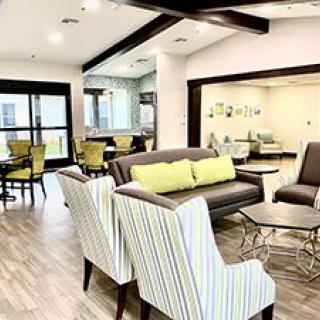
Pros start with the intimate scale. The ten-resident footprint supports highly individualized attention, with all rooms either private or semi-private and equipped for accessibility. The home-style upkeep, well-maintained grounds, housekeeping, and laundry, shaves routine burdens from families. Meal service is reliable: three home-cooked meals daily plus snacks, served in a dining area that promotes a communal feel. The facility offers all three levels of care and brings in a house doctor about once a month, which provides a layer of medical oversight without turning care into a clinical experience. Caregivers are certified, and staff are repeatedly described as caring, treating residents like family, with birthdays celebrated as a core value.
Cons hinge on the same intimate design. Limited activity options reflect the health status of residents and a focus on simpler, low-key programming: movies, reading, music, and birthday events, with little opportunity to venture out beyond the patio and yard. Transportation is not provided, which complicates appointments or social outings that fall outside the home’s walls. Some observers feel the environment lacks a traditional “home” vibe, interpreting the setting as more facility-like than family residence. For a resident who equates home with a richer social calendar and outdoor exploration, these gaps can feel persistent and meaningful.
The trade-off is clear: compact, personal care versus limited stimulation. The upside, consistent caregiver access, a warm, family-oriented atmosphere, and a predictable routine, often translates into peace of mind for families who value safety and dignity over bustle. The ability to accommodate multiple levels of care within one small home minimizes transitions and disruptions, a meaningful advantage when needs evolve. Monthly medical oversight via a house doctor and certified staff provide essential safeguards that make this a practical, low-friction option for many seniors who prize stability and personal attention over scale and programming.
Bottom-line guidance leans toward practicality and fit. This community serves seniors who prize a small, intimate home atmosphere, steady caregivers, and a family-style sense of engagement, all while accepting a lean activity calendar and no resident transport. It is a solid match for residents who want a predictable, comforting routine and rely on nearby family for arranging outings rather than the facility coordinating frequent excursions. For those seeking richer social programming, regular outings, or more aggressive medical management, larger campuses or memory-care communities merit comparison. Prospective families should schedule tours, probe staff-to-resident ratios, confirm exactly what “three levels of care” means in practice, and discuss transportation options or alternatives to support medical appointments and social participation.
 10 resident community capacity
 Assisted Living
 Board and Care Home
 Respite Care
 Cable or satellite TV
 Dining room
 Fully furnished
 Garden
 Housekeeping services
 Move-in coordination
 Outdoor space
 Telephone
 Wi-Fi/high-speed internet available
 Phoenix Sky Harbor International (17 miles away)
 24-hour supervision
 Activities of daily living assistance
 Assistance with bathing
 Assistance with dressing
 Assistance with transfers
 Diabetes diet
 Meal preparation and service
 Medication management
 Special dietary restrictions
 Transportation arrangement (medical)
 Transportation to doctors appointments


 Senior Transition Services: Understanding Their Role, Cost, and Importance
 Exploring the Path to Senior Living: A Comprehensive Look at Independent Living and Assisted Living
 Is Assisted Living Deductible on Your Taxes? Understanding the Complexities of Assisted Living Expenses and Deductions