
6515 East Presidio Street, Mesa, AZ 85215
For more information about senior living options: (866) 208-4318
Presidio Assisted Living Home Costs & Pricing
Presidio Assisted Living Home offers a competitive rate for private rooms at $2,500 per month, which is notably lower than the average costs in both Maricopa County and across Arizona. In comparison, the monthly expenses for similar accommodations in Maricopa County stand at approximately $3,318, while the state average reaches around $3,345. This positions Presidio as an attractive option for families seeking quality assisted living without compromising on financial stability, making it a valuable choice for those looking to provide their loved ones with comfortable and affordable care.
| Floor plans | Presidio Assisted Living Home | Maricopa County | Arizona |
|---|---|---|---|
| Private | $2,500 | $3,318 | $3,345 |
Assisted Living communities with a similar price nearby
-
from +$300 / mo
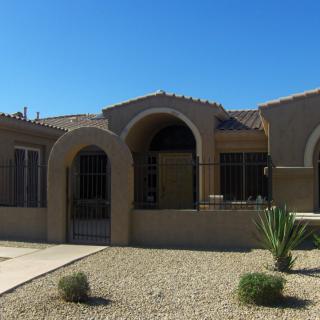
Pinnacle Peak Assisted Living
$2,800 to $3,100 / month20.1 miles away -
from +$125 / mo

The Eldercare Home Of Tempe
$2,625 to $3,412 / month13.9 miles away -
from -$100 / mo
Arabian Views Assisted Living One
$2,400 to $3,200 / month19.5 miles away -
About the same
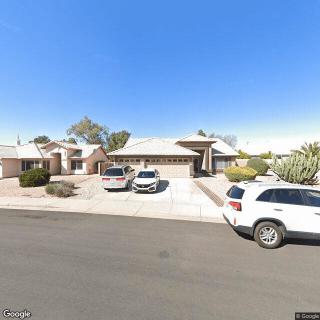
Bella Vista Assisted Living Home
$2,500 to $3,000 / month5.4 miles away -
About the same
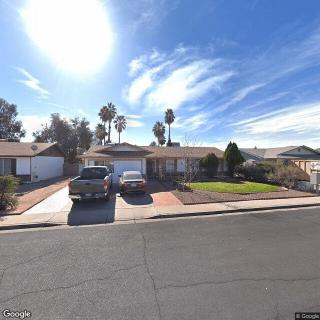
Coming Home Assisted Living Home
$2,500 to $3,000 / month6.2 miles away
Overall Review of Presidio Assisted Living Home
Pros
 The group home is filled with love and excellent care.
- It is a lovely, family-run home that provides personalized care and a warm atmosphere.
- Country Estates Assisted Living Homes delivers exceptional, one-on-one daily care.
- Residents experience improved health and increased engagement thanks to personalized attention.
- Families trust the staff with their loved ones' health and well-being.
- The facility is more affordable than other assisted living options.
Review
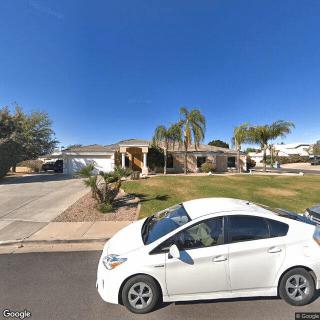
Presidio Assisted Living Home in Mesa is best suited for seniors who flourish in a small, family-run, home-like setting where care feels personal and constant rather than transactional. It appeals especially to families seeking daily involvement, where caregivers know residents by name, tailor routines, and foster purposeful engagement. The reviews portray a group-home atmosphere filled with love, where dementia can be met with patient interaction and a trustworthy, individualized approach. For couples or parents needing steady assistance with daily tasks while staying in a familiar, intimate environment, this model can be a transformative fit.
This model clearly isn’t for everyone. Families prioritizing robust medical oversight, round-the-clock nursing, complex wound care, or highly structured memory-care programming may want alternatives. The very strengths, one-on-one attention, flexibility, and a nurturant atmosphere, can come with trade-offs: fewer on-site resources, a limited calendar of formal activities, and potentially slower responses during off-hours if staffing is lean. In short, care quality for routine needs and cognitive engagement can be outstanding, but highly specialized medical management or expansive clinical services may require a larger campus.
The strongest positives stem from the intimate setup. Residents benefit from steady, personalized service that matches limited physical activity with tailored support. Dementia care appears to gain momentum through consistent interaction and purposeful routines, helping residents feel a sense of direction and value. Family involvement is more feasible and meaningful, since care is delivered in a home-like setting, with opportunities to participate in daily life and celebrations. The character of the home, loving, family-run, and high-touch, tends to translate into tangible improvements in daily well-being and peace of mind for relatives.
Still, the trade-offs matter in practical terms. The limited scale can mean fewer formal programs, fewer on-site therapists, and a lighter medical footprint than larger communities. Prospective residents should press for clear staffing patterns, shift coverage details, access to a nurse or clinician when health needs arise, and transparent care-planning. Ask about safety features, meal quality, how activities are tailored to cognitive and physical abilities, and how visiting hours align with family schedules. The better the answers align with care goals, the more trustworthy the fit becomes.
A practical decision framework emerges: if the goal is a warm, intimate, home-like setting where daily life centers on connection and individualized care, Presidio offers compelling value and meaningful quality-of-life improvements, particularly for dementia-related engagement and mobility-restricted seniors. If the priority is formalized memory-care programming, a broad activity calendar, or aggressive on-site medical management, alternatives with larger staff and dedicated memory-care wings will likely serve better. With due diligence, clarifying staffing, medical access, and daily routines, this small, family-run home can be the right long-term placement for families seeking comfort, continuity, and a trusted caregiving culture.
Presidio’s overall standing, evidenced by a 4.5 rating from four reviews, including three five-star endorsements and one more mixed observation, reinforces the sense that this model delivers consistently on its core promise: a loving, attentive environment where residents are known, sustained, and cared for as family. That credibility matters for families weighing the emotional burden of a move against the practical need for reliable daily support. In Mesa, for seniors who prize intimate care and ongoing family involvement over campus-scale amenities, Presidio stands out as a disciplined, intentional choice that aligns with real-world care values and budget considerations.
 5 resident community capacity
 Assisted Living
 Board and Care Home
 Cable or satellite TV
 Dining room
 Fully furnished
 Garden
 Housekeeping services
 Move-in coordination
 Outdoor space
 Telephone
 Wi-Fi/high-speed internet available
 Phoenix Sky Harbor International (19 miles away)
 24-hour supervision
 Activities of daily living assistance
 Assistance with bathing
 Assistance with dressing
 Assistance with transfers
 Diabetes diet
 Meal preparation and service
 Medication management
 Special dietary restrictions
 Transportation arrangement (medical)
 Transportation to doctors appointments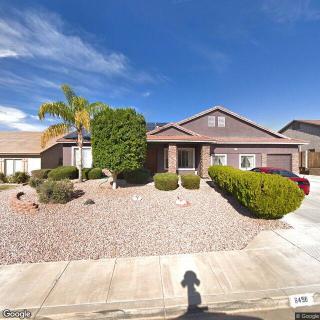




 Comprehensive Insights into Activities of Daily Living (ADLs) and Their Assessment
 Guiding Elderly Parents Who Refuse Assisted Living: 6 Practical Steps
 Your Comprehensive Guide to Luxury Assisted Living: Elevated Facilities, Amenities, and Costs