
6464 East Norwood Circle, Mesa, AZ 85215
For more information about senior living options: (866) 208-4318
Overall Review of Good Shepherd Assisted Living
Pros
 The facility is a great place for loved ones who need more one-on-one care.
- Jennifer and her husband run the place and do an awesome job.
- The staff are very attentive and caring.
Review
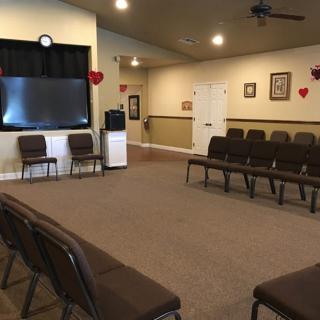
Good Shepherd Assisted Living in Mesa, AZ is best suited for families seeking intimate, high-touch care delivered in a small, family-run setting. The standout advantage is the direct involvement of the owners, Jennifer and her husband, who personally oversee daily interactions with residents. This creates a tightly knit environment where attention to individual needs happens day after day, not sporadically. For seniors who thrive on predictable, individualized care and for families wanting hands-on oversight from the people closest to the operation, this community offers a compelling fit.
Those weighing alternatives should consider options that emphasize scale, medical oversight, and a broader activity menu. If a senior requires robust nursing support on site, frequent clinical monitoring, or a more expansive calendar of social and recreational programming, a larger facility or a community with dedicated medical staff and dementia-specialized units may be preferable. Similarly, families prioritizing transportation services, diverse dining options, and more formalized care coordination might find other communities better aligned with their expectations. The current review signals a strength in personal attention, but leaves room for evaluating whether broader infrastructure is essential.
The primary pro, one-on-one attention from a privately run operation, softens several typical drawbacks of small facilities. Residents receive highly customized care plans, with daily routines shaped around individual preferences. The owners’ direct involvement tends to translate into quicker responsiveness, fewer layers of bureaucratic handoffs, and a sense of continuity that can reduce anxiety for both residents and families. In practice, that concentrated focus often equates to a warmer, more consistent caregiving relationship, which many families will value as a meaningful offset to the limits of a smaller operation.
Another clear pro is the palpable sense of care and devotion conveyed by the staff. When caregivers are described as attentive and caring, it signals a culture where residents are more than clients; they are known personally. This depth of attention can reduce mutual friction, encourage residents to engage on their terms, and support safer, more personalized daily living. In environments where routine and familiarity matter, such a climate can translate into meaningful improvements in mood, comfort, and overall well-being, especially for seniors who respond best to steady, trusted faces.
Given the information available, it is prudent to probe concrete capabilities before making a decision. Key questions should include: what level of licensed nursing support is available on site and at what times; how medication management is handled; whether respite or short-term stays are possible; and what the weekly programming actually looks like beyond the core care. If memory care needs or complex medical needs are anticipated, verify whether the facility can accommodate them or if a transition to a larger community would be more appropriate. The absence of explicit detail in the available description means these checks are essential to ensure alignment with care goals.
In the end, Good Shepherd Assisted Living presents a compelling option for families prioritizing intimate, owner-led care and a highly personal caregiving approach. It stands out where the priority is a stable, trustworthy relationship with caregivers who know the resident well and respond with urgency and warmth. However, for seniors whose needs extend beyond one-on-one attention, whether that means formal clinical oversight, a wide social ecosystem, or robust dementia-specific programming, alternatives with broader infrastructure deserve consideration. For the right family, this community can be the ideal match; for others, it may be wise to look deeper into options that offer more scale and clinical support.
 10 resident community capacity
 Assisted Living
 Board and Care Home
 Respite Care
 Cable or satellite TV
 Dining room
 Fully furnished
 Garden
 Housekeeping services
 Move-in coordination
 Outdoor space
 Telephone
 Wi-Fi/high-speed internet available
 Phoenix Sky Harbor International (18 miles away)
 24-hour supervision
 Activities of daily living assistance
 Assistance with bathing
 Assistance with dressing
 Assistance with transfers
 Diabetes diet
 Meal preparation and service
 Medication management
 Special dietary restrictions
 Transportation arrangement (medical)
 Transportation to doctors appointments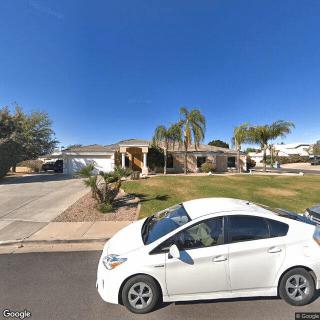



 Assisted Living Support for Veterans: A Complete and Detailed Overview
 Exploring the Contrasts Between Assisted Living and Skilled Nursing
 8 Key Indicators That Suggest It May Be Time to Transition from Assisted Living to Skilled Nursing Care