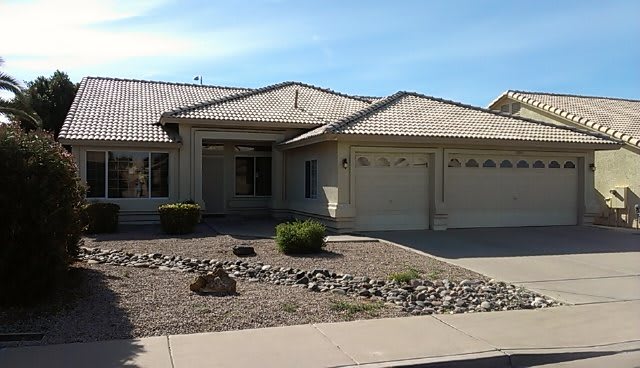
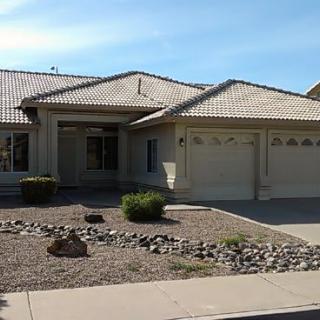
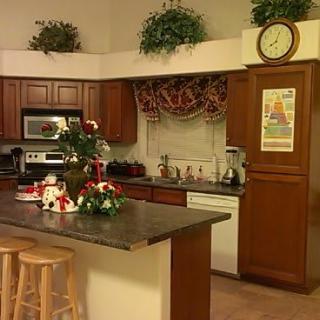
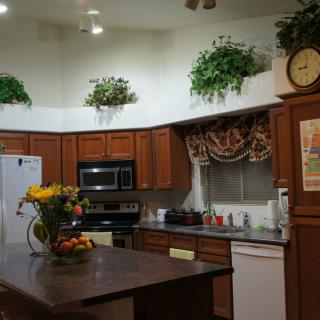

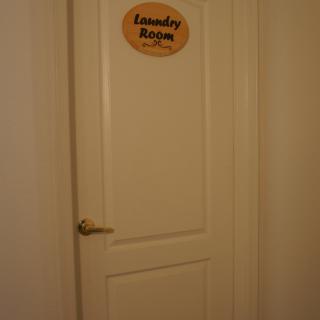

6551 E Menlo Street, Mesa, AZ 85215
To contact a resident: (480) 361-9276
For more information about senior living options: (866) 208-4318
Royalty Home Care Solutions, LLC Costs & Pricing
Royalty Home Care Solutions, LLC offers competitive pricing for its services compared to the broader market in Maricopa County and the state of Arizona. For semi-private accommodations, their monthly cost stands at $2,200, which is significantly lower than both the county average of $2,801 and the state average of $2,820. Similarly, private rooms are priced at $2,500, offering a substantial savings when compared to the county's average of $3,318 and the state's average of $3,345. However, it's worth noting that their studio option is priced higher at $5,000 per month, which exceeds both local and state averages - $3,960 in Maricopa County and $3,829 statewide. Overall, Royalty Home Care Solutions provides valuable care solutions while maintaining an appealing cost structure for most room types.
| Floor plans | Royalty Home Care Solutions, LLC | Maricopa County | Arizona |
|---|---|---|---|
| Semi-Private | $2,200 | $2,801 | $2,820 |
| Private | $2,500 | $3,318 | $3,345 |
| Studio | $5,000 | $3,960 | $3,829 |
Memory care communities with a similar price nearby
-
from +$300 / mo
La Bella Vita ALH
$2,500 to $7,000 / month4.5 miles away -
from +$200 / mo
Golden Touch One Adult Care Home
$2,400 to $5,800 / month10.7 miles away -
from -$200 / mo
Santo Nino Villas 2
$2,000 to $2,300 / month12.8 miles away -
from -$200 / mo
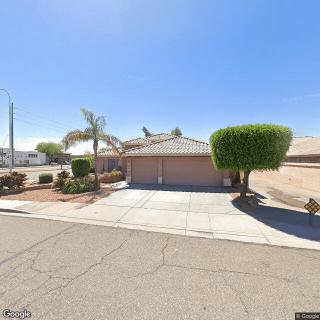
Angel's Adult Group Home
$2,000 to $3,000 / month20.0 miles away -
About the same

Windsor Luxury Assisted Living, LLC
$2,255 to $5,950 / month16.7 miles away
Overall Review of Royalty Home Care Solutions, LLC
Pros
 Royalty Home Care is described as a safe, caring, competent, and professional place for a loved one.
- The family that owns and runs Royalty Home Care is wonderful.
- The individual care at Royalty Home Care is loving and personal.
- Empathy Villa is wonderful, with caregivers who are among the most giving and dedicated.
- Empathy Villa's staff attend to every desire and make days pleasant for their clients.
- The reviewer wholeheartedly recommends Empathy Villa with 100% dedication to a loved one.
Review
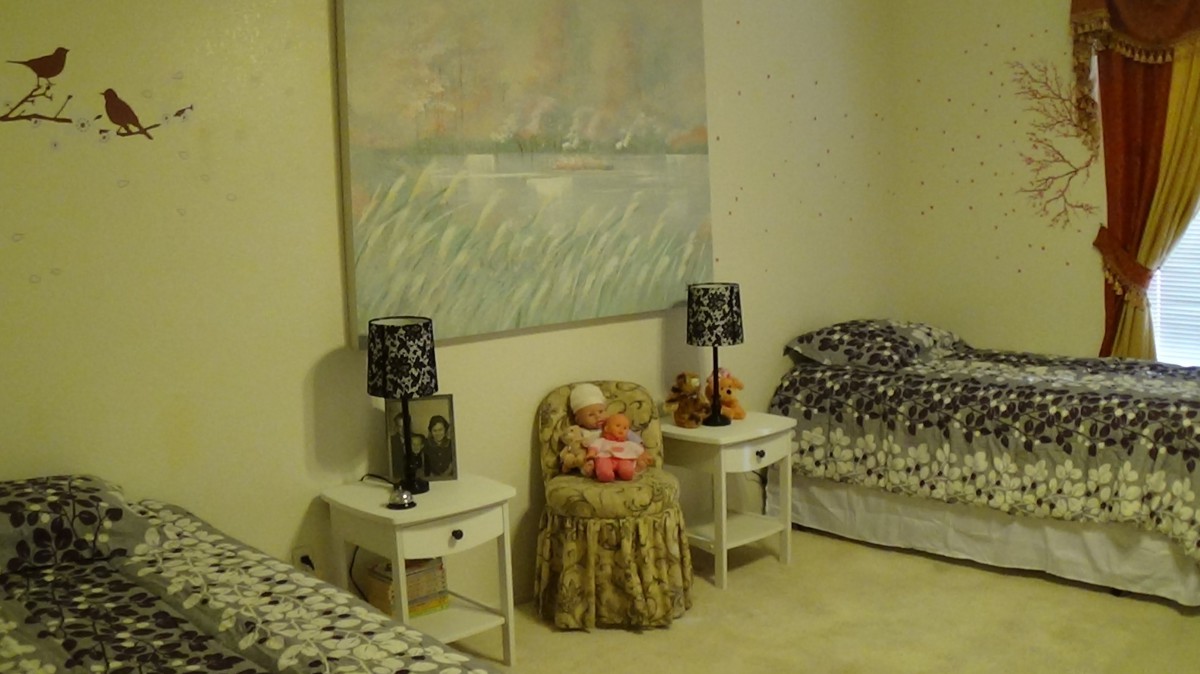
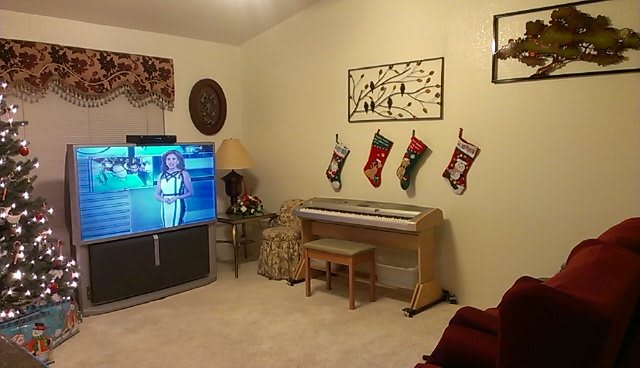
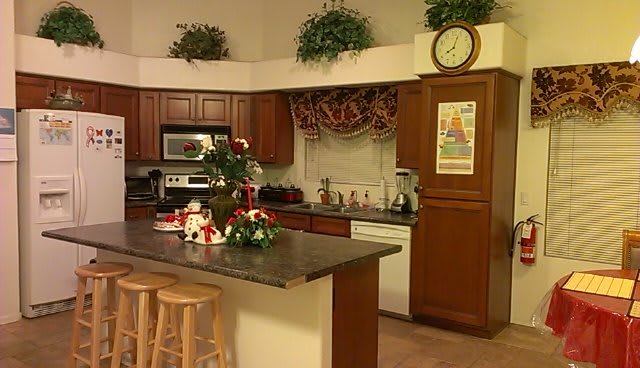
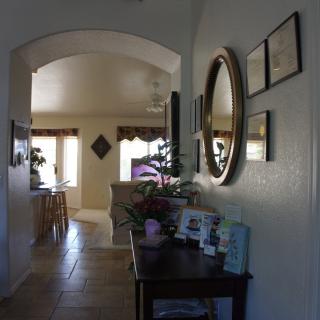
Royalty Home Care Solutions in Mesa, AZ is best suited for families seeking a warm, intimate, home-like environment where daily care feels personalized rather than institutional. The community is clearly built around a family that owns and runs the home, translating into hands-on leadership, responsive oversight, and a culture of safety, competence, and genuine concern. Review content highlights a transition from a larger assisted-living setting that proved unsatisfying, with the resident becoming comfortable and content within a couple of days. The care described is not brisk or clinical in tone; it is loving, personal, and attentive to each resident’s history, preferences, and mood. For families prioritizing meaningful daily engagement and a sense of belonging, this setting stands out.
Those who may want to consider alternatives are families with residents who require robust, round-the-clock clinical nursing, complex medical protocols, or highly structured memory-care programming. The reviews do not present a large clinical footprint or advanced rehabilitative services, and the emphasis is squarely on individualized, caregiver-driven interaction. In cases where a loved one’s condition necessitates frequent skilled nursing tasks, infusion therapies, or dementia-specific care pathways, a larger facility with a formal medical team and standardized programming might deliver the level of oversight and consistency that more clinical needs demand.
The strongest pros lie in the human factor: a family-owned operation that fosters trust through direct involvement, a staff culture described as loving, dedicated, and highly attentive, and a daily rhythm that can be tailored to a resident’s likes and routines. The most compelling evidence from the reviews is the rapid, positive acclimation of a new resident, with care that responds to personal preferences, what to watch, what to eat, and how to spend the day. This kind of individualized attention can yield consistent emotional comfort and a sense of security that larger, more impersonal facilities sometimes struggle to match. For families seeking reassurance that a loved one will be treated as a person first, the pros align strongly.
Where potential concerns could arise, the main one is the absence of explicit information about the depth of medical staffing and the breadth of services beyond personal care. The reviews do not spell out nursing ratios, wound-care capabilities, or specialized therapies, which means families should verify whether such services are available if needed. Another consideration is continuity of coverage when the owner-operators are unavailable; in smaller homes, scheduling and on-call responsiveness sometimes hinge more directly on the owners and a lean staff. While these factors do not negate the demonstrated warmth and effectiveness of care, they are practical questions to address before committing.
The favorable elements offset these questions in meaningful ways. A family-run model often translates to transparent communication, quick decision-making, and a facility culture that adapts to the resident’s evolving preferences with less red tape. The strong emphasis on personal attention, daily engagement, and the ability to shape routines around what matters to the resident can compensate for a narrower service menu by delivering a richer quality of life. If a resident thrives on daily companionship, familiar routines, and caregivers who know their likes, dislikes, and television shows, the advantages become self-evident: safety and happiness rooted in a relationship-based care approach.
In sum, Royalty Home Care Solutions represents a compelling option for families prioritizing intimate, personalized care in a home-like setting. It is an especially apt fit for seniors who value steady, affectionate interaction, predictable routines, and a sense that the care team truly knows and advocates for them. Those whose loved ones require advanced medical management, highly specialized memory-care programming, or a broad clinical services menu should explore other communities with a deeper medical footprint. For families ready to place trust in a family-run team that prioritizes individual connections and the day-to-day happiness of a resident, RHCS stands out as a practical, decisive choice.
 Board and Care Home
 Memory Care
 Activities on-site
 Bath tubs
 Beautician on-site
 Cable or satellite TV
 Devotional services on-site
 Indoor common areas
 Outdoor common areas
 Private
 Private bathrooms
 Respite or short term stays offered
 Swimming pool / hot tub
 Wheelchair accessible showers
 Wi-Fi/high-speed internet available
 Phoenix Sky Harbor International (18 miles away)
 Diabetic care
 High acuity care
 Incontinence care
 Medication management
 Anytime dining
 Brain fitness
 Catholic services
 Jewish services
 Light therapy programs
 Trivia games

 Understanding Dementia Through Its Seven Stages: A Comprehensive Look at Progression and Expectations
 Safeguarding Your Memory Through the Golden Years: Eight Ways to Preserve Cognitive Health
 Comprehensive Insights into Activities of Daily Living (ADLs) and Their Assessment