
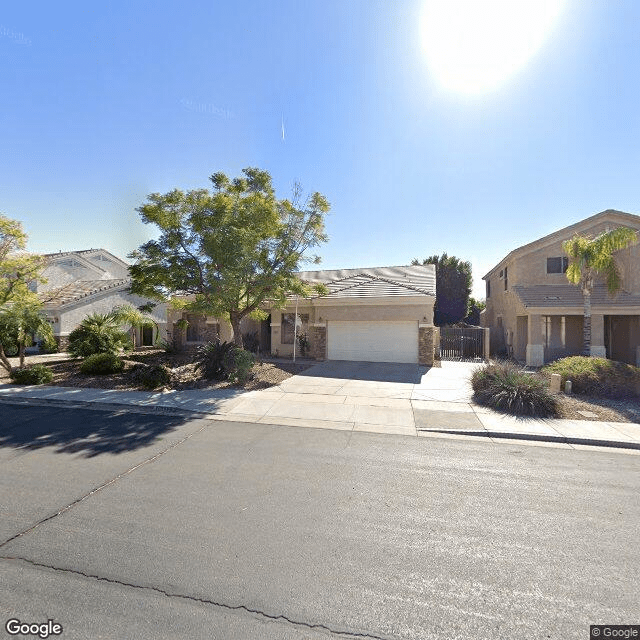
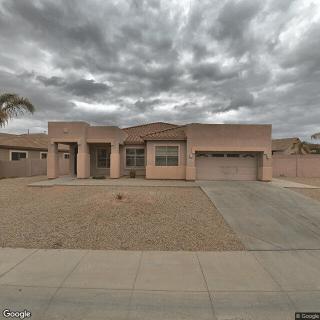
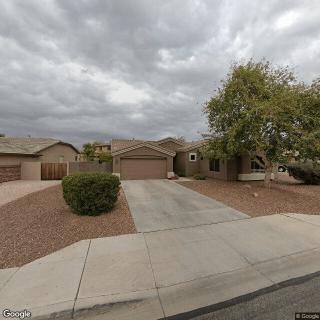
10427 East Idaho Circle, Mesa, AZ 85209
For more information about senior living options: (866) 208-4318
Mama Care Assisted Living Costs & Pricing
Mama Care Assisted Living offers competitive pricing for its services in comparison to Maricopa County and the broader Arizona market. For a semi-private room, residents can expect to pay $2,500 per month, which is notably lower than the county average of $2,801 and state average of $2,820. The costs for one-bedroom accommodations at Mama Care also stand at $3,500, aligning closely with Maricopa County's average of $3,473 and slightly below Arizona's overall average of $3,532. Similarly, the pricing for private rooms matches that of the one-bedroom option at $3,500 - more cost-effective than both Maricopa County's average of $3,318 and Arizona's average of $3,345. Overall, Mama Care Assisted Living presents a valuable option for families seeking quality care without overstretching their budgets in a competitive marketplace.
| Floor plans | Mama Care Assisted Living | Maricopa County | Arizona |
|---|---|---|---|
| Semi-Private | $2,500 | $2,801 | $2,820 |
| 1 Bedroom | $3,500 | $3,473 | $3,532 |
| Private | $3,500 | $3,318 | $3,345 |
Memory care communities with a similar price nearby
-
About the same

La Bella Vita ALH
$2,500 to $7,000 / month3.6 miles away -
from -$100 / mo
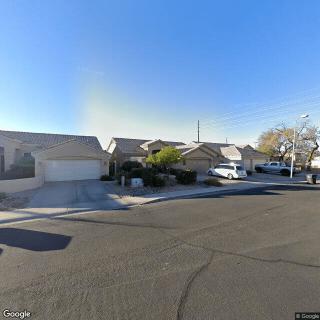
Golden Touch One Adult Care Home
$2,400 to $5,800 / month12.6 miles away -
from -$245 / mo

Windsor Luxury Assisted Living, LLC
$2,255 to $5,950 / month22.9 miles away -
from -$275 / mo
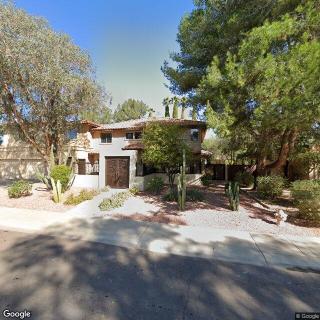
Harts Home - Exceptional Elder Care
$2,225 to $5,500 / month21.4 miles away -
from -$300 / mo

Desert Springs Communites
$2,200 to $2,500 / month6.7 miles away
Overall Review of Mama Care Assisted Living
Pros
 The owner cares deeply for all residents.
- The home is clean and well-maintained.
- The caregivers are wonderful and attentive.
- The atmosphere is upbeat and caring, with residents interacting and sharing meals.
- The staff are flexible and accommodating to family schedules.
- The facility provides Wi-Fi so residents can stay in touch with friends and family.
Cons
 There were two nights a week with only one caregiver present.
- The reviewer would have preferred two caregivers at all times.
Review
Mama Care Assisted Living in Mesa is best suited for seniors who want a small, home-like environment where the relationship with compassionate, owner-involved caregivers drives daily life. This community works well for residents who prioritize personal attention, warm social interaction, and a setting that feels more like a family home than a clinical facility. The atmosphere is upbeat and caring, with a clean, well-maintained house and staff who are routinely described as wonderful. Families seeking a place that can bend to individual routines and provide flexible scheduling will find this a natural fit, especially when the goal is to keep life intimate and dignified in a setting that emphasizes everyday normalcy and connection.
Those considering alternatives will want to evaluate options if uninterrupted, round-the-clock staffing is non-negotiable, or if a more clinical or memory-care specialized environment is required. The reviews hint at modest gaps in overnight coverage, with two 24-hour caregivers most of the time but two nights per week featuring only one caregiver on duty. For families needing constant two-person presence around the clock or advanced medical oversight, larger facilities or specialized memory-care communities may be more appropriate. Prospective residents with complex clinical needs, frequent medical monitoring, or a desire for a highly structured program should compare other options that deliver more predictable 24/7 staffing and formal support.
The strongest advantages of Mama Care, its owner-driven approach, the evident care taken with residents, and the homey setting, largely offset the noted staffing gaps. The owner’s willingness to work with families on schedules translates into practical benefits: personal care plans that align with family routines, daytime accessibility for questions or adjustments, and a sense of being truly known by leadership. The two caregivers on duty for most nights contribute meaningful continuity, enabling dependable assistance for daily activities, emergency responses, and companionship. Wi-Fi and communal meals reinforce a connected, interactive living experience that keeps residents socially engaged and connected with family and friends.
A further layer of value comes from the community dynamics and the clean, comfortable environment. Residents appear to interact naturally, with a social rhythm that mirrors a well-run household, shared meals, cooperative activities, and a palpable sense of belonging. The staff’s responsiveness and the overall warmth of the space support emotional well-being, which can be as important as physical care for many families. For seniors who thrive on easy conversations, familiar faces, and the reassurance of being in a smaller, more intimate setting, these qualities translate into meaningful quality of life and reduced stress for both residents and visiting family members.
Still, the potential drawbacks deserve close scrutiny. The occasional overnight staffing gap, one caregiver on two nights a week, may pose risk for residents who require constant supervision, have mobility concerns, or need more intensive monitoring. This is not presented as a minor nuisance but as a genuine factor in decision-making, especially when a resident’s routine or medical needs could be disrupted by limited night coverage. Families should assess whether two staff members during all night shifts is a safety necessity or a negotiable preference based on the resident’s health status, fall risk, and level of independence. It is prudent to verify the current staffing schedule and to tour during evenings to observe actual coverage.
In the end, Mama Care Assisted Living stands out for families seeking a heartfelt, flexible, and personally engaged living option in Mesa. It is a strong recommendation for seniors who value a homey environment, consistent daily care, and the ability to tailor routines around family life, with staff who are easy to work with and genuinely caring. For those whose priorities include unwavering 24/7 staffing, formal memory-care support, or more clinical oversight, it is wise to explore alternatives and compare staffing patterns, overnight policies, and service levels. When evaluating, ask specific questions about overnight coverage, caregiver ratios, how schedule changes are implemented, the range of activities, and the total cost to ensure the choice aligns with the resident’s safety, comfort, and long-term needs.
 5 resident community capacity
 Assisted Living
 Board and Care Home
 Memory Care
 Respite Care
 Dogs allowed
 Activities off-site
 Air-conditioning
 Bath tubs
 Cable or satellite TV
 Dining room
 Full kitchen
 Fully furnished
 Garden
 Ground floor units
 Handicap accessible
 Housekeeping services
 Indoor common areas
 Move-in coordination
 Outdoor common areas
 Private
 Telephone
 Wi-Fi/high-speed internet available
 Phoenix Sky Harbor International (23 miles away)
 24-hour supervision
 Assistance with bathing
 Assistance with dressing
 Assistance with transfers
 Diabetes diet
 Diabetic care
 Incontinence care
 Meal preparation and service
 Medication management
 Special dietary restrictions
 Transportation arrangement (medical)
 Transportation to doctors appointments
 Birthday parties
 Live musical performances
 Resident band or musicians
 Visiting chaplain or priest




 Are Dementia and Alzheimer's Disease Lethal? A Comprehensive Exploration
 Exploring the Power of Reminiscence Therapy for Individuals With Dementia
 An In-Depth Look at Reminiscence Therapy in Dementia Care