

2122 South 106Th Place, Mesa, AZ 85209
For more information about senior living options: (866) 208-4318
Divine Grace Assisted Living Home Costs & Pricing
Divine Grace Assisted Living Home offers competitive pricing for its services, especially when compared to the broader market in Maricopa County and the state of Arizona. The monthly cost for a semi-private room at Divine Grace stands at $1,800, which is significantly lower than the county average of $2,801 and the state average of $2,820. Similarly, for private rooms, Divine Grace charges $2,500, while both Maricopa County and Arizona reflect higher averages at $3,318 and $3,345 respectively. This positioning not only highlights Divine Grace's commitment to affordability but also its appeal as a quality option for families seeking assisted living solutions without compromising on care standards.
| Floor plans | Divine Grace Assisted Living Home | Maricopa County | Arizona |
|---|---|---|---|
| Semi-Private | $1,800 | $2,801 | $2,820 |
| Private | $2,500 | $3,318 | $3,345 |
Assisted Living communities with a similar price nearby
-
from +$200 / mo

Angel's Adult Group Home
$2,000 to $3,000 / month22.4 miles away -
from +$205 / mo
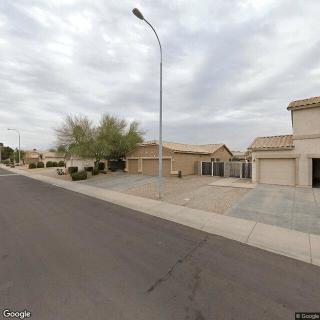
Divine Mercy Assisted Living Home
$2,005 to $3,110 / month15.9 miles away -
from +$200 / mo
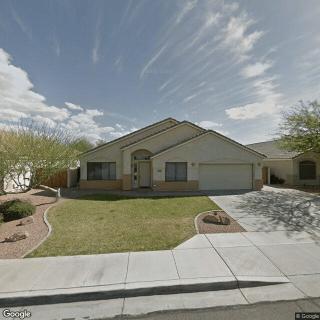
Portobello Assisted Living Home
$2,000 to $2,500 / month2.9 miles away -
About the same
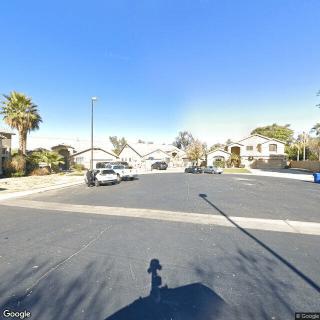
Home Sweet Home
$1,800 to $2,500 / month4.8 miles away -
from -$205 / mo

The Citadel
$1,595 to $2,080 / month7.0 miles away
Overall Review of Divine Grace Assisted Living Home
Pros
 The care home is highly recommended for elderly loved ones.
- Alice is described as the most caring and loving person.
- Residents under her care always look happy.
- The rooms and the entire facility are kept very clean.
- Even a retired police officer who investigated elder abuse was impressed and had no reservations about placing his mother there.
- Alice continues to provide daily care, visiting every morning and evening to assist residents.
- Divine Mercy is highly recommended for elder care.
- Alice and her staff are amazing, providing the best possible care with loving, kind attention to make each resident feel special.
Review
Divine Grace Assisted Living Home in Mesa is best suited for seniors who want an intimate, home-like setting where a small, devoted team delivers highly personalized care. The core strength is a caregiver-led culture that treats daily living as the central mission, clean, quiet, and consistently respectful. Families consistently describe residents as happy and well cared for, with one account noting a loved one looked happy throughout more than a year of caregiving. The environment feels more like a well-kept home than a clinical facility, and the staff’s familiarity with individual routines creates a dependable sense of security. This is not a large campus with impersonal programming; it is a tightly run home where staff know personalities, preferences, and needs, enabling care to be tailored rather than standardized.
Those weighing options should note that Divine Grace may not be the fit for every senior. Residents requiring robust medical oversight, frequent nursing interventions, or dementia-specific, structured programming may benefit more from larger facilities with dedicated memory-care units and around-the-clock clinical staffing. The reviews emphasize warmth, attentiveness, and cleanliness rather than a heavyweight medical footprint. That matters, because for families seeking assurance that medical needs will be met with formal protocols, the intimate setting may leave gaps. Still, the trust families place in the home is evident, one review mentions a former police officer who investigated elder abuse and still recommended the home, underscoring credibility and safety in a less formal environment.
The standout pros are the people. Alice embodies the care philosophy: attentive, compassionate, and hands-on, with staff who consistently show love and kindness and go out of their way to make each resident feel special. The atmosphere remains wonderfully warm and family-oriented, with cleanliness cited as a top-tier standard. Caregivers frequently handle intimate routines with gentleness, washing, dressing, and changing bedding, fostering daily continuity that reduces anxiety for residents and families alike. This combination of intimate attention and a respectful, dignified tone creates stability during stressful transitions, including end-of-life moments, which is precisely the kind of emotional support families seek when choosing a home for an aging relative.
There is a trade-off to consider. The small scale can limit the breadth of on-site services, activities, and formal rehabilitation options that larger communities offer. For residents who crave a busy calendar, diverse social programming, or advanced medical amenities, Divine Grace may feel undersized. Yet the very limitations can amplify the strengths: a steady, familiar routine, fewer moving parts to navigate, and a level of caregiver consistency that often translates into higher quality of daily life and fewer friction points for anxious families. In this light, the pros, personalized care, quick responsiveness, and a warm, clean setting, tend to offset the potential downsides for most seniors who prioritize dignity, comfort, and predictable care over scale.
Families evaluating their next step should approach with practical, decision-oriented questions. Arranging a visit to observe day-to-day interactions between staff and residents is essential, as is inquiring about staffing ratios and the consistency of caregivers. Clear conversations about care plans, medication management, and how medical needs are addressed or coordinated will clarify expectations. If end-of-life or palliative considerations are anticipated, asking how the team coordinates with families and outside professionals will reveal the depth of the home’s support network. Finally, align resident goals with the daily rhythm of the home to ensure satisfaction over time; alignment here often determines whether the transition becomes a source of comfort or ongoing strain.
For families prioritizing warmth, dignity, and highly personalized daily care delivered in a clean, respectful, home-like setting, Divine Grace stands out as a prudent Mesa choice. It offers exceptionally attentive caregiving, a comforting emotional climate, and a track record of residents appearing well cared for and at ease. Those whose needs center on extensive medical oversight, advanced memory-care programming, or a bustling activity calendar should consider alternatives with broader clinical resources. In the right match, this intimate environment yields peace of mind, dependable daily life, and a level of personal connection that often defines the difference between merely settling for care and thriving within it.
 10 resident community capacity
 Assisted Living
 Board and Care Home
 Respite Care
 Activities on-site
 Beautician on-site
 Cable or satellite TV
 Devotional services off-site
 Dining room
 Fully furnished
 Garden
 Housekeeping services
 Indoor common areas
 Move-in coordination
 Outdoor common areas
 Private
 Telephone
 Wi-Fi/high-speed internet available
 Phoenix Sky Harbor International (24 miles away)
 24-hour supervision
 Ambulatory care
 Assistance with bathing
 Assistance with dressing
 Assistance with transfers
 Diabetes diet
 High acuity care
 Incontinence care
 Meal preparation and service
 Medication management
 Special dietary restrictions
 Transportation arrangement (medical)
 Transportation to doctors appointments





 Choosing the Right Senior Care: A Detailed Exploration of Assisted Living and Nursing Homes
 Understanding the True Cost of Assisted Living in 2025: A Comprehensive Guide
 Understanding Medicaid Coverage for Assisted Living: A Comprehensive Guide