
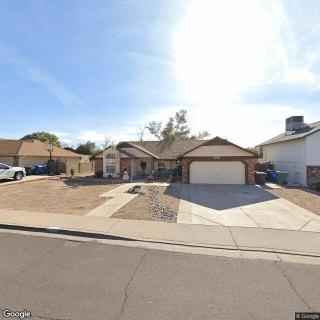
3942 East Florian Avenue, Mesa, AZ 85206
For more information about senior living options: (866) 208-4318
Home Sweet Home On Florian Costs & Pricing
Home Sweet Home On Florian offers competitive monthly rates for both semi-private and private room types when compared to Maricopa County and the broader state of Arizona. At $2,200 per month, the semi-private rooms are significantly more affordable than the county average of $2,801 and the state average of $2,820. Similarly, for private accommodations, Home Sweet Home On Florian's rate of $3,300 presents a favorable option compared to Maricopa County's average of $3,318 and Arizona's average of $3,345. This pricing structure not only emphasizes the value provided by Home Sweet Home On Florian but also positions it as a cost-effective choice for those seeking quality care in a comfortable environment.
| Floor plans | Home Sweet Home On Florian | Maricopa County | Arizona |
|---|---|---|---|
| Semi-Private | $2,200 | $2,801 | $2,820 |
| Private | $3,300 | $3,318 | $3,345 |
Overall Review of Home Sweet Home On Florian
Pros
 The nurses and staff are great.
- Home Sweet Home is a small group home with eight residents.
- The environment is good.
- The staff's work ethics are very good.
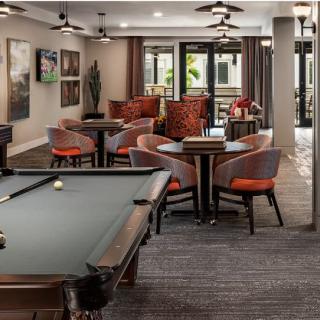
- The dining room feels like a comfortable home dining space.
Review
Home Sweet Home On Florian in Mesa is best suited for seniors who want a true home-like, small-group living experience with highly attentive care. With only eight residents, the community delivers a degree of familiarity, predictability, and staff accessibility that larger campuses cannot match. The setting feels like a family home rather than a clinical environment, with a normal dining room and understated amenities that support everyday routines. For residents who prize consistent, hands-on attention, quick response times, and a calm, non-institutional atmosphere, this community checks the right boxes.
Those requiring intensive medical management or a broad menu of on-site therapies should consider alternatives. A larger assisted living campus or a dedicated memory care program typically offers more built-in nursing coverage, more diverse activity calendars, and greater redundancy in staffing. If a resident needs frequent skilled visits, complex medication regimes, or regular rehab services beyond what a small home can sustain, exploring options with higher capacity may prevent gaps in care. In short, the eight-person model excels in warmth and responsiveness but is less likely to deliver the full spectrum of medical and social programming found elsewhere.
On the upside, the standout nurses and staff create a level of assurance that many families seek. The environment is calm and well-maintained, and the staff’s work ethics are described as very good, which translates into reliable, respectful, and timely care. The intimate size maximizes conversations with caregivers, enabling personalized reminders, nuanced attention to preferences, and quicker adjustments when routines shift. The home dining arrangement reinforces comfort and dignity, meals feel like they are prepared with care, not plated from a central kitchen. These factors collectively reduce agitation, boost mood, and make daily life predictable in a way that matters to both residents and families.
Yet, the small footprint also means fewer built-in amenities, fewer daily activities to choose from, and less formal programming than larger communities. The limited resident pool can limit social variety, even as it preserves a tight-knit feel. Staffing swings, while less problematic in a small house, can still affect consistency during peak times or illness. For residents who thrive on a robust calendar of events, off-site outings, or specialized activities (e.g., memory games, fitness classes, or spa days), those options may be more sporadic here than in bigger settings.
Still, the pros largely offset the potential drawbacks because a nurturing environment with ethical, responsive caregivers can eclipse the need for flashy amenities. The safety net of a small, closely watched team reduces the risk of missed cues and overlooked needs, while the homelike setting lowers stress and promotes dignity. For families prioritizing dependability, transparent staff relationships, and a sense of belonging, the trade-offs of limited programming are an acceptable price. In this light, Home Sweet Home On Florian stands out as a practical, high-trust choice for the right resident.
Practical decision advice centers on match, not just quality. Prospective movers should visit at varying times to observe interactions during meals, medication administration, and shift changes. Ask about staff-to-resident ratios, how care plans are developed and updated, and what happens if an individual requires more care than the home can safely provide. Compare this option to larger Mesa facilities focusing on medical complexity, rehab, or memory care to determine fit. If independence, safety, and a warm, home-like cadence are non-negotiables, this community delivers. If medical intensity or a richer calendar of activities is paramount, alternatives deserve close consideration.
 10 resident community capacity
 Assisted Living
 Board and Care Home
 Memory Care
 Respite Care
 Cable or satellite TV
 Dining room
 Fully furnished
 Garden
 Housekeeping services
 Move-in coordination
 Outdoor space
 Private
 Private bathrooms
 Telephone
 Wi-Fi/high-speed internet available
 Phoenix Sky Harbor International (15 miles away)
 24-hour supervision
 Activities of daily living assistance
 Ambulatory care
 Assistance with bathing
 Assistance with dressing
 Assistance with transfers
 Diabetes diet
 Diabetic care
 High acuity care
 Meal preparation and service
 Medication management
 Special dietary restrictions
 Transportation arrangement (medical)
 Transportation to doctors appointments

 Why Do Dementia Patients Sleep So Much? Understanding Oversleeping, Stages, and Care Approaches
 8 Key Indicators That Suggest It May Be Time to Transition from Assisted Living to Skilled Nursing Care
 Nourishing the Mind: Essential Dietary Approaches for Dementia