

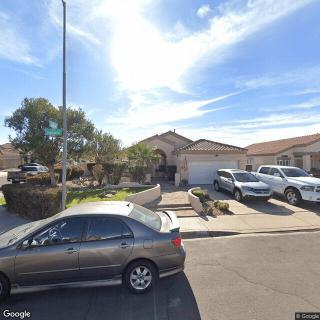
3707 E Southern Ave, Mesa, AZ 85206
To contact a resident: (480) 246-8034
For more information about senior living options: (866) 208-4318
Overall Review of A Gentle Touch Home Care
Pros
 A-Z Best Home Care is a great place to care for a loved one.
- The staff are professional and friendly.
- A-Z Best Home Care is by far the best in home care in the valley.
- The caregivers provide attentive, high-quality care.
- Clients would definitely recommend A-Z Best Home Care to family and friends.
Review
This Mesa-based home care provider is best suited for families seeking dependable, professional in-home support that keeps a loved one in familiar surroundings. The reviews repeatedly cite a professional posture and a warm, engaged staff, with caregivers described as friendly and capable. Families report that their loved ones respond positively, even saying a parent or grandparent loved the experience, which signals not only task completion but real comfort and social connection. For seniors who prefer aging in place and a steady, high-touch caregiving presence rather than a move into a facility, this service presents a compelling fit. The emphasis on trust, reliability, and practical daily assistance makes it a strong match for ongoing homebound support.
Those weighing alternatives should consider scenarios where a more structured, facility-based environment is advantageous. If 24/7 nursing oversight, highly complex medical management, or a built-in social calendar within a community setting is essential, an assisted living or skilled nursing option may deliver the level of oversight and milieu that in-home care cannot. Likewise, when a resident requires a clearly defined campus with integrated amenities, activities, and predictable on-site staffing, a traditional residential community could offer greater certainty about around-the-clock coverage and social programming. In short, this home-care option excels for home-first care, while more intensive, site-based settings are worth evaluating for higher medical needs or more expansive day-to-day structure.
The strongest positives, professionalism, consistently friendly caregivers, and genuine engagement, directly counterbalance the inherent limitations of in-home care. The reviews’ repeated praise for staff quality helps address concerns about reliability and continuity; when a team earns trust and family members feel confident recommending services to friends, the likelihood of smooth day-to-day care rises markedly. Personal anecdotes about loved ones adapting well and caregivers going beyond basic tasks translate into meaningful quality of life gains: companionship, timely assistance, and a sense of security that someone is reliably watching over a parent’s routine. In this sense, the pros transform potential anxieties about in-home care into confident, predictable caregiving.
Another clear advantage is the ability to preserve familiar routines and environments, which often reduces stress for aging relatives and eases family logistics. The sentiment that a loved one stayed comfortable and happy at home, evident in endorsements and praise for the caregivers, speaks to a practical outcome: less disruption, fewer transitions, and more consistent daily rhythms. This can be a decisive factor for families balancing work, caregiving duties, and medical needs. When the home setting is paired with a capable, communicative team, the day-to-day lived experience tends to be calmer for all involved and the caregiver-family collaboration becomes more efficient.
Given the positive signals, it is prudent to acknowledge potential trade-offs. In-home care generally hinges on the availability and continuity of the caregiving team, which means confirming caregiver matching, back-up coverage, and scheduling flexibility is essential before committing. Costs and coverage details warrant careful discussion, even though the reviews reflect high satisfaction with the care delivered. Prospective families should request a clear care plan, including how shift changes are handled, how emergencies are addressed, and what happens if a caregiver is unavailable. Asking for written agreements and trial periods can transform assurances into a tangible, testable arrangement.
For families deciding whether to move forward, the verdict is practical and decisive: this provider stands out for in-home care performed with professionalism and a level of personal warmth that translates into real, observable benefits for a loved one’s daily life. It is a strong choice for those who prize aging in place, consistent caregiver interaction, and a homey, supportive atmosphere. If the situation calls for 24/7 medical oversight, a more structured community setting, or specialized memory-care programming, alternatives should be explored. Begin with a face-to-face meeting, introduce the care team to the family, and request a clear, written plan with contingency arrangements to ensure the match is durable, affordable, and genuinely comforting for everyone involved.
 Phoenix Sky Harbor International (15 miles away)



 Exploring Nonmedical Home Care: Understanding Services, Costs, and Financial Approaches
 Engaging Brain Games and Innovative Apps to Keep Senior Minds Active
 Effective Strategies for Keeping Seniors' Minds Active: A Deep Dive into Brain Games and Apps