
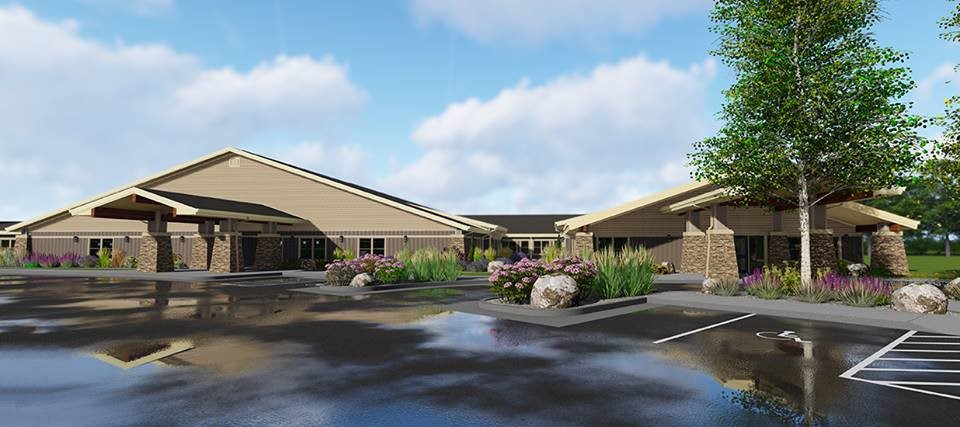
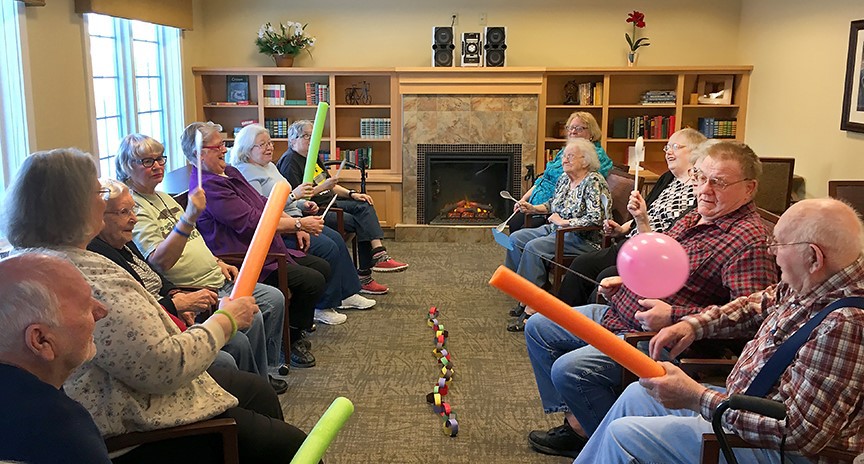
5848 East University Drive (Miller Bldg), Mesa, AZ 85205
For more information about senior living options: (866) 208-4318
Overall Review of Good Samaritan Society Mesa Good Shepherd Assisted Living
Pros
 The care is personalized, expert, and knowledgeable, and very compassionate.
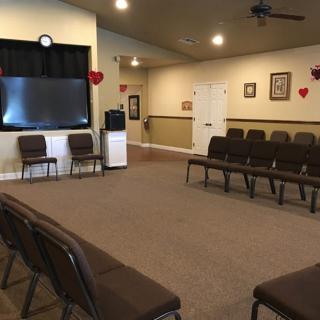
- The home environment is cozy and warm with easy access to an enclosed backyard.
- The single-family home is quiet and removed from traffic flows and noise.
- The small number of residents enables personalized attention and care.
- Food is prepared on site with a focus on nutrition, flavor, and variety.
- Special dietary needs are accommodated with flexibility.
- The calm and peaceful setting minimizes disruptions and accommodates each resident’s medical needs.
- Individual and common areas are clean, safe, and modified, where needed, for mobility access.
Cons
 The staff are forgetful and do not stay in the loop with patients.
- Housekeeping is almost non-existent.
- Medications are not provided for days, leaving residents without needed meds.
- Residents can become sicker while staying there than before they arrived.
- The facility does not handle constructive criticism well and labels critics as complainers.
- Bugs crawl on the beds and in the rooms.
- The director of admissions lied about camera policies and blocked cameras.
- Management and corporate responses have been unresponsive.
- The facility is too expensive for low-income residents, making it inaccessible.
Review
This community is best suited for families seeking a small-scale, home-like assisted living experience where personalized attention and a calm, predictable routine are the hallmark. The strongest case is made for residents who benefit from one-on-one interaction, a staff presence that feels genuinely caring, and a dining program that flexibly accommodates dietary needs. When staffing is sufficient, the environment tends to be quiet, clean, and easy to navigate, with mobility supports in place and secure outdoor access that adds a comforting, homelike cadence to daily life. It’s not the right fit for those who need intensive, around-the-clock medical supervision or aggressive rehabilitation services.
The most persuasive pros center on individualized care, attentiveness, and flexible nutrition. Reviewers repeatedly highlight care that feels tailored, compassionate, and knowledgeable, with staff who break down complex needs into manageable routines. A calm, warm setting helps minimize disruption for residents with medical or cognitive challenges, and the on-site dining program shows strength, nutrition and flavor, with accommodations for special diets. Cleanliness and safety considerations are consistently noted as positives when staff are present and operations run smoothly. In the best moments, these elements cohere into a dignified, resident-centered daily experience.
Yet the downsides are material and recurring when staffing is thin or leadership communication falters. Several accounts describe too-few staff on duty, leading to slow responses, rushed interactions, and tangible gaps in rehab time and overall care. Rehab goals can be unmet or delayed, leaving families anxious about discharge readiness. Medication delivery and housekeeping have, at times, fallen short, and maintenance lapses, plus reports of pests, signal reliability gaps. A troubling pattern in management responsiveness, including perceptions of misleading information and delayed administrative follow-up, further reinforces the truth that care quality here hinges on consistent staffing and accountable leadership.
Cost stands as a meaningful watchpoint. Multiple voices flag the monthly price as a barrier for many families, especially when the service level appears inconsistent. When financial expectations clash with variable outcomes, the perceived value declines, even in the presence of a pleasant, home-like ambiance and genuine staff warmth. The positive, person-centered culture does not automatically translate into steady, high-level performance across all shifts, so the financial equation demands careful scrutiny. For families on tighter budgets, or for residents who do not require intensive medical or rehabilitative support, alternatives with clearer value propositions may be preferable.
For families weighing options, two clear paths emerge. If rehab intensity, rapid response, and transparent governance are non-negotiables, explore facilities with dedicated therapy teams, stronger staffing coverage, and evidence of reliable operations. If a quieter, more intimate setting with a relational care style appeals, and staff turnover or occasional workflow gaps can be tolerated, this community can still deliver meaningful quality of life. The key is to demand concrete, written policies on staffing levels, medication procedures, and housekeeping standards, and to solicit recent parent/family references from peers with similar care needs to gauge consistency over time.
Practical next steps equip families to make a sound judgment. Schedule visits across shifts to observe response times, request a meeting with the administrator, and review recent inspection or compliance reports. Probe how dietary needs are met in practice and how mobility-impaired residents navigate common areas. Ask for a realistic rehab schedule, session lengths, and discharge-planning practices. If a trial stay is possible, use it to assess communication clarity, accountability, and the facility’s ability to translate promises into dependable daily care. In the end, this community can deliver compassionate, individualized care in a calm setting, provided staffing continuity, reliable operations, and transparent leadership are present; without those, pursuing alternatives becomes a prudent, timely choice.
 24 resident community capacity
 Assisted Living
 Continuing Care Retirement Community (CCRC)
 Respite Care
 Skilled Nursing Facility
 Beauty salon
 Cable or satellite TV
 Dining room
 Fully furnished
 Garden
 Housekeeping services
 Kitchenette
 Move-in coordination
 Outdoor space
 Restaurant-style dining
 Small library
 Telephone
 Wi-Fi/high-speed internet available
 Phoenix Sky Harbor International (18 miles away)
 24-hour call system
 Activities of daily living assistance
 Assistance with bathing
 Assistance with dressing
 Assistance with transfers
 Diabetes diet
 Medication management
 Mental wellness program
 Special dietary restrictions




 An Extensive Exploration of the VA Aid and Attendance Benefit
 Senior Transition Services: Understanding Their Role, Cost, and Importance
 Exploring the Path to Senior Living: A Comprehensive Look at Independent Living and Assisted Living