Overall Review of Desert Blossom Health & Rehabilitation
caveat10 reviews mention this
Medication and call-light delays
Some residents describe delayed medication and slow responses to calls.
Several reviews raise concerns about medication being late or not delivered as prescribed, including diabetic and other medication management issues. Families also describe long waits for assistance when call lights are pressed, sometimes requiring emergency help. A few comments also mention medication being given incorrectly or to the wrong person. While some residents praise care overall, these recurring concerns are serious in the negative reviews.
common4 reviews mention this
Therapy support appears mixed
Physical and occupational therapy is a major part of the experience.
Positive reviews frequently mention the therapy team helping residents work toward mobility goals, with therapists described as knowledgeable and supportive. A separate set of negative reviews report limited or inconsistent therapy, including missed sessions or very brief sessions compared with what was promised. One reviewer also describes a strong rehab experience that helped them return home, while others describe poor rehabilitation outcomes. Overall, therapy quality comes through clearly, but not uniformly across reviews.
common3 reviews mention this
Food gets praise, with exceptions
Dining is often described positively, though not always.
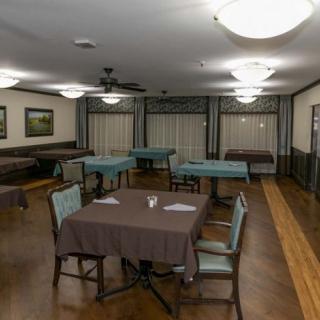
Some residents and families describe meals as good or excellent and say the dining experience was satisfying during rehab. At the same time, other reviews criticize the food quality or that diets weren’t honored. Where reviews speak well of dining, they often pair it with overall satisfaction with daily care. Where reviews criticize dining, it tends to connect with broader concerns about service consistency.
common8 reviews mention this
Caring staff shows up repeatedly
Many reviewers describe staff members as kind and supportive.
A recurring theme is that residents and families feel treated with respect, kindness, and attention from the staff. Multiple reviews use language like “friendly,” “caring,” and “like family,” and some mention frequent check-ins or responsiveness to concerns. There are also negative reviews that criticize staff responsiveness and behavior, including accounts of ignoring call lights or failing to deliver prescribed care. So the staff experience is consistently central in reviews, even though outcomes vary.
How we summarize
Counts show how many written reviews mention each theme; a review can touch several themes, and only frequently mentioned themes are displayed.
Features
Housing
106 resident community capacity
Types of Care
Skilled Nursing Facility
Amenities
Air-conditioning
Beauty salon
Cable or satellite TV
Computer center
Dining room
Fitness room
Fully furnished
Gaming room
Garden
Housekeeping services
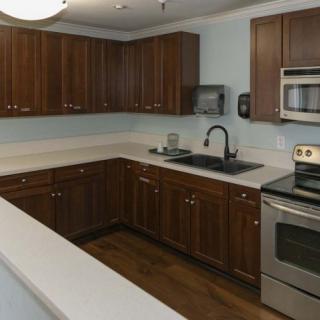
Kitchenette
Move-in coordination
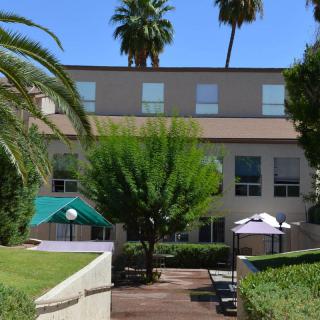
Outdoor space
Private bathrooms
Restaurant-style dining
Small library
Telephone
Wellness center
Wi-Fi/high-speed internet available
Transportation
Phoenix Sky Harbor International (17 miles away)
Community operated transportation
Transportation arrangement
Transportation arrangement (non-medical)
Care Services
12-16 hour nursing
24-hour call system
24-hour supervision
Activities of daily living assistance
Assistance with bathing
Assistance with dressing
Assistance with transfers
Coordination with health care providers
Diabetes diet
Meal preparation and service
Medication management
Mental wellness program
Special dietary restrictions
Transportation arrangement (medical)
Transportation to doctors appointments
Dining
Diabetes diet
Special dietary restrictions
Activities
Community-sponsored activities
Concierge services
Fitness programs
Planned day trips
Resident-run activities
Scheduled daily activities
Nearby Places of Interest
Pharmacies
Walgreens (0.3 miles)
Bashas' Pharmacy (1.8 miles)
Walgreens (2.2 miles)
Walgreens (2.3 miles)
CVS Pharmacy (2.3 miles)
CVS Pharmacy (2.6 miles)
Walgreens (2.8 miles)
Physicians
Cvam (0.4 miles)
Valley Endocrine Associates (0.7 miles)
Banner Imaging East Mesa (0.8 miles)
Oasis Obstetrics and Gynecology (1.7 miles)
Skyline Medicine (1.7 miles)
Cornerstone Family Medicine (2.1 miles)
Parikh, Simul Banner Md Anderson Cancer Center (2.2 miles)
Cafes
The Human Bean (1.2 miles)
Over Easy (1.6 miles)
Dutch Bros Coffee (2.2 miles)
Starbucks (2.5 miles)
Starbucks (2.7 miles)
Panera Bread (3.7 miles)
Panera Bread (6.1 miles)
Restaurants
Red Lobster (1.5 miles)
Olive Garden (1.5 miles)
Applebee's (1.5 miles)
IHOP (1.8 miles)
The Cheesecake Factory (1.8 miles)
What the Hell Bar & Grill (1.9 miles)
McDonald's (2 miles)
Parks
Greenfield Park (2.2 miles)
Riparian Preserve at Water Ranch (3.8 miles)
Finley Farms Park (5.3 miles)
Skyline Park (5.5 miles)
Theaters
Superstition Springs 25 (2.4 miles)
AMC Mesa Grand 14 (6.1 miles)
Transportation
Falcon Field Airport (MSC) (3.2 miles)
Places of Worship
Church of Jesus Christ of Latter Day Saints (4.8 miles)
Church of Jesus Christ of Latter Day Saints (5.2 miles)
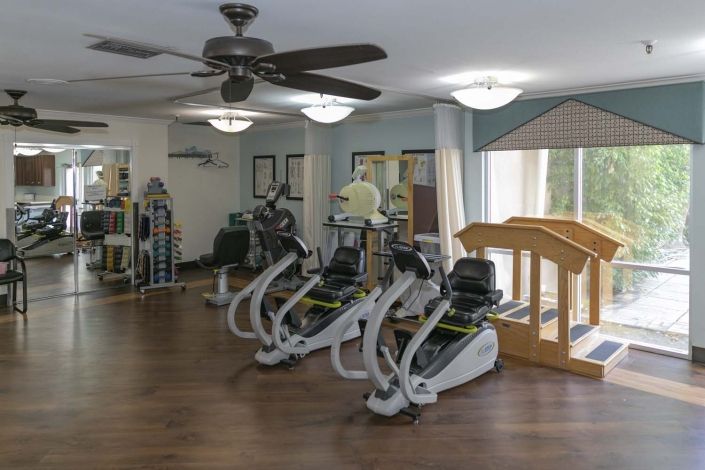
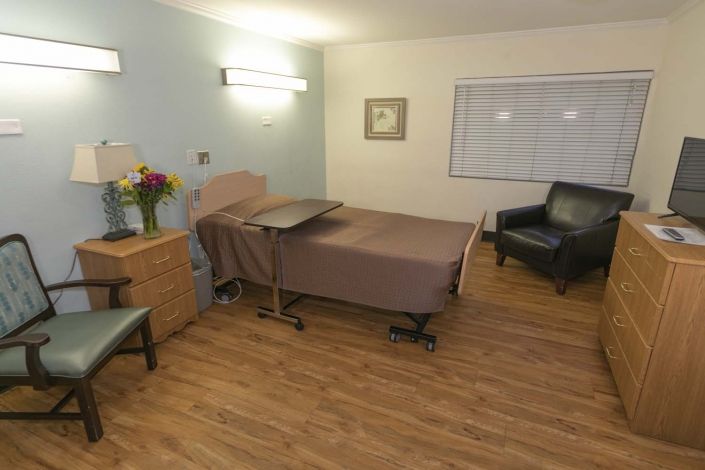
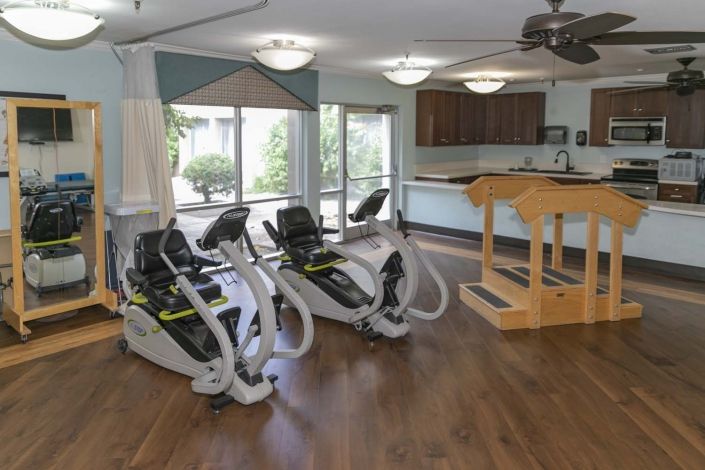
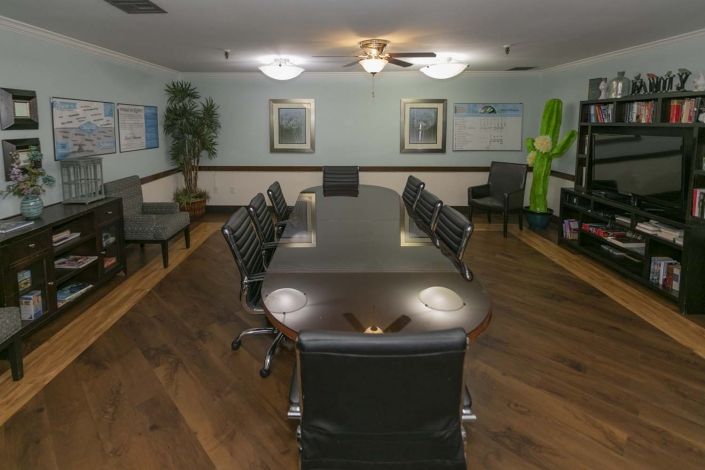
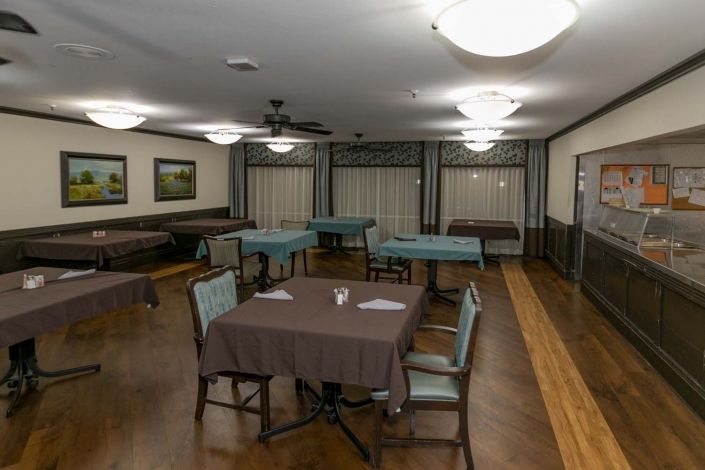
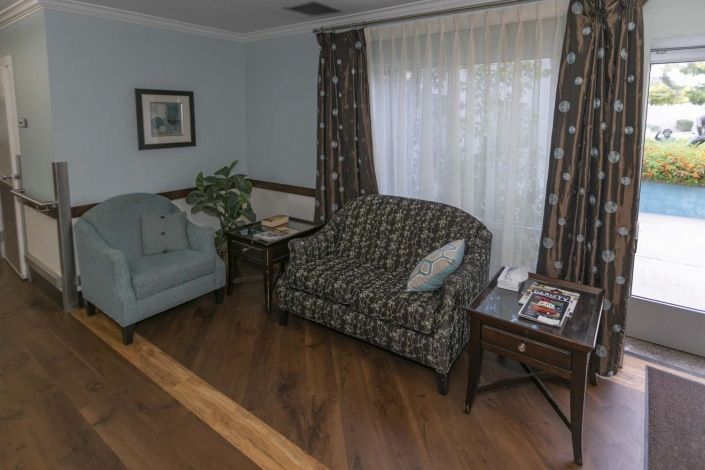
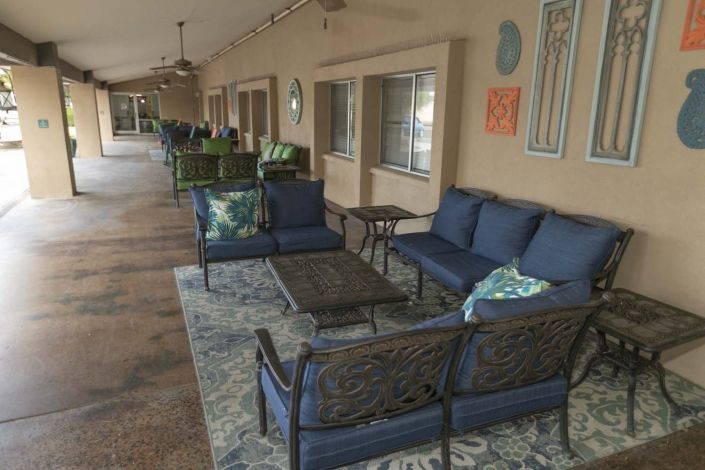
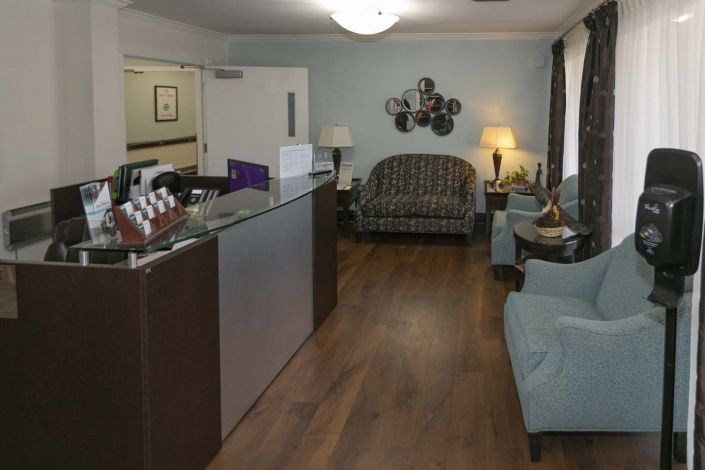
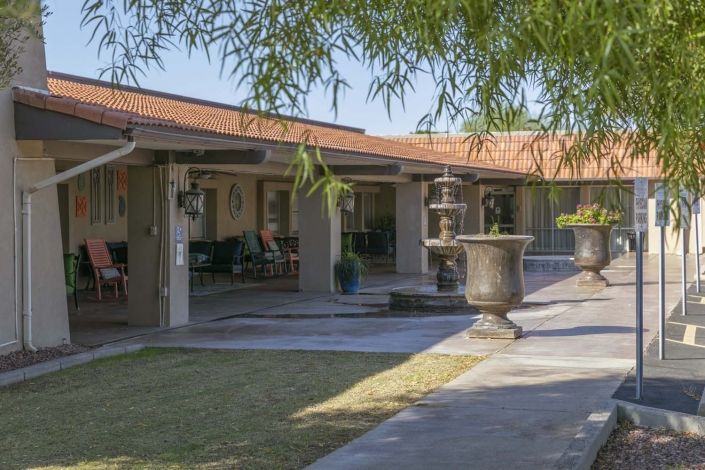
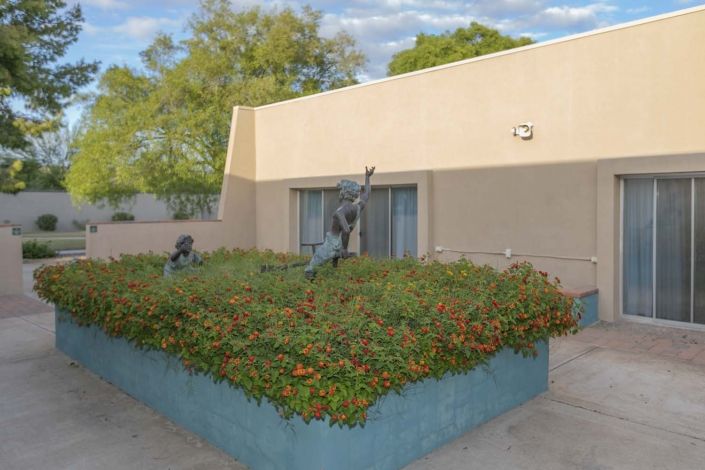
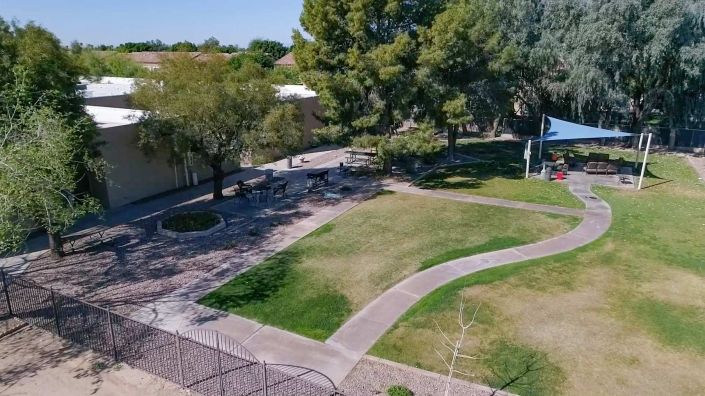
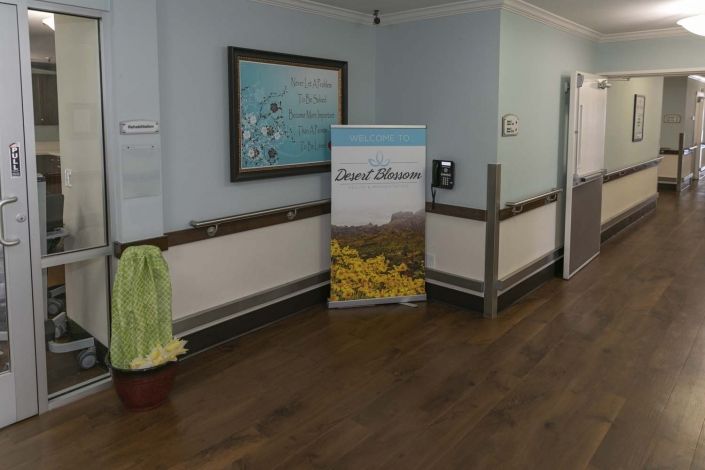
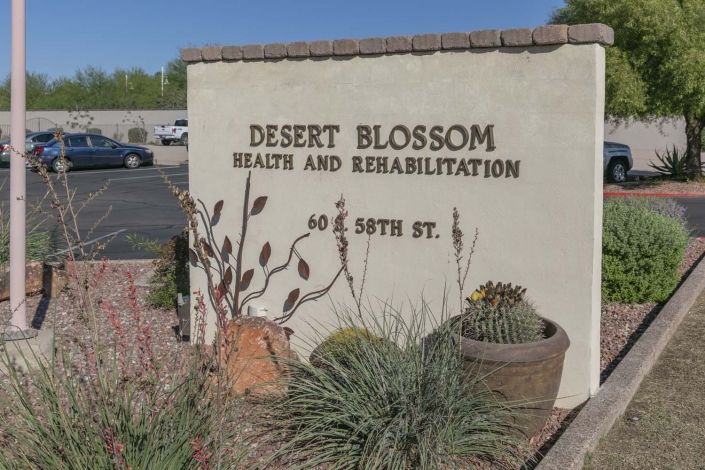
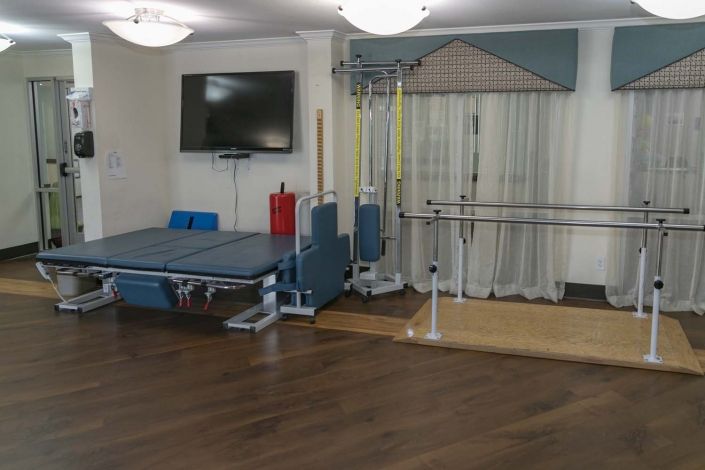
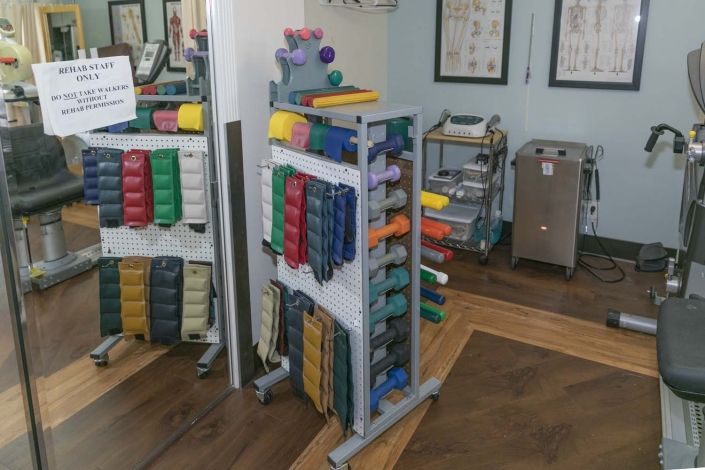
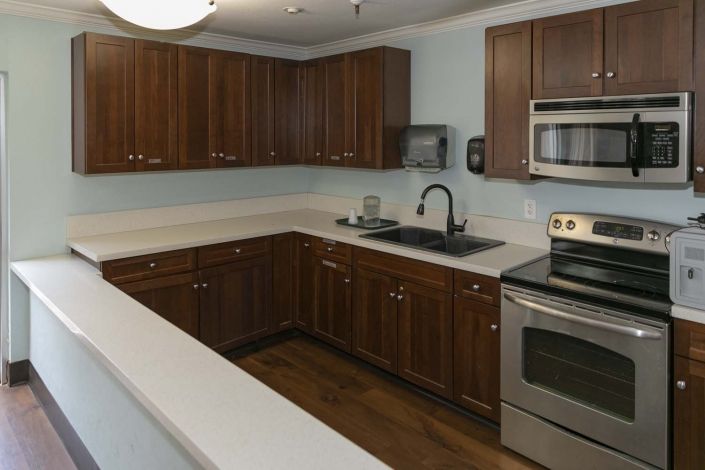
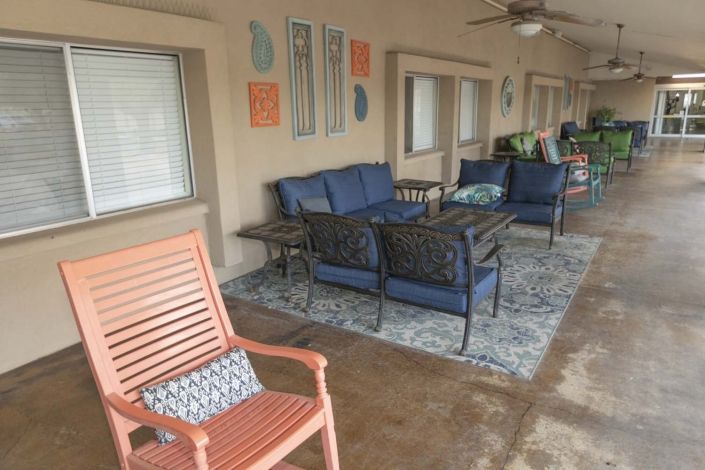
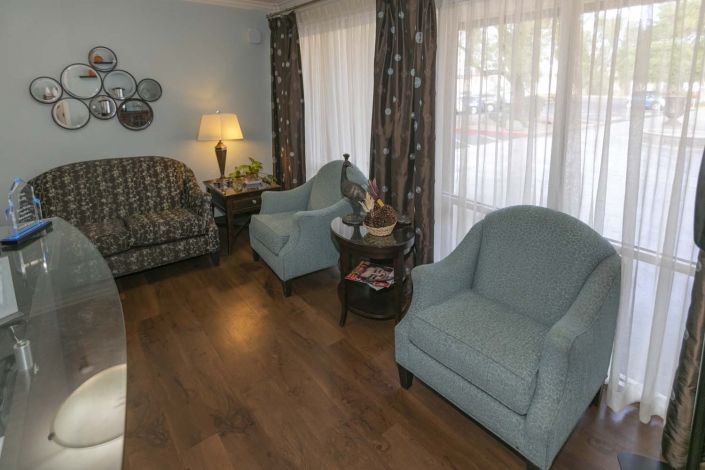
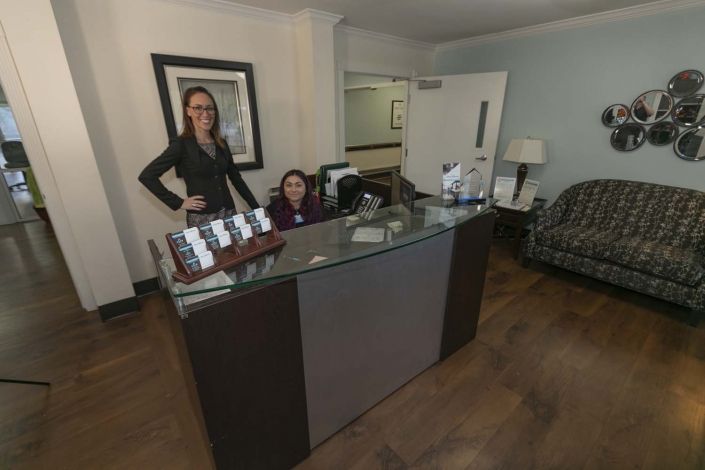
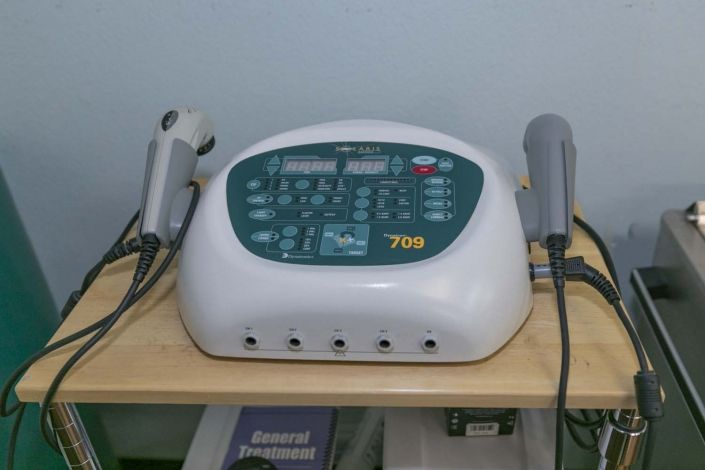
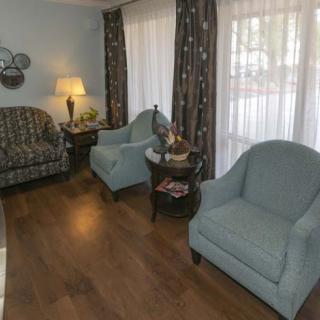
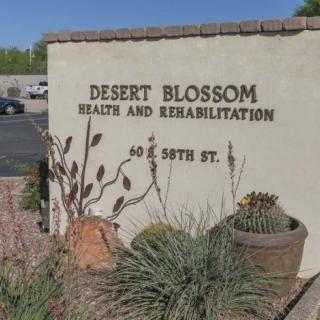
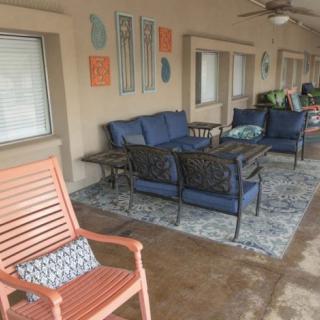
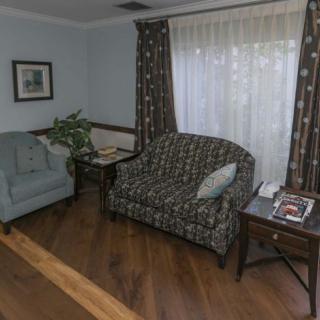
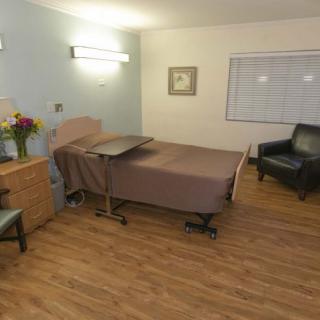
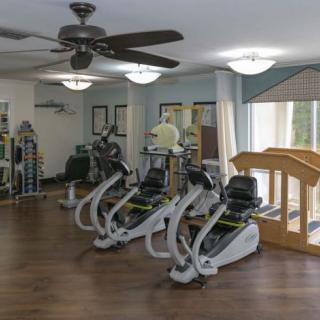
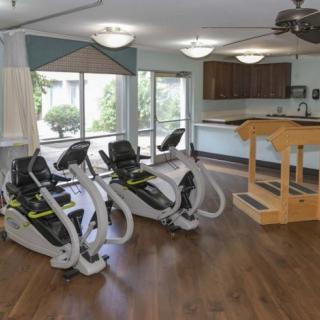
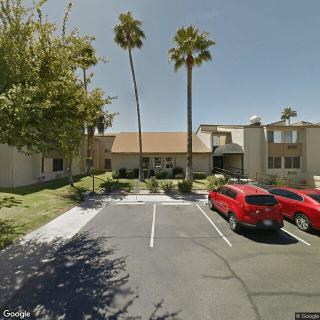
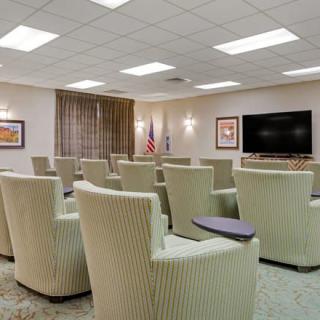
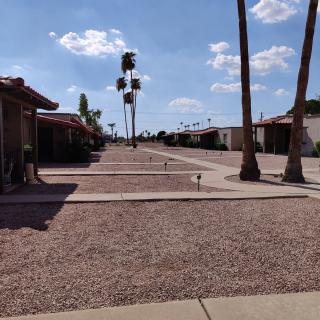
Desert Blossom Health & Rehabilitation on seniors.fyi includes 20 photos including images showing interior, rehabilitation, exercise equipment, decor, outdoors, gym, physical therapy, living room, and more.
Nearby Communities
AHC Of Mesa
Peoria, AZ
4 from 70 reviews
Warm, attentive staff and restaurant-style dining.
Brookdale East Arbor
Mesa, AZ
4.3 from 86 reviews
$3,580 to $3,985 / month
Clean, welcoming environment with caring staff and engaging activities.
Arbor Rose Senior Care
Mesa, AZ
4.1 from 102 reviews
$3,195 to $3,895 / month
Caring staff in a clean, home-like setting with good meals and engaging activities.
Brookdale East Mesa
Mesa, AZ
4.6 from 136 reviews
$5,290 to $6,370 / month
Attentive staff with personalized care and engaging memory-care activities.
Copper Heights Assisted Living
Mesa, AZ
2.8 from 13 reviews
Apartment-style setting with private studios and engaging resident activities.
Desert Palms Retirement Center
Mesa, AZ
5 from 6 reviews
$1,875 to $2,250 / month
Specialized memory care with diabetic support; affordable pricing.
Brookdale Springs Mesa
Mesa, AZ
4.4 from 153 reviews
$2,295 to $4,845 / month
Friendly, attentive staff and a warm, social community with restaurant-style dining.
Albany Apartments
Mesa, AZ
3.5 from 19 reviews
$1,230 to $1,330 / month
Well-maintained grounds with responsive management and a stair-free, open layout.
Orchard Mesa Active Senior Living
Mesa, AZ
3.5 from 81 reviews
$510 / month
Clean, well-maintained community with friendly staff, engaging activities, and affordable, pet-friendly living.
Medicare covers in-home health care services, which are medical and provided by licensed professionals under a physician's supervision, whereas non-medical personal assistance is generally not covered unless part of a broader skilled care plan. Eligibility for benefits depends on being homebound and needing intermittent skilled services from a Medicare-certified agency, with specific coverage limitations and additional resources available for navigating options.
In-home care is increasingly sought after by older adults for maintaining independence, with average private home care rates in 2025 varying by state and service type, reflecting geographical and local labor market influences. As demand rises, families are considering funding options like Medicaid waivers and long-term care insurance to manage costs effectively while ensuring quality care.
Home health care has become essential for supporting independence among the aging population, offering diverse services such as skilled nursing and rehabilitation in familiar environments, while also incorporating technology for personalized care. Despite its benefits, including improved recovery rates and emotional well-being, challenges like safety, staff availability, and insurance navigation must be managed for effective implementation.
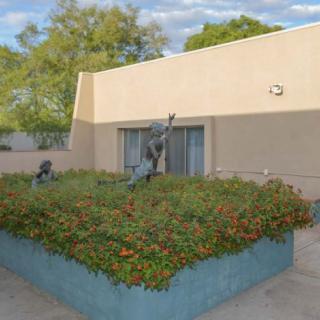
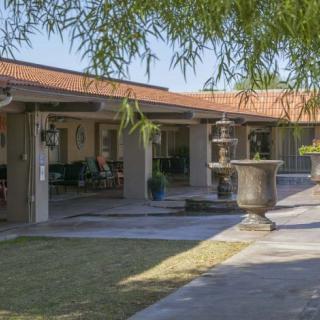
Landscaping, Architecture, Courtyard, and Fountain
Building, Garden, and Art
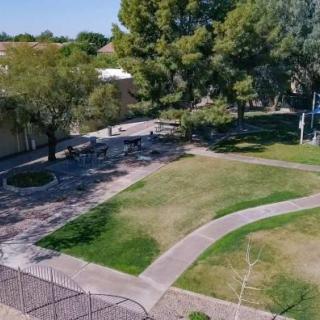
Trees, Pathway, Grass, Aerial View, and Park
Kitchen and Appliances
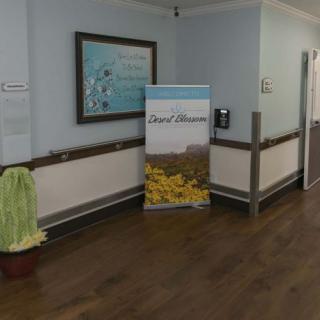
Artwork, Hallway, and Plant
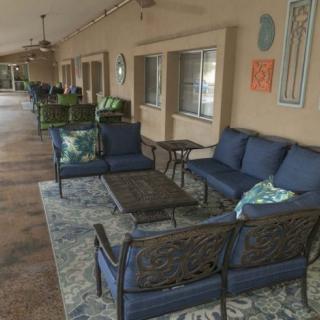
Seating Area, Rug, and Outdoor Furniture
Patio
Outdoors
Exercise Equipment and Gym
Outdoor Seating
Natural Light and Fitness Center
Office, Reception, and Computers
Rehabilitation
Physical Therapy
Conference Room and Office Space
Reception Area
Exercise and Therapy Room
Fitness Room
Additional Photos
Get PricingAsk A QuestionSchedule A TourContact Senior Advisor
By clicking submit, you agree to our Partner's Terms of Use. You
also consent to receive calls and texts, which may be autodialed, from our Partner. Your consent is not a condition to
using our Partner's service. Please visit our Partner's Privacy Policy for information about their privacy practices.

 106 resident community capacity
 Skilled Nursing Facility
 Air-conditioning
 Beauty salon
 Cable or satellite TV
 Computer center
 Dining room
 Fitness room
 Fully furnished
 Gaming room
 Garden
 Housekeeping services
 Kitchenette
 Move-in coordination
 Outdoor space
 Private bathrooms
 Restaurant-style dining
 Small library
 Telephone
 Wellness center
 Wi-Fi/high-speed internet available
 Phoenix Sky Harbor International (17 miles away)
 Community operated transportation
 12-16 hour nursing
 24-hour call system
 Activities of daily living assistance
 Assistance with bathing
 Assistance with dressing
 Assistance with transfers
 Diabetes diet
 Medication management
 Mental wellness program
 Special dietary restrictions
 Transportation arrangement (medical)
 Concierge services
 Planned day trips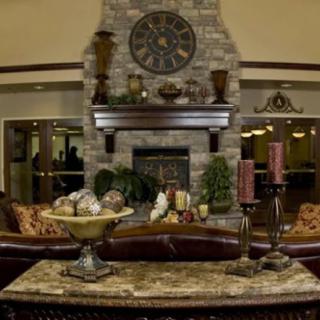
 Warm, attentive staff and restaurant-style dining.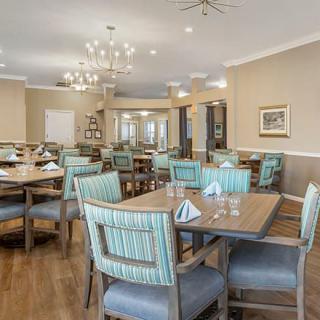

 Navigating Medicare Coverage for In-Home Care Services
 In-Home Care Costs in 2025: A Detailed State-by-State Exploration
 Understanding Home Health Care: A Comprehensive Guide