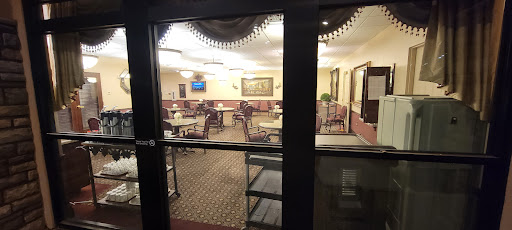
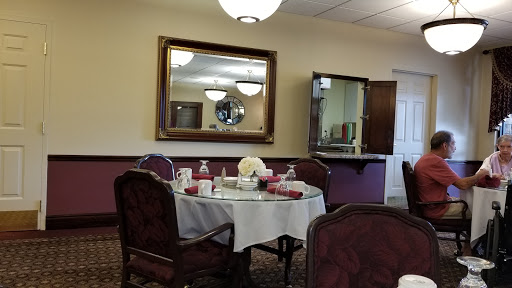
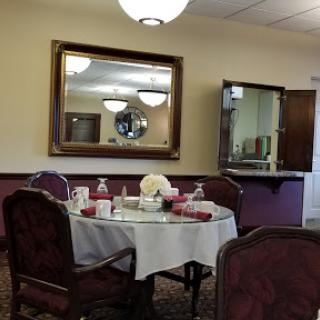
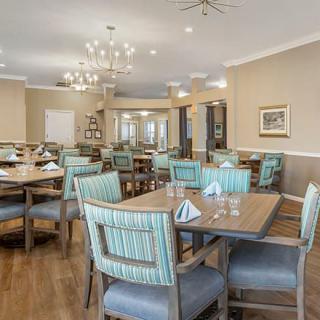
Dining and meal quality are a repeated bright spot in resident and family accounts.
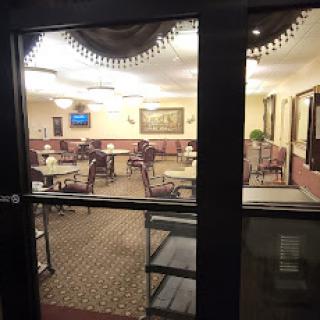
Several reviews describe the food as very good, with a dining room experience that feels less like a cafeteria. Others mention menu variety and efforts to help residents eat comfortably, including flexibility around what someone wants to eat. A few reviews also connect meal quality to overall satisfaction during rehab stays.
common9 reviews mention this
Therapy support gets mixed feedback
Physical and occupational therapy are a major focus of many stays, and reviews mention both strong outcomes and gaps.
On the positive side, multiple reviews highlight professional PT and OT teams and credit therapy with helping residents make progress. Others describe difficulty getting enough therapy, or delays and safety problems that limited the rehab experience. Taken together, therapy appears important here, but the level and consistency of support varies by stay.
caveat7 reviews mention this
Staff responsiveness and staffing are debated
Residents and families disagree on how quickly help is provided, with some reporting long waits.
Many reviews praise staff as caring, kind, and communicative, including specific mentions of aides and nurses. But several critical reviews describe shortages and slow response times—especially for bathroom requests or urgent help. A few accounts also raise concerns about safety lapses and missed calls, which ties directly back to responsiveness.
common8 reviews mention this
Facility cleanliness and comfort stand out
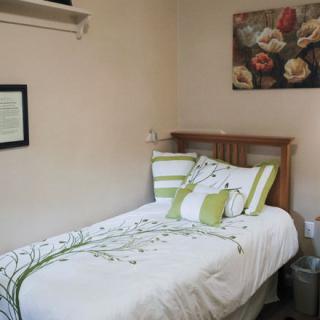
The building and room experience is often described as clean, comfortable, and “hotel-like.”
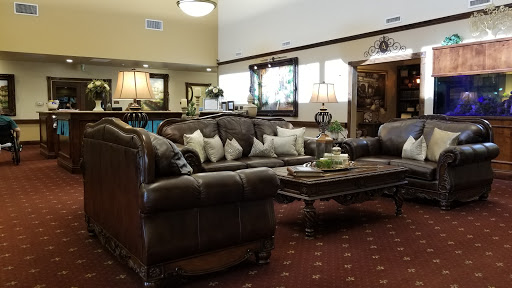
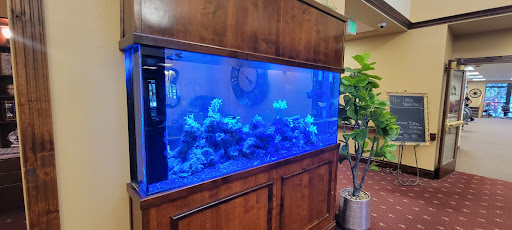
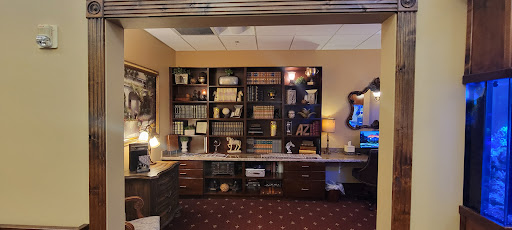
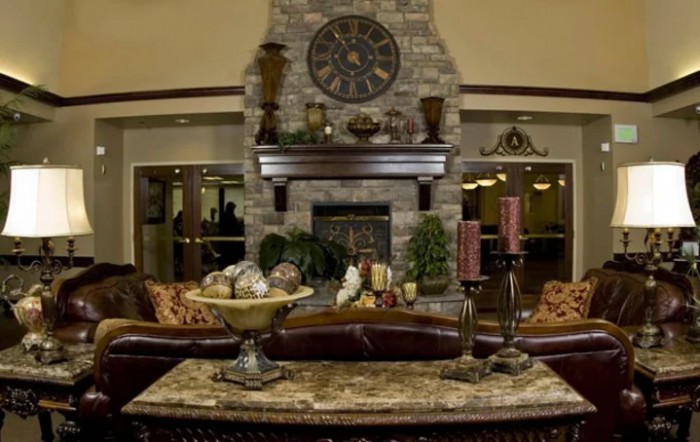
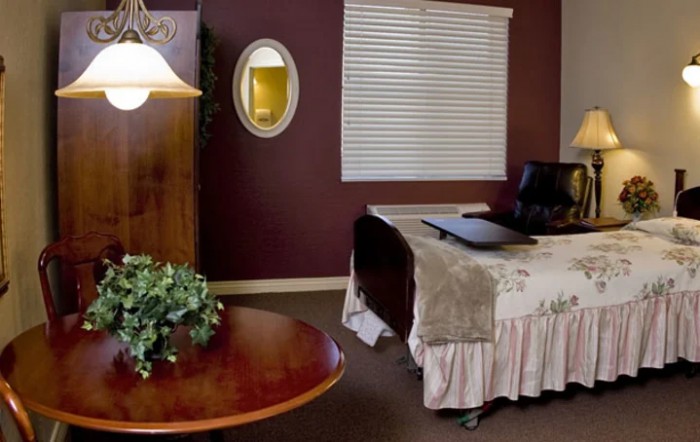
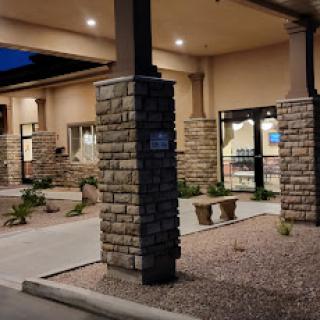
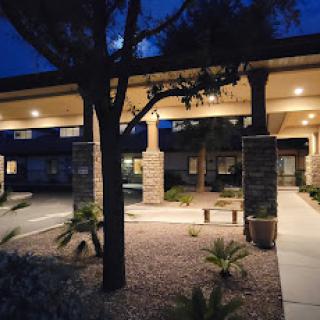
A number of reviews say the facility looks beautiful, feels comfortable, and stays clean, with private rooms and amenities that make stays easier. Some also describe the overall atmosphere as welcoming and well maintained. However, at least one review reports dirty bedding on arrival, suggesting the cleanliness experience may not be uniform.
How we summarize
Counts show how many written reviews mention each theme; a review can touch several themes, and only frequently mentioned themes are displayed.
Features
Housing
38 resident community capacity
Types of Care
Assisted Living
Skilled Nursing Facility
Amenities
Beauty salon
Cable or satellite TV
Dining room
Fully furnished
Garden
Housekeeping services
Kitchenette
Move-in coordination
Outdoor space
Telephone
Wi-Fi/high-speed internet available
Transportation
Phoenix Sky Harbor International (17 miles away)
Care Services
24-hour call system
24-hour supervision
Activities of daily living assistance
Assistance with bathing
Assistance with dressing
Assistance with transfers
Coordination with health care providers
Diabetes diet
Meal preparation and service
Medication management
Mental wellness program
Special dietary restrictions
Transportation arrangement (medical)
Transportation to doctors appointments
Dining
Diabetes diet
Special dietary restrictions
Activities
Community-sponsored activities
Scheduled daily activities
Nearby Places of Interest
Pharmacies
Walgreens (0.4 miles)
Bashas' Pharmacy (1.7 miles)
Walgreens (2.3 miles)
CVS Pharmacy (2.3 miles)
Walgreens (2.3 miles)
CVS Pharmacy (2.7 miles)
CVS Pharmacy (2.7 miles)
Physicians
Cvam (0.5 miles)
Valley Endocrine Associates (0.8 miles)
Banner Imaging East Mesa (0.9 miles)
Oasis Obstetrics and Gynecology (1.6 miles)
Skyline Medicine (1.7 miles)
Cornerstone Family Medicine (2.1 miles)
Parikh, Simul Banner Md Anderson Cancer Center (2.3 miles)
Cafes
The Human Bean (1.3 miles)
Over Easy (1.7 miles)
Dutch Bros Coffee (2.2 miles)
Starbucks (2.5 miles)
Starbucks (2.7 miles)
Panera Bread (3.7 miles)
Panera Bread (6.1 miles)
Restaurants
Red Lobster (1.6 miles)
Olive Garden (1.6 miles)
Applebee's (1.6 miles)
IHOP (1.7 miles)
The Cheesecake Factory (1.9 miles)
What the Hell Bar & Grill (2 miles)
McDonald's (2.1 miles)
Parks
Greenfield Park (2.1 miles)
Riparian Preserve at Water Ranch (3.8 miles)
Finley Farms Park (5.3 miles)
Skyline Park (5.6 miles)
Theaters
Superstition Springs 25 (2.6 miles)
AMC Mesa Grand 14 (6 miles)
Transportation
Falcon Field Airport (MSC) (3.1 miles)
Places of Worship
Church of Jesus Christ of Latter Day Saints (4.8 miles)
Church of Jesus Christ of Latter Day Saints (5.3 miles)
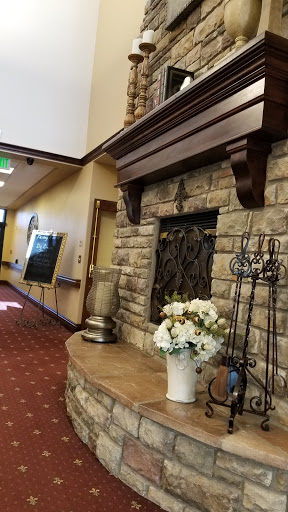
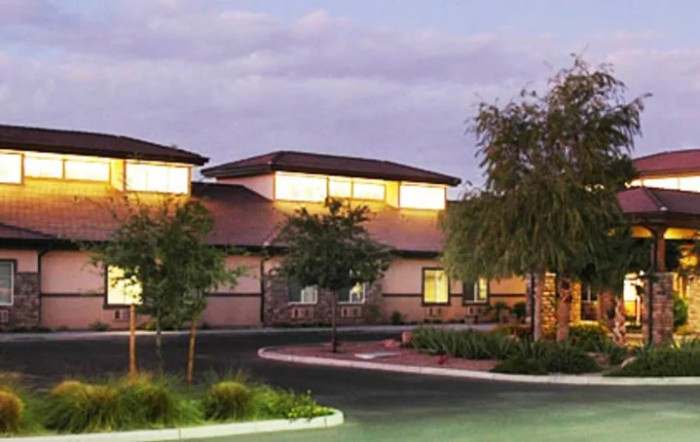
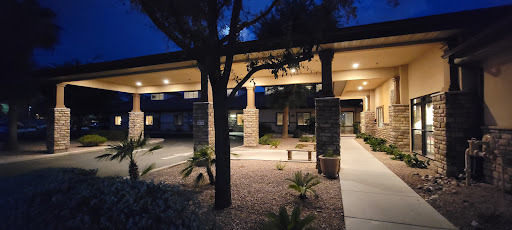
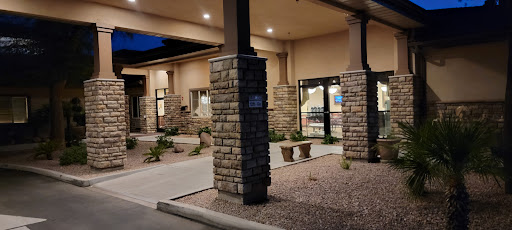
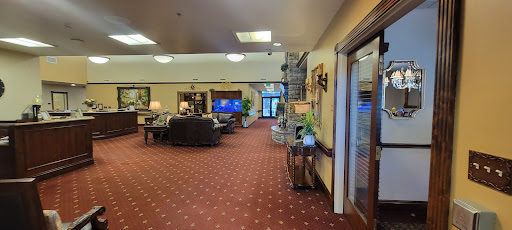
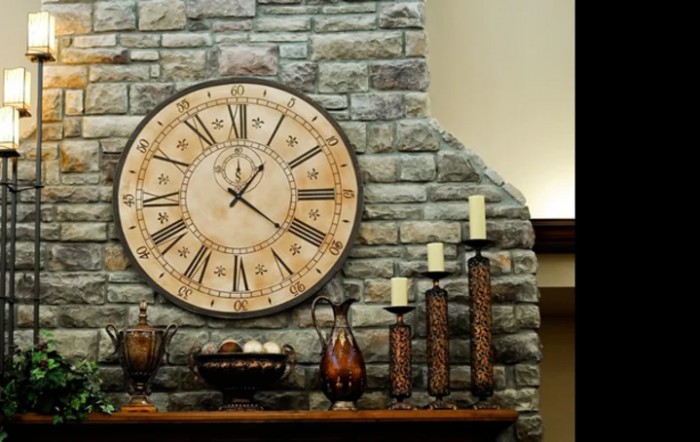
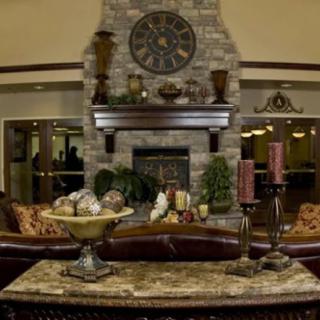
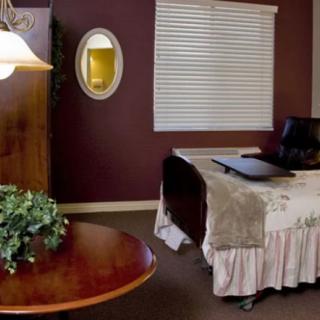
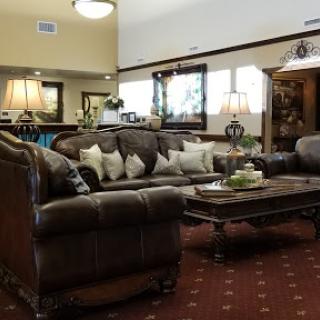
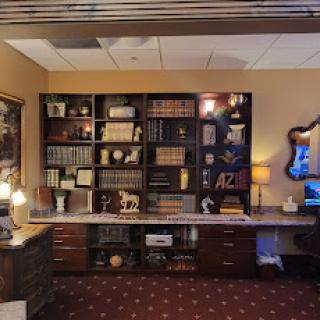
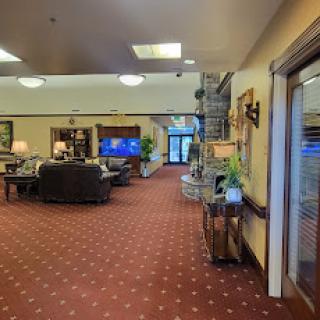
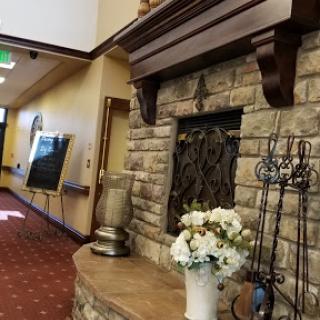
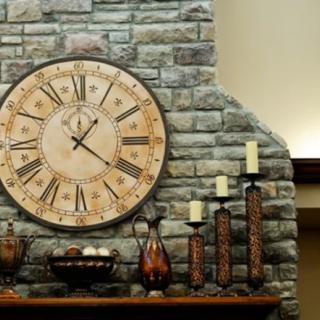
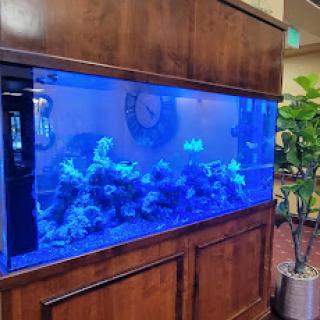
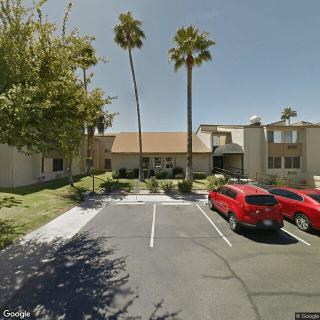
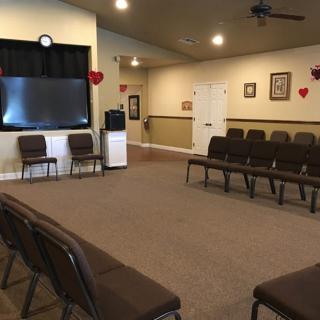
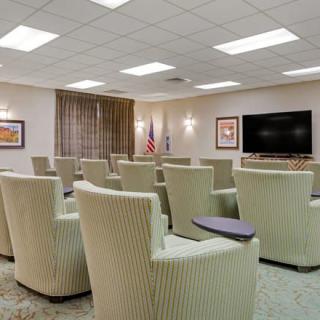
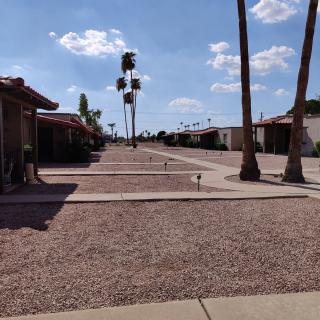
AHC Of Mesa on seniors.fyi includes 14 photos including images showing interior, decor, lighting, stone wall, building, exterior, living room, entrance, and more.
Nearby Communities
Desert Blossom Health & Rehabilitation
Mesa, AZ
4.1 from 136 reviews
Some staff are caring and capable; physical therapy is effective; conveniently located near emergency services.
Copper Heights Assisted Living
Mesa, AZ
2.8 from 13 reviews
Apartment-style setting with private studios and engaging resident activities.
Desert Palms Retirement Center
Mesa, AZ
5 from 6 reviews
$1,875 to $2,250 / month
Specialized memory care with diabetic support; affordable pricing.
Brookdale East Arbor
Mesa, AZ
4.3 from 86 reviews
$3,580 to $3,985 / month
Clean, welcoming environment with caring staff and engaging activities.
Arbor Rose Senior Care
Mesa, AZ
4.1 from 102 reviews
$3,195 to $3,895 / month
Caring staff in a clean, home-like setting with good meals and engaging activities.
Brookdale East Mesa
Mesa, AZ
4.6 from 136 reviews
$5,290 to $6,370 / month
Attentive staff with personalized care and engaging memory-care activities.
Brookdale Springs Mesa
Mesa, AZ
4.4 from 153 reviews
$2,295 to $4,845 / month
Friendly, attentive staff and a warm, social community with restaurant-style dining.
Albany Apartments
Mesa, AZ
3.5 from 19 reviews
$1,230 to $1,330 / month
Well-maintained grounds with responsive management and a stair-free, open layout.
Orchard Mesa Active Senior Living
Mesa, AZ
3.5 from 81 reviews
$510 / month
Clean, well-maintained community with friendly staff, engaging activities, and affordable, pet-friendly living.
Assisted living communities offer diverse activities beyond traditional games to enhance seniors' physical health, cognitive well-being, emotional enrichment, and social connections, including fitness classes, creative expression, and intergenerational interactions. These enriching programs foster community bonds and support residents' independence and happiness.
The article differentiates between assisted living and memory care, explaining that assisted living supports seniors with daily activities while promoting independence, whereas memory care provides specialized services for individuals with dementia, focusing on secure environments and cognitive support. It also addresses staff training, safety considerations, costs, family involvement, and transition strategies for families navigating these care options.
Family caregivers face emotional, legal, and practical challenges when elderly parents refuse assisted living, often due to fears of losing autonomy. Open conversations and professional assessments can help address these concerns while exploring alternatives and ensuring safety, potentially leading to legal guardianship if necessary.
Get PricingAsk A QuestionSchedule A TourContact Senior Advisor
By clicking submit, you agree to our Partner's Terms of Use. You
also consent to receive calls and texts, which may be autodialed, from our Partner. Your consent is not a condition to
using our Partner's service. Please visit our Partner's Privacy Policy for information about their privacy practices.


 38 resident community capacity
 Assisted Living
 Skilled Nursing Facility
 Beauty salon
 Cable or satellite TV
 Dining room
 Fully furnished
 Garden
 Housekeeping services
 Kitchenette
 Move-in coordination
 Outdoor space
 Telephone
 Wi-Fi/high-speed internet available
 Phoenix Sky Harbor International (17 miles away)
 24-hour call system
 Activities of daily living assistance
 Assistance with bathing
 Assistance with dressing
 Assistance with transfers
 Diabetes diet
 Meal preparation and service
 Medication management
 Mental wellness program
 Special dietary restrictions
 Transportation arrangement (medical)
 Transportation to doctors appointments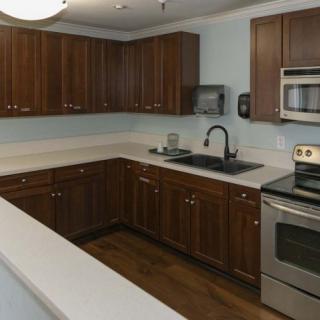
 Some staff are caring and capable; physical therapy is effective; conveniently located near emergency services.

 Beyond the Bingo Hall: 50+ Enriching Activities for Seniors in Assisted Living
 Understanding the Distinctions: Assisted Living and Memory Care Explained
 Guiding Elderly Parents Who Refuse Assisted Living: 6 Practical Steps