Emerald Groves South

3714 East Mclellan Road, Mesa, AZ 85205

For more information about senior living options: (844) 490-3973

3.9 from 15 reviews
5 stars
7
4 stars
4
3 stars
1
2 stars
1
1 stars
2

Assisted Living Board and Care Home Memory Care Respite Care

Emerald Groves South Costs & Pricing

Emerald Groves South offers distinct pricing structures that reflect its premium services compared to broader market averages in Maricopa County and the state of Arizona. For both private rooms and studios, the monthly cost at Emerald Groves South is set at $5,000, significantly higher than the county's average of $3,318 for private accommodations and $3,960 for studios. Statewide figures align closely with county rates, with averages of $3,345 for private rooms and $3,829 for studios. This pricing suggests that residents at Emerald Groves South can expect a higher level of care and amenities tailored to their needs, justifying the investment in their well-being and comfort.

Floor plansEmerald Groves SouthMaricopa CountyArizona
Private$5,000$3,318$3,345
Studio$5,000$3,960$3,829

What level of care are you interested in?

Assisted Living

Memory Care

Independent Living

Skilled Nursing Facility

Continuing Care Retirement Community (CCRC)CCRC

Other


Request a tour at Emerald Groves South

    Overall Review of Emerald Groves South

    Pros

    • pro The family was grateful to have found Emerald Groves Central as a perfect home for their loved one.
    • pro The owners' attention to detail, the beautiful decorations, the fun activities and musical guests, and the low staff turnover were described as a Godsend.
    • pro Bridget, the House Director, was praised for her hard work and dedication in making Emerald Groves Central the best it can be.
    • pro Emerald Groves North's facility and staff were described as beyond wonderful.
    • pro In hospice care scenarios, the nurses, caregivers, and supervisors were very professional and capable, providing top-notch care and supporting the family.
    • pro Dakota was welcoming and professional, and she put the family at ease from the first tour.
    • pro The entire Emerald Groves team was thanked for their care and kindness toward the grandmother.
    • pro The home and grounds were gorgeous, with spacious rooms, good food, and a staff that was amazing.

    Cons

    • pro They terminated her residency because they reneged on their promise to take care of her.
    • pro They claimed they could care for her only if her health remained "stable," which is not possible with ALS, showing a lack of understanding of the disease.
    • pro They do not recommend Emerald Groves Central for someone with ALS.
    • pro They allegedly lack knowledge on handling choking incidents, CPR, or feeding someone with a disability or feeding tube.
    • pro If they cannot manage a declining condition, they should not be accepting such patients.
    • pro What was promised did not happen, and it caused devastating stress; it was cruel.
    • pro The management is absolutely horrible, and most coworkers talk about each other behind their backs.
    • pro They cannot even make payroll; payroll issues exist and a caregiver was left unpaid.
    • pro At least one caregiver/med tech provides substandard care.
    • pro The billing practices appeared questionable, including a $1,500 registration fee and possible $2,000 ambulance fees for weekend medical assessments.

    Review

    Emerald Groves Central and its sister communities have generated a wide range of experiences, emotions, and opinions from families and residents who have interacted with the facility and its leadership. On one hand, there are glowing tributes to warmth, d?cor, and a sense of home that supporters say made a real difference during difficult times. On the other hand, there are sharp criticisms about management decisions, staffing, and the ability to meet the evolving needs of residents with serious illnesses. Taken together, the collective voice paints a complicated portrait of a place that some people cherish for its atmosphere and attentiveness, while others view as ill-prepared to handle decline or complex medical requirements.

    One of the most intense complaints centers on a situation involving a friend with ALS. According to a reviewer, the owners, Patrick and Jennifer, were told that they could care for her as long as her health remained stable, which ALS does not. The reviewer emphasizes that ALS is a degenerative disease and promises to "take care of her" were not kept once the condition began to progress. The decision to terminate the residency, they argue, was premature and cruel, tied to the belief that care could be maintained only if the trajectory stayed constant. The reviewer urged prospective families to ask explicit questions about handling choking incidents, CPR, or feeding through tubes, suggesting that if a provider cannot adapt to a patient whose condition worsens, they should not accept such residents. The episode is described as a painful setback that added stress during a very challenging time.

    Amid these concerns, other families recount deeply positive experiences. One family member lived at Emerald Groves Central for three years until passing, praising the owners for scrupulous attention to detail, beautiful decorations, engaging activities, and consistent staff who adjusted care as needs changed. They highlighted a notably low turnover of staff, a dedicated house director named Bridget, and a sense that the facility was a very special place that offered genuine care and love. For this family, the environment, the music and events, and the ongoing tailoring of care created a sense of stability and support during a long and difficult journey.

    Yet perceptions of the management team are not uniform. Several reviews describe a troubling internal dynamic, with coworkers speaking behind each other's backs and a sense that the leadership culture is less than cohesive. In these accounts, the concerns are less about day-to-day resident care and more about the workplace atmosphere and how it translates to resident experience. The tension around staff relationships and managerial style is presented as a real obstacle to consistently high-quality care, leaving some families worried about the long-term sustainability of staff morale and teamwork.

    Another branch of experience centers on Emerald Grove North, where one reviewer could not locate a dedicated review page but wrote about their mother's year there and called the facility and its staff "beyond wonderful." This positive portrayal of Emerald Grove North stands in contrast to the Central campus, underscoring how experiences can vary even within the same network. The reviewer emphasized the warmth of the environment, the quality of care, and the impression that it would be a place they themselves would choose for loved ones.

    Financial and staffing realities also appear in the reviews. At least one family reported substandard care from certain caregivers and med techs and described trouble with payroll, noting that a respected caregiver had left and not been fully paid, with the Labor Board being notified. This account raises concerns about consistency of caregiving quality and the financial health of the operation, suggesting that under some circumstances, the system supporting caregivers may be under strain. Separately, another reviewer recounted a hospice care experience that was surprisingly positive: professional nurses, attentive caregivers, and proactive owners who coordinated admissions on a tight schedule. In that account, the staff's professionalism and the family's peace of mind stood out as a bright counterpoint to other reports.

    Cost transparency and expectations around value also feature in the collective narrative. One reviewer described a complicated pricing experience, where a quote of $5,000 per month was followed by a $1,500 registration fee, and the promise of weekend medical assessments at an additional cost. The reviewer felt ambushed by the financial details and described the stay as limited in respite for the caregiver, eventually arriving at a measured rating that reflected both the care they observed and the administrative friction around charges. This thread highlights that, for some families, the comfort of the living environment must be weighed against real concerns about fees, services included, and clarity around additional costs.

    Despite the tensions, there are abundant expressions of gratitude and admiration for the people who deliver care. Several reviews celebrate the staff for their kindness, compassion, and "amazing" work with residents. A common thread in these positive notes is recognition of individuals who go above and beyond - names like Dakota, who provided welcoming tours and ongoing coordination, and the house director Bridget, whose dedication is singled out as a standout contributor to a well-run, supportive home. Families repeatedly credit the staff for making life richer and more manageable during illnesses and end-of-life experiences, emphasizing that the people on the ground are often the heart of what Emerald Groves provides.

    In sum, Emerald Groves Central (and its related communities) elicits a spectrum of experiences that can feel almost paradoxical in the same breath. For some families, the setting, the careful attention to care needs, and the intangible warmth of staff and activities create a home-like environment that honors their loved ones' dignity. For others, the interaction between management decisions, staffing stability, and the realities of degenerative disease raises serious questions about preparedness, reliability, and financial transparency. Anyone considering Emerald Groves should weigh these perspectives, ask pointed questions about care capabilities in progressive conditions, evaluate the consistency of staff training and supervision, and seek clear information about pricing and what is included in daily care. What emerges is a complex portrait: a place that can feel like a sanctuary to some, and a source of heartbreak and concern to others, depending on personal circumstances, expectations, and the specific needs of the resident.

    Features

    Housing

    • 10 resident community capacity 10 resident community capacity

    Types of Care

    • Assisted Living Assisted LivingAssisted living facilities provide crucial support and care for seniors who may need help with daily tasks such as medication management, bathing, and meal preparation. These communities offer a safe and comfortable environment where seniors can maintain their independence while receiving the assistance they need to thrive in their golden years.
    • Board and Care Home Board and Care HomeBoard and care homes provide a smaller, more intimate setting for seniors who require assistance with daily tasks but do not need the level of care offered by a nursing home. They offer personalized care, meals, and social activities in a homelike environment, ensuring that seniors receive individualized attention and support in their golden years.
    • Memory Care Memory CareMemory care is crucial for seniors as it provides specialized support and services for individuals with dementia or Alzheimer's disease. These programs offer a safe and secure environment where residents receive personalized care, cognitive stimulation, and help with daily activities. Memory care helps seniors maintain their independence, quality of life, and dignity while also providing peace of mind for their families.
    • Respite Care Respite CareRespite care provides temporary relief for caregivers, allowing them to recharge and attend to their own needs. It also gives seniors the opportunity to socialize, receive professional care, and experience a change of scenery, promoting overall well-being and reducing feelings of isolation.

    Pets

    • Cats allowed Cats allowed"Pet friendly" senior living communities are important for seniors because pets provide companionship, reduce feelings of loneliness and depression, promote physical activity and mental stimulation, and offer a sense of purpose and responsibility. Pets can improve overall well-being and quality of life for seniors in many ways.
    • Dogs allowed Dogs allowed"Pet friendly" senior living communities are important for seniors because pets provide companionship, reduce feelings of loneliness and depression, promote physical activity and mental stimulation, and offer a sense of purpose and responsibility. Pets can improve overall well-being and quality of life for seniors in many ways.

    Amenities

    • Cable or satellite TV Cable or satellite TVCable or satellite TV is important for seniors because it provides entertainment, news, and companionship, helping to combat loneliness and boredom. It also offers a wide range of programming options tailored to different interests and preferences.
    • Dining room Dining roomDining rooms are important for seniors as they provide a space for socialization, connection, and nutritious meals. They offer opportunities for residents to bond over shared meals, foster a sense of community, and promote healthy eating habits. Dining rooms also ensure that seniors have access to well-balanced meals tailored to their dietary needs and preferences.
    • Fully furnished Fully furnishedFully furnished senior living communities are important for seniors because they provide convenience, comfort, and a hassle-free moving experience. Seniors can easily settle into their new living space without the stress of having to buy and move furniture. This allows them to focus on enjoying their new home and community.
    • Garden GardenGardens are important for seniors as they provide a peaceful and therapeutic environment for relaxation, physical activity, and socialization. Being in nature has been shown to reduce stress, improve mood, and promote overall well-being. Gardens also offer opportunities for seniors to engage in gardening activities, which can improve mobility, flexibility, and cognitive function. Additionally, gardens create a sense of community and connection with others who share a passion for plants and outdoor spaces.
    • Housekeeping services Housekeeping servicesHousekeeping services are important for seniors because they help maintain a clean and safe living environment, promote independence, and reduce the risk of accidents or illnesses. Additionally, having assistance with household chores can alleviate physical strain and allow seniors to focus on other aspects of their well-being.
    • Move-in coordination Move-in coordinationMove-in coordination is important for seniors because it helps ease the transition into their new living environment. It ensures that all logistics, such as packing, organizing movers, and setting up utilities are taken care of, allowing seniors to focus on settling in and adjusting to their new home. Having a smooth move-in process can alleviate stress and anxiety, making the transition smoother and more enjoyable for seniors.
    • Outdoor space Outdoor spaceOutdoor spaces are important for seniors as they provide opportunities for physical activity, social interaction, exposure to natural light and fresh air, and a sense of connection to nature. Having access to outdoor spaces can improve overall well-being and quality of life for older adults living in senior communities.
    • Private PrivatePrivacy is important for seniors as it allows them to maintain their independence, dignity, and sense of control over their own lives. It also gives them the space and freedom to relax, reflect, and engage in activities that bring them joy and fulfillment. Creating private spaces within senior living facilities is crucial for promoting overall well-being and quality of life.
    • Respite or short term stays offered Respite or short term stays offeredRespite or short term stays provide seniors with a temporary solution when their regular caregiver is unavailable, offering them the opportunity to receive additional care and support during times of need, while also giving caregivers a chance to rest and recharge.
    • Telephone TelephoneTelephones are important for seniors as they provide a lifeline for communication with loved ones, emergency services, and healthcare providers. They offer a sense of security and independence, enabling seniors to stay connected and access assistance when needed.
    • Wi-Fi/high-speed internet available Wi-Fi/high-speed internet availableWi-Fi/high-speed internet is important for seniors to stay connected with loved ones, access online resources, and participate in virtual activities to combat feelings of loneliness and isolation. It also allows them to easily manage healthcare needs, access entertainment, and engage in lifelong learning opportunities.

    Transportation

    • Phoenix Sky Harbor International (15 miles away) Phoenix Sky Harbor International (15 miles away)

    Care Services

    • 24-hour supervision 24-hour supervision24-hour supervision is important for seniors to ensure their safety, well-being, and access to immediate assistance in case of emergencies or health issues. This constant support provides peace of mind for both seniors and their loved ones, allowing them to age in place with dignity and security.
    • Activities of daily living assistance Activities of daily living assistanceActivities of daily living assistance are important for seniors because they provide essential support with tasks such as eating, bathing, dressing, and mobility. This assistance helps seniors maintain their independence, dignity, and overall quality of life as they age.
    • Assistance with bathing Assistance with bathingAssistance with bathing is crucial for seniors as it helps maintain personal hygiene, prevents infections, and ensures their overall well-being and comfort. It also provides a sense of dignity and independence for seniors who may struggle with this task on their own.
    • Assistance with dressing Assistance with dressingAssistance with dressing is important for seniors because it helps maintain their independence, promotes personal hygiene, prevents accidents and injuries, and improves overall quality of life. This service ensures that seniors can continue to dress comfortably and confidently, despite any physical limitations they may have.
    • Assistance with transfers Assistance with transfersAssistance with transfers is crucial for seniors as it helps prevent falls and injuries, maintains their independence, and ensures they can safely navigate their living environment. It also provides peace of mind for both seniors and their loved ones.
    • Coordination with health care providers Coordination with health care providersCoordination with health care providers is crucial for seniors to ensure proper medical care, medication management, and overall well-being. This collaboration helps prevent overlapping treatments, track progress more effectively, and provide comprehensive support tailored to individual needs.
    • Diabetes diet Diabetes dietA diabetes diet is crucial for seniors as it helps manage blood sugar levels, reduce risks of complications, and improve overall health and well-being. By following a balanced and nutritious diet tailored to their specific needs, seniors can better control their diabetes and enhance their quality of life.
    • Diabetic care Diabetic careDiabetic care is crucial for seniors as they are more susceptible to developing diabetes due to aging and other health conditions. Proper management of diabetes can help prevent complications such as heart disease, vision loss, and nerve damage, improving the overall quality of life for seniors in senior living communities.
    • High acuity care High acuity careHigh acuity care is important for seniors because it provides specialized medical attention and support for individuals with complex medical needs. This level of care ensures that seniors receive the appropriate treatment and assistance to maintain their health and quality of life as they age.
    • Incontinence care Incontinence careIncontinence care is essential for seniors to maintain their dignity, hygiene, and overall quality of life. By addressing incontinence issues promptly and effectively, seniors can enjoy a sense of independence and comfort in their daily activities.
    • Meal preparation and service Meal preparation and serviceMeal preparation and service are crucial for seniors as they may have limited mobility or energy to cook nutritious meals. Having access to healthy and convenient food options can ensure they are getting the proper nutrition needed to maintain their overall health and well-being.
    • Medication management Medication managementMedication management is crucial for seniors to ensure they are taking the right medications at the correct dosages and times. This helps prevent adverse drug interactions, reduces the risk of medication errors, and promotes overall health and well-being. Proactive management also allows for adjustments as needed based on changing health conditions or new prescriptions.
    • Special dietary restrictions Special dietary restrictionsSpecial dietary restrictions are important for seniors because age-related changes in metabolism and health conditions can make it difficult for their bodies to process certain foods. By following a diet tailored to their specific needs, seniors can maintain their overall health and well-being, manage chronic conditions, and reduce the risk of complications such as malnutrition or food interactions with medications.
    • Transportation arrangement (medical) Transportation arrangement (medical)Transportation arrangements for medical purposes are essential for seniors as they may have difficulty driving themselves to appointments or accessing public transportation. Having reliable and safe transportation options ensures that seniors can receive timely medical care and maintain their health and well-being.
    • Transportation to doctors appointments Transportation to doctors appointmentsTransportation to doctors' appointments is crucial for seniors as it ensures they have access to necessary medical care and support for their health needs. Without reliable transportation, seniors may struggle to attend important appointments, leading to potential delays in treatment and health complications. Providing transportation services helps seniors maintain their overall well-being and quality of life.

    Dining

    • Diabetes diet Diabetes dietA diabetes diet is crucial for seniors as it helps manage blood sugar levels, reduce risks of complications, and improve overall health and well-being. By following a balanced and nutritious diet tailored to their specific needs, seniors can better control their diabetes and enhance their quality of life.
    • Special dietary restrictions Special dietary restrictionsSpecial dietary restrictions are important for seniors because age-related changes in metabolism and health conditions can make it difficult for their bodies to process certain foods. By following a diet tailored to their specific needs, seniors can maintain their overall health and well-being, manage chronic conditions, and reduce the risk of complications such as malnutrition or food interactions with medications.

    Activities

    • Community-sponsored activities Community-sponsored activitiesCommunity-sponsored activities are important for seniors as they provide opportunities for social interaction, mental stimulation, and physical activity. These activities can help improve overall well-being, combat loneliness and isolation, and promote a sense of belonging and purpose among older adults.
    • Scheduled daily activities Scheduled daily activitiesScheduled daily activities are important for seniors because they provide structure, socialization, mental stimulation, and physical activity. Engaging in regular activities can improve overall well-being and quality of life for seniors living in a community setting.

    Description

    Emerald Groves South in Mesa, AZ is an exceptional assisted living community that offers a variety of care services to meet the unique needs of each resident. With a focus on providing personalized and compassionate care, this community offers board and care home, memory care, and respite care options.

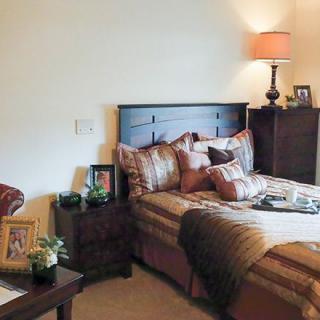
    Residents at Emerald Groves South enjoy a range of amenities designed to enhance their quality of life. The dining room provides delicious meals prepared with special dietary restrictions in mind. Each living space is fully furnished and residents have access to outdoor spaces, including a beautiful garden. Housekeeping services ensure that the community is always clean and tidy, allowing residents to relax and enjoy their surroundings. Wi-Fi/high-speed internet is available throughout the community for residents to stay connected with loved ones.

    The dedicated staff at Emerald Groves South provides assistance with activities of daily living such as bathing, dressing, and transfers. They also coordinate with health care providers to ensure that each resident's medical needs are met. For those requiring specialized care, high acuity and diabetic care are available along with medication management and incontinence care. Meal preparation and service are provided, taking into consideration any special dietary restrictions.

    Transportation arrangement for medical appointments is offered, making it easier for residents to attend necessary healthcare visits. Additionally, the community is conveniently located near several cafes, parks, pharmacies, physicians' offices, restaurants, transportation options, and places of worship.

    To promote social engagement and mental stimulation among residents, Emerald Groves South offers scheduled daily activities which cater to various interests and preferences.

    Overall, Emerald Groves South provides a warm and inviting environment where seniors can receive the support they need while enjoying a fulfilling lifestyle surrounded by caring staff members who prioritize their well-being.

    Nearby Places of Interest

    Pharmacies

    • Walgreens (1.3 miles)
    • CVS Pharmacy (1.7 miles)
    • Bashas' Pharmacy (1.8 miles)
    • CVS Pharmacy (3.1 miles)
    • Walgreens (3.5 miles)
    • CVS Pharmacy (3.7 miles)
    • Walgreens (3.8 miles)

    Transportation

    • Falcon Field Airport (MSC) (1.5 miles)

    Physicians

    • Glick Ronald M Do (1.6 miles)
    • Riviera Opticare (2.6 miles)
    • Skyline Medicine (2.9 miles)
    • Oasis Obstetrics and Gynecology (3.2 miles)
    • Cvam (3.7 miles)
    • Cornerstone Family Medicine (3.8 miles)
    • Valley Endocrine Associates (4 miles)

    Restaurants

    • IHOP (1.8 miles)
    • Whataburger (2.9 miles)
    • Uncle Bear's Grill & Tap Greenfield (3.6 miles)
    • Chili's Grill & Bar (3.6 miles)
    • Chick-Fil-A (3.7 miles)
    • McDonald's (3.8 miles)
    • Nando's Mexican Cafe (3.9 miles)

    Parks

    • Greenfield Park (3.2 miles)
    • Riparian Preserve at Water Ranch (5.7 miles)
    • Finley Farms Park (7.1 miles)

    Cafes

    • Dutch Bros Coffee (3.6 miles)
    • The Human Bean (4.3 miles)
    • Starbucks (4.3 miles)
    • Panera Bread (4.5 miles)
    • Starbucks (4.8 miles)
    • Over Easy (4.9 miles)
    • Panera Bread (5.5 miles)

    Places of Worship

    • Mesa Arizona Temple (4.6 miles)
    • Church of Jesus Christ of Latter Day Saints (5.7 miles)
    • Salt River Assembly of God (6.2 miles)

    Theaters

    • AMC Mesa Grand 14 (5.4 miles)
    • Superstition Springs 25 (5.8 miles)

    Frequently Asked Questions

    How much does it cost to live at Emerald Groves South in Mesa, AZ?
    Where is Emerald Groves South?
    Does Emerald Groves South provide care for residents with dementia or Alzheimer's disease?
    Does Emerald Groves South allow residents to have pets?

    Nearby Communities

    Related Resources

    • reminiscence therapyExploring the Power of Reminiscence Therapy for Individuals With Dementia

      Reminiscence therapy helps individuals with dementia recall past memories through structured discussions and meaningful objects, enhancing mood, relationships, and sense of identity while celebrating their lives. It can be practiced in formal settings or at home, requiring sensitivity to personal histories and cultural backgrounds.

    • reminiscence therapyAn In-Depth Look at Reminiscence Therapy in Dementia Care

      Reminiscence therapy is a structured method for older adults, especially those with dementia, to share life stories using prompts and sensory cues, fostering emotional well-being, social engagement, and self-identity. It aims to improve quality of life by enhancing interpersonal connections and cognitive stimulation while requiring careful facilitation to avoid distressing memories.

    • dementia hallucinationsDementia-Related Hallucinations: Causes, Experiences, and Practical Approaches

      Dementia, particularly Lewy body dementia, often involves hallucinations that can significantly distress both patients and caregivers due to disruptions in sensory processing and neurotransmitter imbalances. Effective management includes compassionate communication, environmental adjustments, and a multidisciplinary approach to care while addressing the emotional needs of caregivers.


    Get Pricing Ask A Question Schedule A Tour Contact Senior Advisor