



4149 E Greenway Circle, Mesa, AZ 85205
To contact a resident: (480) 985-9532
For more information about senior living options: (866) 208-4318
Assisted Senior Living Care Costs & Pricing
The costs associated with Assisted Senior Living Care in Maricopa County provide a nuanced view of the financial landscape compared to both state and national averages. For instance, semi-private rooms in Maricopa are priced at $2,300 per month, significantly lower than the state's average of $2,801 and even more so compared to the broader Arizona figure of $2,820. Similar trends continue with one-bedroom apartments, where residents in Maricopa can expect to pay $3,000 monthly - again more affordable than both the county's average of $3,473 and the state average of $3,532. Private rooms align closely with this trend; they are priced at $3,000 in Maricopa County while remaining competitive against county and state averages of $3,318 and $3,345 respectively. Overall, these figures suggest that those seeking assisted living options in Maricopa County may benefit from relatively lower costs compared to other regions within Arizona.
| Floor plans | Assisted Senior Living Care | Maricopa County | Arizona |
|---|---|---|---|
| Semi-Private | $2,300 | $2,801 | $2,820 |
| 1 Bedroom | $3,000 | $3,473 | $3,532 |
| Private | $3,000 | $3,318 | $3,345 |
Memory care communities with a similar price nearby
-
from +$200 / mo

La Bella Vita ALH
$2,500 to $7,000 / month5.0 miles away -
from +$100 / mo
Golden Touch One Adult Care Home
$2,400 to $5,800 / month7.5 miles away -
from -$300 / mo
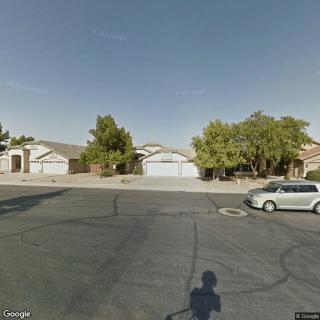
Santo Nino Villas 2
$2,000 to $2,300 / month10.1 miles away -
from -$300 / mo
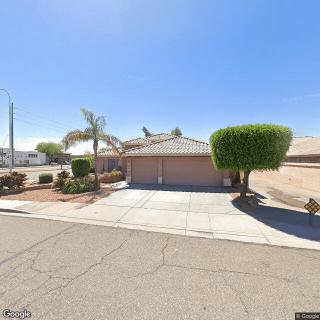
Angel's Adult Group Home
$2,000 to $3,000 / month16.7 miles away -
About the same

Windsor Luxury Assisted Living, LLC
$2,255 to $5,950 / month14.4 miles away
Overall Review of Assisted Senior Living Care
Pros
 The staff cared for their loved one and communication was fantastic, with floors and countertops kept spotless.
- An in-person tour of the Assisted Senior Living Care community was very impressive.
- The facility provides great care for loved ones, making families feel comfortable.
- Communication is very good and the house manager is readily reachable.
- They work well with hospice.
- The owners are phenomenal and the staff has little turnover.
- The facility is highly recommended.
- Room sizes are good, the food is good with a good variety, and the backyard offers walking paths.
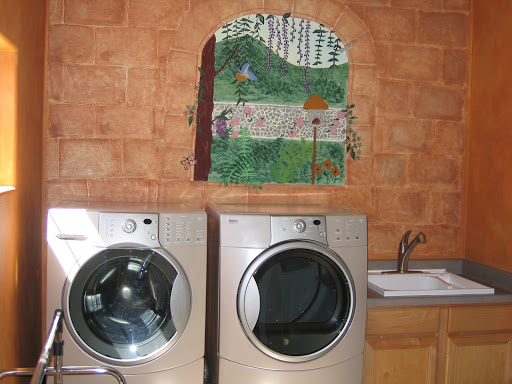
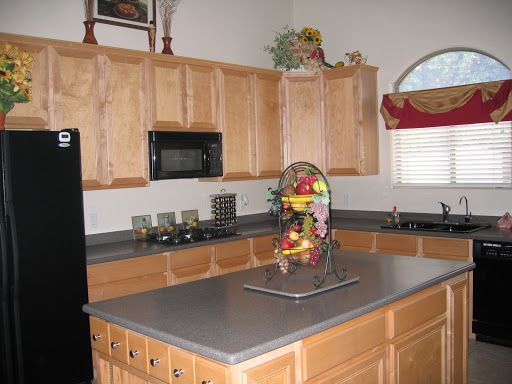
- The home is beautiful, the environment is friendly, and the staff goes above and beyond to keep residents comfortable.
- The care is excellent, the food is homemade, and the home is very clean with a beautiful yard.
Cons
 There was lots of dust in his room and the floors needed mopping, indicating cleaning was inadequate.
- Showers were too infrequent; once a month or two is too long.
- The facility seemed to lack energy, which could affect the atmosphere and engagement.
- It was not recommended.
Review
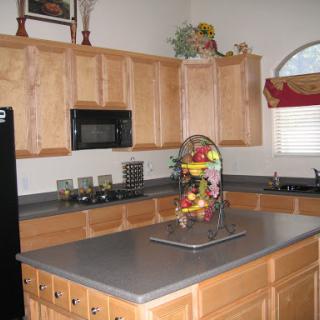
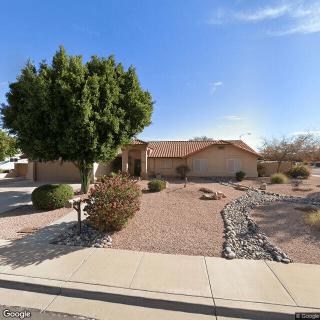
Assisted Senior Living Care in Mesa is best suited for families seeking a warm, home-like environment where care teams are hands-on, communication is reliable, and long-tenured staff create a stable, trustworthy feel. This community works well for residents who value a friendly, socially engaged atmosphere, a well-kept campus, and straightforward access to managers and owners who are clearly invested in each resident’s daily well-being. The setting suits seniors who appreciate home-cooked meals, walking paths, and a yard that supports easy outdoor time, with hospice partnerships that make end-of-life planning and daily comfort more seamless for families and caregivers alike.
Those weighing alternatives should especially consider residents who crave high-energy programming or more structured, year-round activity calendars. A few reviews highlight the need for more energy and engagement for outgoing or very social residents, and one reviewer implies that a quieter or introverted temperament may fit here if activities are appropriately tailored. Equally important for some families is cleanliness cadence: a concern about dust and floors not being mopped frequently, and the notion that showers could occur more often than monthly. For families seeking rigorous housekeeping standards or a consistently high-activity schedule, it would be prudent to compare this community with options that emphasize those elements more prominently.
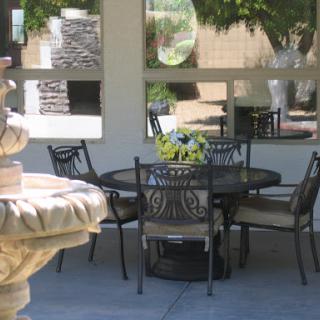
On the strength side, the core advantages are compelling. The communication flow is consistently praised, with families and the Power of Attorney kept well informed about health, mood, and day-to-day status. The owners are described as phenomenal, and the staff features low turnover, which translates into stable relationships and predictable routines for residents. The facility itself projects a welcoming, well-maintained vibe, and amenities such as generous room sizes, varied, home-style meals, and accessible outdoor space add tangible daily value. The operation’s ability to work smoothly with hospice teams further supports families navigating complex care needs, reducing friction at critical moments.
Yet the strongest pros do not erase the legitimate cons noted by reviewers. Cleanliness lapses, dust in rooms and floors that need more frequent attention, stand out as a recurring theme that could impact comfort over time. Activity levels and social energy are not uniform across all days, with some residents needing more engagement than others; for quieter seniors, this can be an opportunity, but for those who depend on structured interactions or frequent programming, it may feel insufficient. A single reviewer labeled the option as not recommended, signaling that for a subset of families, the fit simply isn’t there. These factors, while not universal, are real enough to demand careful verification during visits.
The decisive calculus is that the strong, people-centered care and transparent management substantially offset the downsides for families who prioritize trusted communication, stable staffing, and a homelike setting. The blend of excellent relational care, reliable hospice collaboration, and a welcoming physical environment creates a compelling foundation for peace of mind. The caveats, cleanliness consistency and the level of daily engagement, are not fatal flaws when paired with clear expectations, ongoing oversight, and, crucially, a willingness to tailor activity offerings to the resident’s social style. For many families, this is exactly the kind of dependable, person-first option that makes practical sense.
In closing, the choice hinges on alignment of values and needs. If a family seeks a compassionate, steady environment with strong family communication, expert staff, and a homey atmosphere, this Mesa community deserves serious consideration. Prospective residents should test the fit by probing real-time cleanliness routines, requesting a sample activity calendar, and speaking directly with current residents about daily life. If the resident thrives on high-energy programming, needs rigorous housekeeping, or requires a setting with more consistent, structured engagement, exploring alternatives may be warranted. The right decision respects both the emotional texture of daily life and the practicalities of ongoing care.
 Board and Care Home
 Memory Care
 Dogs allowed
 Activities off-site
 Beautician on-site
 Devotional services off-site
 Indoor common areas
 Outdoor common areas
 Private
 Respite or short term stays offered
 Wheelchair accessible showers
 Phoenix Sky Harbor International (15 miles away)
 Diabetic care
 High acuity care
 Incontinence care
 Medication management
 Kosher
 Visiting chaplain or priest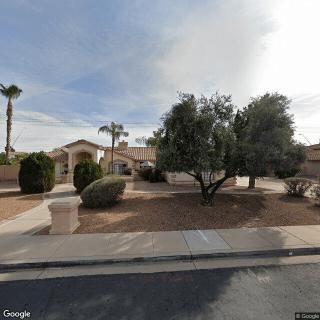


 Choosing the Right Senior Care: A Detailed Exploration of Assisted Living and Nursing Homes
 Safeguarding Your Memory Through the Golden Years: Eight Ways to Preserve Cognitive Health
 Comprehensive Insights into Activities of Daily Living (ADLs) and Their Assessment