
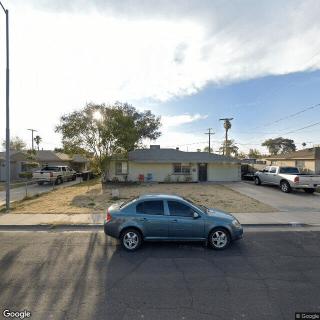
847 East Glade Avenue, Mesa, AZ 85204
For more information about senior living options: (866) 208-4318
Overall Review of A Helping Hand Care Home
Pros
 MaryAnn and Victor provide exceptional service and feel like family to their clients.
- They cared for a grandmother for four years, and she felt at home right away; other patients thrived under their care.
- They are very knowledgeable and experienced.
- They care for a mother for nearly five years and are absolutely amazing—compassionate and patient with all residents.
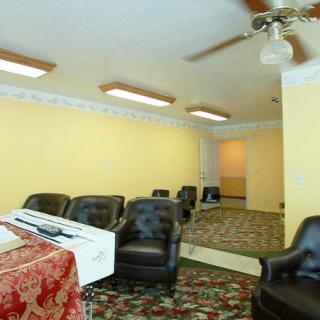
- The home is welcoming, beautifully decorated, and always clean.
- Victor is an amazing chef.
- Families highly recommend MaryAnn and Victor and would give them top ratings.
Review
This community is best suited for seniors who want a warm, intimate setting where care feels like family and every day unfolds in a dependable, home-like rhythm. The residents who fit this model thrive on personal attention, long-tenured relationships with a small caregiving team, and a environment that emphasizes comfort over formality. The core benefit comes from the direct, hands-on care provided by MaryAnn and Victor, who have established deep trust with families and residents alike. For someone who values consistency, quiet routines, and the reassurance of living with caregivers who truly know their preferences, this is the right fit.
Those who may want to consider alternatives are clear: if clinical oversight is non-negotiable, or if memory care with specialized programming is required, a larger facility with on-site nursing staff and specialized teams will likely be a better match. Families seeking robust social calendars, transportation to appointments or activities, or a wide array of on-site services may find a bigger community more aligned with their expectations. In short, any resident with high medical complexity, frequent skilled nursing needs, or a desire for highly structured programming should evaluate options beyond this home setting.
The strongest pros center on relationships and atmosphere. MaryAnn and Victor deliver consistently loving, attentive care that feels personal and durable over years. The caregivers’ deep warmth translates into calmer mornings, steadier routines, and a sense of security for both residents and visiting family members. The home itself reinforces this with a welcoming, well-kept interior that is described as beautiful and clean, contributing to a dignified, comfortable daily life. The kitchen’s offerings, Victor’s culinary skill and home-cooked meals, become a tangible daily benefit, supporting health and mood through good nutrition and familiar flavors. Taken together, these elements create a milieu where residents can thrive emotionally and socially in a low-stress setting.
However, there are meaningful trade-offs to weigh against these strengths. The most obvious is the scale: a small, family-operated home inevitably limits on-site medical staffing, formal memory-care programming, and the breadth of activities or transportation supports found in larger communities. Prospective families should recognize that residents who require continuous clinical monitoring, frequent skilled interventions, or highly structured day plans may encounter gaps that a larger campus would fill. Yet these potential gaps are not unbridgeable barriers when balanced against the care team’s steadiness, the residents’ comfort, and the home’s emotionally supportive environment.
The offsetting factors are powerful. The continuity of care, caregivers who have known residents for years, reduces the upheaval that often accompanies transitions to new settings. The intimate environment lowers agitation and confusion for many seniors, especially those who respond best to familiar faces and predictable routines. Cleanliness and beauty of the home, along with high-quality cooking, contribute to appetite, mood, and overall well-being, which often translates into fewer health fluctuations. In crises or daily challenges, the couple-led approach provides agile, personalized responses that can surpass what larger organizations offer in terms of genuine attentiveness and accountability.
For families weighing the decision, practical steps matter. Location in Mesa offers convenience for local visits, planning more frequent check-ins, and potential coordination with outside healthcare providers who already know the family dynamic. Given the strong emphasis on personal relationships, it makes sense to visit, observe daily interactions, and assess whether the resident’s preferences align with the couple’s caregiving style. Clarify expectations around nursing support, emergency protocols, and the availability of transportation or additional services if medical needs escalate. This is a setting where honesty about care level and future needs pays dividends quickly.
In the end, the community stands out for families prioritizing unconditional, compassionate care delivered by two deeply committed caregivers in a homey, beautifully kept environment. It is an especially compelling option for seniors who value continuity, comfort, and person-centered attention over formal amenities. Those whose loved ones require substantial clinical supervision or highly structured programming should pursue alternatives with greater on-site medical resources. For the right resident, this Mesa home offers not just care, but a sense of belonging that can be the deciding factor in a peaceful, dignified aging experience.
 5 resident community capacity
 Assisted Living
 Cable or satellite TV
 Dining room
 Fully furnished
 Garden
 Housekeeping services
 Move-in coordination
 Outdoor space
 Telephone
 Wi-Fi/high-speed internet available
 Phoenix Sky Harbor International (12 miles away)
 24-hour supervision
 Activities of daily living assistance
 Assistance with bathing
 Assistance with dressing
 Assistance with transfers
 Diabetes diet
 Meal preparation and service
 Medication management
 Special dietary restrictions
 Transportation arrangement (medical)
 Transportation to doctors appointments







 Securing Financial Support for Assisted Living: A Comprehensive Overview
 Social Security Benefits and Assisted Living: Navigating Options Across the U.S.
 An Extensive Exploration of the VA Aid and Attendance Benefit