
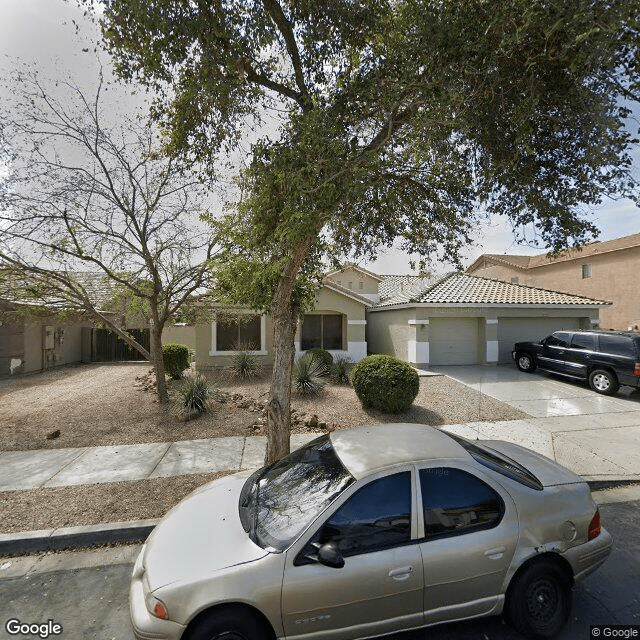
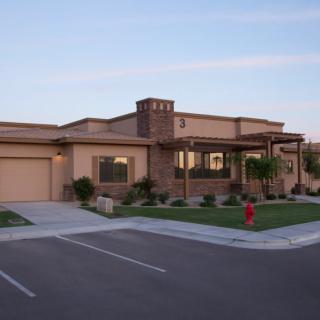
16575 W. Roosevelt St., Goodyear, AZ 85338
To contact a resident: (602) 403-2411
For more information about senior living options: (866) 208-4318
Sims Family Home, Inc. Costs & Pricing
Sims Family Home, Inc. offers competitive pricing for its services compared to both Maricopa County and the broader state of Arizona. For semi-private rooms, the monthly cost at Sims Family Home is $2,000, significantly lower than the county average of $2,801 and the state average of $2,820. Similarly, for private rooms, residents benefit from a monthly rate of $2,200, which again undercuts Maricopa County's average of $3,318 and Arizona's statewide average of $3,345. This pricing structure highlights Sims Family Home's commitment to providing quality care without compromising affordability in an increasingly challenging economic landscape.
| Floor plans | Sims Family Home, Inc. | Maricopa County | Arizona |
|---|---|---|---|
| Semi-Private | $2,000 | $2,801 | $2,820 |
| Private | $2,200 | $3,318 | $3,345 |
Senior living communities with a similar price nearby
-
About the same
Garcia's Assisted Living Home LLC
$2,000 / month22.9 miles away -
About the same
All Stars Assisted Living
$2,000 to $2,500 / month9.1 miles away -
from +$200 / mo
Bent Tree Assisted Living
$2,200 to $3,200 / month21.0 miles away -
from +$300 / mo
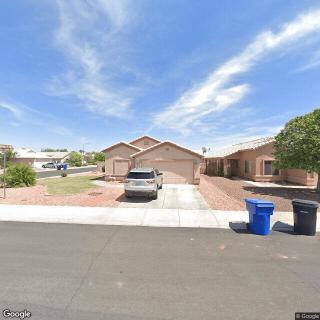
Crystal Rose Assisted Living Home
$2,300 / month13.4 miles away -
from -$100 / mo
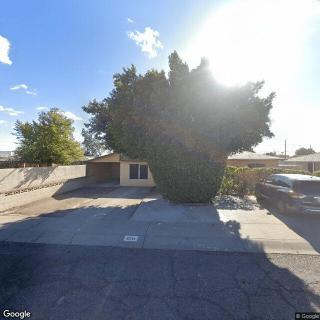
Young Life Assisted Living I
$1,900 to $2,500 / month17.8 miles away
Overall Review of Sims Family Home, Inc.
Cons
 The staff are neglectful.
- The environment is very toxic.
- It is the worst place ever.
- There is only one caregiver for five patients.
- The health inspector says the place should be closed.
- People should not bring their loved ones to this place.
Review
Sims Family Home in Goodyear, AZ is best suited for seniors whose families can provide close, ongoing oversight and for households with limited alternatives in the immediate area. The setting may read as a small, home-like arrangement, but that ambiance does not guarantee safe, attentive care. For residents who require reliable hydration monitoring, timely assistance with routine cares, or consistent medical oversight, this community is not a dependable option. Proximity or price cannot compensate for meaningful concerns about care quality, so the core question becomes whether staff on every shift can deliver dependable, compassionate, and proactive support.
Anyone weighing alternatives should insist on facilities with proven staffing stability, transparent regulator histories, and verifiable daily oversight. If a loved one depends on consistent hydration, quick response to requests, or proactive medical management, this Goodyear option should be crossed off the shortlist. In practice, safer choices are communities with documented compliance records and fewer red flags, even if they are slightly farther away or more expensive. A decision built on current inspection outcomes and consistent resident care beats any perceived neighborhood charm.
From the testimonies available, there are virtually no redeeming positives to balance the downsides. A compact, homey vibe does not translate to reliable care when the core needs include preventing dehydration, ensuring regular meals, and averting neglect. The absence of concrete advantages in the feedback makes it impossible to justify tolerating the most serious risks. In short, any potential benefits are far outweighed by the potential harm to residents.
The primary concerns are stark: reports of dehydration and neglect paired with an uneven caregiver-to-resident ratio, one caregiver for five residents on some shifts. A health inspector’s call for closure signals systemic problems rather than isolated lapses. In such a framework, residents may experience missed meals, delayed assistance, and unsafe conditions. The environment described as toxic compounds these risks, creating a climate where trust between staff and families is unlikely and safety margins are dangerously thin.
Practical due diligence should focus on objective, current data. Request the exact caregiver staffing schedule for each shift, verify licensure and on-site supervision, and review the latest state inspection reports. Ask for direct references from families with current residents, and arrange unannounced visits to observe hydration routines, staff responsiveness, and the overall atmosphere. Demand a written care plan, explicit medication management protocols, and a clear emergency response protocol. When compared to other nearby facilities with stronger staffing fundamentals and positive regulatory track records, the choice in this case should lean toward safer options.
Bottom line: the available feedback indicates this community is not suitable for families seeking reliable daily support and a healthy living environment. If remaining under consideration, proceed with aggressive due diligence and be prepared to relocate at the first signs of care gaps. In Goodyear, stronger alternatives exist, facilities with demonstrated staffing continuity, transparent oversight, and proven success in hydration and timely care. The recommended course prioritizes safety, responsiveness, and consistent supervision above any homelike appeal or convenience.
 Board and Care Home
 Private
 Phoenix Sky Harbor International (24 miles away)
 Diabetic care
 Reliable follow-through, attentive staff, and personalized rooms with engaging activities.


 Compassionate Conversations: How to Comfort Someone Who Is Grieving
 Home Health Care Aides: Understanding Their Role and Supporting Your Family
 Urinary Tract Infections in Older Adults: Comprehensive Insights on Symptoms, Treatment, and Prevention