
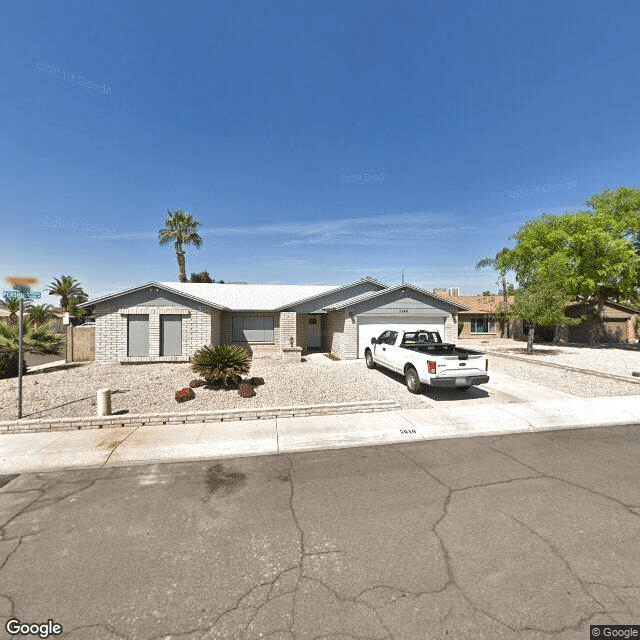
5940 W. Pershing Avenue, Glendale, AZ 85304
To contact a resident: (602) 466-9418
For more information about senior living options: (866) 208-4318
The Harbor Lighthouse Costs & Pricing
The Harbor Lighthouse offers a competitive monthly cost for private rooms at $2,000, significantly lower than the average rates in Maricopa County, which stand at approximately $3,318, and even more so compared to the broader state average of around $3,345. This pricing strategy not only underscores The Harbor Lighthouse's commitment to providing affordable care but also positions it as an attractive option for individuals seeking quality accommodations without the financial burden typically associated with similar facilities in the area. Overall, residents can expect a blend of comfort and value that stands out in both county and state comparisons.
| Floor plans | The Harbor Lighthouse | Maricopa County | Arizona |
|---|---|---|---|
| Private | $2,000 | $3,318 | $3,345 |
Senior living communities with a similar price nearby
-
About the same
Garcia's Assisted Living Home LLC
$2,000 / month16.7 miles away -
About the same
All Stars Assisted Living
$2,000 to $2,500 / month13.1 miles away -
About the same

Genesis Assisted Living Care Home
$2,000 to $2,500 / month16.4 miles away -
from +$200 / mo
Bent Tree Assisted Living
$2,200 to $3,200 / month9.8 miles away -
from +$300 / mo
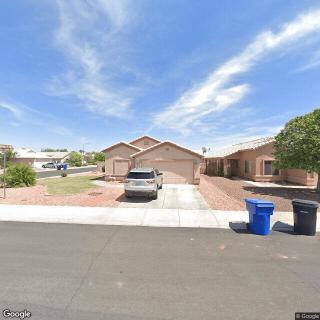
Crystal Rose Assisted Living Home
$2,300 / month10.5 miles away
Overall Review of The Harbor Lighthouse
Pros
 The staff is nice and helpful.
- The community is clean.
- The staff is very friendly.
- The menu is appealing.
- Activities are offered for residents.
- They would recommend that families tour this community for the care of a loved one.
Review
The Harbor Lighthouse in Glendale, AZ is best suited for seniors who want a warm, approachable assisted-living experience where staff interaction is frequent and the environment feels clean and comfortable. It works well for families seeking a low-stress transition, where daily life centers on friendly caregivers, predictable routines, and a community atmosphere rather than a hospital-like vibe. Those who prize a pleasant dining experience and opportunities to stay socially engaged will find this setting aligns with their expectations for regular activity without overwhelming scale.
From the feedback available, the strongest assets are immediately evident in the human side of care. Staff come across as nice, helpful, and sincerely attentive, and the facility earns praise for its cleanliness and overall tidiness. The menu is described as appealing, which matters for meals that anchor daily life and support consistent nutrition. Importantly, residents have access to activities that provide structure, social interaction, and meaningful engagement, contributing to a sense of purpose and belonging within a supportive framework.
These strengths, friendly staffing, a clean environment, appetizing meals, and an active program, together create a reassuring baseline for families concerned about everyday quality of life. When staff are consistently courteous and responsive, residents experience less confusion about routines and more trust in those delivering care. A well-maintained setting reduces risk of illness spread and creates a dignified living space, while engaging activities help stave off loneliness and keep cognition and mobility components in play. In short, the positives firmly pull the experience toward reliability and comfort for typical assisted-living needs.
Nonetheless, it is prudent to probe certain unknowns before making a final decision, because no explicit drawbacks were cited in the reviews. Families should verify the depth of medical oversight, such as on-site nursing availability, medication management, and around-the-clock staffing, as these factors determine how well the community can accommodate evolving care needs or temporary health setbacks. Transportation options for appointments or outings, sleep routines, and how care plans are updated also deserve careful scrutiny. Additionally, confirmation of pricing structure, contract terms, and what is included versus billed separately can prevent sticker shock or unexpected changes down the line.
For loved ones requiring more specialized care, memory-care-focused environments, or higher-acuity services, alternatives may be worth exploring. Larger campuses with dedicated memory-care wings or on-site rehabilitation services can offer a different level of medical intensity and programming. If a family suspects that long-term medical needs could outgrow what a smaller, activity-rich assisted-living setting can sustain, it is wise to compare with communities that provide those services on-site, with transparent staffing models and clearly defined escalation pathways.
To translate these observations into a confident decision, approach a formal visit with a practical checklist. Request a longer tour to observe meal times, activity participation, and resident-staff interactions across shifts. Ask for current staffing ratios, how often assessments are updated, and who delivers medication management. Sample a meal to judge portion size, taste, and dietary accommodations, and review the monthly costs, what’s included in the base rate, and any ancillary charges. Seek candid resident and family references, and request a trial stay or a direct conversation with a current resident about everyday life. With these steps, Harbor Lighthouse stands as a solid option for families prioritizing warmth, cleanliness, and an engaging daily rhythm, while clearly delineating when alternatives may better fit more intensive care needs or different cost structures.
 Board and Care Home
 Cats allowed
 Dogs allowed
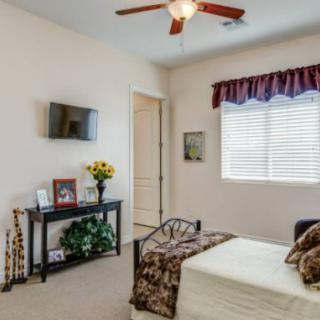
 Private
 Respite or short term stays offered
 Phoenix Sky Harbor International (16 miles away)


 Nurturing Our Loved Ones: A Daughter's Journey in Caring for Her Mother
 Nurturing Our Elders: Linda's Journey of Supporting Her Mother
 A Comprehensive Exploration of Common Misunderstandings about Powers of Attorney