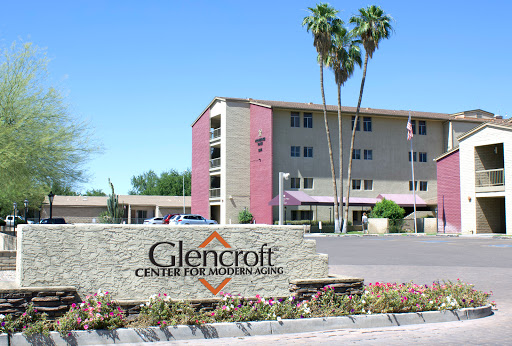
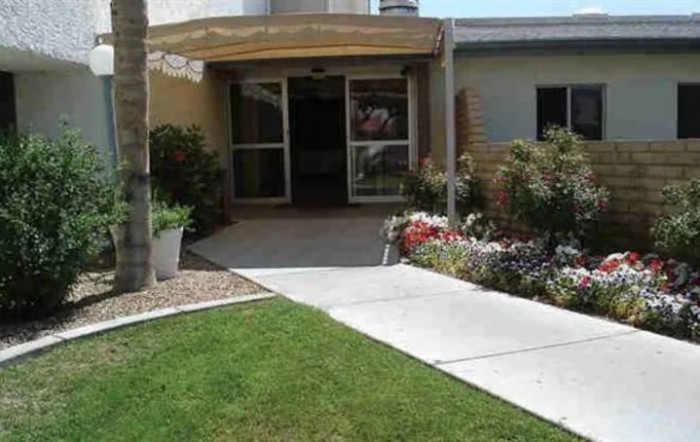



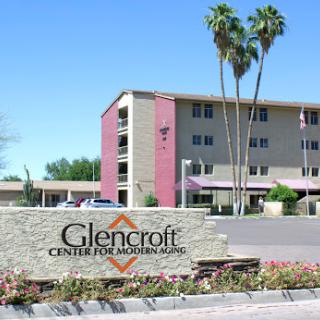
8641 North 67th Avenue, Lakeside, AZ 85302
For more information about senior living options: (866) 208-4318
Overall Review of Providence Place at Glencroft
Pros
 The mom loved everyone at the facility.
- The therapists and nurses were caring and professional.
- Nicole was kind, understanding, and patient in explaining the process.
- Lisa the nurse was awesome and looked out for patients’ well-being.
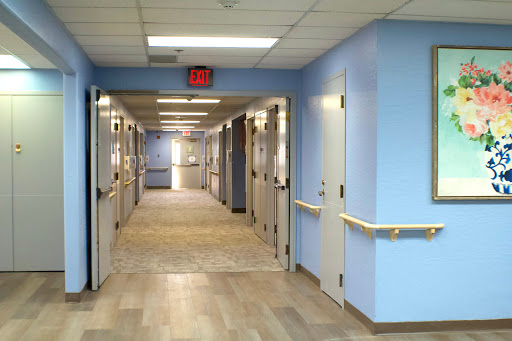
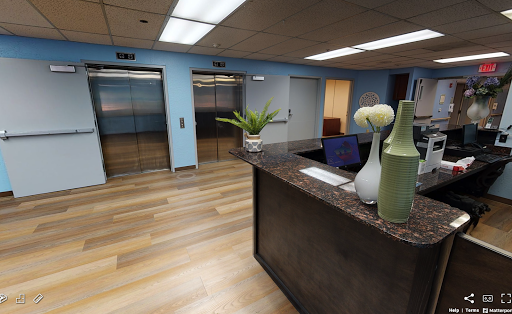
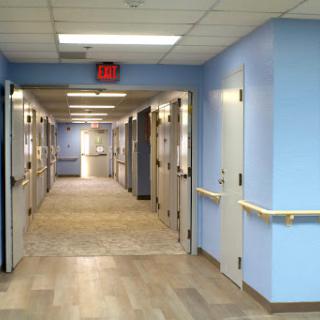
- The facility was clean.
- The staff and residents were wonderful, and the care was beyond professional.
- The CNAs and nurses provided outstanding care.
- Housekeeping, laundry, dining, maintenance, and activities went the extra mile to create a warm, happy home.
Cons
 The facility was described as a very toxic place to work, with management, and there was verbal and physical abuse toward co-workers.
- The employees beat the residents here.
- The care for Alzheimer's patients was incompetent, leading to bed sores after only five days.
- The center failed to call or properly inform the family after admission and did not return calls.
- The staff were uncaring and provided wrong medications, especially during COVID.
- The center lost a resident’s laundry, forcing them to wear a gown home.
- The center discouraged visitors and was described as unacceptable for not allowing contact or visits.
Review
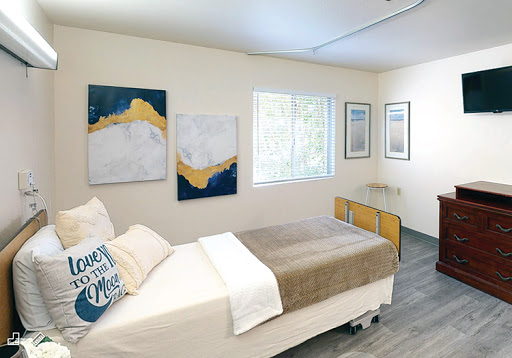
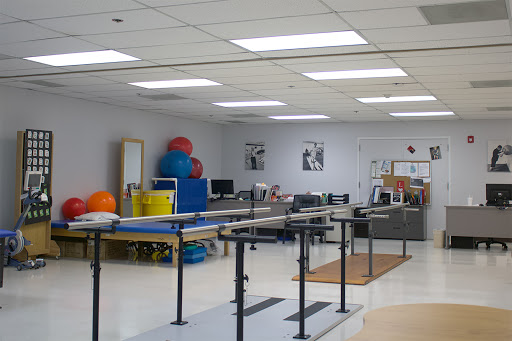
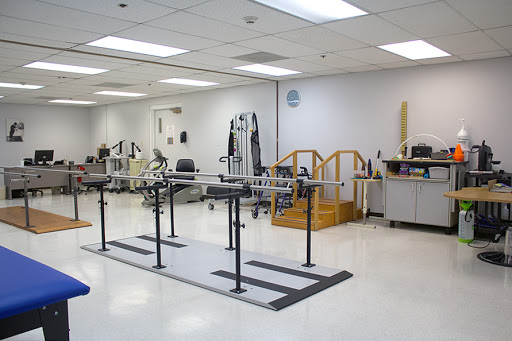
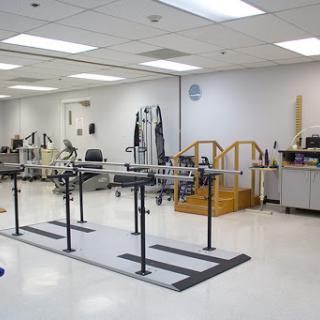
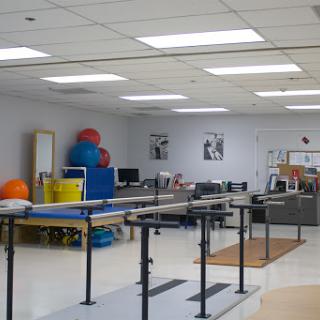
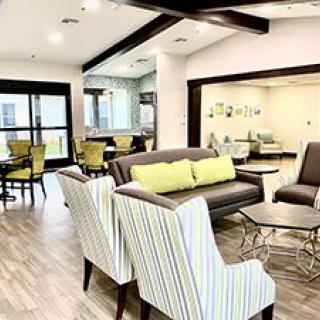
Providence Place at Glencroft in Lakeside is best suited for families seeking a warm, home-like environment with a clear rehabilitation focus and a manageable sense of community. The strongest fit is for residents who will benefit from on-site physical and occupational therapy, where rehab staff, nurses, and a dedicated case manager can provide continuity through a transition into long-term care on the Glencroft campus. Those who thrive in a setting that feels like a close-knit family, with attentive dining and housekeeping teams that notice daily details, may find real comfort here. It works best for seniors who can tolerate some variability in staffing and the schedule, as long as there is someone on hand to advocate for timely care and clear communication.
Pros are concentrated around the caregiving staff and the daily lived experience. Therapists and nurses frequently receive praise for professionalism and genuine concern for residents’ well-being, and a dedicated case worker is noted for guiding families through processes with patience. The CNAs and other frontline staff are described as going the extra mile, with housekeeping, laundry, dining, and activities departments consistently supporting residents so life on campus feels orderly and dignified. Cleanliness and a strong sense of routine reinforce a feeling of safety, while dining is repeatedly highlighted as a standout, meals carry a restaurant-quality rhythm that helps residents feel nourished and socially engaged. The overall atmosphere for many residents is one of belonging, where staff members become familiar faces and trusted allies.
Yet the negative threads are hard to ignore. Multiple accounts describe a toxic management culture that affects morale and the consistency of care. Serious safety concerns appear in some reviews, including cases of bedsores after short respite stays, gaps in communication about a relative’s status, and, in the starkest terms, a death with questions about how information was shared. Other negative signals include medication mix-ups and lost laundry, with families noting that timely updates and responsiveness can vary. The most cautionary notes warn against relying on this center for Alzheimer’s or other memory-care needs that require around-the-clock, highly specialized supervision. Taken together, these reports paint a portrait of risks that can undermine otherwise high-caliber clinical care.
How the positives stack up against the negatives comes down to a practical, risk-aware calculus. For families who can stay actively involved and demand rigorous oversight, requesting regular care conferences, real-time updates, and a clear trouble-escalation path, the resident-centered strengths can carry substantial weight. The rehab-oriented care and staff attentiveness can deliver meaningful gains in function and mood, and the restaurant-quality meals alongside a clean, well-maintained environment contribute to daily life that feels respectful and engaging. However, those gains are fragile if management culture remains tense or if staffing gaps translate into delayed responses or safety lapses. In short, benefits are real but contingent on consistent oversight and a proactive care plan.
Those weighing alternatives should pay close attention to memory-care capabilities and incident transparency. If around-the-clock supervision for dementia-related needs is non-negotiable, exploration of other facilities with proven memory-care track records and robust reporting may be prudent. Prospective families should compare staffing stability, management responsiveness, and documented efforts to prevent bedsores, medication errors, and communication lapses. A thorough, in-person tour that includes conversations with current residents and families, plus a review of incident histories and the facility’s improvement plans, will reveal whether Providence Place can be trusted to deliver durable, compassionate care or whether a more consistently supported option is a wiser investment.
Bottom line: Providence Place at Glencroft offers a compelling blend of rehab-focused care, personal attention, and strong dining and housekeeping, all within a warm community vibe. It is best suited for families who can commit to vigilant oversight and who do not require constant, perfectly reliable memory-support or flawless communication. For those needing unwavering staffing consistency, superior safety records, and fully transparent operations, it is wise to compare alternatives more aggressively. A disciplined, candid evaluation, centered on current staff stability, incident history, and the facility’s concrete plans to address shortcomings, will determine whether Providence Place becomes a trusted home or a signal to continue the search.
 225 resident community capacity
 Assisted Living
 Independent Living
 Memory Care
 Air-conditioning
 Beauty salon
 Cable or satellite TV
 Computer center
 Dining room
 Fitness room
 Fully furnished
 Gaming room
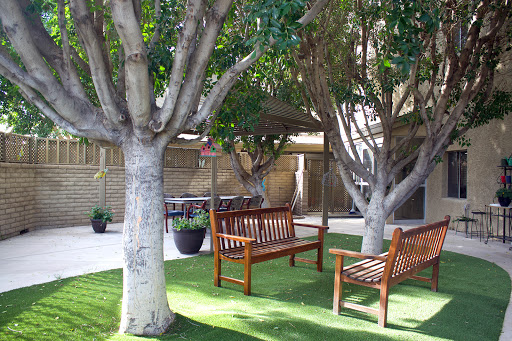
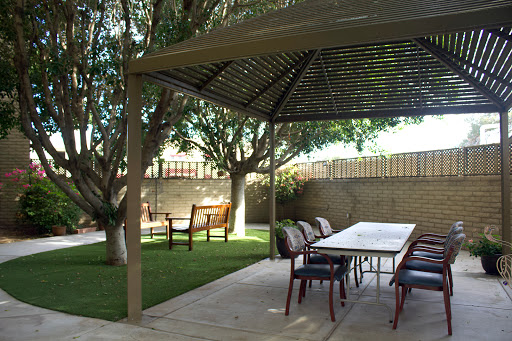
 Garden
 Housekeeping services
 Kitchenette
 Move-in coordination
 Outdoor space
 Private bathrooms
 Restaurant-style dining
 Small library
 Telephone
 Wellness center
 Wi-Fi/high-speed internet available
 Phoenix Sky Harbor International (14 miles away)
 Community operated transportation
 24-hour call system
 Activities of daily living assistance
 Assistance with bathing
 Assistance with dressing
 Assistance with transfers
 Diabetes diet
 Medication management
 Mental wellness program
 Special dietary restrictions
 Concierge services
 Planned day trips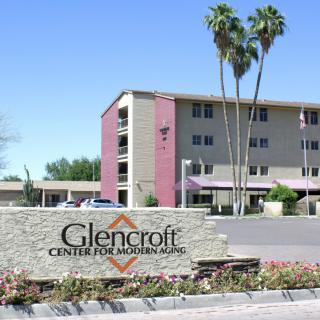






 Dementia-Related Hallucinations: Causes, Experiences, and Practical Approaches
 Illuminating Insights About Alzheimer's Disease: Ten Crucial Realities
 A Thorough Discussion of Medications Potentially Linked to Dementia Risk