
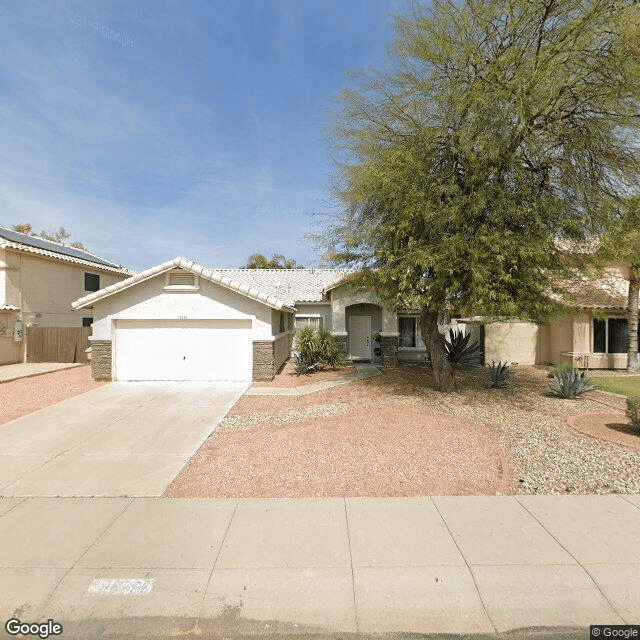
19535 N. 55th Drive, Glendale, AZ 85308
To contact a resident: (623) 376-6469
For more information about senior living options: (866) 208-4318
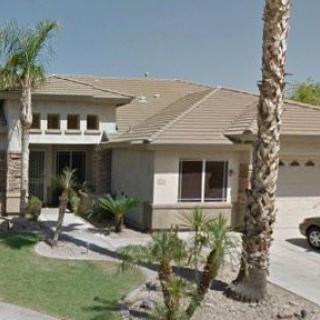
Lakeshore Crest Assisted Living Home Costs & Pricing
Lakeshore Crest Assisted Living Home offers a compelling value for residents, with its private room priced at $2,000 per month. This rate is significantly lower than the average costs observed in Maricopa County, which stands at approximately $3,318, and even more affordable compared to the state average of $3,345 in Arizona. This pricing structure not only highlights Lakeshore Crest's commitment to providing accessible care but also positions it as an attractive option for families seeking quality assisted living services within a competitive market. The cost advantage enables greater flexibility for residents and their families while ensuring they receive the necessary support in a comfortable environment.
| Floor plans | Lakeshore Crest Assisted Living Home | Maricopa County | Arizona |
|---|---|---|---|
| Private | $2,000 | $3,318 | $3,345 |
Senior living communities with a similar price nearby
-
About the same
Garcia's Assisted Living Home LLC
$2,000 / month19.8 miles away -
About the same
All Stars Assisted Living
$2,000 to $2,500 / month14.6 miles away -
About the same

Genesis Assisted Living Care Home
$2,000 to $2,500 / month13.9 miles away -
from +$200 / mo
Bent Tree Assisted Living
$2,200 to $3,200 / month7.0 miles away -
from +$300 / mo
Crystal Rose Assisted Living Home
$2,300 / month10.8 miles away
Overall Review of Lakeshore Crest Assisted Living Home
Pros
 She is now very happy in the new home.
Cons
 They keep your love one in their rooms.
- They're like prisoners in their rooms.
- They don't let them socialize.
- They only dress them in t-shirts and diapers.
- There aren't any activities.
- Food isn't all that great.
- Only one person is there to take care of them not two.
- Not very clean.
- Dark and dinging inside.
- Not thanks.
Review
Lakeshore Crest Assisted Living Home in Glendale, Arizona is best suited for residents who prize privacy and quiet over robust social programming. The experiential portrait from those living there centers on confinement to individual rooms, with little opportunity to mingle or participate in structured activities. Staffing appears lean, and care delivery seems focused on basic routines rather than proactive engagement. In practical terms, the setting can feel predictable and stable for someone who can tolerate limited interaction and does not depend on frequent assistance for mobility, meals, or social contact. For a resident who thrives on companionship, varied programming, and a lively daily rhythm, Lakeshore Crest will likely fall short.
Potential residents and their families should consider alternatives if essential criteria include clean surroundings, social opportunities, and consistently available staff. The same accounts describe a dark, dingy interior and a level of cleanliness that leaves questions about hygiene and upkeep. Critics also point to a lack of activities and a dining experience that does not meet expectations, which signals a mismatch for anyone who values nourishment as part of daily well-being. A key takeaway is that Lakeshore Crest may struggle to deliver on the experiential elements that often drive satisfaction in assisted living. If these elements matter, outreach, companionship, regular programming, and a healthier, more inviting environment, other Glendale facilities deserve serious consideration.
Pros, if any, are limited and do not substantively offset the principal drawbacks. The most tangible potential upside is privacy: residents can have defined space away from shared areas. However, this benefit is overshadowed by social isolation, limited activities, and the impression that care is reactive rather than proactive. In settings where dignity hinges on feeling connected and supported, the lack of opportunities to engage becomes the decisive factor. The apparent emphasis on containment rather than cultivation makes the setting feel more like a basement apartment than a community designed to nourish well-being. The arithmetic of privacy versus engagement clearly tilts against Lakeshore Crest for most families.
Staffing levels emerge as the core operational risk. With only one caregiver reported to be on duty at a time, response times to requests for assistance, toileting help, or mobility support are likely slow. That dynamic raises safety concerns, particularly for residents with needs that fluctuate throughout the day or who require timely medication administration. The absence of a second caregiver suggests limits on supervision during meals, activities, or emergencies. In short, the practical experience skews toward a lean, bare-bones care model rather than a reliably responsive team. For families prioritizing continuity of support and quick, attentive service, this is a decisive negative.
Environmental quality and nourishment compound the concerns. Descriptions of the interior as not clean, dark, and dingy create a discouraging atmosphere that can sap mood and energy. A facility's ambiance matters just as much as its care plan because residents respond to light, warmth, and cleanliness in ways that affect appetite and cooperation with staff. The food being described as underwhelming further erodes day-to-day satisfaction and can influence weight, activity levels, and overall health. When atmosphere and cuisine fail to meet basic expectations, the risk of decline in motivation and engagement rises. In Lakeshore Crest, these conditions make a positive aging experience unlikely without significant, last-minute improvements.
Bottom line: Lakeshore Crest is not a fit for most families seeking active engagement, strong cleanliness standards, and a robust staffing model. It may be considered only in scenarios where privacy, low-stimulation, and cost sensitivity trump everything else, and where an alternative is simply unavailable. Prospective buyers should demand a transparent staffing breakdown, concrete programming schedules, and a tour that confirms cleanliness and safety standards before committing. Ask hard questions about how many aides are available per shift, how emergencies are handled, and what the daily activity slate looks like. If the aim is a warm, engaging community that preserves dignity through social connection and reliable care, pursue other Glendale options with a track record of consistent service.
 Board and Care Home
 Private
 Phoenix Sky Harbor International (19 miles away)
 Diabetic care


 Ten Vital Duties of a Senior Caregiver: A Comprehensive Guide
 9 Stimulating Memory Activities for Seniors: Puzzles, Cards, and Much More
 Managing Nursing Home Expenses After Medicare Coverage Ends