
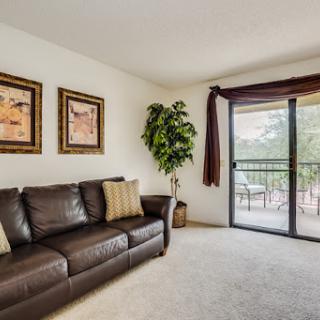

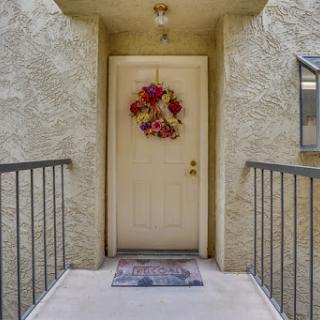
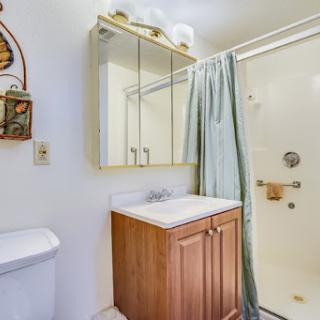


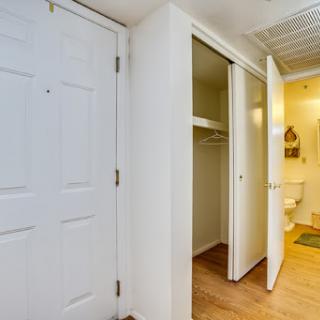
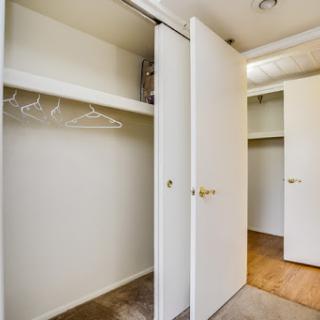
12202 N. 47th Ave., Glendale, AZ 85304
To contact a resident: (602) 368-6829
For more information about senior living options: (866) 208-4318
D & M Assisted Living Costs & Pricing
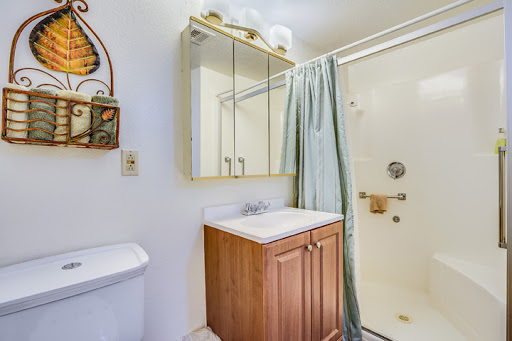
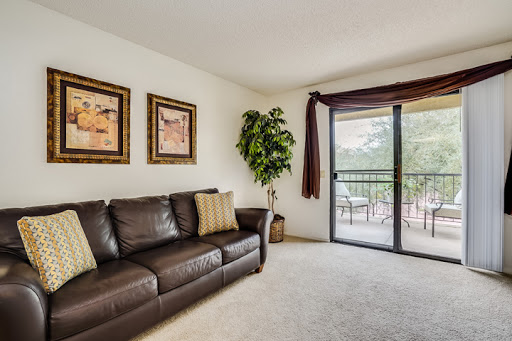
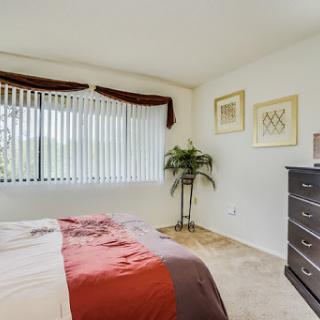
D & M Assisted Living offers a compelling option for individuals seeking private accommodations, pricing their private rooms at $2,000 per month. This rate is significantly lower than the averages observed in Maricopa County and across the state of Arizona, which stand at approximately $3,318 and $3,345 respectively. By positioning itself well below these benchmarks, D & M Assisted Living not only provides a more affordable choice but also reflects their commitment to accessible care without compromising on quality. This makes it an attractive alternative for families and individuals looking for supportive living arrangements that align with budgetary considerations while still ensuring a nurturing environment.
| Floor plans | D & M Assisted Living | Maricopa County | Arizona |
|---|---|---|---|
| Private | $2,000 | $3,318 | $3,345 |
Senior living communities with a similar price nearby
-
About the same

Home Instead - Fountain Hills, AZ
$1,945 to $3,525 / month24.8 miles away -
About the same
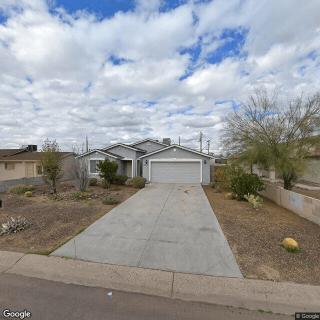
Garcia's Assisted Living Home LLC
$2,000 / month15.3 miles away -
About the same
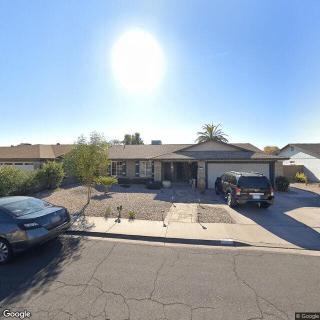
Martha Bonilla Care Loving Home
$2,000 to $2,200 / month23.8 miles away -
About the same
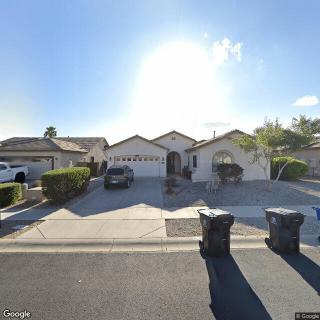
All Stars Assisted Living
$2,000 to $2,500 / month14.6 miles away -
About the same
Genesis Assisted Living Care Home
$2,000 to $2,500 / month15.6 miles away
Overall Review of D & M Assisted Living
Pros
 They are happy with the care their father receives at D & M Assisted Living Home.
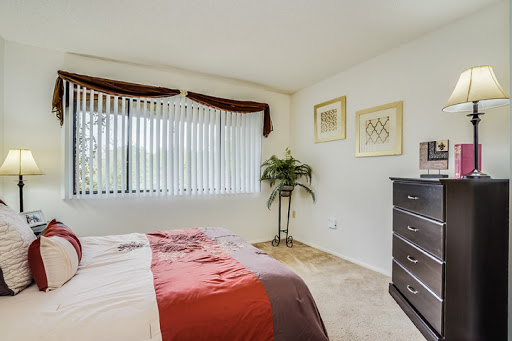
- The home has just five residents, and he has his own private room with staff who accommodate his needs.
- Hospice visits once a week to perform wellness checks.
- They feel reassured that their father, who is not mobile, is well cared for.
- The staff ensure his diet is met and his personal care is addressed.
- D & M Assisted Living Home has worked well for their father.
Review
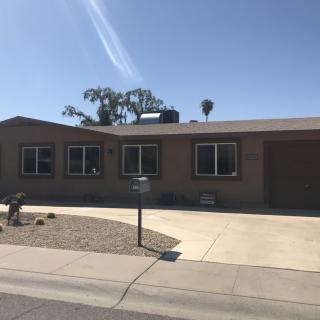
D & M Assisted Living in Glendale, AZ is best suited for families seeking a small, home-like environment where an elder who requires steady daily care, privacy, and highly individualized attention can thrive. The available evidence points to a five-resident community with a private room for the resident, and staff who can accommodate specific needs. Weekly wellness checks from hospice help assure a non-ambulatory resident remains monitored and supported. This setup works best when the priority is dignity, consistent personal care, and dietary adherence delivered in a calm, intimate setting.
For families weighing alternatives, a few realities emerge. If the goal is a larger campus with broader activity programming or more extensive on-site medical resources, this small home may feel limiting. Those who require around-the-clock nursing, constant access to specialized therapies, or a more structured continuum of care may prefer facilities with greater medical capacity, richer social calendars, or memory-care-focused programming. Additionally, uncertainty about costs and long-term care contracts can push some to compare options that offer clearer pricing tiers and broader amenities.
The strongest pros here center on personalized attention and practical daily benefits. With only five residents, staff can tailor routines to the exact preferences and needs of the resident, and care plans can be adjusted quickly as conditions change. A private room preserves dignity and provides a predictable, quiet space for rest, which is particularly valuable for a non-mobile elder. Diet adherence and meticulous personal care are tangible advantages that families value when evaluating quality of life. The inclusion of hospice wellness checks adds a meaningful layer of comfort, signaling attentive oversight without implying institutional rigidity.
Yet, even with these strengths, the downsides of a tiny operation surface in decision discussions. Limited staffing capacity can become a constraint if a crisis arises or if medical needs escalate unexpectedly. A five-resident model inherently has fewer on-site specialists and recreational options than larger communities, potentially narrowing the scope of daily activities and social opportunities. Prospective families should confirm how the facility handles transportation, medication management, and acute changes in condition, as well as what happens after hours. These gaps are not fatal, but they are important to weigh against the current benefits.
To make an informed choice, focus on concrete, visit-driven criteria. Inquire about the staff-to-resident ratio across all shifts, the availability of an on-call nurse, and the presence of any visiting physicians or therapists. Review the daily schedule to gauge how activities, meals, and rest periods are coordinated, and confirm how dietary needs are managed when preferences shift or supply constraints arise. Ask to see a sample care plan and to meet the caregivers who would be directly responsible for the elderā€™s routine. Finally, request a candid discussion about costs, what is included, and what could trigger add-on charges, then compare with nearby options that offer more expansive services or larger communities.
Overall, D & M Assisted Living presents a compelling option for families prioritizing a highly personal level of care, a private living space, and a calm, small-community atmosphere. It is especially well-suited for elders who are not mobile but require attentive daily support and strict adherence to dietary and personal-care routines. Those who want more social programming, greater medical oversight, or a broader array of services should consider alternatives that offer a larger staff and a wider menu of onsite resources. A strategic next step is a guided visit to observe daily operations, meet the caregiving team, and compare with similar Glendale options to confirm whether this intimate setting aligns with long-term care goals.
 Board and Care Home
 Private
 Respite or short term stays offered
 Phoenix Sky Harbor International (14 miles away)
 Ambulatory care
 Diabetic care
 Incontinence care

 Comprehensive Look at Senior Blood Pressure Charts: Normal and Elevated Levels by Age
 Top Canine Companions for Older Adults
 Comprehensive Guide to Blood Pressure Charts for Older Adults: Understanding Normal and High Readings by Age