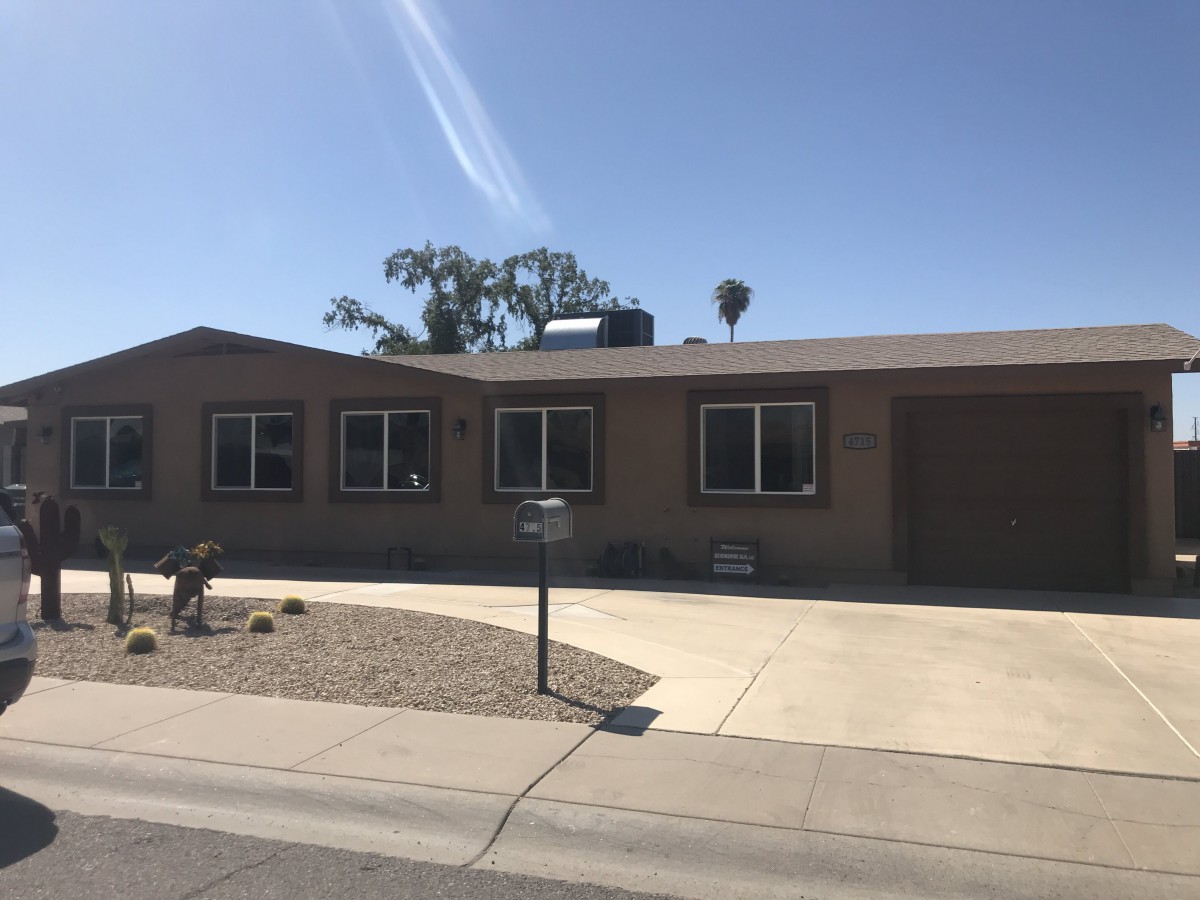
4715 W Laurel Lane, Glendale, AZ 85304
To contact a resident: (602) 595-9822
For more information about senior living options: (866) 208-4318
Devonshire Assisted Living Home, LLC. Costs & Pricing
Devonshire Assisted Living Home, LLC. offers competitive pricing for its services when compared to the broader market in Maricopa County and the state of Arizona. For a semi-private room, residents can expect to pay $3,000 per month, which is slightly higher than the county average of $2,801 and state average of $2,820. In contrast, the cost for a private room at Devonshire is set at $4,000 monthly; this also exceeds both the county's average of $3,318 and Arizona's statewide average of $3,345. These rates reflect the quality of care and amenities provided by Devonshire, aiming to deliver a supportive and enriching environment for its residents amid regional pricing standards.
| Floor plans | Devonshire Assisted Living Home, LLC. | Maricopa County | Arizona |
|---|---|---|---|
| Semi-Private | $3,000 | $2,801 | $2,820 |
| Private | $4,000 | $3,318 | $3,345 |
Senior living communities with a similar price nearby
-
from -$200 / mo

Pinnacle Peak Assisted Living
$2,800 to $3,100 / month16.1 miles away -
from +$500 / mo
A Paradise for Parents Campbell Avenue
$3,500 to $4,500 / month14.4 miles away -
from -$375 / mo

The Eldercare Home Of Tempe
$2,625 to $3,412 / month21.1 miles away -
About the same
Endeavor AL I
$2,950 to $4,200 / month11.3 miles away -
from +$500 / mo

Endeavor AL II
$3,500 to $4,000 / month11.8 miles away
Overall Review of Devonshire Assisted Living Home, LLC.
Pros
 They were wonderful people who took care of his mom during her last days.
- Kiki is very knowledgeable and truly cares for all the residents at the home.
- She helps families navigate in-home health services and coordinates visits.
- She is always available when needed, and she and her staff take great care of residents.
- The family would highly recommend Devonshire Assisted Living; they were kind, patient, and treated him with respect.
- The staff treats residents with respect, dignity, and love.
- The facility is clean, well maintained, and offers a warm, positive atmosphere.
- Kiki is a "Mama Bear" who takes excellent care of her residents.
Cons
 The owner failed in every aspect of providing care to the dad.
- There was no licensed staff onsite; only caregivers with minimal training.
- Caregivers pass medications to residents; no licensed professionals were involved.
- No kitchen staff; meals were prepared by caregivers who failed to wear gloves.
- Devonshire has been fined by the state.
- The owner yelled at residents and family members, cussing and hanging up on the phone.
- Call bells were removed and bedbound residents were left unattended for hours.
- They gave false hope that a loved one was getting better.
Review
Devonshire Assisted Living Home in Glendale is best suited for families seeking a small, intimate, home-like setting where daily oversight is personal and highly relational. This community tends to work best for residents who benefit from a warm, family atmosphere, frequent updates to loved ones, and hands-on attention from a close-knit team led by a dedicated operator. It suits individuals with mild to moderate care needs who don’t require round-the-clock licensed nursing on site, and who value individualized meal planning, consistent daily routines, and a quiet, contained environment over institutional scale. For transitions, from rehab to a permanent home, or for end-of-life care where comfort and dignity are paramount, the setting can feel reassuring and manageable. In short, Devonshire shines for families prioritizing connection, tailored care, and a tightly run, "one-family" feel.
Certain realities make alternatives worth considering. Families with residents who require licensed nursing on site, constant clinical oversight, or robust regulatory assurances may want to look elsewhere. The reviews raise red flags for anyone who expects licensed professionals to administer medications on site, a larger staff roster to cover shifts, or formal kitchen staffing with documented menus. Allegations about deceptive practices, fines from the state, and concerns about accountability would prompt a closer look at governance and compliance. For those who cannot accept the possibility of reduced accessibility to a nurse, or who fear possible gaps in safety systems such as call bell availability or patient mobility support, other options may deliver greater peace of mind.
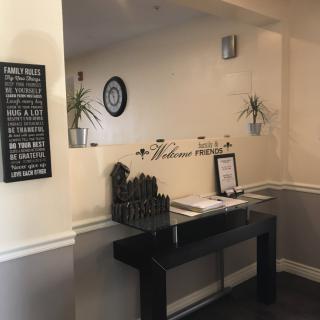
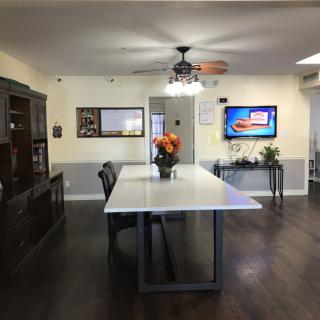
The strongest positives here come from the human touch: a small team that feels like a family, a proprietor who is deeply involved, and a setting that residents and families describe as clean, modern, and loving. Families consistently highlight Kiki and the caregiving staff as compassionate, patient, and extraordinarily responsive, often coordinating health services, staying in close contact, and providing regular updates with photos. The two adjacent homes create a compact, navigable campus where staff can know residents well and respond quickly to changing needs. Cleanliness, nutrition tailored to individual conditions, and an atmosphere described as warm and supportive all contribute significantly to day-to-day quality of life. These advantages can offset some operational limits by fostering trust, reducing anxiety, and making daily routines predictable and humane.
However, the downsides are meaningful and cumulative. The lack of on-site licensed staff, with medications reportedly passed by caregivers, marks a core difference from facilities that embed licensed nursing into daily operations. The absence of kitchen staff and the suggestion that meals are prepared without formal dietary oversight or gloves introduces safety and quality questions for long-term nourishment. Instances cited of a high staff-to-resident ratio in practice, combined with reports of a few concerning behaviors by leadership and financial management issues, create real hesitations for families prioritizing regulatory reassurance and formal safeguarding. Call-bell accessibility, timely response to bedbound residents, and conflict between ownership and case management are additional friction points that families must weigh against the warmth and attention described.
For families actively evaluating Devonshire, concrete, practical verifications are essential before making a decision. Request current licensure status and recent inspection summaries, and ask specifically who administers medications and whether a licensed nurse visits regularly. Seek a transparent staffing plan that outlines ratios by shift, plus a demonstration of how emergencies are handled at night. Tour the facilities with a focus on safety, cleanliness, and the kitchen process, including whether staff wear gloves during meal preparation. Inquire about the menu system, dietary customization, and how nutrition is monitored for conditions like diabetes or renal concerns. Finally, interview current residents and families about their day-to-day experiences, and request references that reflect similar care needs and transitions.
Overall, Devonshire represents a compelling choice for families prioritizing a nurturing, family-style environment with tight-knit oversight, frequent family communication, and a high degree of daily personalization. It excels where warmth, attentiveness, and consistent updates matter most, especially for transitions or comfort-focused elder care in a small setting. Yet for those who require licensed medical staff on site, formal, auditable governance, and rigorous safety Protocols, there are legitimate reasons to consider alternatives. The decision should hinge on the resident’s care needs, tolerance for governance questions, and the strength of the family’s willingness to engage actively with a smaller operation that promises care with heart but operates with looser clinical scaffolding. In the right match, Devonshire can be an exceptional, life-affirming home; in the wrong fit, the gaps could prove consequential.
 Board and Care Home
 Activities off-site
 Air-conditioning
 Bath tubs
 Beautician on-site
 Cable or satellite TV
 Devotional services off-site
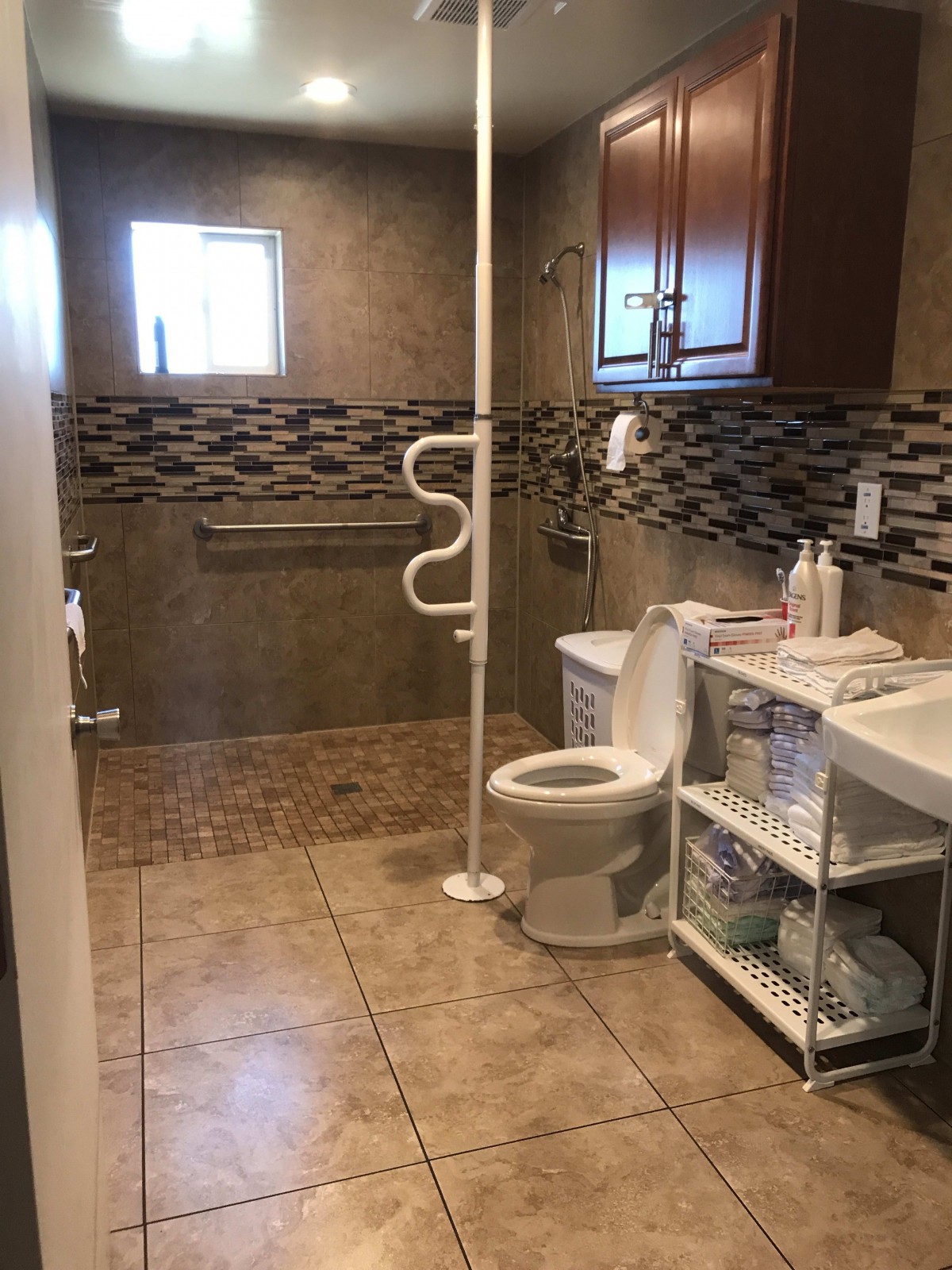
 Handicap accessible
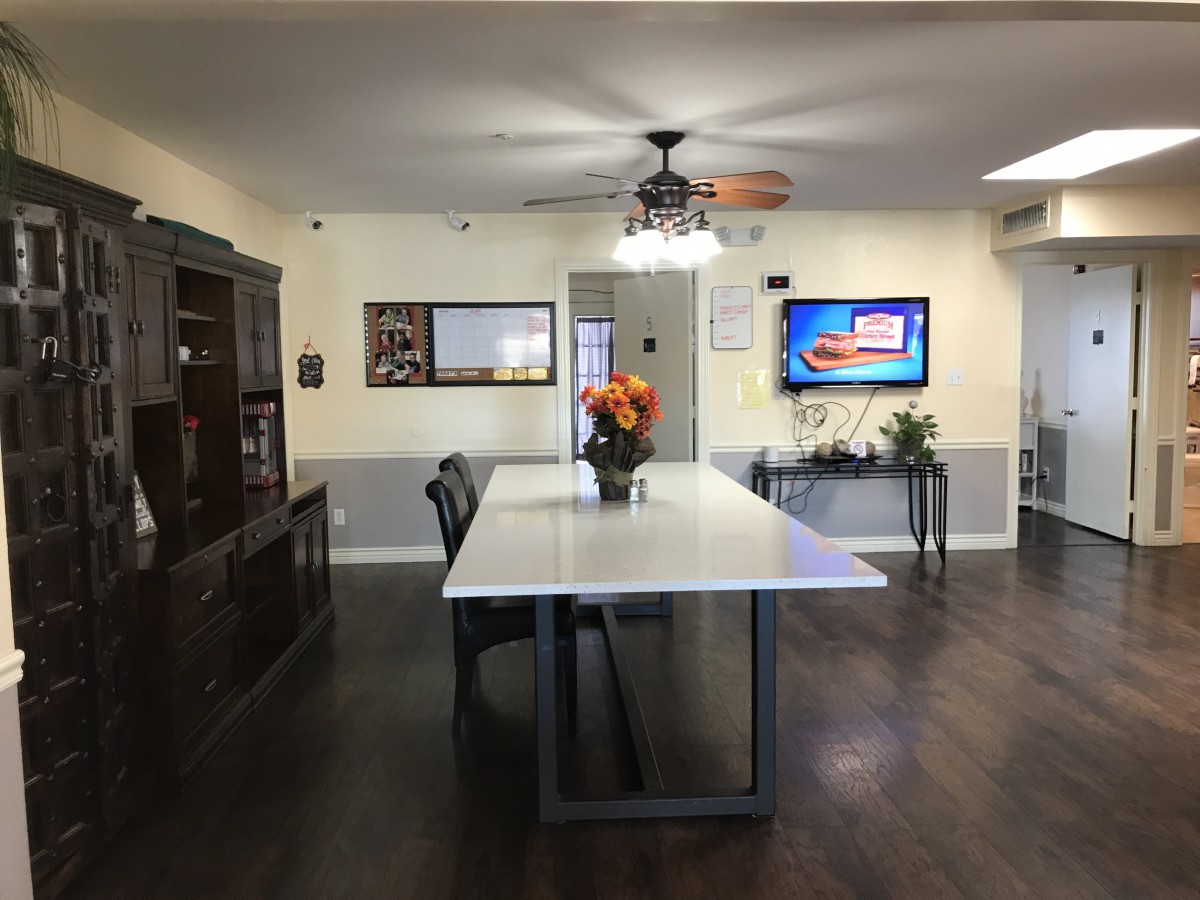
 Indoor common areas
 Outdoor common areas
 Private
 Private bathrooms
 Respite or short term stays offered
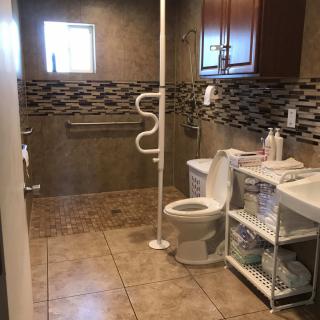
 Wheelchair accessible showers
 Wi-Fi/high-speed internet available
 Phoenix Sky Harbor International (14 miles away)
 Diabetic care
 High acuity care
 Incontinence care
 Medication management
 Anytime dining
 Art classes
 Catholic services
 Day trips and outings
 Educational speakers / life long learning
 Jewish services

 A Closer Look at Private Pay Home Care
 Comprehensive Approaches for Arthritis: A Detailed Guide to Symptoms, Causes, and Care
 Comprehensive Insights and Practical Strategies to Help Older Adults Avoid Falls