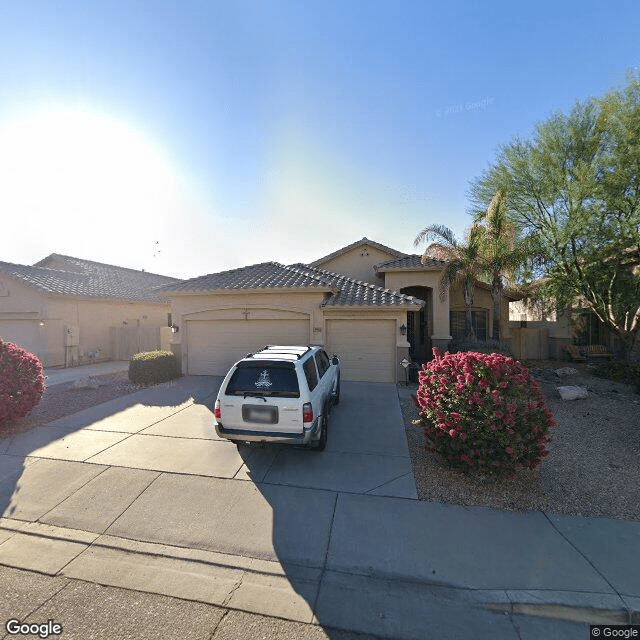
Arrowhead Heartstone

Save
Arrowhead Heartstone

Arrowhead Heartstone

5961 W. Sack Dr., Glendale, AZ 85308

For more information about senior living options: (844) 490-3973

3.6 from 29 reviews
5 stars
18
4 stars
1
3 stars
0
2 stars
1
1 stars
9

Board and Care Home

Arrowhead Heartstone Costs & Pricing

Arrowhead Heartstone offers competitive pricing for its room types compared to the broader market in Maricopa County and the state of Arizona. With a monthly cost of $2,000 for a semi-private room and $2,500 for a private room, Arrowhead Heartstone presents an appealing option for those seeking quality care without compromising on affordability. In contrast, the average costs in Maricopa County are $2,801 for a semi-private room and $3,318 for a private room, while statewide averages stand at $2,820 and $3,345 respectively. This pricing advantage not only positions Arrowhead Heartstone as a cost-effective solution but also underscores its commitment to providing exceptional value to residents in the community.

Floor plansArrowhead HeartstoneMaricopa CountyArizona
Semi-Private$2,000$2,801$2,820
Private$2,500$3,318$3,345

What level of care are you interested in?

Assisted Living

Memory Care

Independent Living

Skilled Nursing Facility

Continuing Care Retirement Community (CCRC)CCRC

Other


Request a tour at Arrowhead Heartstone

    Overall Review of Arrowhead Heartstone

    Pros

    • pro The experience with Dr. Wood in Orthopedics was amazing.
    • pro Dr. Wood is top-tier.
    • pro The staff were great and friendly.
    • pro Dr Molitor is kind and understanding.
    • pro The nurses, doctors, and general staff at Arrowhead Children's Hospital were amazing.
    • pro Dr Acosta is amazing, described as gentle, patient, and caring.
    • pro The doctor at Phoenix Children's Hospital was very good and nice, and took great care of the patient.
    • pro Phoenix Children's Hospital provides excellent care and attentive service.

    Cons

    • pro They had a terrible experience at this practice.
    • pro They waited over an hour past their appointment time while the office was empty, and the doctor seemed rushed and unprepared.
    • pro The doctor was unprofessional, did not review the chart notes, and refused allergy testing.
    • pro They vowed never to return to the practice.
    • pro They described the infant's care as the worst experience of their life, with rough handling and multiple painful blood draws.
    • pro They felt pressured to sign an AMA and were told CPS would be called.
    • pro They found an orthopedic appointment that was never attended because the room was closed and no staff were present.
    • pro They described Dr. Krasi as condescending and dismissive, and said they would not return.
    • pro They felt the ophthalmology visit pushed for surgery as the only option and would not bring their child back.
    • pro They had an absolutely horrible experience when Dr. Schroeder canceled last-minute after possible COVID exposure, with confusing scheduling and a telehealth arrangement.

    Review

    Across a broad swath of pediatric experiences, the threads that emerge are a mix of heartfelt praise for standout clinicians and wrenching concerns about delays, communication gaps, and encounters that left families feeling disregarded or overwhelmed. Taken together, the voices illustrate a system capable of remarkable kindness and expertise in some moments, while in other moments struggling with time management, thoroughness, and sensitivity to the most vulnerable patients.

    One of the most consistently praised figures is Dr. Wood in Orthopedics. In one account, after a son sustained a broken leg, the family sought a pediatric-specific orthopedic specialist and found the care they needed at Phoenix Children's Hospital. The reviewer highlighted simple, efficient paperwork and a staff that was "great and friendly," culminating in a strong endorsement: Dr. Wood is "top tier," and if a child has a broken bone, he is described as the clinician to see. This narrative captures a clinician who inspired confidence through competence and a calm, reassuring bedside manner at a moment of worry for a family.

    Another thread through the reflections is the impact of personal, compassionate clinicians beyond a single specialty. One reviewer singled out Dr. Molitor as "very kindly and understanding," noting a positive impression of the doctor's demeanor in a way that felt genuine and memorable. Paired with praise for the broader staff as "very nice" and capable, these accounts reinforce that, for some families, the human connection in care can be transformative - especially when a child is anxious or frightened by a medical setting.

    There are also stories that celebrate excellence in other pediatric subspecialties. A family spoke highly of Arrowhead Children's Hospital, recounting that their child with severe asthma was hospitalized and that the experience of the nursing and medical staff was "amazing." The gratitude extended to all the professionals who cared for their child, underscoring the sense of relief and reassurance that can come with knowledgeable, compassionate, team-based pediatric care.

    Yet alongside the accolades, the reviews reveal significant disappointments and fears about certain encounters. In one distressing account about ophthalmology, a parent described a visit during which the child's eye wandering was treated with the assertion that surgery would be the only solution, with "eye patches" suggested as an alternative. The reviewer's conclusion - that their child would not return to the facility - speaks to a perceived mismatch between conservative, non-surgical management and the certainty of a surgical solution, highlighting how communication about the range of options can shape a family's trust and willingness to return.

    Even more troubling are accounts of negative experiences with specific clinicians and systemic problems within the practice. In a highly critical narrative about Dr. Ifat Krasi, the parent described a long wait in an otherwise empty office, a provider who appeared rushed and unprepared, and a failure to review the child's chart or address allergy testing. The parent felt dismissed, accused of rudeness, and ultimately left feeling that the concerns about their daughter's symptoms were not taken seriously. This representation points to a breakdown in the patient?doctor dynamic, where listening, thorough chart review, and a clear plan of care were not evident, leaving a family with unresolved concerns and a vow to avoid the practice in the future.

    The most harrowing episodes concern infant care and the treatment of newborns. One review - the most alarming in tone - describes a three-day-old newborn who faced a sequence of frightening experiences, from rough handling during vitals checks to multiple failed IV attempts, invasive investigations, and a perception that tests were being pursued more aggressively than necessary. The family recounted being told their child required spinal testing and even facing threats of CPS if they left, ultimately transferring care to another hospital where the infant's jaundice and inadequate feeding were addressed with gentleness and appropriate care. This account contrasts a presentation of distress and fear with a subsequent experience at Banner University where staff validated the infant's true needs and observed a much more comforting approach. The emotional weight of this narrative emphasizes the critical importance of gentleness with newborns and clear, compassionate communication with worried parents.

    There are also moments of frustration tied to organizational logistics. A report from an orthopedic appointment describes arriving to find a room labeled "closed," waiting for over an hour in a nearly empty office, and leaving without being seen. The reviewer's frustration centers on the perception that scheduling was not matched with actual availability, underscoring how operational hiccups can color a family's overall impression of care and erode trust before any medical interaction even begins.

    Amidst the mixed bag of experiences, there are also highly praising encounters with clinicians who arrived from other institutions and impressed families with their demeanor and approach. One patient highlighted Dr. Acosta as "AMAZING," noting a gentle, patient, caring presence and an aura described as "beautiful white." This portrayal captures a clinician who left a lasting, positive impression, sufficient to prompt a commitment to follow the doctor across institutions - a testament to the personal impact a clinician can have when empathy and expertise intersect.

    Even in moments of praise, there are cautions about communication and expectations around urgent care needs. A visit to the emergency department was described as efficient and reassuring: a high-fever scenario resolved by attentive staff, with a doctor who was kind and thorough and a sense of relief about not having to wait long. This account affirms that, in high-stakes moments, practical efficiency and clear communication from the team can convert a frightening situation into a manageable experience, reinforcing confidence in the hospital when a child is acutely ill.

    Finally, a recurring thread concerns canceled or mismanaged appointments, and the emotional toll of disrupted care. A family recounted a "horrible experience" with Dr. Schroeder canceling at short notice after weeks of anticipation, with shifting guidance about COVID exposure, telehealth feasibility, and in-person visits. The situation was described as confusing, with a parking-lot telehealth arrangement that felt impersonal and inadequate, ultimately leaving the family frustrated and doubting the consistency of the care plan. This story highlights the fragility of coordinated care when communication breaks down and policy changes outpace a family's ability to adapt.

    Taken together, the collection of experiences paints a nuanced portrait: Phoenix Children's Hospital and its affiliated departments are capable of delivering exceptional, compassionate, and technically proficient pediatric care through some clinicians who truly connect with families and exemplify patient-centered practice. At the same time, the records reveal real concerns about wait times, thoroughness of chart reviews, respectful communication, and the sensitivity required when treating infants and anxious families. The overarching message is clear: when clinicians combine expert medical judgment with careful listening and strong operational discipline, families feel seen, relieved, and grateful. When those elements falter - whether in the form of miscommunication, rushed interactions, or procedural missteps - the impact is lasting and often prompts families to seek care elsewhere or demand changes in how care is delivered.

    Features

    Types of Care

    • Board and Care Home Board and Care HomeBoard and care homes provide a smaller, more intimate setting for seniors who require assistance with daily tasks but do not need the level of care offered by a nursing home. They offer personalized care, meals, and social activities in a homelike environment, ensuring that seniors receive individualized attention and support in their golden years.

    Pets

    • Cats allowed Cats allowed"Pet friendly" senior living communities are important for seniors because pets provide companionship, reduce feelings of loneliness and depression, promote physical activity and mental stimulation, and offer a sense of purpose and responsibility. Pets can improve overall well-being and quality of life for seniors in many ways.
    • Dogs allowed Dogs allowed"Pet friendly" senior living communities are important for seniors because pets provide companionship, reduce feelings of loneliness and depression, promote physical activity and mental stimulation, and offer a sense of purpose and responsibility. Pets can improve overall well-being and quality of life for seniors in many ways.

    Amenities

    • Private PrivatePrivacy is important for seniors as it allows them to maintain their independence, dignity, and sense of control over their own lives. It also gives them the space and freedom to relax, reflect, and engage in activities that bring them joy and fulfillment. Creating private spaces within senior living facilities is crucial for promoting overall well-being and quality of life.

    Transportation

    • Phoenix Sky Harbor International (19 miles away) Phoenix Sky Harbor International (19 miles away)

    Care Services

    • Diabetic care Diabetic careDiabetic care is crucial for seniors as they are more susceptible to developing diabetes due to aging and other health conditions. Proper management of diabetes can help prevent complications such as heart disease, vision loss, and nerve damage, improving the overall quality of life for seniors in senior living communities.

    Description

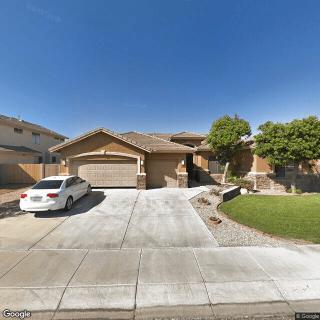
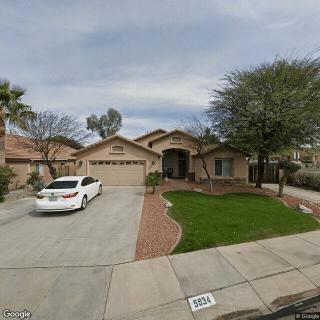
    Arrowhead Heartstone is a remarkable assisted living community nestled in the vibrant city of Glendale, Arizona. Situated in a convenient location, residents here are spoiled with numerous amenities and services right at their fingertips.

    For those seeking a caffeine fix or a cozy spot to catch up with friends, there are eight cafes located just moments away from the community. Whether it's enjoying a delightful cup of coffee or indulging in delicious pastries, residents can find their favorite spot effortlessly.

    Nature enthusiasts will be delighted by the proximity to seven parks around Arrowhead Heartstone. These lush green spaces offer tranquility and opportunities for leisurely strolls, picnics, or simply basking in the beauty of nature.

    Healthcare needs are well taken care of as there are an impressive 17 pharmacies nearby. Residents can conveniently access prescription medications and other health-related essentials without any hassle.

    The community also boasts close ties with 26 physicians, ensuring that residents have quick and easy access to medical professionals when needed. With a range of specialties available, individuals can rest assured that their healthcare needs will be met promptly and efficiently.

    Food lovers will be thrilled with the 33 restaurants located nearby, offering diverse culinary experiences. From fine dining establishments to casual eateries, residents can satisfy any craving they may have without traveling far from home.

    Spiritual fulfillment is important to many, and Arrowhead Heartstone recognizes this by being surrounded by six places of worship. This allows residents to connect with their faith communities and engage in meaningful religious practices conveniently.

    Additionally, for those who enjoy artistic performances, three theaters are situated close by where residents can immerse themselves in live shows, plays, concerts, and other cultural events.

    Arrowhead Heartstone truly offers a vibrant and engaging lifestyle for its residents with its prime location near cafes, parks, pharmacies, physicians, restaurants, places of worship, and theaters. This exceptional assisted living community ensures that every resident's needs are met and that they can lead a fulfilling and active life.

    Nearby Places of Interest

    This part of Glendale, Arizona offers a variety of amenities and services that may be appealing to seniors looking for a convenient and vibrant community. With multiple dining options ranging from pub fare at Heroes Pub and Grub to Italian cuisine at Babbo Italian Eatery, there is something for every palate. Nearby pharmacies such as CVS and Walgreens provide easy access to medications and health supplies. Quality healthcare facilities like HonorHealth Medical Group and Arrowhead Hospital are within close proximity for medical needs. Residents can also enjoy the outdoors at parks like Foothills Park and Thunderbird Park, while finding spiritual fulfillment at places of worship such as St Thomas More Parish. For entertainment, seniors can catch a movie at AMC Arrowhead 14 or explore local cafes like Starbucks for social gatherings. Ultimately, this area of Glendale offers a well-rounded living experience with a mix of dining, healthcare, recreational opportunities, and cultural outlets for senior residents to enjoy.

    Restaurants

    • Heroes Pub and Grub (0.2 miles)
    • Zipps Sports Grill (0.4 miles)
    • Babbo Italian Eatery (1.2 miles)
    • Macayo's Mexican Table (1.3 miles)
    • Oregano's Pizza Bistro (1.6 miles)
    • Bruster's Ice Cream (1.6 miles)
    • Whataburger (2.5 miles)

    Pharmacies

    • CVS Pharmacy (0.3 miles)
    • Walgreens (0.8 miles)
    • Walgreens (1.2 miles)
    • Walgreens (1.7 miles)
    • Walgreens (3.2 miles)
    • Walgreens (3.3 miles)
    • Walgreens (3.5 miles)

    Physicians

    • Kevin Turner (0.4 miles)
    • Paseo Family Physicians (0.4 miles)
    • HonorHealth Medical Group - West Union Hills - Primary Care (0.6 miles)
    • SimonMed Imaging (0.6 miles)
    • Arrowhead Hospital - Bryan Ficarra, DO (0.8 miles)
    • Arrowhead Endoscopy & Pain Management Center (0.8 miles)
    • Phoenix Neurology & Sleep Medicine (1.3 miles)

    Cafes

    • Starbucks (0.4 miles)
    • Dutch Bros Coffee (1.3 miles)
    • Starbucks (2.9 miles)
    • Starbucks (3.3 miles)
    • Starbucks (4.2 miles)
    • Starbucks (4.2 miles)
    • Starbucks (4.2 miles)

    Parks

    • Foothills Park (0.4 miles)
    • Thunderbird Park (2.4 miles)
    • Fletcher Heights Park (2.9 miles)
    • Mountain Ridge Park (4 miles)
    • Conocido Park (4 miles)
    • Paseo Highlands Park (4.2 miles)
    • Green Belt (4.5 miles)

    Places of Worship

    • St Thomas More Parish (0.5 miles)
    • The Church At Arrowhead (2.4 miles)
    • Phoenix Arizona Temple (3 miles)
    • Pure Heart Christian Fellowship (3.6 miles)
    • CCV Childrens Building (3.7 miles)
    • Christ's Church of the Valley (3.8 miles)

    Theaters

    • AMC Arrowhead 14 (2.4 miles)
    • Arrowhead Fountains 18 (3.4 miles)
    • AMC Deer Valley 30 (3.8 miles)

    Frequently Asked Questions

    How much does it cost to live at Arrowhead Heartstone in Glendale, AZ?
    Where is Arrowhead Heartstone?
    Does Arrowhead Heartstone allow residents to have pets?

    Nearby Communities

    Related Resources

    • elderly fall preventionComprehensive Insights and Practical Strategies to Help Older Adults Avoid Falls

      The article highlights the high risk of falls among older adults due to factors like muscle weakness, vision issues, and environmental hazards, with one in four experiencing a fall annually. It advocates for a comprehensive prevention approach that includes exercise, home safety modifications, medication management, social support, and caregiver involvement.

    • what does an elder law attorney do6 Crucial Ways an Elder Law Attorney Assists Families

      Elder law attorneys assist older adults and their families with legal matters such as estate planning, Medicaid eligibility, and guardianships, while also providing protection against elder abuse. They help navigate complex regulations to safeguard financial resources, ensure well-being, and maintain autonomy for seniors.

    • tax implications of parent living with youNavigating the Tax Landscape of Caregiving: Credits, Deductions, and Beyond

      Caregiving for an aging parent entails emotional and financial responsibilities accompanied by significant tax implications, including potential benefits from claiming them as dependents and deductions for medical expenses and caregiving costs. Caregivers must understand eligibility requirements, maintain thorough documentation, and consider consulting a tax professional to navigate these complexities effectively.


    Get Pricing Ask A Question Schedule A Tour Contact Senior Advisor