
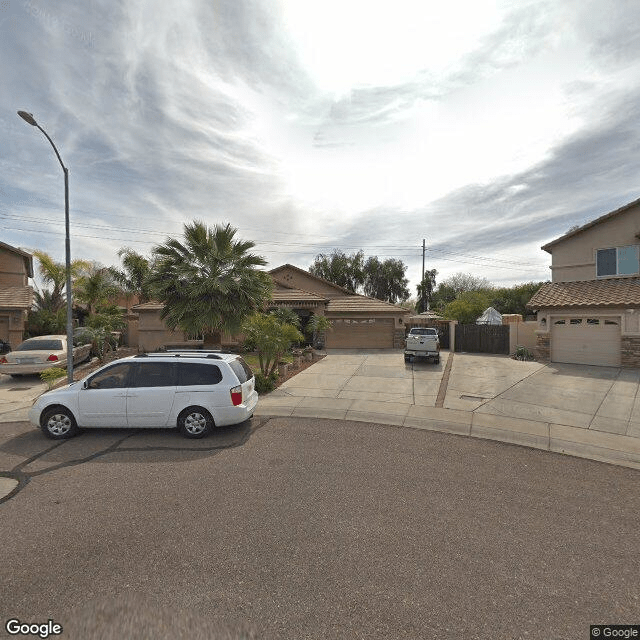
5941 W. Audrey Ln, Glendale, AZ 85308
To contact a resident: (602) 564-2959
For more information about senior living options: (866) 208-4318
Spring Valley Adult Care Home Costs & Pricing
Spring Valley Adult Care Home offers competitive pricing for its residents, providing quality care at rates that stand out against both Maricopa County and Arizona state averages. For semi-private rooms, the monthly cost is $2,200, significantly lower than the county average of $2,801 and the state average of $2,820. Similarly, for private rooms priced at $2,800, Spring Valley remains more affordable compared to the county's average of $3,318 and the state's average of $3,345. These pricing structures reflect a commitment to delivering accessible and high-quality adult care services while ensuring that residents receive exceptional value in a supportive environment.
| Floor plans | Spring Valley Adult Care Home | Maricopa County | Arizona |
|---|---|---|---|
| Semi-Private | $2,200 | $2,801 | $2,820 |
| Private | $2,800 | $3,318 | $3,345 |
Senior living communities with a similar price nearby
-
from -$200 / mo
Garcia's Assisted Living Home LLC
$2,000 / month19.4 miles away -
from +$200 / mo
Jolley Family Assisted Living Home II
$2,400 to $3,875 / month24.5 miles away -
from +$300 / mo
Anc Assisted Living Homes I
$2,500 to $3,500 / month15.6 miles away -
from -$200 / mo
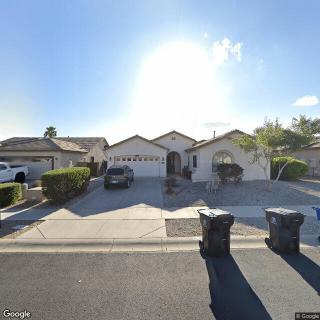
All Stars Assisted Living
$2,000 to $2,500 / month13.8 miles away -
from +$200 / mo

Arabian Views Assisted Living One
$2,400 to $3,200 / month13.0 miles away
Overall Review of Spring Valley Adult Care Home
Pros
 Valley Oasis Adult Care Home is described as a blessing and a wonderful place for a loved one.
- Colleen and her team provide outstanding, attentive care for residents in the final months of life.
- The meals at Valley Oasis are delicious, contributing to a comfortable home-like setting.
- The privacy and home setting at Valley Oasis are a gift to residents and their families.
- The nursing staff is available and communication with the team is great.
- Valley Oasis is highly recommended as a caring and safe place for a loved one.
- Colleen is seen as well-suited for her role and genuinely fulfilling her calling.
- Colleen and her staff are wonderful, caring people and great caregivers.
- The staff are patient and loving, providing consistent care for medications, meals, and bathing.
- Residents are loved and well cared for by the staff at Valley Oasis.
Review
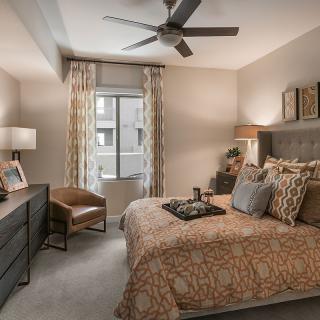
Spring Valley Adult Care Home in Glendale is best suited for seniors who want a private, home-like atmosphere with highly responsive, caregiver-focused attention and strong, ongoing communication with the care team. This community is a practical choice for older adults who prize privacy and dignity, enjoy meals that feel like home, and rely on consistent, personalized help with medications, bathing, and daily routines. It works best for residents who benefit from a calm, intimate setting where staff know them well and families stay closely connected with daily updates and care planning. For those navigating late-life transitions, end-of-life moments, or early-stage memory challenges, the small-team, home-tinged model can deliver surprisingly comforting continuity.
Those who should consider alternatives are families seeking extensive, around-the-clock medical interventions, broad rehabilitative programming, or a highly structured, facility-wide calendar of social activities. A larger assisted living or memory-care environment often provides more expansive nursing coverage, an onsite pharmacy, more specialized dementia programming, greater access to therapies, and a wider array of on-site amenities. If care needs include aggressive wound care, complex IV medications, frequent skilled nursing procedures, or a preference for a formal, campus-style environment with frequent outings and organized classes, a bigger community may be a more appropriate fit. In short, the Spring Valley model excels in intimate care but may not scale to every level of medical complexity.
The primary advantages, privacy, a true home setting, and deeply caring staff, are meaningful enough to offset most common drawbacks for the target resident. A home-like environment reduces the clinical distance many seniors fear and often enhances sleep, appetite, and general comfort. Availability of nursing staff and clear, proactive communication with the team translate into timely medication administration and attentive daily oversight. The meals are described as appealing, with residents experiencing a sense of normalcy in daily life that supports emotional well-being as much as physical health. When a loved one requires a steady hand and a loving, patient approach, these pros frequently become the deciding factor in favor of choosing a home setting over a more institutional option.
The reviews point to a consistent pattern: staff who are described as wonderful, caring, and purpose-driven; families reassured by reliable medication assistance, regular meal routines, and assistance with daily care like bathing; and residents who feel loved and protected within a private, intimate space. That combination of dedicated caregivers and a comforting atmosphere is precisely the kind of non-clinical support that can dramatically improve quality of life in the latter months or during challenging transitions. The downside risk, if any, centers on the potential for limited scope in medical services and fewer high-energy social programs or therapy options. Yet for many seniors and families, the trade-off is precisely what makes the arrangement sustainable and emotionally sustainable.
To make a confident decision, start with pragmatic questions: what is the exact staff-to-resident ratio during day and night, and who provides the on-site nursing coverage? Can the home accommodate specific dementia or stroke-related care needs, and what is the escalation plan if medical needs intensify? Request a copy of the care plan and a typical daily schedule, including meals, activities, and quiet time. Clarify what services are included in the price and what would trigger additional charges. Speak with families who have entrusted loved ones there to understand how crises are managed, how often family updates occur, and how mobility or transfer to a hospital would be coordinated. Finally, verify licensing status and any regulatory records to ensure all safety standards align with expectations for long-term comfort and care.
Bottom line: Spring Valley offers a compelling, practical option for families seeking a warm, intimate environment where seniors are treated with dignity, privacy is preserved, and caregivers are consistently attentive. It is an especially strong fit for residents who value daily routines, reliable medication support, delicious home-style meals, and steady, open communication with a compassionate team. For families requiring heavier medical oversight, more expansive memory-care programming, or a busier social calendar, exploring larger assisted living or dedicated memory-care communities may yield better alignment with those needs. In the right circumstances, this home setting stands out as a thoughtful, well-executed choice that can relieve caregiver anxiety and improve day-to-day life for an aging loved one.
 Board and Care Home
 Cats allowed
 Dogs allowed
 Private
 Phoenix Sky Harbor International (18 miles away)
 Diabetic care
 Incontinence care


 8 Essential Assistive Devices for Older Adults
 Navigating the Financial Road to Nursing Home Care: In-Depth Guidance and Resources
 Supportive Employee Benefits That Help Caregivers Attain Better Work-Life Harmony